Isaías 45
Biblica® Baịbụlụ Nsọ nʼIgbo Ndị Ugbu a nke dịrị onye ọbụla ịgụ · Toque num versículo para ver as referências cruzadas.
1“Nke a ka Onyenwe anyị na-ekwu nye ohu ya nke o tere mmanụ,
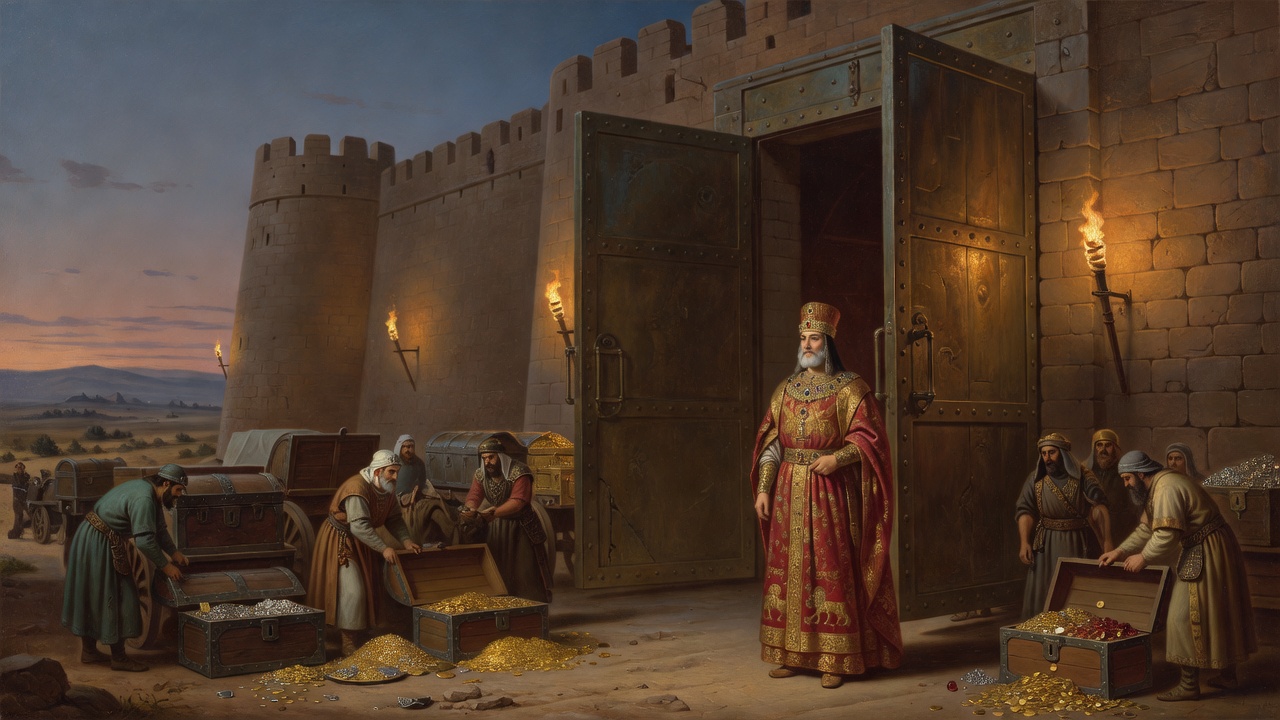
bụ Sairọs, onye m ga-eji aka nri ya
megide mba niile, mee ka ha nọrọ nʼokpuru ya,
napụkwa ndị eze ngwa agha ha niile,
megheere ya ọnụ ụzọ niile
nke na ọ dịkwaghị ọnụ ụzọ ama a ga-emechibido ya.
2Mụ onwe m ga-ebu ụzọ gaa nʼihu gị
kwazee ugwu ukwu niile,
tiwasịa ibo ọnụ ụzọ bronz niile
gbuwakwaa mkpọrọ igwe dị iche iche.
3Aga m enye gị akụ niile e zoro nʼebe ọchịchịrị gbara,
akụnụba niile e zoro nʼebe nzuzo dị iche iche.
Ka ị mata na ọ bụ mụ onwe m bụ Onyenwe anyị,
bụ Chineke nke Izrel, onye ahụ kpọrọ gị aha, na-eme ihe ndị a niile.
4Nʼihi Jekọb bụ ohu m,
nʼihi Izrel onye m họpụtara nye onwe m,
ka m ji kpọọ gị aha gị
nyekwa gị aha nke nsọpụrụ,
maọbụ ezie na ị maghị onye m bụ.
5Ọ bụ m bụ Onyenwe anyị, ọ dịghịkwa onye ọzọ dị;
ewezuga m, ọ dịkwaghị Chineke ọzọ dị.
Ọ bụ ezie na ị maghị m,
ma aga m eme ka ị dịrị ike.
6Mgbe ahụ, ụwa niile, site nʼọwụwa anyanwụ
ruo nʼọdịda anyanwụ,
ga-amata nʼezie na Chineke ọzọ adịghị, karịa m.
Abụ m Onyenwe anyị, ọ dịghịkwa onye ọzọ dị.
7Ọ bụ m kpụrụ ìhè, keekwa ọchịchịrị.
Ọ bụ m na-ezite ọganihu, na-ekekwa ịla nʼiyi.
Mụ onwe m, bụ Onyenwe anyị, na-eme ihe ndị a niile.
8“Gị, eluigwe, zodata ezi omume m
ka mbara eluigwe na-ezodakwa ya dịka mmiri.
Ka ala meghee onwe ya,
ka nzọpụta pupụta,
ka ezi omume soro ya puokwa dịka ahịhịa.
Ọ bụ mụ onwe m, bụ Onyenwe anyị kere ha niile.
9“Ahụhụ na-adịrị mmadụ ahụ nke na-alụso onye kere ya ọgụ,
mmadụ ahụ bụ otu mpekele ejuju
nʼetiti mpekele ejuju niile dị nʼala.
Ụrọ ọ na-ajụ onye ji ya akpụ ihe ajụjụ sị,
‘Gịnị ka i ji m akpụ?’
Ka ọrụ gị ọ ga-asị,
‘Lee, ọ dịghị aka abụọ o nwere’?
10Ahụhụ na-adịrị nwantakịrị ahụ gwara nna ya okwu sị,
‘Gịnị ka ị mụtara na nwa?’
maọbụ sịkwa nne ya,
‘Gịnị bụ ihe ị mụpụtara?’
11“Otu a ka Onyenwe anyị, Onye nsọ nke Izrel,
Onye kere Izrel na-ajụ ajụjụ sị;
banyere ihe ndị gaje ime
ị na-ajụ m ajụjụ banyere ụmụ m,
maọbụ nye m iwu banyere ọrụ aka m?
12Ọ bụ mụ onwe m kere ụwa,
keekwa mmadụ ka o biri nʼime ya.
Aka m abụọ ka m ji gbasaa mbara igwe,
nyekwa kpakpando niile iwu.
13M ga-akpọlite Sairọs nʼezi omume m:
M ga-eme ka ụzọ ya niile zie ezi.
Ọ ga-ewughachi obodo m,
mee ka ndị m a dọtara nʼagha nwere onwe ha,
ma ọ bụghị nʼihi ọnụahịa maọbụ ihe nrite,
ka Onyenwe anyị, Onye pụrụ ime ihe niile kwuru.”
14Otu a ka Onyenwe anyị sịrị,
“Ihe ndị Ijipt rụpụtara na ngwa ahịa ndị Kush
na ndị Saba ahụ toro ogologo,
ha ga-abịakwute gị,
ha ga-abụ nke gị;
ha ga-esokwa gị nʼazụ
dịka ndị mkpọrọ e kere agbụ.
Ha ga-akpọ isiala nʼihu gị
rịọ gị arịrịọ, na-asị,
‘Nʼezie, ọ bụ naanị otu Chineke dị, onye nọnyere gị,
ọ dịkwaghị chi ọzọ dị.’ ”
15Nʼezie, gị onwe gị bụ Chineke, Onye nzọpụta Izrel.
Ị bụkwa Chineke, onye na-ezonarị mmadụ onwe ya.
16A ga-eme ndị niile na-akpụ arụsị ihe ihere,
e, ihere ga-eme ha nʼihi na a ga-etinye ha nʼọnọdụ oke ihere.
17Ma Onyenwe anyị ga-eji nzọpụta
nke ga-adị ruo mgbe ebighị ebi zọpụta Izrel.
Ihere agaghị eme ha.
A gaghị etinyekwa ha nʼọnọdụ ihe ihere ruo mgbe ebighị ebi.
18Nʼihi na otu a ka Onyenwe anyị onye kere eluigwe sịrị,
ọ bụ ya dobekwara ihe niile nʼọnọdụ ha.
Ọ bụ ya, bụ Chineke,
onye zubere ma kee ụwa,
tọkwaa ntọala ya.
O keghị ụwa ka ọ tọgbọrọ nʼefu,
kama ọ bụ ka e biri nʼime ya ka o ji kee ya.
Ọ sịrị,
“Mụ onwe m bụ Onyenwe anyị;
ọ dịkwaghị Chineke ọzọ dị.
19Ọ bụghị na nzuzo ka m kwuru okwu,
site nʼotu ebe nʼala nke ọchịchịrị.
Agwaghị m mkpụrụ Jekọb
‘Chọọnụ m nʼefu.’
Mụ onwe m, bụ Onyenwe anyị na-ekwu eziokwu,
Ana m ekwupụta ihe ziri ezi.
20“Chịkọtaanụ onwe unu, gbakọtanụ,
bịanụ nso, unu ndị si na mba niile gbapụta ọsọ ndụ.
Ha amaghị ihe bụ ndị a na-ebugharị chi osisi e ji aka mee,
ndị na-ekpekwara chi ndị ahụ na-enweghị ike ịzọpụta ekpere.
21Kwupụtanụ ihe kwesiri ịdị, gosinụ ya,
ka ha gbaakọkwa izu.
Onye buru ụzọ kwuo ihe ndị a nʼoge gara aga,
onye kwupụtara ya site na mgbe ochie?
Ọ bụghị mụ onwe m, bụ Onyenwe anyị?
Ọ dịkwaghị Chineke ọzọ dị ma ọ bụghị mụ onwe m,
Chineke onye ezi omume na Onye nzọpụta;
ọ dịghị onye ọzọ dị ma ewezuga m.
22“Laghachikwutenụ m, ka m zọpụta unu.
Laghachikwutenụ m, unu ndị bi na nsọtụ niile nke ụwa.
Nʼihi na ọ bụ naanị m bụ Chineke, ọ dịkwaghị chi ọzọ dị.
23Ejirila m onwe m ṅụọ iyi,
ọnụ m ekwupụla okwu nʼezi omume,
bụ okwu nke na-enweghị mgbanwe:
Nʼihu m ka ikpere niile ọbụla ga-egbu nʼala;
mụ ka ire niile ọbụla ga-aṅụrụ iyi.
24E, ha ga-ekwupụta sị, ‘Ọ bụ nʼime Onyenwe anyị naanị
ka ezi omume na ike dị.’ ”
Ndị niile na-akpọ ya asị ga-abịakwute ya.
Ihere ga-emekwa ha.
25Ma agbụrụ niile nke Izrel
ga-achọta nnapụta ha nʼime Onyenwe anyị,
ọ bụkwa na ya ka ha ga-anya isi.
Você sabia?
A missão de Ciro e a soberania de Deus
- Isaías 45 menciona nominalmente Ciro, o governante persa que conquistou a Babilônia em 538 a.C. Embora Ciro fosse um rei estrangeiro, o texto o chama de ungido de Deus, cuja missão incluía subjugar nações e libertar os exilados sem preço nem recompensa.Fontes: o próprio texto bíblico · Cyrus
- O capítulo emprega a metáfora do oleiro e do barro para repreender aqueles que questionam os métodos e a soberania de Deus. A passagem enfatiza que, assim como o barro não pode contestar o trabalho das mãos do artesão, a criação não pode questionar o governo do Criador.Fontes: o próprio texto bíblico
- O capítulo também faz referência aos produtos e riquezas do Egito e de Cuxe submetendo-se e reconhecendo o Deus de Israel. Na geografia bíblica, Cuxe referia-se às regiões localizadas ao sul do Egito.Fontes: o próprio texto bíblico · Cush · Egypt
Notas escritas com auxílio de IA a partir de fontes abertas (Theographic Bible Metadata, CC BY-SA 4.0; Easton’s Bible Dictionary, domínio público) e revisadas antes de publicar.
Lugares deste capítulo
Só aparecem lugares com identificação de alta confiança (90% ou mais segundo as fontes acadêmicas reunidas pelo OpenBible). Mapa da época: DARE (Digital Atlas of the Roman Empire), CC BY 4.0; mapa atual: © colaboradores do OpenStreetMap; lugares: OpenBible.info (CC BY 4.0).
Créditos e licença desta tradução
Biblica® Baịbụlụ Nsọ nʼIgbo Ndị Ugbu a nke dịrị onye ọbụla ịgụ The Holy Bible in the Igbo language of Nigeria: Biblica® Baịbụlụ Nsọ nʼIgbo Ndị Ugbu a nke dịrị onye ọbụla ịgụ copyright © 2020 Biblica, Inc. Language: Igbo Contributor: Biblica, Inc. This work is made available under the Creative Commons Attribution-ShareAlike 4.0 International License (CC BY-SA). To view a copy of this license, visit http://creativecommons.org/licenses/by-sa/4.0 or send a letter to Creative Commons, PO Box 1866, Mountain View, CA 94042, USA. Biblica® is a trademark registered by Biblica, Inc., and use of the Biblica® trademark requires the written permission of Biblica, Inc. Under the terms of the CC BY-SA license, you may copy and redistribute this unmodified work as long as you keep the Biblica® trademark intact. If you modify a copy or translate this work, thereby creating a derivative work, you must remove the Biblica® trademark. On the derivative work, you must indicate what changes you have made and attribute the work as follows: “The original work by Biblica, Inc. is available for free at www.biblica.com and open.bible.” Notice of copyright must appear on the title or copyright page of the work as follows: Biblica® Baịbụlụ Nsọ nʼIgbo Ndị Ugbu a nke dịrị onye ọbụla ịgụ Ndị Biblica, Inc. degharịrị ya nʼafọ © 1980, 1988, 2019, 2020 Biblica® Open Igbo Contemporary Bible™ Copyright © 1980, 1988, 2019, 2020 by Biblica, Inc. “Biblica” bụ akara e ji mara ụlọ ọrụ a, nke edebanyere dịka iwu si kwado nʼụlọ ọrụ dị nʼobodo United States, ebe a na-enye akara a na ikike maka azụm ahịa ndị Biblica, Inc. Ọ bụ ha ka e nyere ikike idenye ya. “Biblica” is a trademark registered in the United States Patent and Trademark Office by Biblica, Inc. Used with permission. You must also make your derivative work available under the same license (CC BY-SA). If you would like to notify Biblica, Inc. regarding your translation of this work, please contact us at https://open.bible/contact-us. This translation is made available to you under the terms of the Creative Commons Attribution Share-Alike license 4.0. You have permission to share and redistribute this Bible translation in any format and to make reasonable revisions and adaptations of this translation, provided that: You include the above copyright and source information. If you make any changes to the text, you must indicate that you did so in a way that makes it clear that the original licensor is not necessarily endorsing your changes. If you redistribute this text, you must distribute your contributions under the same license as the original. Pictures included with Scriptures and other documents on this site are licensed just for use with those Scriptures and documents. For other uses, please contact the respective copyright owners. Note that in addition to the rules above, revising and adapting God's Word involves a great responsibility to be true to God's Word. See Revelation 22:18-19. 2023-04-12
Fonte: http://ebible.org/ibo/ · eBible.org