Isaías 33
Biblica® Baịbụlụ Nsọ nʼIgbo Ndị Ugbu a nke dịrị onye ọbụla ịgụ · Toque num versículo para ver as referências cruzadas.
Nsogbu na enyemaka
1Ahụhụ dịrị gị, onye mbibi,
onye bibiri ihe niile dị gị gburugburu, ma ọ dịbeghị mbibi rutere gị aka.
Ahụhụ dịrị gị, onye nrafu,
onye na-enwebeghị ndị rafuru gị.
Mgbe ị kwụsịrị ibibi ihe
ka a ga-ebibi gị,
mgbe ị kwụsịkwara nrafu
ka a ga-arafu gị.
2Biko, Onyenwe anyị, nwee obi ebere nʼebe anyị nọ,
nʼihi na ọ bụ gị ka anyị na-ele anya.
Bụụrụ anyị ike nʼụtụtụ ụbọchị niile,
bụrụkwara anyị onye nzọpụta mgbe niile anyị nọ na mkpa.
3Ndị iro na-agba ọsọ mgbe ha nụrụ olu gị.
Mgbe ị guzoro ọtọ, mba niile na-agbalaga.
4Dịka igurube si atachapụ ihe dị nʼubi,
otu a ka a ga-esi kwakọrọ ihe niile unu nwere nʼagha, unu mba dị iche iche.
5Onyenwe anyị dị elu, nʼihi na o bi nʼebe dị elu.
Ọ ga-eji ikpe ya ziri ezi, na ezi omume mejupụta Zayọn.
6Ọ ga-abụ ntọala guzosiri ike nke oge unu niile,
ụlọakụ dị ukwu nke nzọpụta, na amamihe na ihe ọmụma;
egwu Onyenwe anyị bụ igodo nke akụ a.
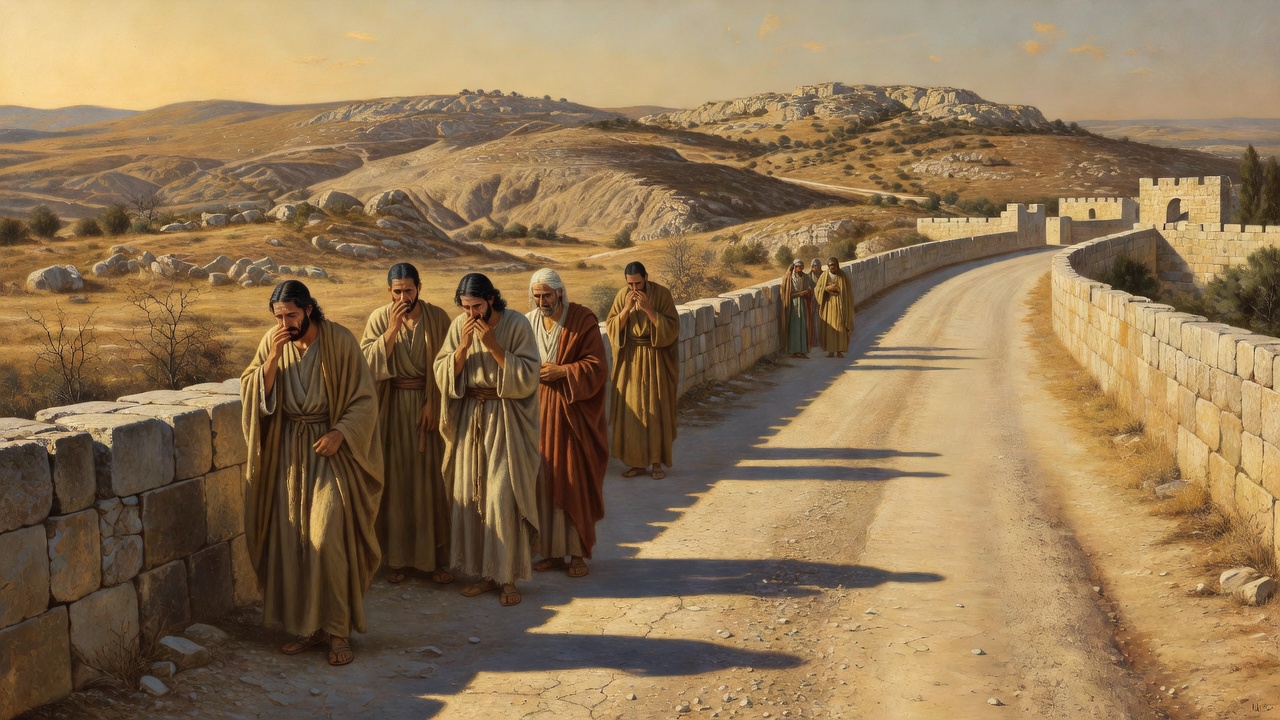
7Lee ndị ha dị ike ka ha na-eti mkpu akwa nʼokporoụzọ niile;
ndị na-anọchite anya ha, ndị bịara ikwu otu udo ga-esi dịrị na-akwa akwa.
8Ọ dịkwaghị onye a na-ahụ anya nʼokporoụzọ ọbụla.
E meela ka ọgbụgba ndụ niile ghara ịdịkwa ire.
A na-elelị ndị e sitere nʼakaebe ha
mee ka ọgbụgba ndụ ahụ guzosie ike.
Ọ dịkwaghị onye a na-asọpụrụ.
9Ala ahụ niile na-eru ụjụ. Ọ tọgbọkwara nʼefu.
Oke ọhịa Lebanọn akpọnwụọla bụrụ ihe ihere.
Sharọn aghọkwaala ọzara;
osisi dị na Bashan na nʼelu ugwu Kamel na-agbụchakwa akwụkwọ ha.
10Ma Onyenwe anyị na-asị, “Ugbu a, m ga-ebili.”
“Ugbu a, ka a ga-eme ka m dị elu;
ugbu a, ka a ga-ebuli m elu.
11Unu na-atụ ime ahịhịa kpọrọ nkụ,
unu na-amụpụta ahịhịa,
nkuume unu na-ekupụta bụ ọkụ ga-erepịa unu.
12Ndị gị ga-ere ọkụ, dịka osisi ogwu e gbuturu egbutu tụnye nʼọkụ;
ha ga-ere ọkụ dịka avụvụ nkwụ.”
13Geenụ ntị nụrụ ihe m mere, unu mba niile dị nʼebe dị anya!
Unu ndị nọ nso, kwerenụ nʼezie na m siri ike!
14Ndị mmehie na ndị ajọ omume nọ na Zayọn na-ama jijiji nʼegwu,
ha na-akwa akwa na-asị,
“Onye nʼime anyị pụrụ ibi nʼebe a, nʼetiti onye a bụ ọkụ na-erepịa erepịa,
ọkụ nke na-ere ruo mgbe ebighị ebi?”
15Ndị na-ejegharị nʼezi omume
na-ekwu ihe ziri ezi,
ndị na-ajụ uru sitere nʼụzọ nʼezighị ezi,
ndị na-ewezuga aka ha site na ịnata ngarị dị iche iche,
ndị na-emechi ntị megide izu ịkwafu ọbara,
na-amụchi anya ha abụọ ka ha ghara ịtụgharị uche nʼihe ọjọọ.
16Ha bụ ndị ahụ ga-ebi nʼebe dị elu,
ndị ebe mgbaba ha ga-abụ ebe e wusiri ike nke ugwu.
A ga-enye ha nri,
mmiri a gaghị akọkwa ha.
17Anya unu ga-ahụ eze nʼebube ya;
unu ga-ahụkwa alaeze ya nke nsọtụ oke ya dị nʼebe dị anya.
18Nʼime echiche obi unu, unu ga na-atule ihe oke egwu nke oge ndị ahụ gara aga.
“Olee ebe onyeisi ọchịchị ahụ nọ ugbu a?
Ebee ka onye na-anakọta ụtụ ahụ nọ?
Ebeekwa ka onyeisi ahụ nke ụlọ elu nche niile dị nʼaka ya nọ?”
19Nʼoge ahụ, unu agaghị ahụkwa ndị nganga ahụ ọzọ,
bụ ndị ahụ na-asụ asụsụ nke unu na-amaghị,
nke unu na-adịghị aghọtakwa.
20Lekwasịnụ Zayọn anya, obodo anyị na-anọ eme mmemme anyị niile;
anya unu ga-ahụkwa Jerusalem,
ụlọ obibi dị jụụ, ụlọ ikwu nke a na-apụghị ibupụ ebupụ;
apụghịkwa iholite ǹtu jidere ya,
maọbụ dọbie nke ọbụla nʼime ụdọ ji ya.
21Ebe ahụ ka Onyenwe anyị ga-abụrụ anyị Onye dị ike.
Ọ ga-adịkwara anyị ka osimiri na iyi dị obosara.
Ọ dịghị ụgbọ amara
maọbụ ụgbọ ukwu ga-abịa na mmiri ahụ.
22Nʼihi na Onyenwe anyị bụ onye ikpe anyị.
Onyenwe anyị bụ onye na-enye anyị iwu.
Onyenwe anyị bụ eze anyị,
ọ bụ ya na-azọpụta anyị.
23A tọsaala ụdọ niile:
Ha adịghị ejidesikwa ọkọlọtọ gị ike,
a gbasaghịkwa akwa igbochi ifufe.
Mgbe ahụ, a ga-ekesa ụba ihe a kwatara nʼagha
ọ bụladị ndị ngwụrọ ga-ebute ihe nkwata nʼagha.
24Ọ dịkwaghị onye bi na Zayọn ga-asị, “Ahụ esighị m ike,”
nʼihi na a ga-agbaghara ndị bi nʼime ya mmehie ha niile.
Você sabia?
Livramento e a segurança de Sião
- Para descrever o impacto severo da guerra, o capítulo cita diversas regiões famosas por sua fertilidade—as alturas arborizadas do Líbano, a fértil planície costeira de Sarom e as terras agrícolas de Basã e Carmelo—, retratando-as como secas e desoladas.Fontes: o próprio texto bíblico · Lebanon · Saron · Bashan
- Isaías descreve Jerusalém e sua colina fortificada do monte Sião como uma morada pacífica e uma tenda inabalável cujas estacas e cordas jamais serão rompidas, contrastando a estabilidade divina com o terror de tratados violados e estradas desertas.Fontes: o próprio texto bíblico · Zion · Jerusalem
Notas escritas com auxílio de IA a partir de fontes abertas (Theographic Bible Metadata, CC BY-SA 4.0; Easton’s Bible Dictionary, domínio público) e revisadas antes de publicar.
Lugares deste capítulo
- Assyria · 36.359, 43.153 · versículo 4
- Zion · Hoje: Jerusalem · 31.777, 35.234 · versículos 5, 6, 14, 20, 24
- Arabah · 30.417, 35.151 · versículo 9
- Bashan · 32.781, 35.935 · versículo 9
- Lebanon · 33.540, 35.584 · versículo 9
- Mount Carmel · 32.672, 35.023 · versículo 9
- Sharon · Hoje: Sharon Plain · 32.400, 34.883 · versículo 9
- Jerusalem · 31.777, 35.234 · versículo 20
Só aparecem lugares com identificação de alta confiança (90% ou mais segundo as fontes acadêmicas reunidas pelo OpenBible). Mapa da época: DARE (Digital Atlas of the Roman Empire), CC BY 4.0; mapa atual: © colaboradores do OpenStreetMap; lugares: OpenBible.info (CC BY 4.0).
Créditos e licença desta tradução
Biblica® Baịbụlụ Nsọ nʼIgbo Ndị Ugbu a nke dịrị onye ọbụla ịgụ The Holy Bible in the Igbo language of Nigeria: Biblica® Baịbụlụ Nsọ nʼIgbo Ndị Ugbu a nke dịrị onye ọbụla ịgụ copyright © 2020 Biblica, Inc. Language: Igbo Contributor: Biblica, Inc. This work is made available under the Creative Commons Attribution-ShareAlike 4.0 International License (CC BY-SA). To view a copy of this license, visit http://creativecommons.org/licenses/by-sa/4.0 or send a letter to Creative Commons, PO Box 1866, Mountain View, CA 94042, USA. Biblica® is a trademark registered by Biblica, Inc., and use of the Biblica® trademark requires the written permission of Biblica, Inc. Under the terms of the CC BY-SA license, you may copy and redistribute this unmodified work as long as you keep the Biblica® trademark intact. If you modify a copy or translate this work, thereby creating a derivative work, you must remove the Biblica® trademark. On the derivative work, you must indicate what changes you have made and attribute the work as follows: “The original work by Biblica, Inc. is available for free at www.biblica.com and open.bible.” Notice of copyright must appear on the title or copyright page of the work as follows: Biblica® Baịbụlụ Nsọ nʼIgbo Ndị Ugbu a nke dịrị onye ọbụla ịgụ Ndị Biblica, Inc. degharịrị ya nʼafọ © 1980, 1988, 2019, 2020 Biblica® Open Igbo Contemporary Bible™ Copyright © 1980, 1988, 2019, 2020 by Biblica, Inc. “Biblica” bụ akara e ji mara ụlọ ọrụ a, nke edebanyere dịka iwu si kwado nʼụlọ ọrụ dị nʼobodo United States, ebe a na-enye akara a na ikike maka azụm ahịa ndị Biblica, Inc. Ọ bụ ha ka e nyere ikike idenye ya. “Biblica” is a trademark registered in the United States Patent and Trademark Office by Biblica, Inc. Used with permission. You must also make your derivative work available under the same license (CC BY-SA). If you would like to notify Biblica, Inc. regarding your translation of this work, please contact us at https://open.bible/contact-us. This translation is made available to you under the terms of the Creative Commons Attribution Share-Alike license 4.0. You have permission to share and redistribute this Bible translation in any format and to make reasonable revisions and adaptations of this translation, provided that: You include the above copyright and source information. If you make any changes to the text, you must indicate that you did so in a way that makes it clear that the original licensor is not necessarily endorsing your changes. If you redistribute this text, you must distribute your contributions under the same license as the original. Pictures included with Scriptures and other documents on this site are licensed just for use with those Scriptures and documents. For other uses, please contact the respective copyright owners. Note that in addition to the rules above, revising and adapting God's Word involves a great responsibility to be true to God's Word. See Revelation 22:18-19. 2023-04-12
Fonte: http://ebible.org/ibo/ · eBible.org