Deuteronômio 5
Biblica® Baịbụlụ Nsọ nʼIgbo Ndị Ugbu a nke dịrị onye ọbụla ịgụ · Toque num versículo para ver as referências cruzadas.
Iwu iri
1Mosis kpọkọtara Izrel niile gwa ha okwu sị,
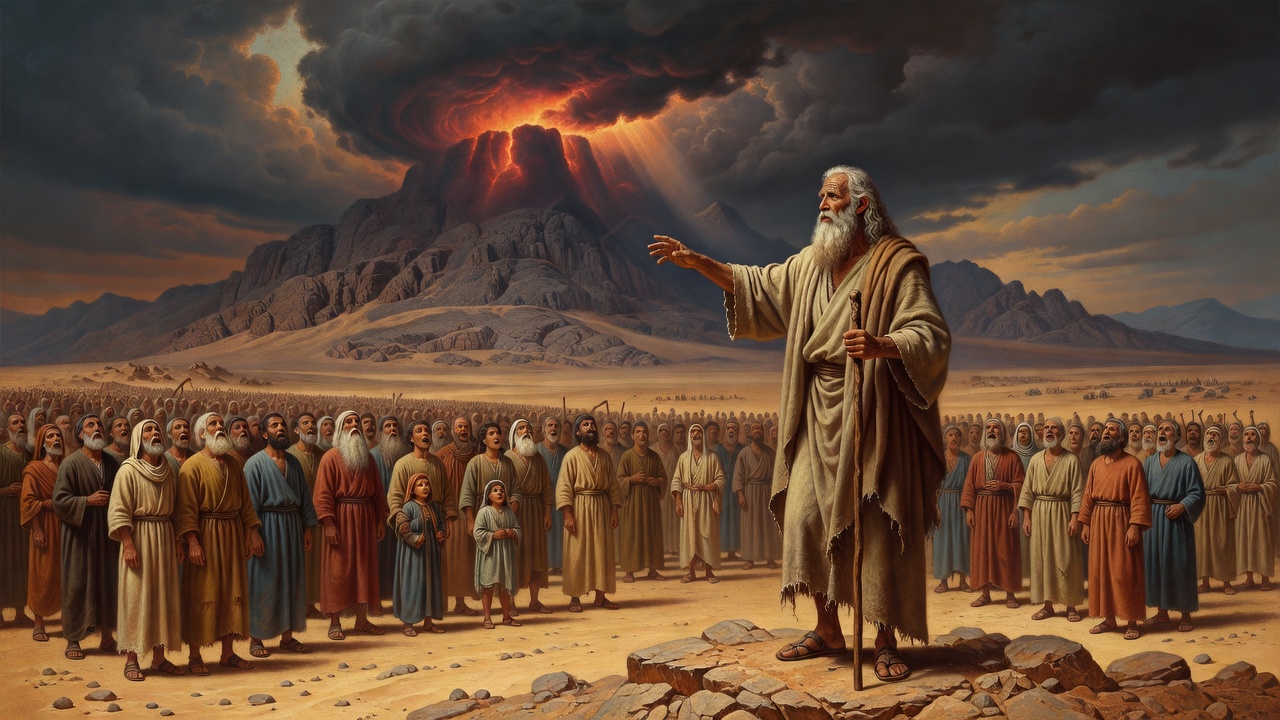
Geenụ ntị, unu Izrel, nʼụkpụrụ ndị a na iwu ndị a niile m na-agụpụta na ntị unu taa, mụtanụ ha, hụkwanụ na unu debere ha! 2Anyị na Onyenwe anyị Chineke anyị gbara ndụ nʼugwu Horeb. 3Ọ bụghị Onyenwe anyị na nna nna anyị ha gbara ndụ, kama ọ bụ anyị na ya, anyị niile ndị dị ndụ taa. 4Onyenwe anyị sitere nʼetiti ọkụ gwa unu okwu ihu na ihu nʼugwu ahụ. 5E guzoro m nʼetiti unu na Onyenwe anyị mgbe ahụ, ikwupụtara unu okwu Onyenwe anyị, nʼihi na unu tụrụ egwu ọkụ ahụ, unu arịgoghịkwa nʼugwu ahụ.
Ọ sịrị:
6“Mụ onwe m bụ Onyenwe anyị Chineke unu, onye kpọpụtara unu site nʼIjipt, bụ ala nke ịbụ ohu.
7“Gị enwela chi ọzọ tinyere m.
8Gị emerela onwe gị arụsị a pịrị apị, nʼoyiyi nke ụdị ọbụla nke yiri ihe dị nʼeluigwe maọbụ nke yiri ihe dị nʼụwa, nʼokpuru ya maọbụ nʼime mmiri, nʼokpuru ụwa. 9Gị akpọla isiala nye ha, efekwala ha ofufe, nʼihi na Mụ onwe m bụ Onyenwe anyị Chineke gị, abụ m Chineke ekworo. Onye na-ata ụmụ na ụmụ ụmụ ahụhụ, nʼihi ajọ omume nke ndị mụrụ ha, ọ bụladị ruo nʼọgbọ nke atọ na nke anọ, nke ndị ahụ kpọrọ m asị. 10Ma na-egosi ịhụnanya nye puku ọgbọ niile nke ndị hụrụ m nʼanya, bụ ndị na-edebe ihe niile m nyere nʼiwu.
11Gị ejikwala aha Onyenwe anyị bụ Chineke gị eme ihe efu, nʼihi na Onyenwe anyị agaghị agụ onye ji aha ya eme ihe efu dịka onye ikpe na-amaghị.
12Debe ụbọchị izuike site nʼido ya nsọ, dịka Onyenwe anyị Chineke gị nyere gị nʼiwu. 13Nʼime ụbọchị isii ka ị ga-eje ozi gị niile. Ọ bụkwa nʼime ha ka ị ga-arụzu ọrụ gị niile, 14ma ụbọchị nke asaa bụ ụbọchị izuike nke Onyenwe anyị Chineke gị. Ị gaghị arụ ọrụ ọbụla nʼụbọchị ahụ, gị onwe gị, nwa gị nwoke na nwa gị nwanyị, onye ọrụ gị nwoke, onye ọrụ gị nwanyị, ehi gị, ịnyịnya ibu gị maọbụ anụ ụlọ gị ọbụla, ọ bụladị onye ọbịa bi nʼobodo gị, ka ohu gị nwoke na ohu gị nwanyị zuru ike dịka gị onwe gị si ezu ike. 15Ị ga-echetakwa na ị bụ ohu nʼala Ijipt, ma Onyenwe anyị Chineke mere ka i si nʼohu pụta. Ọ bụ ike ya dị ukwuu ka o ji napụta gị. Ọ bụ ya mere Onyenwe anyị Chineke gị ji nye iwu na ị ga-edebe ụbọchị izuike nsọ.
16Sọpụrụ nne gị na nna gị, dịka Onyenwe anyị Chineke gị nyere gị nʼiwu, ka ụbọchị ndụ gị dị ogologo, ka ihe dịkwara gị mma nʼala ahụ nke Onyenwe anyị Chineke gị na-enye gị.
17Gị egbula mmadụ.
18Gị akwala iko.
19Gị ezula ohi.
20Gị agbala ama ụgha megide onye agbataobi gị.
21Gị enwela anya ukwu nʼebe nwunye onye agbataobi gị dị. Gị enwekwala agụụ inwetara onwe gị ụlọ onye agbataobi gị, maọbụ nʼebe ala ya, maọbụ ohu ya nwoke, maọbụ ohu ya nwanyị, maọbụ ehi ya, maọbụ ịnyịnya ibu ya, ma ọ bụkwanụ nʼihe ọbụla nke onye agbataobi nwere dị.”
22Iwu ndị a ka Onyenwe anyị sitere nʼolu ike kwupụta nye ọgbakọ unu niile nʼelu ugwu ahụ, site nʼọkụ ahụ na igwe ojii ahụ na oke ọchịchịrị ahụ. O nweghị okwu ọzọ o tụkwasịrị nʼelu ya. O mechara dee ha na mbadamba nkume abụọ, nye m ha.
23Ma mgbe unu nụrụ oke olu ahụ kwuru okwu site nʼoke ọchịchịrị ahụ, hụkwa ire ọkụ ahụ dị egwu na-enwu nʼelu ugwu, ndịisi unu, ndị ndu ebo ọbụla na ndị okenye unu bịakwutere m. 24Unu sịrị, “ Onyenwe anyị bụ Chineke anyị egosila anyị ebube ya, na ịdị ukwu ya, anyị anụkwala olu ya site nʼime ọkụ ahụ. Taa anyị ahụla na mmadụ pụrụ ịdị ndụ ọbụladị ma Chineke kpanyere ha ụka. 25Ma ugbu a nʼihi gịnị ka anyị ga-eji nwụọ? Ọkụ a, nke na-enwusi ike ga-erechapụ anyị. Anyị ga-anwụ ma ọ bụrụ na anyị anụ olu Onyenwe anyị Chineke anyị gaa nʼihu. 26Nʼihi na onye dị nʼetiti mmadụ, nke nụrụ olu Chineke dị ndụ ka ọ na-ekwu okwu site nʼetiti ọkụ, dịka anyị nụrụ ma dịrị ndụ. 27Gaa nso nụtara anyị ihe Onyenwe anyị Chineke anyị na-ekwu, mgbe ahụ, gwa anyị ihe ọbụla bụ nke ọ gwara gị, anyị ga-anụ, mekwa ya.”
28Onyenwe anyị nụrụ olu okwu mgbe unu gwara m okwu, Onyenwe anyị sịrị m, “Anụla m ihe ndị a gwara gị. Ihe niile ha kwuru ziri ezi. 29Lee, ọ ga-adị nnọọ mma ma mkpụrụobi ha dị otu a, ịtụ egwu m, na idebe ihe niile m nyere ha nʼiwu, ka ihe gaara ha na ụmụ ha nke ọma mgbe niile ebighị ebi.
30“Gaa, gwa ha ka ha laghachi nʼụlọ ikwu ha. 31Ma gị onwe gị, guzo nʼebe a nʼakụkụ m, ka m nye gị iwu m na ụkpụrụ m niile, ị ga-akụziri ha idebe iwu m, ha aghakwaghị idebe ha nʼala ahụ m gaje inye ha ka ha nweta.”
32Lezienụ anya ime ihe ndị ahụ niile Onyenwe anyị bụ Chineke unu nyere unu nʼiwu. Unu esitela na ha wezuga onwe unu gaa nʼaka nri maọbụ nʼaka ekpe. 33Jegharịanụ ije nʼụzọ niile Onyenwe anyị Chineke unu nyere unu nʼiwu, ka unu dịrị ndụ, baa ụba, ma meekwa ka ndụ unu dị ogologo nʼala ahụ unu na-aga inweta.
Você sabia?
A Aliança e os Dez Mandamentos
- Em Deuteronômio, a montanha onde a aliança e os mandamentos foram entregues é chamada de Horebe. Horebe refere-se à cadeia montanhosa mais ampla da qual o Sinai era um cume, situada junto a uma vasta planície onde os israelitas podiam acampar.Fontes: Horeb · o próprio texto bíblico
- No relato do mandamento do sábado em Deuteronômio, a exigência de descanso está explicitamente ligada à história da escravidão de Israel no Egito. Como os israelitas haviam sido libertos dos trabalhos forçados, seus servos, estrangeiros e animais de trabalho também deveriam desfrutar de pleno descanso no sétimo dia.Fontes: o próprio texto bíblico
- Moisés atuou como intermediário entre Deus e o povo porque os chefes das tribos e os anciãos temiam morrer se continuassem a ouvir a voz divina vinda do fogo e da densa escuridão. Eles pediram a Moisés que se aproximasse, recebesse os demais preceitos e os transmitisse à assembleia.Fontes: o próprio texto bíblico
Notas escritas com auxílio de IA a partir de fontes abertas (Theographic Bible Metadata, CC BY-SA 4.0; Easton’s Bible Dictionary, domínio público) e revisadas antes de publicar.
Lugares deste capítulo
- Mount Horeb · Hoje: Jebel Musa · 28.540, 33.973 · versículo 2
- Egypt · 30.129, 31.308 · versículos 6, 15
Só aparecem lugares com identificação de alta confiança (90% ou mais segundo as fontes acadêmicas reunidas pelo OpenBible). Mapa da época: DARE (Digital Atlas of the Roman Empire), CC BY 4.0; mapa atual: © colaboradores do OpenStreetMap; lugares: OpenBible.info (CC BY 4.0).
Créditos e licença desta tradução
Biblica® Baịbụlụ Nsọ nʼIgbo Ndị Ugbu a nke dịrị onye ọbụla ịgụ The Holy Bible in the Igbo language of Nigeria: Biblica® Baịbụlụ Nsọ nʼIgbo Ndị Ugbu a nke dịrị onye ọbụla ịgụ copyright © 2020 Biblica, Inc. Language: Igbo Contributor: Biblica, Inc. This work is made available under the Creative Commons Attribution-ShareAlike 4.0 International License (CC BY-SA). To view a copy of this license, visit http://creativecommons.org/licenses/by-sa/4.0 or send a letter to Creative Commons, PO Box 1866, Mountain View, CA 94042, USA. Biblica® is a trademark registered by Biblica, Inc., and use of the Biblica® trademark requires the written permission of Biblica, Inc. Under the terms of the CC BY-SA license, you may copy and redistribute this unmodified work as long as you keep the Biblica® trademark intact. If you modify a copy or translate this work, thereby creating a derivative work, you must remove the Biblica® trademark. On the derivative work, you must indicate what changes you have made and attribute the work as follows: “The original work by Biblica, Inc. is available for free at www.biblica.com and open.bible.” Notice of copyright must appear on the title or copyright page of the work as follows: Biblica® Baịbụlụ Nsọ nʼIgbo Ndị Ugbu a nke dịrị onye ọbụla ịgụ Ndị Biblica, Inc. degharịrị ya nʼafọ © 1980, 1988, 2019, 2020 Biblica® Open Igbo Contemporary Bible™ Copyright © 1980, 1988, 2019, 2020 by Biblica, Inc. “Biblica” bụ akara e ji mara ụlọ ọrụ a, nke edebanyere dịka iwu si kwado nʼụlọ ọrụ dị nʼobodo United States, ebe a na-enye akara a na ikike maka azụm ahịa ndị Biblica, Inc. Ọ bụ ha ka e nyere ikike idenye ya. “Biblica” is a trademark registered in the United States Patent and Trademark Office by Biblica, Inc. Used with permission. You must also make your derivative work available under the same license (CC BY-SA). If you would like to notify Biblica, Inc. regarding your translation of this work, please contact us at https://open.bible/contact-us. This translation is made available to you under the terms of the Creative Commons Attribution Share-Alike license 4.0. You have permission to share and redistribute this Bible translation in any format and to make reasonable revisions and adaptations of this translation, provided that: You include the above copyright and source information. If you make any changes to the text, you must indicate that you did so in a way that makes it clear that the original licensor is not necessarily endorsing your changes. If you redistribute this text, you must distribute your contributions under the same license as the original. Pictures included with Scriptures and other documents on this site are licensed just for use with those Scriptures and documents. For other uses, please contact the respective copyright owners. Note that in addition to the rules above, revising and adapting God's Word involves a great responsibility to be true to God's Word. See Revelation 22:18-19. 2023-04-12
Fonte: http://ebible.org/ibo/ · eBible.org