Atos 17
Biblica® Baịbụlụ Nsọ nʼIgbo Ndị Ugbu a nke dịrị onye ọbụla ịgụ · Toque num versículo para ver as referências cruzadas.
Pọl nʼobodo Tesalonaịka
1Mgbe ha gafechara obodo Amfipolis na Apolonia, ha bịaruru obodo Tesalonaịka, ebe ụlọ nzukọ ndị Juu dị. 2Pọl bakwuuru ha, dịka ọ na-eme oge niile. Ọ nọnyere ha izu ụka atọ, ya na ha na-atụgharị uche nʼAkwụkwọ Nsọ, 3na-akọwara ha na-edokwa ha anya na ọ dị mkpa na Kraịst ga-ahụ ahụhụ, ma sitekwa nʼọnwụ bilie. Ọ sịrị, “Jisọs a, nke m na-ekwusara unu bụ Kraịst ahụ.” 4Ụfọdụ nʼime ndị Juu ahụ ka e mere ka ha kwere ma sonyere Pọl na Saịlas, otu aka ahụ, igwe mmadụ ndị na-atụ egwu Chineke nʼetiti ndị Griik na ụmụ nwanyị ụfọdụ a maara aha ha.
5Ma ndị Juu jupụtara nʼekworo, nʼihi ya, ha kpaliri obi ụfọdụ mmadụ efu nʼetiti ha nʼọma ahịa. Ndị a malitekwara ọgbaaghara nʼụzọ dị iche nʼime obodo. Ha tikasịrị ụlọ Jesin, nʼihi na ha chọrọ ịdọpụta ha nyefee ha nʼaka ọha mmadụ. 6Ma mgbe ha na-achọtaghị ha nʼebe ahụ, ha dọpụtara Jesin na ụmụnna anyị ụfọdụ, duru ha jekwuru ndị ikpe nke obodo ahụ, na-eti mkpu, “Ndị a kpuru ụwa ihu nʼala abịala inye obodo ukwu anyị nsogbu. 7Ma Jesin nabatara ha nʼụlọ ya. Ha na-emebi iwu Siza nʼihi na ha na-asịkwa na ọ dị eze ọzọ dị nke a na-akpọ Jisọs.” 8Okwu dị otu a wetara obi ịlọ mmiri nʼetiti ndị ikpe na mmadụ niile. 9Ha hapụrụ Jesin na ndị ọzọ, naanị mgbe ndị akaebe bịara kwụọ ụgwọ e jiri gbapụta ha.
Pọl nʼobodo Beria
10Ma nʼabalị ahụ, ndị kwere ekwe mere ngwangwa zipụ Pọl na Saịlas ka ha gaa obodo Beria. Ma mgbe ha ruru nʼebe ahụ, ha banyere nʼụlọ nzukọ ndị Juu. 11Ma ndị bi na Beria jiri obi ghere oghe nabata okwu a karịa ndị bi na Tesalonaịka. Nʼihi na ha ji ịnụ ọkụ nʼobi nara okwu ahụ, na-enyocha Akwụkwọ Nsọ kwa ụbọchị, ka ha mara ma ihe ha na-ekwu ọ bụ eziokwu. Ha mere nke a ụbọchị niile. 12Ọtụtụ nʼime ha kweere, ụfọdụ ụmụ nwanyị na ụmụ nwoke ndị Griik a maara aha ha chegharịkwara.
13Ma mgbe ndị Juu bi na Tesalonaịka nụrụ na Pọl na-ekwusa oziọma Chineke na obodo Beria, ụfọdụ ha gara nʼebe ahụ na-akpali igwe ndị mmadụ nʼihi iwebata ọgbaaghara. 14Ndị kwere ekwe mere ngwangwa zipụ Pọl ka ọ gaa nʼakụkụ oke osimiri dị nʼebe ahụ. Ma ha hapụrụ Saịlas na Timoti ka ha na ha nọdụ. 15Ma ndị dupuru Pọl sooro ya ruo obodo Atens. Ha lawara, hapụrụ Saịlas na Timoti ozi ka ha bịakwute ya na-atụfughị oge.
Pọl nʼobodo Atens
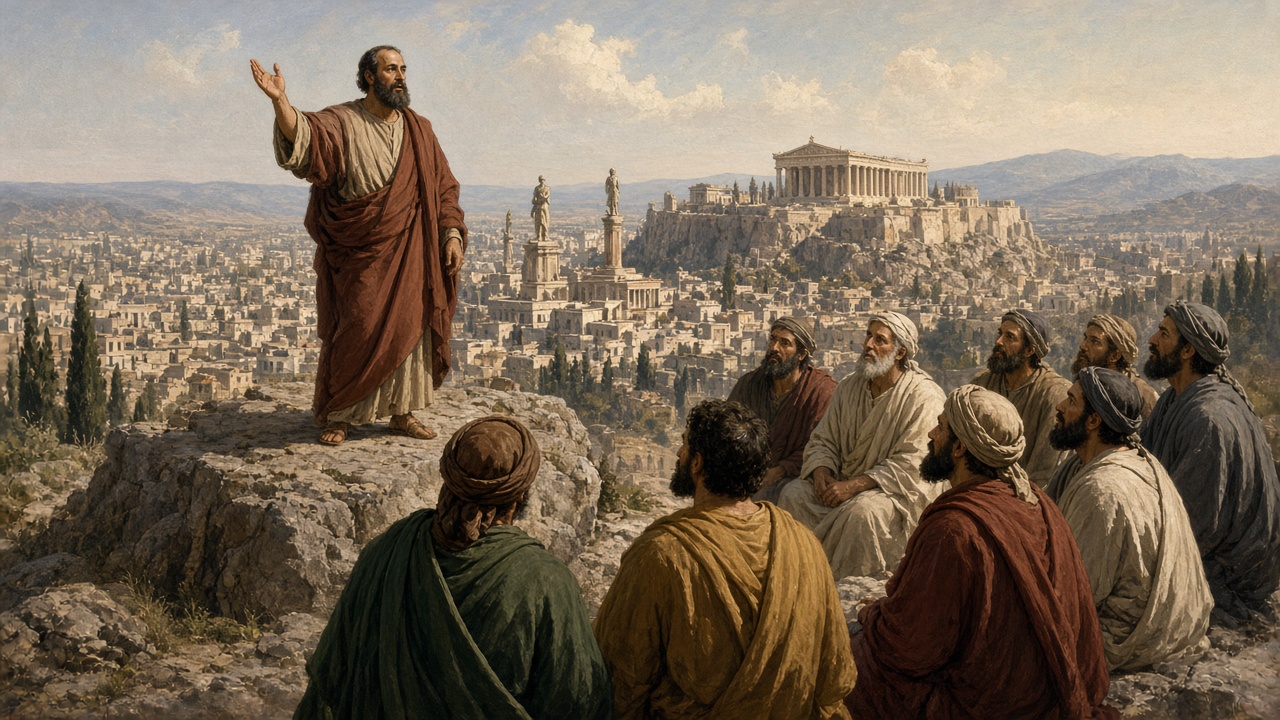
16Mgbe Pọl nọ na-echere ha nʼAtens, o wutere mmụọ ya nke ukwuu nʼihi arụsị niile ọ hụrụ, nke jupụtara nʼobodo ahụ. 17Nʼihi nke a, ya na ndị Juu na ndị na-atụ egwu Chineke, na-anọgide nʼụlọ nzukọ na-arụrịta ụka. Kwa ụbọchị, ọ na-apụkwa nʼọma ahịa na-agwa ndị niile o zutere okwu. 18Ya na ụfọdụ ndị Epikuri na ndị Stoịk bụ ndị ọkachamara na-arụrịta ụka. Ndị ụfọdụ na-asị, “gịnị ka onye ekwurekwu a ga-ekwu?” Ndị ọzọ sịrị, “ọ dịka onye na-ekwusa ụmụ mmụọ ndị ala ọzọ.” Ha kwuru nke a nʼihi na ọ na-ekwusa oziọma banyere Jisọs na mbilite nʼọnwụ ya. 19Ha kpọbatara ya nʼebe ha zukọrọ, ebe a na-akpọ Areopagọs, ebe ha nọ sị ya, “Anyị enwere ike ịmata ihe banyere ozizi ọhụrụ gị a? 20Ị na-ekwu ihe ndị na-agbagwoju anyị anya. Anyị chọrọ ịmata ihe ndị a nke ọma.” 21(Ndị Atens niile na ndị ala ọzọ bi nʼobodo ahụ, enweghị ohere ime ihe ọbụla, ọ gwụchaala ọrụ ikwu na ịnụ banyere ihe dị ọhụrụ.)
22Mgbe ahụ Pọl guzoro na nzukọ Areopagọs sị, “Unu ndị Atens, ahụla m na ọ na-anụ unu ọkụ nʼobi ịsọpụrụ mmụọ nke unu na-efe ofufe. 23Nʼihi na mgbe m na-ejegharị nʼobodo unu, ahụrụ m ụlọ chi dị iche iche, ahụrụ m otu ebe ịchụ aja nke e dekwasịrị nʼelu ya:
Ihe e nyere chi nke amaghị ama.
Ya mere, ihe ahụ unu na-efe ofufe nʼamaghị ama nke a ka m na-ekwusara unu.
24“Chineke onye kere ụwa na ihe niile dị nʼime ya. Ebe ọ bụ onye nwe eluigwe na ụwa, ọ dịghị ebikwa nʼụlọnsọ e jiri aka wuo. 25Otu aka ahụ, ọ dịghị anara ije ozi site nʼaka mmadụ, dịka a ga-asị na o nwere ihe kọrọ ya. Ya onwe ya na-enye ndụ na ume na ihe niile. Ọ na-egbokwa mkpa niile. 26O sitere nʼaka otu onye, bụ mmadụ mbụ ahụ, kee agbụrụ niile nke mmadụ nʼotu nʼotu, ka ha biri nʼelu ụwa dum. O jiri aka ya kewachaa oge ọgbọ ọbụla ga-anọ na oke niile nke ebe obibi ha. 27Ma nzube ya banyere ihe niile bụ ka onye ọbụla chọsie Chineke ike. Eleghị anya, mmadụ nwere ike lezie ụzọ ya anya, si otu a chọta ya. Ọ nọkwaghị mmadụ ọbụla nʼebe dị anya. 28‘Nʼihi nʼime ya ka anyị na-ebi, anyị na-ejegharịkwa nʼime ya na-adịkwa ndụ.’ Dịka ụfọdụ nʼime unu ndị ode abụ na-ekwu sị, ‘Anyị onwe anyị bụ ụmụ ya.’
29“Ebe anyị bụ ndị Chineke mụrụ, o kwesighị ka anyị na-eche na ihe akpọrọ Chineke yiri ọlaọcha maọbụ ọlaedo, maọbụ nkume, ihe apịrị apị site na ǹka na ihe dị nʼobi mmadụ. 30Ma Chineke lefuru enweghị nghọta nke mmadụ anya banyere ihe ndị a niile nʼoge gara aga. Ma ugbu a, ọ chọrọ ka mmadụ niile chegharịa. 31Nʼihi na o debela otu ụbọchị mgbe ọ ga-ekpe ụwa niile ikpe nʼụzọ ezi omume, site nʼaka otu nwoke ọ họpụtara. O mekwara ka nke a guzosie ike, mgbe o mere ka onye ahụ sị nʼọnwụ bilie.”
32Mgbe ha nụrụ ihe banyere mbilite nʼọnwụ nke ndị nwụrụ anwụ, ha chịrị ya ọchị. Ma ụfọdụ nʼime ha sịrị, “Nʼoge ọzọ anyị ga-achọ ịnụ okwu ndị a.” 33Nʼoge a, Pọl hapụrụ ha. 34Mmadụ ole na ole sooro ya, bụrụkwa ndị kwere ekwe. Otu onye nʼime ha bụ Dionisiọs onye Areopagọs. Onye ọzọ bụ nwanyị a na-akpọ Damaris na ndị ọzọkwa.
Você sabia?
Da sinagoga ao Areópago
- Tessalônica era uma cidade grande e populosa à beira do golfo Termaico, capital de um dos quatro distritos romanos da Macedônia, governada por um pretor. Jasom hospedou Paulo e Silas ali; uma multidão invadiu sua casa e, como os dois não foram encontrados, Jasom e alguns outros irmãos foram arrastados perante as autoridades da cidade. Foram acusados de acolher homens que desrespeitavam os decretos de César e falavam de outro rei, Jesus, e as autoridades só os soltaram depois de receber fiança.Fontes: Thessalonica · Jason · o próprio texto bíblico
- Atenas, capital da Ática, era celebrada como sede da literatura e da arte gregas, e seus habitantes gostavam de novidades e se destacavam pelo zelo no culto aos deuses. Um satírico romano dizia que era mais fácil encontrar um deus em Atenas do que um homem. O Areópago, colina rochosa a noroeste da Acrópole, era o lugar onde funcionavam o tribunal supremo ateniense e o tribunal dos costumes, e Paulo proferiu o discurso deste capítulo de algum ponto dessa colina.Fontes: Athens · Areopagus · o próprio texto bíblico
- Paulo e Silas chegaram a Tessalônica só depois de passar por Anfípolis, cidade macedônia e grande estação militar romana, a trinta e três milhas romanas de Filipos, e por Apolônia, a cerca de trinta e seis milhas de Tessalônica. Quando a agitação os seguiu até Bereia, outra cidade da Macedônia, os irmãos enviaram Paulo ao litoral, e os que o escoltaram o levaram até Atenas. Silas e Timóteo ficaram em Bereia, com a instrução de se juntar a Paulo assim que pudessem.Fontes: Amphipolis · Apollonia · Berea · o próprio texto bíblico
Notas escritas com auxílio de IA a partir de fontes abertas (Theographic Bible Metadata, CC BY-SA 4.0; Easton’s Bible Dictionary, domínio público) e revisadas antes de publicar.
Lugares deste capítulo
- Amphipolis · 40.820, 23.847 · versículo 1
- Apollonia · 40.624, 23.470 · versículo 1
- Thessalonica · Hoje: Thessaloniki · 40.638, 22.946 · versículos 1, 11, 13
- Berea · Hoje: Veria · 40.518, 22.200 · versículos 10, 11, 13, 14, 15
- Athens · 37.972, 23.727 · versículos 15, 16, 21, 22
- Areopagus · 37.972, 23.724 · versículos 19, 22, 33
Só aparecem lugares com identificação de alta confiança (90% ou mais segundo as fontes acadêmicas reunidas pelo OpenBible). Mapa da época: DARE (Digital Atlas of the Roman Empire), CC BY 4.0; mapa atual: © colaboradores do OpenStreetMap; lugares: OpenBible.info (CC BY 4.0).
Créditos e licença desta tradução
Biblica® Baịbụlụ Nsọ nʼIgbo Ndị Ugbu a nke dịrị onye ọbụla ịgụ The Holy Bible in the Igbo language of Nigeria: Biblica® Baịbụlụ Nsọ nʼIgbo Ndị Ugbu a nke dịrị onye ọbụla ịgụ copyright © 2020 Biblica, Inc. Language: Igbo Contributor: Biblica, Inc. This work is made available under the Creative Commons Attribution-ShareAlike 4.0 International License (CC BY-SA). To view a copy of this license, visit http://creativecommons.org/licenses/by-sa/4.0 or send a letter to Creative Commons, PO Box 1866, Mountain View, CA 94042, USA. Biblica® is a trademark registered by Biblica, Inc., and use of the Biblica® trademark requires the written permission of Biblica, Inc. Under the terms of the CC BY-SA license, you may copy and redistribute this unmodified work as long as you keep the Biblica® trademark intact. If you modify a copy or translate this work, thereby creating a derivative work, you must remove the Biblica® trademark. On the derivative work, you must indicate what changes you have made and attribute the work as follows: “The original work by Biblica, Inc. is available for free at www.biblica.com and open.bible.” Notice of copyright must appear on the title or copyright page of the work as follows: Biblica® Baịbụlụ Nsọ nʼIgbo Ndị Ugbu a nke dịrị onye ọbụla ịgụ Ndị Biblica, Inc. degharịrị ya nʼafọ © 1980, 1988, 2019, 2020 Biblica® Open Igbo Contemporary Bible™ Copyright © 1980, 1988, 2019, 2020 by Biblica, Inc. “Biblica” bụ akara e ji mara ụlọ ọrụ a, nke edebanyere dịka iwu si kwado nʼụlọ ọrụ dị nʼobodo United States, ebe a na-enye akara a na ikike maka azụm ahịa ndị Biblica, Inc. Ọ bụ ha ka e nyere ikike idenye ya. “Biblica” is a trademark registered in the United States Patent and Trademark Office by Biblica, Inc. Used with permission. You must also make your derivative work available under the same license (CC BY-SA). If you would like to notify Biblica, Inc. regarding your translation of this work, please contact us at https://open.bible/contact-us. This translation is made available to you under the terms of the Creative Commons Attribution Share-Alike license 4.0. You have permission to share and redistribute this Bible translation in any format and to make reasonable revisions and adaptations of this translation, provided that: You include the above copyright and source information. If you make any changes to the text, you must indicate that you did so in a way that makes it clear that the original licensor is not necessarily endorsing your changes. If you redistribute this text, you must distribute your contributions under the same license as the original. Pictures included with Scriptures and other documents on this site are licensed just for use with those Scriptures and documents. For other uses, please contact the respective copyright owners. Note that in addition to the rules above, revising and adapting God's Word involves a great responsibility to be true to God's Word. See Revelation 22:18-19. 2023-04-12
Fonte: http://ebible.org/ibo/ · eBible.org