2 Coríntios 7
Biblica® Baịbụlụ Nsọ nʼIgbo Ndị Ugbu a nke dịrị onye ọbụla ịgụ · Toque num versículo para ver as referências cruzadas.
1Ya mere, ndị enyi m, ebe anyị nwere nkwa ndị a niile, ka anyị debe onwe anyị ọcha nʼime ihe niile ọbụla nke na-emerụ ahụ anyị na mmụọ anyị. Ka anyị mezuo ịdị nsọ nʼịtụ egwu Chineke.
Ihe na-enye Pọl obi ụtọ
2Megheenụ obi unu nabata anyị, nʼihi na o nweghị onye ọbụla nʼetiti unu anyị mere ihe ọjọọ. O nwekwaghị onye anyị duhiere. Ọ dịkwaghị onye ọbụla anyị rigburu. 3Anaghị m ekwu ihe ndị a ka m maa unu ikpe, dịka m kwuburu na mbụ, na anyị bu unu nʼobi anyị, ịdịkọ ndụ, maọbụ ịnwụkọkwa ọnwụ nʼotu. 4Nkwuwa okwu m ji gwa unu okwu dị ukwuu; ịnya isi m nʼihi unu dịkwa ukwuu. Abụ m onye a gbara ume nʼebe ọ dị ukwu, nʼime ọnọdụ ahụhụ anyị niile, ana m aṅụrịbiga ọṅụ oke.
5Nʼihi na mgbe anyị batara Masidonia, anyị enweghị izuike ma ọlị. Kama mkpagbu si nʼaka nri na aka ekpe bịakwute anyị, ọgụ nʼezi, egwu nʼime. 6Ma otu ọ dị, Chineke, onye na-agba ndị ike gwụrụ ume, gbara anyị ume site nʼọbịbịa Taịtọs. 7Ọ bụkwaghị naanị nʼihi na ọbịbịa ọ bịara nyere anyị obi ụtọ, kama akụkọ o ji bịa, gbasara otu unu si gbaa ya ume, gwakwa anyị otu unu si na-ele anya ịhụ m, na otu unu si na-eru ụjụ nʼihi ihe niile mere, na otu unu si guzosie ike nʼukwu m, na ụdị ịhụnanya unu nwere nʼebe m nọ, obi tọrọ m ụtọ nke ukwuu.
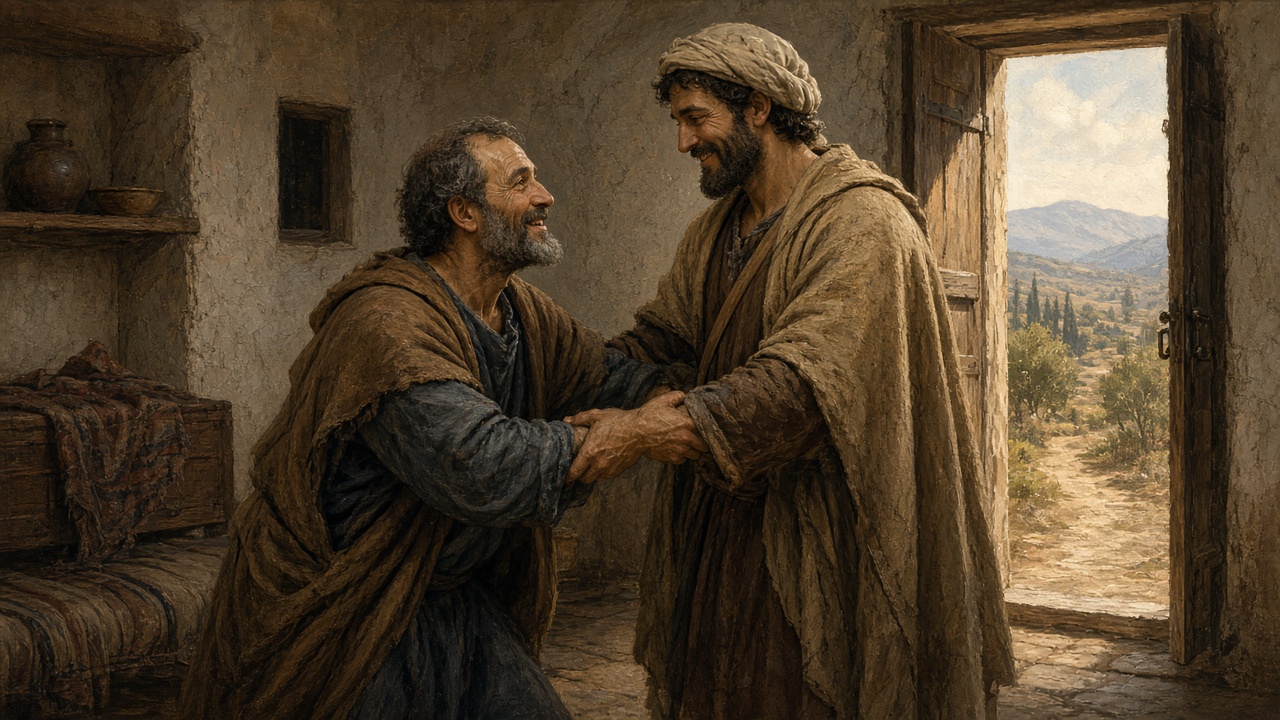
8Ọ naghị ewutekwa m ugbu a na m deere unu akwụkwọ ahụ, ọ bụ ezie na o wutere m mgbe ahụ m na-ede ya, nʼihi na amaara m na ọ ga-ewetara unu obi ọjọọ mgbe unu gụrụ ya. Ma obi ọjọọ ahụ abụrụla naanị nke nwa oge nta. 9Ma ugbu a ana m aṅụrị ọṅụ na m dere akwụkwọ ahụ. Ọ bụghị nʼihi na ọgụgụ ya wetaara unu obi ọjọọ, kama ọ bụ nʼihi na mwute o wutere unu emeela ka unu chegharịa. Ụdị mwute unu nwere bụ ụdị mwute Chineke chọrọ ka ndị nke ya nwee. Ya mere, o nweghị ihe ọjọọ bịakwasịrị unu nʼihi akwụkwọ anyị deere unu. 10Nʼihi na iru ụjụ otu Chineke chọrọ na-eweta nchegharị nke na-eduba mmadụ na nzọpụta, bụ nchegharị nke a na-apụghị ịkwa ụta banyere ya. Ma iru ụjụ dịka ụwa si eme na-eweta ọnwụ. 11Leenụ ihe Chineke rụpụtara site nʼihe mwute dakwasịrị unu. Ugbu a, unu abụrụla ndị ọ na-anụ ọkụ nʼobi na ndị jikeere izi anyị na aka unu abụọ dị ọcha. Lee otu unu si zi iwe unu, otu unu si zikwa na ihe ahụ wutere unu. Lee otu unu si tụọ ụjọ ihe mmehie ahụ nwere ike iwetara unu. Leekwanụ otu unu si mee ihe niile igosi na unu kwagidere m. Leekwanụ otu unu si nye onye ahụ mere mmehie ahụ ntaramahụhụ ngwangwa. Unu egosila na aka unu dị ọcha nʼokwu ndị a niile. 12Ọ bụ ezie na m deere unu akwụkwọ ahụ, ma edeghị m ya nʼihi onye ahụ mehiere, maọbụ nʼihi onye ahụ e mehiere megide. Kama edere m ya ime ka Chineke gosi unu otu ihe gbasara anyị si na-anụ unu ọkụ nʼobi. 13Nʼụzọ niile ndị a, anyị bụ ndị a gbara ume site nʼịhụnanya unu nwere nʼebe anyị nọ.
A gbara anyị ume karịa site na ịhụ ọṅụ Taịtọs nʼihi nnabata unu nabatara, na otu unu si mee ka mmụọ ya zuru ike mgbe ọ bịakwutere unu. 14Nʼihi na tupu ọ hapụ anyị bịakwute unu, anyara m isi nʼihu ya banyere unu; ugbu a, obi dị m ụtọ nke ukwuu nʼihi na unu emeghị ka ihere mee m. Anyị ekwuola eziokwu nye unu. Ugbu a, ịnya isi m nʼebe Taịtọs nọ egosila na anyị bụ ndị eziokwu. 15Ugbu a, ịhụnanya o nwere nʼebe unu nọ na-aba ụba nke ukwuu, nʼihi ncheta ọ na-echeta otu unu niile si jiri ọṅụ gee ya ntị na otu unu si jiri ịtụ egwu na ahụ ịma jijiji nabata ya. 16Nke a na-enyekwa m obi ụtọ nʼihi na enwere m ntụkwasị obi nʼebe unu nọ nʼime ihe niile.
Você sabia?
Consolo depois de uma carta dolorosa
- A Macedônia, onde Paulo diz que chegou sem descanso no corpo — conflitos por fora e temores por dentro —, era uma província romana ao norte da Grécia. Ali, ele escreve, o Deus que consola os abatidos o consolou com a chegada de Tito.Fontes: Macedonia · o próprio texto bíblico
- Paulo fala de uma carta que os entristeceu, mas só por pouco tempo. Agora ele se alegra não porque ficaram tristes, mas porque essa tristeza os levou ao arrependimento; diz que sentiram a tristeza que Deus havia disposto, não foram prejudicados por ele e mostraram empenho, zelo e inocência naquele assunto.Fontes: o próprio texto bíblico
- Um breve relato descreve Tito como companheiro de Paulo, aparentemente um gentio que se dedicava sobretudo a ministrar aos gentios. Neste capítulo, Paulo diz que a chegada de Tito o consolou, que Tito contou a saudade, o pranto e o zelo deles, e que receberam Tito com temor e tremor.Fontes: Titus · o próprio texto bíblico
Notas escritas com auxílio de IA a partir de fontes abertas (Theographic Bible Metadata, CC BY-SA 4.0; Easton’s Bible Dictionary, domínio público) e revisadas antes de publicar.
Lugares deste capítulo
- Macedonia · 41.600, 22.540 · versículo 5
Só aparecem lugares com identificação de alta confiança (90% ou mais segundo as fontes acadêmicas reunidas pelo OpenBible). Mapa da época: DARE (Digital Atlas of the Roman Empire), CC BY 4.0; mapa atual: © colaboradores do OpenStreetMap; lugares: OpenBible.info (CC BY 4.0).
Créditos e licença desta tradução
Biblica® Baịbụlụ Nsọ nʼIgbo Ndị Ugbu a nke dịrị onye ọbụla ịgụ The Holy Bible in the Igbo language of Nigeria: Biblica® Baịbụlụ Nsọ nʼIgbo Ndị Ugbu a nke dịrị onye ọbụla ịgụ copyright © 2020 Biblica, Inc. Language: Igbo Contributor: Biblica, Inc. This work is made available under the Creative Commons Attribution-ShareAlike 4.0 International License (CC BY-SA). To view a copy of this license, visit http://creativecommons.org/licenses/by-sa/4.0 or send a letter to Creative Commons, PO Box 1866, Mountain View, CA 94042, USA. Biblica® is a trademark registered by Biblica, Inc., and use of the Biblica® trademark requires the written permission of Biblica, Inc. Under the terms of the CC BY-SA license, you may copy and redistribute this unmodified work as long as you keep the Biblica® trademark intact. If you modify a copy or translate this work, thereby creating a derivative work, you must remove the Biblica® trademark. On the derivative work, you must indicate what changes you have made and attribute the work as follows: “The original work by Biblica, Inc. is available for free at www.biblica.com and open.bible.” Notice of copyright must appear on the title or copyright page of the work as follows: Biblica® Baịbụlụ Nsọ nʼIgbo Ndị Ugbu a nke dịrị onye ọbụla ịgụ Ndị Biblica, Inc. degharịrị ya nʼafọ © 1980, 1988, 2019, 2020 Biblica® Open Igbo Contemporary Bible™ Copyright © 1980, 1988, 2019, 2020 by Biblica, Inc. “Biblica” bụ akara e ji mara ụlọ ọrụ a, nke edebanyere dịka iwu si kwado nʼụlọ ọrụ dị nʼobodo United States, ebe a na-enye akara a na ikike maka azụm ahịa ndị Biblica, Inc. Ọ bụ ha ka e nyere ikike idenye ya. “Biblica” is a trademark registered in the United States Patent and Trademark Office by Biblica, Inc. Used with permission. You must also make your derivative work available under the same license (CC BY-SA). If you would like to notify Biblica, Inc. regarding your translation of this work, please contact us at https://open.bible/contact-us. This translation is made available to you under the terms of the Creative Commons Attribution Share-Alike license 4.0. You have permission to share and redistribute this Bible translation in any format and to make reasonable revisions and adaptations of this translation, provided that: You include the above copyright and source information. If you make any changes to the text, you must indicate that you did so in a way that makes it clear that the original licensor is not necessarily endorsing your changes. If you redistribute this text, you must distribute your contributions under the same license as the original. Pictures included with Scriptures and other documents on this site are licensed just for use with those Scriptures and documents. For other uses, please contact the respective copyright owners. Note that in addition to the rules above, revising and adapting God's Word involves a great responsibility to be true to God's Word. See Revelation 22:18-19. 2023-04-12
Fonte: http://ebible.org/ibo/ · eBible.org