Mateus 8
Hona Bible · Toque num versículo para ver as referências cruzadas.
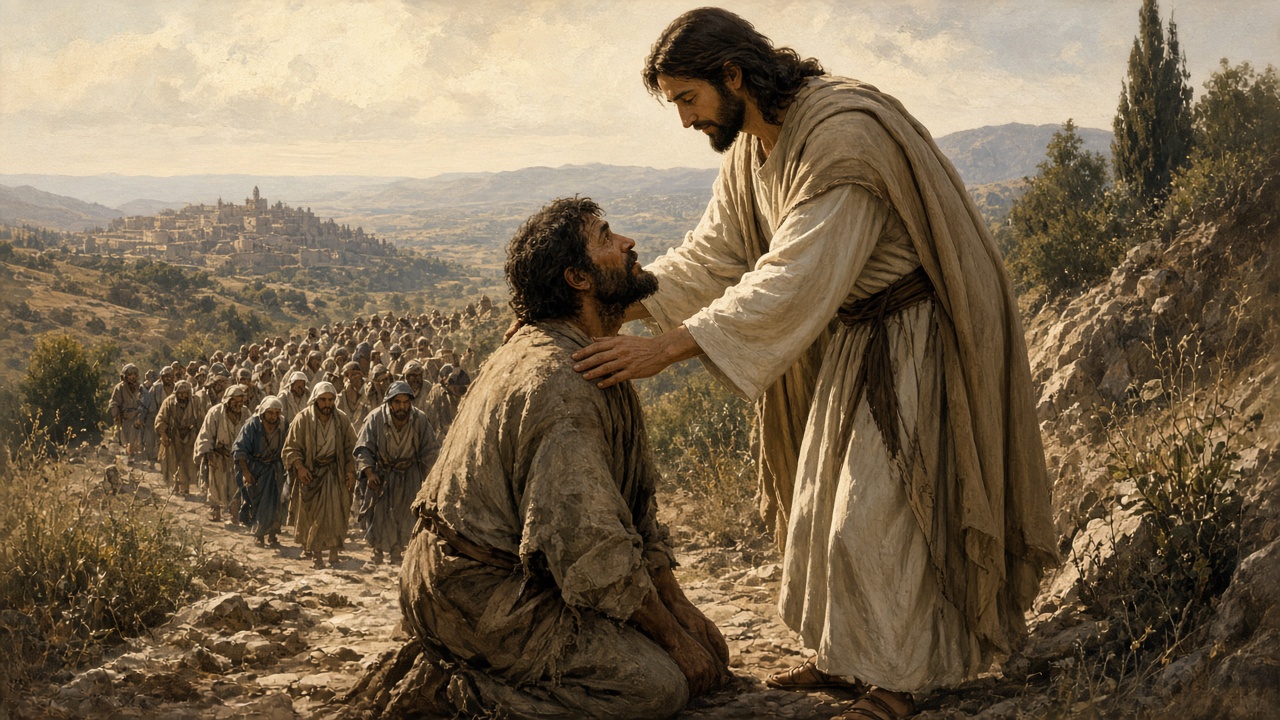
Tsaɓang Yeeso niifa ɗǝ na tǝ wanhad termeerha
1Tǝrna Yeeso hai a wumnda, takkwagha fiya ndǝn hangga. 2Na niifa sǝ na tǝ wanhad termeerha fa, nanǝn Yeeso ɗǝgha thlǝmadghǝn ɗǝ, ɓǝrgha hai a mbedghǝn hwanggǝn nǝn ndanggǝn, “Chinǝm, a nggǝmna fa na mbang tsaɓeeɗǝ.” 3Tǝrgha Yeeso fǝr harghǝnǝn ɗǝ tsuwarghǝnǝn fa ndanggǝn, “Nggǝmɗi fa a tsaɓana ɗǝ. Tsaɓuɗǝ!” A mbǝɗi tsu kee, termedɗi ndǝkka hai tǝghǝn. 4Tǝrgha ƙǝsgha Yeeso thlǝmadghǝn ndanggǝn, “A pǝrang nan niifa wa, amma ɗuwaɗǝ kyaɗang fadwa firis na sa nǝn. A ǝno sataka tǝna fiya sǝndasǝ tsabnaɗǝ kǝla ndana ngyakhrha Musa.”
Yeeso ƙǝnang ɗǝ mafad mamnda sodja Romaya
5Kyana Yeeso Kafarnahum hai, ɓagha mamnda sodja Romaya thlǝmadghǝn ɓa hwanggǝn nǝn ndanggǝn, 6“Chinǝm, mafadna kalth a wuri mbǝ kanglang wa, mǝr fadghǝn hai nǝghǝn a sǝsarha kaan.” 7Ndangga Yeeso, “Niya ɗǝrhaɗǝ ɗi ƙǝnang nda.”
8Tǝrgha mamnda sodja Romaya nggǝmanggǝn Yeeso ndanggǝn, “Chinǝm, tsǝkki na a ɓana minda kyana ɓa wa, amma a nggǝmna fa kalu sǝ kee a mbǝɗi na nana na mafanna a ƙǝnda. 9Ƙǝsǝr nggi niyi akamu ngyakhrha niifa, ƙǝmɗa tǝ sodjaya a kamuna. Ni ndangnda yanɗiya, ‘ɗuwaɗǝ’, nǝn ɗǝrhaɗǝ; yanɗi taarha ƙǝm ndanggi ˈɓoɓaˈ, nǝn a ɓarha ɓa, ndanggi mafanna, ǝno kiya, ǝnagha ƙǝla ndangni.”
10Sǝkna Yeeso ndǝn kee, wulangga teena. Kyahargha hai ndanggǝn nafini na a mbu samadghǝn, “Niya ndang nda kun, ahur Isǝreela ˈwawi wal niifa tǝ fǝrƙǝkafek fa tǝ kanglanggirha ƙǝla yanɗiya wa.” 11“Niya ndang nda kun, fiya hangga na a ɓarha ɓa a man kyad yanfaara tǝ man hǝmndǝghǝn, na nda a tǝr mbǝd tsawud ndan tǝ Ibrahim, tǝ Ishaku tǝ Yakubu ahu wutsǝfayidɗi hu Kutǝryid Talara. 12Amma Isǝreelaya hangga kya nanda ǝna Kutǝryidɗi ka kanda, nanda a muwang kanda ahu wula ɗǝ, a mbǝɗani na nanda a tǝrha sǝ tǝ ƙǝt mee.” 13Tǝrgha ndangga Yeeso mamnda sodja Romadɗi, “Wuɗu wureeɗǝ, ka fǝrƙǝkafekkid wa ni ǝnagha ndǝn katǝra nǝn hai kee.” Mafadɗi keeghǝn ƙǝngga mǝmǝlla sayidɗi wu.
Ƙǝnang Yeeso fiya hangga
14Sǝlna Yeeso a minda ki Mbiturus ɗǝ, ɗǝgha wal thlaɓǝr Mbiturus tǝnuwunda fadghǝn ɓee kalth hu sǝra. 15Tsuwargha Yeeso harghǝn fa, ƙǝngga. Tǝrgha thliigha sǝ fǝrang ǝnnarhami nǝn. 16Tsǝna figrha hai, nafiya natǝ ǝnkaheeya fa hangga ɓa nda tǝ kanda thlǝmad Yeeso ɓa. Kyanggǝn ǝnkaheeyina sǝ tǝ mee kee, tǝ ƙǝm ƙǝnanggǝn haaya heu. 17Ənanǝn ǝnɗiya ka a lǝghǝdgha laɓarɗi thlǝkna Chinǝm tǝ mii annabi Ishaya, ndanǝn:
“Tǝrang ɗǝ ɓeerha fayi nǝm,
tǝ ƙǝm ƙǝɗanggǝn wanhayi nǝm ɗǝ.”
Pǝɗayid mbu samad Yeeso
18Ƙǝlang na Yeeso fiya wumngga thlǝmadghǝn ɓa, ndanggǝn fatsahayighǝn a ɗǝnda pǝm wuri aama Nggalili ɗǝ. 19Tǝrgha tal ahur famalǝmngya ngyakhrha Musa ndanggǝn, “Mala, niya mbusamad wa kala mbǝrha na a ɗǝrha saaɗǝ.”
20Nggǝrangga Yeeso sǝ, “Tsarwaya tǝ kwandan sǝ, wuɗikkya na hu ɓereurha tǝ ƙǝndan sǝ, amma Wan Niifa mbǝ mbǝdghǝn sǝ ko na a ɗǝfanggǝn tenggǝn sahai wa.”
21Tal ahur fatsahayighǝn ndanggǝn, “Chinǝm, malee ˈwan wuɗi wureeɗǝ ɗi pangnda pǝpa.”
22Amma ndangga Yeeso, “Mbuwu samanna nanǝnya! Malang mǝrya pang ngganda mǝrrǝndan.”
Yanang Yeeso ɓereu ˈyaara
23Tǝrgha Yeeso kyagha hu kombuwol hai katǝranggǝn tǝɗang wuri aamɗi teena tǝ fatsahayighǝn. 24Kula sǝndǝndan sǝ, ɓagha ɓereu ˈyaara ɓa na kanglang ahu wuri aam ɗaɓa katǝrangga aamɗi kuɗufulla hai nagha aama a pisha ahur kombuwol ɗa hai. Amma tǝrang ɓeena Yeeso ɗǝ. 25Ɗǝgha fatsahayighǝn ɗǝ mekhneng ngganda sǝ ndang ngganda, “Chinǝm, hǝrghang ƙǝm! Nǝm a hwaarha ɗǝ!”
26Amma nggǝrangga Yeeso kanda sǝ, “Kama nun a tǝrǝmnda? Ƙǝɗi fǝrƙǝkafekkid nun!” Tǝrgha thliigha sǝ yanaggǝn ɓereuɗi tǝ kuɗufulla aamɗi, nggasgha mbǝrha hai.
27Ƙǝsangga ǝnwulteena fatsahayighǝn tsakhmee nda, “Tur niif wunni ya? Ko ɓereurha ni tǝ kuɗufulla aama na nda a takkwa ˈya ndanǝn!”
Ƙǝnang Yeeso nafiya sǝri na tǝ ǝnkaheeya fa
28Sǝlna Yeeso a pǝm wuri aam ɗaɗǝ, na a man ki chehweed Nggadaraya, nafiya sǝri na tǝ ǝnkaheeya fa ɓa nda thlǝmadghǝn ɓa. Ɓagha nda ɓa a mbǝd ten kwaya, mbǝ niifa sǝ na mbang mbǝraɗǝ tǝ mbǝɗi wa, ƙǝsǝr tsau nda ǝn tǝrǝmnda. 29Katǝrang ngganda huhwang nda hai na nda a ndaarha, “Ma djiɗoyiwa tǝ kan, Wan Faara? Ɓana ɓa ka a sǝsangga kan kapa na far ngwa kumad nan tsǝrha hai wa?”
30Tsau tǝ mbǝɗi na ƙǝlengarya sǝ na a lafrha. 31Hwangga ǝnkaheeyini Yeeso, “A kyang na kan sǝ, ɗang kan ahur chiɓǝd ƙǝlengaryina ɗǝ taarha.”
32Ndanggǝn kanda, “Ɗaama ɗǝ!” Nanǝn kee kya nda sǝ ɗǝnda ahur ƙǝlengaryina ɗǝ. Chiɓǝd ƙǝlengaryini kahat ɗaa nda ahur wuri aam ɗaɗǝ hwaa nda ɗǝ.
33Nafini na a laf ƙǝlengaryini ɗaa nda hur tala ɗǝ pǝr ǝnɗa nda katǝragha hai heu, tǝ ƙǝm ǝnɗi katǝragha hai tǝ nafini sǝri na tǝ ǝnkaheeya fa. 34Tǝrgha nafiya hur talɗi heu kya nda ɓa ka ɓa nda na Yeeso. Na nanda Yeeso hwanggǝnda a mal chehweed ndan nǝn.
Você sabia?
Curas, fé e o mar
- Cafarnaum, cidade em que Jesus entra neste capítulo, era uma cidade da Galileia que não aparece no Antigo Testamento. O Easton's Bible Dictionary (1897) diz que ela se tornou a “sua própria cidade” depois que ele deixou Nazaré, e inclui o pedido do centurião e a cura na casa de Pedro entre os acontecimentos ali situados.Fontes: Capernaum · o próprio texto bíblico
- Jesus diz que muitos virão do oriente e do ocidente para participar do banquete com Abraão, Isaque e Jacó no reino dos céus. O Easton's Bible Dictionary (1897) apresenta Abraão como filho de Terá e herdeiro das promessas, Isaque como o único filho de Abraão com Sara, e Jacó — também chamado Israel — como o filho gêmeo mais novo de Isaque e Rebeca.Fontes: o próprio texto bíblico · Abraham · Isaac · Jacob (Israel)
- Mateus apresenta as curas daquela noite como cumprimento do que foi dito por meio do profeta Isaías: “Ele tomou as nossas enfermidades e carregou as nossas doenças.” O Easton's Bible Dictionary (1897) identifica Isaías como filho de Amoz, que profetizou nos reinados de Uzias, Jotão, Acaz e Ezequias.Fontes: o próprio texto bíblico · Isaiah
Notas escritas com auxílio de IA a partir de fontes abertas (Theographic Bible Metadata, CC BY-SA 4.0; Easton’s Bible Dictionary, domínio público) e revisadas antes de publicar.
Lugares deste capítulo
- Gadara · Hoje: Umm Qais · 32.656, 35.679 · versículo 28
Só aparecem lugares com identificação de alta confiança (90% ou mais segundo as fontes acadêmicas reunidas pelo OpenBible). Mapa da época: DARE (Digital Atlas of the Roman Empire), CC BY 4.0; mapa atual: © colaboradores do OpenStreetMap; lugares: OpenBible.info (CC BY 4.0).
Créditos e licença desta tradução
Hona Bible
The New Testament in the Hwana language of Nigeria: Hona Bible
copyright © 2023 The Seed Company in collaboration with Language Developers and Bible Translators Association
Language: Hona (Hwana)
Contributor: Language Developers and Bible Translators
This translation is made available to you under the terms of the
Creative Commons Attribution Share-Alike license 4.0.
You have permission to share and redistribute this Bible translation in any format and to make reasonable revisions and adaptations of this translation, provided that:
You include the above copyright and source information.
If you make any changes to the text, you must indicate that you did so in a way that makes it clear that the original licensor is not necessarily endorsing your changes.
If you redistribute this text, you must distribute your contributions under the same license as the original.
Pictures included with Scriptures and other documents on this site are licensed just for use with those Scriptures and documents.
For other uses, please contact the respective copyright owners.
Note that in addition to the rules above, revising and adapting God's Word involves a great responsibility to be true to God's Word. See Revelation 22:18-19.
2025-07-18
Fonte: http://ebible.org/hwo/ · eBible.org