Efésios 6
Hona Bible · Toque num versículo para ver as referências cruzadas.
Tsawud wundakhnaya tǝ fa nggǝtyindan
1Kun wundakhnaya, tǝraman shilee fa nggǝtyinun teena ƙǝsǝr kun yi Chinǝm ni, ƙǝsǝr ndǝna mǝmǝl. 2Ngyakhrha yi tal ǝna nanda tǝ ɗǝfmee ndǝghǝn, “Tǝrang shilee nda muwa tǝ tsu teena, 3tǝna tsawud nun naarha ngga, tǝ ƙǝm na yiɓǝd nun a naarha dzang hu ƙǝshiirha.” 4Kun chingya, a sǝɓang ɗun hur wangginun ɗǝ wa; a meyedghǝn, ƙǝraman kanda sǝ hu kwamana na ngga, tǝ ƙǝm tsaha man laɓar Chinǝm kanda ha.
Mafaya tǝ tuwurayindan
5Kun mafaya, tǝraman shilee tuwurayinun teena na hu ƙǝshiirha. Fǝraman mamnggirha kanda, koma nun a ǝnaarha ǝnamadghǝn tǝ hura tǝtali, kǝla nun a ǝnang Ƙǝrǝsti. 6A fǝrang ɗun mamnggirha kanda ka tǝrǝm hu yirha tǝnǝn mbǝnang fiya wa. Amma ƙǝla mafaya yi Ƙǝrǝsti, ǝnama ˈya na mid Faara tǝ hura tǝtali. 7Ənama taara tǝ hura tǝtali, ƙǝla nun a ǝnang taara Chinǝm ni, mbǝ fiya wa. 8A sǝnunsǝ, na Chinǝm a fǝrang ƙǝnaghǝn kowunni ahur nǝm kala ˈya ǝna nǝm ngga, ko mafaya ni, nduwa nafiya na tǝ alten ndan. 9Kun tuwuraya, kunggi ma ǝnaman mafayinun kee. A naɗun a tǝrmang kanda wa. A sǝnunsǝ kun kyab na tuwuri nun tal a talara, ndǝghǝnggi kǝm mbǝ wura hasǝ wa.
Ƙǝsǝmnda Faara
10A mii ngwaladghǝn tsawama tǝ shembe ahu Chinǝm tǝ sǝsǝmnda mamnggitghǝn. 11Ngwama fa tǝ ƙǝsǝmnda yanda yi Faara fǝrang nǝn kun, tǝnun mbang pa ƙǝfarha tǝ Sheetan ana midghǝn huk kun. 12Ƙǝsǝr mbǝm a yanda yi thlu farha tǝ fara wa, amma tǝ sǝsǝn ƙǝshiid mbǝlfeeya mbuwa nǝm naarha, tǝ kutǝrya tǝ fingya na tǝ tǝ sǝsǝmnda ha, tǝ fingya na tǝ kutǝryid ƙǝshiid wula a har ndan. 13Tsaunǝn kee, kalaman ƙǝsǝmnda yanda heu yi Faara, tǝnun mbang isha a farɗi mbuwa ngga na ɓayi. A kwasamadɗi ngwalang nun yanda nun narha tǝ shembe isha ƙǝt. 14Ishama tǝ shembe, ƙǝkafek tsauka ƙǝla ǝn ƙǝn munun, nggayid Faara na ƙǝsǝm ndǝghǝn laf kun nǝn, 15na a kyad ndaarha ngwa ɗun fa ka a pǝr Laɓaara nun na Mbǝnggǝn ƙǝla pa pakhma yi tsawud ɗǝɗemnggirha. 16Ngwa tsauka fǝrƙǝkafek ƙǝsǝm ndǝnun tǝnun mbang ɓǝlang wad hafya hai na tǝ mbǝlfedɗi a chaarha ɓa. 17Tǝrama tǝtar tasau yi hǝrǝkrha, tǝ ƙǝm thlaukh ƙǝlar Sǝsǝna, ndǝna laɓar Faara. 18Hwanama Faara ƙǝtsar tǝ sǝsǝmnda Sǝsǝna. Hwanama Faara aten ǝngya ɗǝɗamǝn-ɗǝɗamǝn. Ƙǝsǝr non a ƙǝla alten nun ha ngga a sayidɗi nun a hwanda aten fatakkwaya heu. 19Nggi ƙǝm Hwaneema Faara in, tǝna Faara fǝre ˈya kamngga a thlǝyi, pǝr Laɓarghǝn ni na Mbǝnggǝn yi ǝnwulteena a fiya kula hǝrenga. 20Ƙǝsǝr ka laɓarɗi na mbǝnggǝn ya ndǝn tsauni a meyed Yeeso, ko nani hu porsǝna. Hwaneema Faara in tǝni pǝr laɓar Faara kamngga a ǝne.
Mii ngwala ndaˈya
21Tikikus, wanmanǝm nggǝm nǝm, na a ǝna taara hu kwamana na ngga a Chinǝm, Nǝn a pǝrang ˈya kun heu, tǝnun sǝn ˈya niya ǝnaarha tǝ kwamanɗi niya ǝnaghǝn. 22Thlǝnni ndǝn thlǝman nun ɗǝ ƙǝsǝr a sǝn ˈya nun nanan a hurghǝn, tǝ ƙǝm fǝrang kaali kun nǝn. 23Shayina, ngwa tsauka ɗǝɗemnggid Faara na chinɗi, tǝ Chinǝm Yeeso Ƙǝrǝsti tǝ nggǝmnda tǝ fǝrƙǝkafek tǝ kun. 24Ngwa tsauka nggayid Faara aten kowunni nggǝmngga Chinǝm Yeeso Ƙǝrǝsti tǝ nggǝmnda mbuwa tam ngwalarha. Atsaukake.
Você sabia?
Deveres da casa, a armadura de Deus e Tíquico
- Este capítulo apresenta o mandamento de honrar pai e mãe como o primeiro que vem com uma promessa: que tudo vá bem e que se tenha longa vida na terra. Também pede aos pais que não provoquem os filhos à ira, mas que os criem na disciplina e na instrução do Senhor.Fontes: o próprio texto bíblico
- O capítulo diz que a luta não é contra carne e sangue, mas contra governantes, autoridades, os poderes das trevas deste mundo e as forças espirituais do mal nas regiões celestiais. Os leitores são chamados a tomar toda a armadura de Deus — o cinto da verdade, a couraça da justiça, os pés preparados com a prontidão do evangelho da paz, o escudo da fé, o capacete da salvação e a espada do Espírito, que é a palavra de Deus — para ficarem firmes quando chegar o dia do mal.Fontes: o próprio texto bíblico
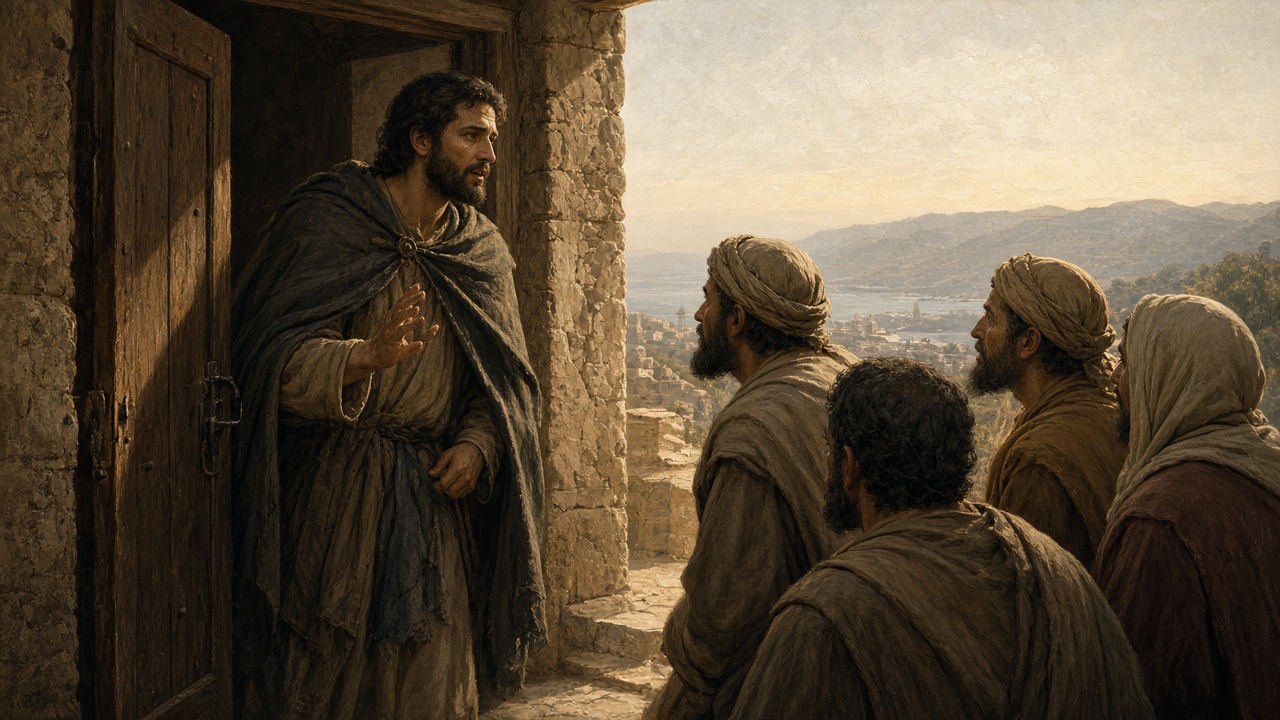
- Quem escreve pede oração para anunciar o evangelho sem medo, como embaixador em cadeias, e envia Tíquico, o irmão amado e servo fiel no Senhor, para contar aos leitores como ele está e animá-los. Tíquico é descrito como um cristão da Ásia que, com Trófimo, acompanhou Paulo em parte da viagem da Macedônia a Jerusalém e esteve com Paulo em Roma, de onde foi enviado a Éfeso, provavelmente para edificar e encorajar a igreja.Fontes: o próprio texto bíblico · Tychicus
Notas escritas com auxílio de IA a partir de fontes abertas (Theographic Bible Metadata, CC BY-SA 4.0; Easton’s Bible Dictionary, domínio público) e revisadas antes de publicar.
Créditos e licença desta tradução
Hona Bible
The New Testament in the Hwana language of Nigeria: Hona Bible
copyright © 2023 The Seed Company in collaboration with Language Developers and Bible Translators Association
Language: Hona (Hwana)
Contributor: Language Developers and Bible Translators
This translation is made available to you under the terms of the
Creative Commons Attribution Share-Alike license 4.0.
You have permission to share and redistribute this Bible translation in any format and to make reasonable revisions and adaptations of this translation, provided that:
You include the above copyright and source information.
If you make any changes to the text, you must indicate that you did so in a way that makes it clear that the original licensor is not necessarily endorsing your changes.
If you redistribute this text, you must distribute your contributions under the same license as the original.
Pictures included with Scriptures and other documents on this site are licensed just for use with those Scriptures and documents.
For other uses, please contact the respective copyright owners.
Note that in addition to the rules above, revising and adapting God's Word involves a great responsibility to be true to God's Word. See Revelation 22:18-19.
2025-07-18
Fonte: http://ebible.org/hwo/ · eBible.org