2 Coríntios 7
Hona Bible · Toque num versículo para ver as referências cruzadas.
1Tsaunǝn kee Shayina, nanǝn nǝghǝm tǝ ɗǝfmi yini ya, ƙǝl a tsawum chahal ma ǝngya mbuwa chahal na sǝɓang fad nǝm ɗǝ, tǝ sǝsǝna ƙǝm. Taama tsawum lǝlǝgɗa chahal na a fǝrang mamnggirha Faara.
Wutsǝfayid Mbulus
2Niya ndang nda kun inaman hur nun kanɗǝ. Mbǝ niifa sǝ ǝnang nan aibe fa wa, mbǝ niifa sǝ sǝɓang nan ˈya fa wa, mbǝ niifa sǝ huk nan wa. 3Ndawi kee ka a fǝrang aibe ni kun wa. Ƙǝsǝr ˈwaɗi teena pǝrang ɗi ndǝn kun nggǝm ɗan kun kaan, mbǝ ˈyasǝ na ndǝghang ƙǝm hai wa, ko hu mǝra ni, mǝrǝm kyab nduwa wal yibrha kyab. 4Nggǝmɗi fa tǝ kun kaan, niyi a taala tǝ kun kaan. Walɗi kaali kaan. Hu sǝsad nan heu niyi lǝlǝgɗa tǝ wutsǝfayirha. 5Ƙǝsǝr ko a sayidɗi ɓanan chehweed makidoniya ɓa, yib wan wa, amma wal ɓillarha kan kaan, a ƙǝshi kakyathlanga, ahur yi nan hǝreenga. 6Amma Faara, ndǝghǝn na fǝrang kaali fiya na tǝ sǝbrha hura, wal ɗan kaali tǝ ɓad Titus ɓa. 7Mbǝ ka ɓad Titus ɓa kee ndǝn nan a ǝna wutsǝfayirha wa, amma walɗǝ kaali a fad nun. Pǝrang ɗa ndǝn kan tǝ ndaarha na mid nun sǝ na nggi, tǝ sǝbrha hura ǝnanun aten ǝnggini katǝragha hai, tǝ fǝr ten nun na a ɗeewun sǝ. Ən ɗani ya nggǝrgha fǝree wutsǝfayirha kaan. 8Ƙǝsǝr ko sǝɓang ni hur nun ɗǝ hu ɗeleewar ɗi chireethleng ni kun ɗǝ, ǝnawi masǝnɗi kee tǝghǝn wa, ko nanǝn kaar ǝnaɗi masǝnɗi kee, ƙǝla ni hai ɗeleewar ɗi sǝɓang ɗǝ hur nun ɗǝ, amma yi ɓeena ni ngguchit kee. 9Nanǝnya niyi tǝ wutsǝfayirha fa, mbǝ ka sǝɓang ni hur nun ɗǝ wa, ƙǝl sǝbrha hur nun kyang ɗǝ kun hu kwamana hai. Amma sǝbrha hura ǝnanun ndǝn malang nun ɗimiyid nun, ƙǝsǝr tur yanɗa ni na mid Faara a nagha nafiyighǝn tǝghǝn fa, nanǝn kee ǝnang ngwa ˈya kun fa mbuwa ngga wa. 10Ƙǝsǝr sǝbrha hura yi tǝrǝm Faara ndǝna kyang niifa hu mal ɗimiyirha hai wal hǝrǝkrha nǝn, mbǝ masǝnɗi kee sǝ wa, amma sǝbrha hura yi ƙǝshiirha nǝn ɓang mǝrra ɓa. 11Tur yanɗi sǝbrha hura ya nǝghǝn hu kwamana na mid Faara. Ɓangga ˈya kun ɓa na ngga, kyang ɗǝ kun hu ǝna ǝngya hai na ngga, na mid nun sǝ kyaɗang nda fiya ǝnaɗun ˈya mǝmǝl. Sǝb hur nun ɗǝ aten ɗimiyirha. Na mid nun sǝ a ǝna ˈya nun ndaana Faara. Na mid nun sǝ nggǝr ǝna ˈya na ngga. Na mid nun sǝ a ǝna ˈya nun mbǝnangga Faara. Na mid nun sǝ a tsǝtsǝl kowunni nun ǝnagha aibe. A hu ǝnggini heu ya kyad ɗun ndaarha nuwun tǝ ƙǝkafek fa. Ənaɗun ǝngya heu kamngga hu palthɗiya. 12ˈYa ǝnagha ndǝn chireethleng ni kun ɗǝ, mbǝ a ten niifɗi ǝnagha aibe wa nduwa ƙǝm aten niifɗi ǝnang nanda aibe fa wa, amma a kyaɗang nggǝnda kun a mbed Faara hu fǝr alten nun a kan ǝnanun. 13Hu ǝnggini heu ya wal ɗan kaali. Hu chighǝd kaali ɗi wal nan, tǝk ɗan mbǝnda fa nanan Titus a ǝna wutsǝfayirha, ƙǝsǝr ka kun heu fǝrangga kaali, huna hurghǝn hai. 14Ƙǝsǝr ko ndang ni, niyi a taala tǝ kun, fǝree wun shilee wa. Ƙǝla ni naarha pǝrang ƙǝkafek kun, kyadɗǝ ndaarha taala niya ǝnani a tennun a Titus ƙǝkafek ni. 15Nanǝn kee nggǝmnda Titus aten nun nǝghǝn aten chikrha, kala sayidɗi nǝn ɗal teena hai tǝ kun hu mamnggirha nun fǝrang nda, tǝƙǝm thlǝnun ndǝn fa tǝ ɗa shilee hai tǝ fǝr mamnggirha kaan. 16Niyi tǝ wutsǝfayirha, ƙǝsǝr mbǝrsaɗi tǝ kun kaan.
Você sabia?
Consolo depois de uma carta dolorosa
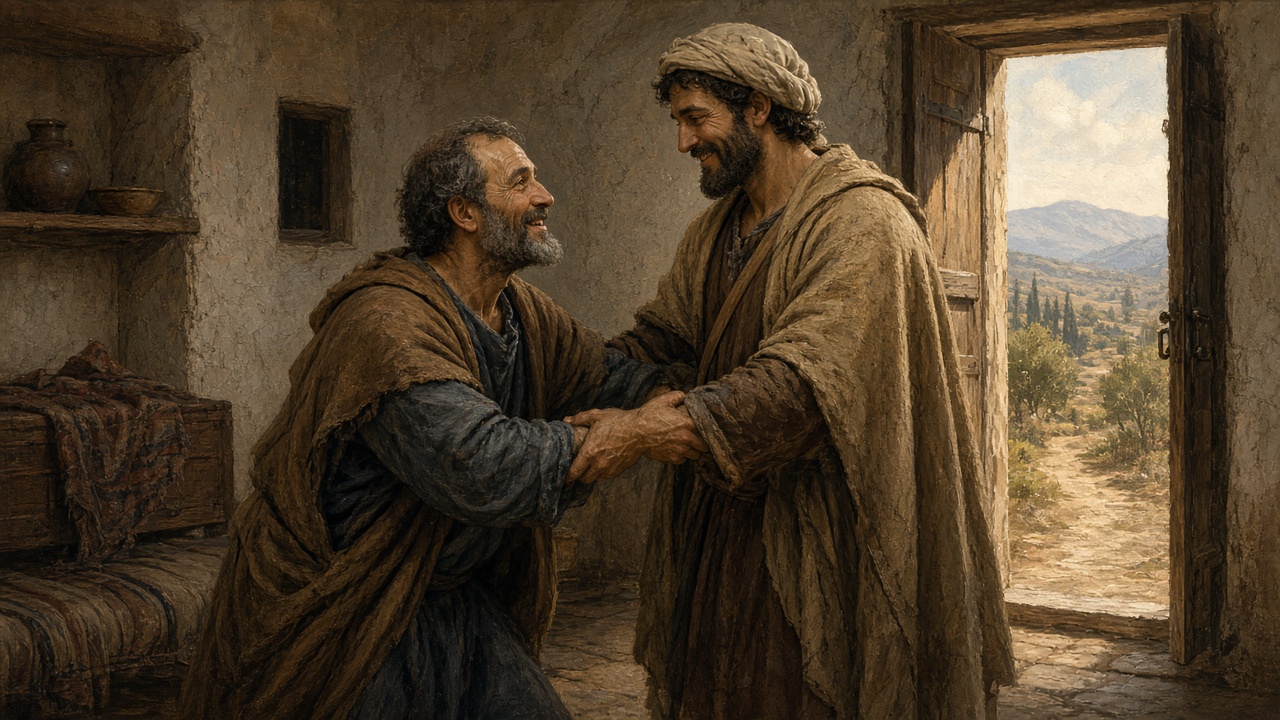
- A Macedônia, onde Paulo diz que chegou sem descanso no corpo — conflitos por fora e temores por dentro —, era uma província romana ao norte da Grécia. Ali, ele escreve, o Deus que consola os abatidos o consolou com a chegada de Tito.Fontes: Macedonia · o próprio texto bíblico
- Paulo fala de uma carta que os entristeceu, mas só por pouco tempo. Agora ele se alegra não porque ficaram tristes, mas porque essa tristeza os levou ao arrependimento; diz que sentiram a tristeza que Deus havia disposto, não foram prejudicados por ele e mostraram empenho, zelo e inocência naquele assunto.Fontes: o próprio texto bíblico
- Um breve relato descreve Tito como companheiro de Paulo, aparentemente um gentio que se dedicava sobretudo a ministrar aos gentios. Neste capítulo, Paulo diz que a chegada de Tito o consolou, que Tito contou a saudade, o pranto e o zelo deles, e que receberam Tito com temor e tremor.Fontes: Titus · o próprio texto bíblico
Notas escritas com auxílio de IA a partir de fontes abertas (Theographic Bible Metadata, CC BY-SA 4.0; Easton’s Bible Dictionary, domínio público) e revisadas antes de publicar.
Lugares deste capítulo
- Macedonia · 41.600, 22.540 · versículo 5
Só aparecem lugares com identificação de alta confiança (90% ou mais segundo as fontes acadêmicas reunidas pelo OpenBible). Mapa da época: DARE (Digital Atlas of the Roman Empire), CC BY 4.0; mapa atual: © colaboradores do OpenStreetMap; lugares: OpenBible.info (CC BY 4.0).
Créditos e licença desta tradução
Hona Bible
The New Testament in the Hwana language of Nigeria: Hona Bible
copyright © 2023 The Seed Company in collaboration with Language Developers and Bible Translators Association
Language: Hona (Hwana)
Contributor: Language Developers and Bible Translators
This translation is made available to you under the terms of the
Creative Commons Attribution Share-Alike license 4.0.
You have permission to share and redistribute this Bible translation in any format and to make reasonable revisions and adaptations of this translation, provided that:
You include the above copyright and source information.
If you make any changes to the text, you must indicate that you did so in a way that makes it clear that the original licensor is not necessarily endorsing your changes.
If you redistribute this text, you must distribute your contributions under the same license as the original.
Pictures included with Scriptures and other documents on this site are licensed just for use with those Scriptures and documents.
For other uses, please contact the respective copyright owners.
Note that in addition to the rules above, revising and adapting God's Word involves a great responsibility to be true to God's Word. See Revelation 22:18-19.
2025-07-18
Fonte: http://ebible.org/hwo/ · eBible.org