Atos 24
Nin tének káwintal an okˀóxláb · Toque num versículo para ver as referências cruzadas.
In loꞌwal tinbáꞌ na Pablo tin tamét an pulek awiltaláb Félix
1Bóꞌ a kʼítsá más tayíl, ulich Sesarea na Ananías, nin okʼlékil an páleꞌtsik. Ulich jeye kʼal jajáꞌ cháb óx in okʼlékil an judíotsik ani jun i kawintsix xin bij Tértulo. Jechéꞌtsik, kʼale tin tamét an pulek awiltaláb abal kin utsbiy na Pablo. 2Tam ti uldhá na Pablo, na Tértulo, tujey kin ólnaꞌ ban pulek awiltaláb. Enchéꞌ tin utsaꞌ na Félix:
―Juntam jalbintsích tʼajat pulek awiltaláb abal u kʼwajat kʼijidh ani yab u kʼwajat tu péjéx. Ejtal kʼwajat belkómte alwaꞌ kʼal tatáꞌ na chalpadhtal. 3Pulek awiltaláb Félix, ejtal jechéꞌ echʼekʼi i bachʼwal putálkʼi kʼal yantam i jalbintsixtaláb. 4Por abal yab más tu lej tʼojliy owat, tu kontsal ti alwaꞌtaláb abal ti ku exbantsi junwéꞌ xowaꞌ neꞌech ki ulu. 5Pos wawáꞌ i chuꞌúmalich abal jechéꞌ an inik, exom in ojtsal tin chalab an atiklábtsik. Putálkʼi techéꞌ an chabál exom in tʼajál ka kʼéꞌáxin an judíotsik ani jajáꞌ, u okʼlek kʼal an junkunéltsik xu bijyáb ti nasareno. 6Asta in leꞌnámal kin chʼikat tʼajaꞌ an pulek atá xon tu kʼakʼnáb na Dios. Jaxtám ti yakʼwaꞌ ani i leꞌnaꞌ ki lújundhaꞌ jelt xan tin ulal ni takʼixtalábil; 7por ochich an pulek okʼlek soldadotsik xin bij Lisias ani tu kʼántsi kʼal yantam i chápláb. 8In ulu abal an utsbixtsik yejat ka tsích techéꞌ kʼal tatáꞌ. Tatáꞌ neꞌech ka ejto ka lújundhaꞌ ani ka choꞌóbnaꞌ xantʼókʼi tin kwenta ti utsbiyal.
9An judíotsik xi taꞌ jeye ti kʼwajat, in ulal abal ejtal jechéꞌ tsubax. 10An pulek awiltaláb in utsaꞌ tám na Pablo kʼal in kʼubakkʼi abal ka káwin ani na Pablo in ulu enchéꞌ:
―Kʼal yantam i kulbétaláb neꞌech kin káwin ta tamét abal ku loꞌo tubáꞌ, pos u choꞌób abal yánich i tamub ta lújundhom ba jechéꞌ an chabál. 11Pos jelt xan ti neꞌech ka achʼaꞌ, in koꞌolich lajucháb a kʼítsá, in kʼale Jerusalén abal ku kʼakʼnaꞌ na Dios. 12Yab in elnék tin káwlíx kʼal ni jun xitaꞌ, nibal u péjéxlindhámal an atiklábtsik ban pulek atá xon tu kʼakʼnáb na Dios, nibal ban atátsik xon tu tʼajnal an junkuntaláb, nibal ba jachanꞌ an bitsow. 13Yab jeye neꞌech kin ejto kin ulutsik ke tsubax xowaꞌ tin utsáltsik u tʼajámal. 14Por xowaꞌ neꞌech tu utsaꞌ jaꞌich jechéꞌ: Nanáꞌ u tʼójontsal nin Diosil nu wejeꞌ pakélil jelt xan tin ulal an ít tsubaxtaláb xi jajáꞌtsik in utsál ke yab tsubax. Pos nanáꞌ, u belál ejtal xowaꞌ kʼwajat dhutsadh ban takʼixtaláb ani xowaꞌ in dhutsámal jeye an tʼiltsixtsik. 15Nanáꞌ jayéchkʼi neye u belál xowaꞌ jajáꞌtsik in belál, ke na Dios neꞌech kin ejdhaꞌ ti ít an chemélomtsik, xi alwaꞌ iniktsik ani xi yab alwaꞌ iniktsik. 16Jaxtám tu léꞌ ku kóꞌoy tsububudh nu itsích echʼekʼi tin tamét na Dios ani tin tamét an iniktsik.
17ʼTam tin xeꞌchinich cháb óx i tamub píl chabál, in witsiy ba nu chabálil abal ku pidhnaꞌ i tolmixtaláb ani i pikbantsixtaláb. 18Jaꞌich in kʼwajat u tʼajál jechéꞌ, tam tin elan ban pulek atá xon tu kʼakʼnáb na Dios kʼal cháb óx i judíotsik xi tál Asia. Jechéꞌtsik, tin elaꞌ tam tin okʼnékich ku tʼajaꞌ an tʼokeltaláb jelt xan ti yejat ka tʼajan. Por yab kʼal yán i atiklábtsik nibal kʼal i péjéxtaláb. 19Jaꞌich jachanꞌ xi yejat ka tsíchtsik ani ka utey kin ulu max aniꞌ lejtal tu waltsámaltsik. 20Ani max yabaꞌ, ke xi jechéꞌ kʼwajattsik kin ulu max in eltsin tu walab tam tin lújundhá tin tamét nin Junkulom Awiltalábil an judíotsik. 21Nanáꞌ tokot u ulúmal kawidh enchéꞌ: “Tatáꞌtsik exom tin lújundhál abal u belál ke an chemélomtsik neꞌech ka ejdhá ti ít.”
22Tam tin achʼaꞌich na Félix ejtal jechéꞌ, kom óltsidhich alwaꞌ xan ti kʼwajat jechéꞌ an ít tsubaxtaláb, in jilaꞌ jechéꞌ abal kin lejkiy tayíl ani in utsaꞌtsik enchéꞌ:
―Tam ka tsích na Lisias, nin pulek okʼlékil an soldadotsik, tám neꞌech ku okʼoy tu lejkintsitsik an ti utsbixtaláb xa tsiꞌdhál.
23Utsan tám an okʼlek soldadotsik kʼal na Félix abal yab kin walkaꞌ na Pablo ani kin belkóm, por kin walkaꞌ ka álná ani ka tolmiyat kʼal nin jaꞌúbtsik.
24Tam ti watʼenekich cháb óx a kʼítsá, ulich juní na Félix, junax kʼal na Drusila, nin tomtal. Jechéꞌ na Drusila, i judío jeye. Na Félix in abnaꞌ ka kanyat na Pablo abal ka tʼiltsin an ti belomtaláb kʼal tin kwenta na Jesukristo. 25Por tam ti na Pablo in tʼiltsi abal yejattsik kin tʼajál echʼekʼi xowaꞌ alwaꞌ, kin kuxyal xowaꞌ in leꞌnál nin tʼuꞌúl ani kʼal tin kwenta jeye an lújundhaxtaláb xi neꞌech ka waꞌchin tin okʼontal an kʼij, jikʼey tʼajat na Félix ani in utsaꞌ enchéꞌ na Pablo:
―Xoꞌ ki kʼaléch. Tam kin jolkʼan, tám juní neꞌech ku abnaꞌ ki kanyat.
26Na Félix yáníl tʼajat in abnaꞌ ka kanyat na Pablo ani u káw kʼal jajáꞌ abal in léꞌ kin chuꞌu max ka pidhan ti tumín kʼal na Pablo ani anchanꞌ, ka walká na Pablo. 27Cháb i tamub más tayíl, kale ti pulek awiltaláb na Félix ani ochich na Porsio Festo. Kom na Félix in léꞌ ka jilkʼon alwaꞌ kʼal an judíotsik, yab in walkaꞌ na Pablo.
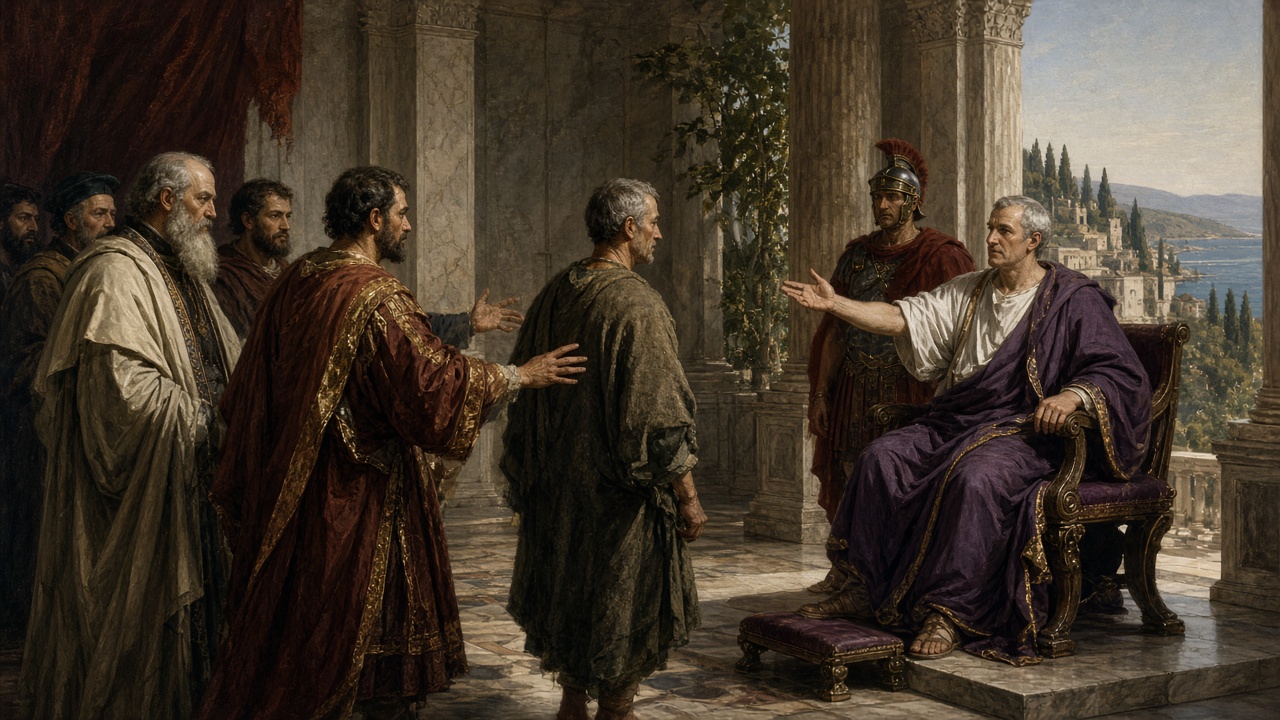
Você sabia?
Paulo perante Félix
- O sumo sacerdote Ananias desceu com alguns anciãos e um advogado chamado Tértulo, que o Dicionário Bíblico de Easton descreve como um advogado romano empregado pelos judeus para apresentar a causa contra Paulo diante de Félix. Tértulo elogiou o governador e depois chamou Paulo de peste, que provocava dissensão entre os judeus por todo o mundo, de chefe da seita dos nazarenos e de homem que tinha tentado profanar o templo. O dicionário liga esse elogio inicial à limpeza que Félix fez do país, expulsando bandidos e impostores.Fontes: o próprio texto bíblico · Tertullus · Felix
- Félix, que estava bem informado a respeito do Caminho, adiou a audiência e manteve Paulo sob guarda, permitindo-lhe alguma liberdade e deixando que amigos atendessem às suas necessidades. O relato diz que ele esperava que Paulo lhe oferecesse um suborno e por isso o mandava chamar com frequência; o Dicionário Bíblico de Easton também afirma que ele parece ter esperado um suborno e, por isso, teve várias conversas com ele. Depois de dois anos, Pórcio Festo o sucedeu — o Dicionário Bíblico de Easton (1897) data essa nomeação em 60 d.C. — e, querendo fazer um favor aos judeus, Félix deixou Paulo na prisão.Fontes: o próprio texto bíblico · Felix · Portius Festus
- Alguns dias depois, Félix voltou com sua mulher Drusila, que era judia, e ouviu Paulo falar da fé em Cristo Jesus e da justiça, do domínio próprio e do juízo vindouro; Félix ficou amedrontado e o mandou embora. O Dicionário Bíblico de Easton (1897) identifica Drusila como a terceira e mais nova filha de Herodes Agripa I e diz que Félix a induziu a deixar o marido, Azizus, rei de Emesa. O mesmo verbete diz que ela e o filho morreram na erupção do monte Vesúvio em 79 d.C.Fontes: o próprio texto bíblico · Drusilla
Notas escritas com auxílio de IA a partir de fontes abertas (Theographic Bible Metadata, CC BY-SA 4.0; Easton’s Bible Dictionary, domínio público) e revisadas antes de publicar.
Lugares deste capítulo
- Caesarea · Hoje: Caesarea Maritima · 32.500, 34.892 · versículo 1
- Jerusalem · 31.777, 35.234 · versículos 11, 17
- Asia · 38.400, 28.300 · versículo 18
Só aparecem lugares com identificação de alta confiança (90% ou mais segundo as fontes acadêmicas reunidas pelo OpenBible). Mapa da época: DARE (Digital Atlas of the Roman Empire), CC BY 4.0; mapa atual: © colaboradores do OpenStreetMap; lugares: OpenBible.info (CC BY 4.0).
Créditos e licença desta tradução
Nin tének káwintal an okˀóxláb
New Testament in Huastec Aquiche; hus (MX:hus:Huastec)
copyright © 2005 Wycliffe Bible Translators, Inc.
Language: Huastec
Translation by: Wycliffe Bible Translators, Inc.
Huasteco, Veracruz [hus], Mexico
Copyright Information
© 2005, Bible League International
This translation text is made available to you under the
terms of the Creative Commons License: Attribution-Noncommercial-No Derivative Works.
( http://creativecommons.org/licenses/by-nc-nd/3.0/ )
In addition, you have permission to port the text to different file formats, as long as you
do not change any of the text or punctuation of the Bible.
You may share, copy, distribute, transmit, and extract portions
or quotations from this work, provided that you include the above copyright
information:
You must give Attribution to the work.
You do not sell this work for a profit.
You do not make any derivative works that change any of the actual words or punctuation of the Scriptures.
Permissions beyond the scope of this license may be
available if you contact
us with your request.
The New Testament
in Huastec
© 2005, Bible League International
This translation is made available to you under the terms of the
Creative Commons Attribution-Noncommercial-No Derivatives license 4.0.
You may share and redistribute this Bible translation or extracts from it in any format, provided that:
You include the above copyright and source information.
You do not sell this work for a profit.
You do not change any of the words or punctuation of the Scriptures.
Pictures included with Scriptures and other documents on this site are licensed just for use with those Scriptures and documents.
For other uses, please contact the respective copyright owners.
2014-04-25
Fonte: http://ebible.org/husNT2005/ · eBible.org