2 Timóteo 4
Nin tének káwintal an okˀóxláb · Toque num versículo para ver as referências cruzadas.
1Tin tamét na Dios ani an Ajátikláb Jesukristo, xi neꞌech ka tsích jelti jun i Pulek Takʼix abal kin lújundhaꞌ xi chemnektsik ani xi ejattsik, tu punkʼuntsal tʼajat 2ka tʼilaꞌ an alwaꞌ tʼilab; ka witsʼkʼontsaltsik tam waꞌach xan ti ani xontikʼi ti ka ejto. Ki kʼwiyxin, ki tawnaxin ani ki takʼxin kʼal yantam i chaꞌattaláb ani i okʼtsixtaláb. 3Pos neꞌech kin bajaw an kʼij tam an atiklábtsik yab neꞌech kin leꞌnaꞌ kin achʼaꞌtsik an alwaꞌ okʼtsixtaláb, tokot neꞌech kin aliytsik yán i okʼtsixtsik abal ka okʼtsin xowaꞌ jajáꞌkʼitsik in kulbetnál kin achʼaꞌ. 4Neꞌech kin kuxuknaꞌtsik an tsubaxtaláb ani neꞌech kin belaꞌtsik más xowaꞌkichkʼi in aniꞌ tʼilábil i wejéꞌlábtsik. 5Por tatáꞌ Timoteo, yab ka kʼibdhaꞌ ni jaykʼi na alwaꞌ chalab, ka kuxuy ejtal an yajtsiktaláb, ka óntsi ka tʼilaꞌ an alwaꞌ tʼilab ani ka óntsi ka tʼajaꞌ alwaꞌ nin tʼojlábil na Dios. 6Pos exomich ti kʼunel xowkʼi ti neꞌech kin kʼwajbá jelti jun i pikbantsixtaláb abal a Dios; exomich in bajwal an ora xowkʼi ti neꞌech kin chemdhá. 7U tʼajámalich alwaꞌ an tʼojláb xowaꞌ tin punkʼuntsámal na Dios, jelt xan tin tʼajál nin tʼojlábil jun i alwaꞌ soldado; u okʼyámalich ejtal xowaꞌ yejat ku tʼajaꞌ ani yab u jilámal tin belom. 8Ani xoꞌ, tin aytsímich xowaꞌ u átámal abal in kʼwajinek in lujtalkʼi, xi neꞌech kin pidhan tam kin bajaw an kʼij kʼal an Ajátikláb xu lújundhom in lujtalkʼi. Ani yab tokot nanáꞌkʼi neꞌech ti kin pidhaꞌ, neꞌech jeye ka pidhantsik ejtal xi kʼwajattsik in aytsím kʼal yantam i kʼanidhaxtaláb tam ka tsích juní.
An punkʼuntsixtaláb xi utsan jajáꞌkʼi na Timoteo
9Ka tʼajaꞌ abal ki tsích jikʼat ti kin álnaꞌ; 10pos na Demas tin jilámal abal in leꞌnaꞌ más xowaꞌ waꞌach techéꞌ ti kʼayꞌlá ani kʼale ban bitsow xi Tesalónika. Na Kresente kʼale ban chabál xi Galasia ani na Tito ban chabál xi Dalmasia. 11Tokot na Lukas techéꞌ kʼwajat kʼal nanáꞌ. Ka aliy na Markos ani ka tsiꞌdhaꞌ jeye, abal jajáꞌ neꞌech kin ejto ti kin tolmiy kʼal nin tʼojlábil na Dios. 12Na Tíkiko u abaꞌ ban bitsow xi Efeso. 13Tam ki tsích, ti kin tsiꞌdhantsi an tu wát xu jilámal Troas bin kʼimáꞌ na Karpo; ti kin tsiꞌdhantsi jeye an ti dhutsadh úwtsik, por u yéntsal más ti kin tsiꞌdhantsi an ti ótʼtsik xi dhutsuntsidh.
14Na Alejandro, an lejkix patʼáltsik, tin tʼajtsámalich tʼajat yán xataꞌ yab alwaꞌ; por neꞌech ka pidhan kʼal an Ajátikláb xowaꞌ in lujyal kʼal tin kwenta xowaꞌ in tʼajámal. 15Ka kóꞌoy teye tʼajat i kwenta kʼal jajáꞌ, pos jajáꞌ yab tʼajat in léꞌ kin chuꞌu ki tʼilaꞌ an tsubaxtaláb.
16Tam ti jidhtal in kʼwajay ku loꞌo tubáꞌ tin tamét an awiltalábtsik, ni jun xitaꞌ yab tin tolmiy; ejtaltsik tin jiloloy kwetém. Nanáꞌ u konyal abal ka pakwlantsattsik kʼal na Dios abal anchanꞌ tin tʼajaꞌtsik. 17Por an Ajátikláb kʼwajay kʼal nanáꞌ ani tin pidhaꞌ ti chápláb abal ku ejto ku okʼoy ku tʼilaꞌ an alwaꞌ tʼilab ani kin achʼaꞌtsik jeye ejtal xi yabtsik u judío. Anchanꞌ tin loꞌo an Ajátikláb abal yab xataꞌ kin tʼajtsin kʼal an atʼax, maske in kʼwajay jelti max kʼunatich tʼajat bin wiꞌ an padhum. 18Ani neꞌech jeye ti kin loꞌo kʼal ejtal xowaꞌ yab alwaꞌ ani neꞌech ti kin belkóm abal kin kʼwajay neye walkʼiꞌ xon ti neꞌech ti takʼix. ¡Ke an labidh tʼokattaláb kin kóꞌoy Jajáꞌkʼi malilíl i kʼij! Anchanꞌ ka tʼajan.
An chapnédhomtaláb ani an lábtʼajaxtaláb xi tin okʼontal
19Ti kin chapnédhantsi an ta Priska ani na Akila. Ti kin chapnédhantsi jeye ejtal xu kʼwajíltsik bin kʼimáꞌ na Onesíforo. 20Na Erasto jilkʼon ban bitsow xi Korinto ani na Trófimo u jilaꞌ u yaꞌul ban bitsow xi Mileto. 21Ka tʼajaꞌ abal ki tsích tam yabél chamay. Ti abtsaltsik ti chapnédhomtaláb na Ewbulo, na Pudente, na Lino, na Klawdia ani ejtal an kidháblábtsik. 22Ke an Ajátikláb Jesukristo ka kʼwajay kʼal tatáꞌ ani ka bachʼwaltsik echʼekʼi nin alwaꞌtal na Dios. Anchanꞌ ka tʼájan.
Você sabia?
A exortação final e a despedida de Paulo
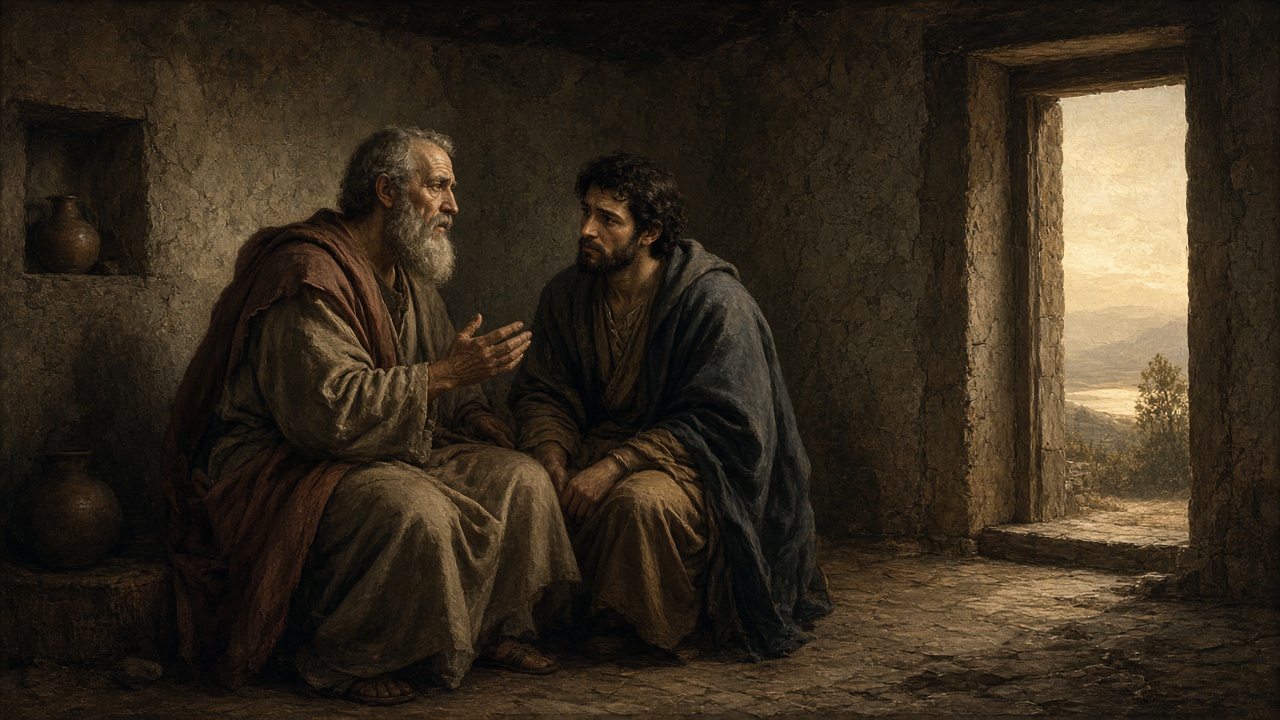
- Paulo pede a Timóteo que venha depressa. Demas, que o Dicionário Bíblico de Easton (1897) descreve como companheiro e colaborador de Paulo durante sua primeira prisão em Roma, abandonou-o por amor a este mundo e foi para Tessalônica, grande cidade no golfo Termaico e capital de um dos quatro distritos romanos da Macedônia. Crescente foi para a Galácia e Tito para a Dalmácia, região montanhosa na costa oriental do Adriático e parte da província romana do Ilírico; Paulo enviou Tíquico a Éfeso, e só Lucas permanece com ele.Fontes: Demas · Thessalonica · Dalmatia · o próprio texto bíblico
- O Dicionário Bíblico de Easton (1897) identifica Alexandre, o latoeiro, como um homem que, com Himeneu e outros, ensinava certas ideias sobre a ressurreição, e afirma que Paulo o excomungou. Neste capítulo, Paulo escreve que Alexandre lhe fez grande mal, pede a Timóteo que se acautele dele, porque se opôs com vigor à nossa mensagem, e diz que o Senhor lhe retribuirá segundo as suas obras.Fontes: Alexander · o próprio texto bíblico
- Paulo pede a Timóteo que traga a capa que deixou com Carpo em Trôade, junto com os rolos, especialmente os pergaminhos, e que chegue antes do inverno. Trôade era uma cidade no litoral da Mísia, no noroeste da Ásia Menor, que recebeu o nome da antiga Troia, situada cerca de quatro milhas ao norte.Fontes: Troas · o próprio texto bíblico
Notas escritas com auxílio de IA a partir de fontes abertas (Theographic Bible Metadata, CC BY-SA 4.0; Easton’s Bible Dictionary, domínio público) e revisadas antes de publicar.
Lugares deste capítulo
- Dalmatia · 43.813, 16.219 · versículo 10
- Galatia · 39.267, 32.983 · versículo 10
- Thessalonica · Hoje: Thessaloniki · 40.638, 22.946 · versículo 10
- Ephesus · 37.939, 27.341 · versículo 12
- Troas · Hoje: Alexandria Troas · 39.752, 26.159 · versículo 13
- Corinth · 37.906, 22.879 · versículo 20
- Miletus · 37.531, 27.276 · versículo 20
Só aparecem lugares com identificação de alta confiança (90% ou mais segundo as fontes acadêmicas reunidas pelo OpenBible). Mapa da época: DARE (Digital Atlas of the Roman Empire), CC BY 4.0; mapa atual: © colaboradores do OpenStreetMap; lugares: OpenBible.info (CC BY 4.0).
Créditos e licença desta tradução
Nin tének káwintal an okˀóxláb
New Testament in Huastec Aquiche; hus (MX:hus:Huastec)
copyright © 2005 Wycliffe Bible Translators, Inc.
Language: Huastec
Translation by: Wycliffe Bible Translators, Inc.
Huasteco, Veracruz [hus], Mexico
Copyright Information
© 2005, Bible League International
This translation text is made available to you under the
terms of the Creative Commons License: Attribution-Noncommercial-No Derivative Works.
( http://creativecommons.org/licenses/by-nc-nd/3.0/ )
In addition, you have permission to port the text to different file formats, as long as you
do not change any of the text or punctuation of the Bible.
You may share, copy, distribute, transmit, and extract portions
or quotations from this work, provided that you include the above copyright
information:
You must give Attribution to the work.
You do not sell this work for a profit.
You do not make any derivative works that change any of the actual words or punctuation of the Scriptures.
Permissions beyond the scope of this license may be
available if you contact
us with your request.
The New Testament
in Huastec
© 2005, Bible League International
This translation is made available to you under the terms of the
Creative Commons Attribution-Noncommercial-No Derivatives license 4.0.
You may share and redistribute this Bible translation or extracts from it in any format, provided that:
You include the above copyright and source information.
You do not sell this work for a profit.
You do not change any of the words or punctuation of the Scriptures.
Pictures included with Scriptures and other documents on this site are licensed just for use with those Scriptures and documents.
For other uses, please contact the respective copyright owners.
2014-04-25
Fonte: http://ebible.org/husNT2005/ · eBible.org