2 Coríntios 7
Nin tének káwintal an okˀóxláb · Toque num versículo para ver as referências cruzadas.
1Anchanꞌ pé, kidháblábtsik xi tu kʼanidháltsik tʼajat, jechéꞌ jaꞌich xowaꞌ u usnék neꞌech ki bachʼu. Jaxtám ti yejatich ki jilaꞌ xowaꞌ tu walbindhál, ki jilaꞌich xowaꞌ yab alwaꞌ xi tʼajál kʼal ni tʼuꞌúl o kʼal ni ejattal. Ani kʼal tin kwenta abal i kʼakʼnál na Dios, ki óntsi ki tʼokedhaꞌ tibáꞌ abal ku dhabalnájich kʼal Jajáꞌ.
Tam tin jilaꞌichtsik ti walablom an kidháblábtsik xi Korinto
2Yabich ti ku chakuntsi, ti ku kʼanidhaꞌich. Pos yab xitaꞌ i waltsámal, yab xitaꞌ i tʼajtsámal xowaꞌ atʼax ani yab xitaꞌ i kʼambiyámal. 3Yab exom tu utsáltsik jechéꞌ abal tu walbiy. Pos tu utsámalichtsik abal i kʼwajat ba ni itsích. Yab neꞌech tu ukʼtsitsik, maske u kʼwajat ejat o u chemnek, echʼekʼi neꞌech ki kʼwajaytsik ba ni itsích. 4U choꞌób alwaꞌ ke i alwaꞌ iniktsik; nanáꞌ tu tʼiláltsik alwaꞌ tin tamét an atiklábtsik. Kʼijidh tʼajat tin kʼwajat ani in kulbél tʼajat maske u watʼnál i yajtsiktaláb.
5Asta tu ulnek Masedonia, yab i ejtómal tu koyol, pos i tametnál tʼajat i yajtsiktaláb. I watʼnámal i péjéxtaláb ani i kóꞌyámal i jíkʼib ti itsích. 6Por na Dios, xin kʼijidhmédhál xin chaꞌkáltsik tinbáꞌ, tu kʼijidhmédhaꞌ kʼal tin kwenta abal ulich na Tito. 7Yab tokot u kʼijidhmé abal ulich na Tito, u kʼijidhmé abal i achʼaꞌ ke tatáꞌtsik a kʼijidhmédhámal jajáꞌ. Jajáꞌ tu óltsi abal a léꞌtsik tʼajat ti ku chuꞌu, tu óltsi abal i tʼeꞌpinaltsik ani abal i chalpaxtsik kʼal wawáꞌ ti kwenta. Tam tu achʼaꞌ jechéꞌ, más in kulbé tʼajat.
8Maske an dhutsadh úw xi tu abtsi ti tʼeꞌpindhaꞌtsik, yab in kʼwajat tin chalpax. Ani max in kʼwajay tin chalpax ti okʼox, abal u chuꞌu ke jachanꞌ an dhutsadh úw ti tʼeꞌpindhaꞌtsik wéꞌ i kʼij, 9xoꞌ in kulbél; yab abal i tʼeꞌpinéktsik, in kulbél abal jachanꞌ an tʼeꞌpintaláb ti tʼajaꞌtsik ka jilaꞌichtsik ta walablom. An tʼeꞌpintaláb xi tatáꞌtsik a watʼnaꞌ, jaꞌich abal na Dios anchanꞌ tin leꞌnaꞌ, yab a watʼnaꞌtsik jechéꞌ, abal wawáꞌkʼi i léꞌ ki chuꞌu ka watʼnaꞌ. 10Tam jun xitaꞌ in watʼnál i tʼeꞌpintaláb abal na Dios anchanꞌ tin léꞌ, u tʼajnal kʼál abal kin jilaꞌich ti walablom ani in bajwalich an loꞌeltaláb; tam ki tamu anchanꞌ, yab yejat ku kʼwajay tu chalpax. Por an tʼeꞌpintaláb xi yab Jajáꞌ na Dios in léꞌ kin chuꞌu ki watʼnaꞌ, u júnax ban kʼibeltaláb. 11Tatáꞌtsik a kuxuy an tʼeꞌpintaláb xi na Dios in leꞌnaꞌ kin chuꞌu ka watʼnaꞌ ani, ¡ka chuꞌutsik xoꞌ xantʼéy támun! Ti tʼajaꞌtsik ka chalpay alwaꞌ jechéꞌ ani ka ólnaꞌ xantʼéy a tʼajámaltsik; ti chakúdhaꞌtsik ani ti jikʼédhaꞌtsik jeye. Tayíl a leꞌnaꞌtsik ti kin chuꞌu ani a ulutsik abal neꞌech ka yajlombédhaꞌ xitaꞌ nin walámal. Kʼal ejtal jechéꞌ, tatáꞌtsik a xalkʼaꞌ ke yab a koꞌoltsik a walab kʼal jechéꞌ. 12Anchanꞌ pé, tam tu dhutsuntsitsik jachanꞌ an ti úw, yab jaꞌich abal in kʼwajat u chalpóm jachanꞌ xitaꞌ nin walámal o xitaꞌ xi waltsidh; u tʼajaꞌ anchanꞌ abal ka xalkʼan tin tamét na Dios, ke tatáꞌtsik i chalpax tʼajat kʼal wawáꞌ ti kwenta. 13Jaxtám ti achʼál u kʼijidh.
Yab tokotkʼi u kulbé kʼal jechéꞌ tin kwenta, u kulbé jeye tam ti chuꞌu abal u kulbél tʼajat na Tito; pos tatáꞌtsik a tʼajámal abal ka kʼwajay tsububudh in ejattal. 14Yab in kale yab alwaꞌ tam tu utsaꞌ na Tito, ke tatáꞌtsik i alwaꞌ inik. Anchanꞌ jelt xan ta choꞌóbichtsik ke tokot tu utsáltsik xowaꞌ tsubax, anchanꞌ jeye ti kale tsubax xowaꞌ u utsaꞌ na Tito kʼal tatáꞌtsik ta kwenta. 15Ani jajáꞌ, más tʼajat ti kʼanidháltsik tam in chalpayal abal a tʼajaꞌtsik xowaꞌ jajáꞌ ti utsaꞌ; ani xan ta bachʼutsik kʼal i chaꞌattaláb ani kʼal i kʼakʼnaxtaláb. 16In kulbél tʼajat abal u choꞌób alwaꞌ ke tatáꞌtsik i alwaꞌ inik kʼal xowaꞌkichkʼi.
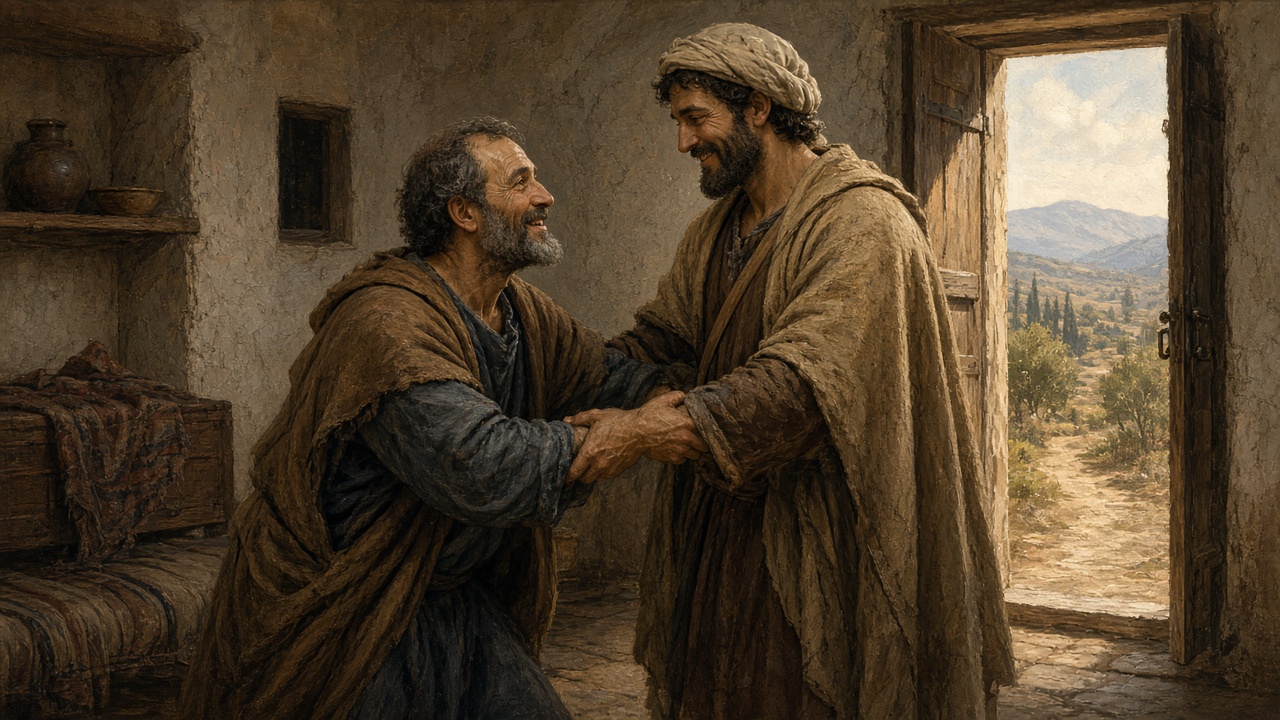
Você sabia?
Consolo depois de uma carta dolorosa
- A Macedônia, onde Paulo diz que chegou sem descanso no corpo — conflitos por fora e temores por dentro —, era uma província romana ao norte da Grécia. Ali, ele escreve, o Deus que consola os abatidos o consolou com a chegada de Tito.Fontes: Macedonia · o próprio texto bíblico
- Paulo fala de uma carta que os entristeceu, mas só por pouco tempo. Agora ele se alegra não porque ficaram tristes, mas porque essa tristeza os levou ao arrependimento; diz que sentiram a tristeza que Deus havia disposto, não foram prejudicados por ele e mostraram empenho, zelo e inocência naquele assunto.Fontes: o próprio texto bíblico
- Um breve relato descreve Tito como companheiro de Paulo, aparentemente um gentio que se dedicava sobretudo a ministrar aos gentios. Neste capítulo, Paulo diz que a chegada de Tito o consolou, que Tito contou a saudade, o pranto e o zelo deles, e que receberam Tito com temor e tremor.Fontes: Titus · o próprio texto bíblico
Notas escritas com auxílio de IA a partir de fontes abertas (Theographic Bible Metadata, CC BY-SA 4.0; Easton’s Bible Dictionary, domínio público) e revisadas antes de publicar.
Lugares deste capítulo
- Macedonia · 41.600, 22.540 · versículo 5
Só aparecem lugares com identificação de alta confiança (90% ou mais segundo as fontes acadêmicas reunidas pelo OpenBible). Mapa da época: DARE (Digital Atlas of the Roman Empire), CC BY 4.0; mapa atual: © colaboradores do OpenStreetMap; lugares: OpenBible.info (CC BY 4.0).
Créditos e licença desta tradução
Nin tének káwintal an okˀóxláb
New Testament in Huastec Aquiche; hus (MX:hus:Huastec)
copyright © 2005 Wycliffe Bible Translators, Inc.
Language: Huastec
Translation by: Wycliffe Bible Translators, Inc.
Huasteco, Veracruz [hus], Mexico
Copyright Information
© 2005, Bible League International
This translation text is made available to you under the
terms of the Creative Commons License: Attribution-Noncommercial-No Derivative Works.
( http://creativecommons.org/licenses/by-nc-nd/3.0/ )
In addition, you have permission to port the text to different file formats, as long as you
do not change any of the text or punctuation of the Bible.
You may share, copy, distribute, transmit, and extract portions
or quotations from this work, provided that you include the above copyright
information:
You must give Attribution to the work.
You do not sell this work for a profit.
You do not make any derivative works that change any of the actual words or punctuation of the Scriptures.
Permissions beyond the scope of this license may be
available if you contact
us with your request.
The New Testament
in Huastec
© 2005, Bible League International
This translation is made available to you under the terms of the
Creative Commons Attribution-Noncommercial-No Derivatives license 4.0.
You may share and redistribute this Bible translation or extracts from it in any format, provided that:
You include the above copyright and source information.
You do not sell this work for a profit.
You do not change any of the words or punctuation of the Scriptures.
Pictures included with Scriptures and other documents on this site are licensed just for use with those Scriptures and documents.
For other uses, please contact the respective copyright owners.
2014-04-25
Fonte: http://ebible.org/husNT2005/ · eBible.org