Gênesis 19
Hset Hadròeh · Toque num versículo para ver as referências cruzadas.
Lot đìh ƀài ƀình plình
1Trùh xèq, ƀaiq ƀình plình trùh ta Sôđom; jò aih Lot qnang haqngui ajang trong mùt ta plài. Jò Lot hnoq baiq ƀình plình trùh, haq padinh yòng đìh rai bla op rađeh ta haqneq. 2Haq doe: Wa craq da au! Joq au cali calo đeh chôp thia ta hnim au rai padài mang kô ta-aih. Chôp qnheo jènh, khoe aih trùh sroq èh rìu enh kùi chôp hi lam hòm. Baiq ƀình plình doe: Ùh, mang kô ma kùi roc trong 3Mahaq Lot àu akhen waq ka jah, wa ƀình plình loh ka ep mùt hnim haq. Haq padon yiniang, broq ƀênh ùh wàt blo, wa ƀình plình hi acaq.
4Wa ƀình plình qnhòq lam kùi, ƀài mangai calô ta Sôđôm enh qyoh trùh craq, aih la dìq dŏng ka mangai gùng aih, dìq tùh loh dudan ka hnim. 5Ƀài aih creo ka Lot hu bòch: Wa tamoe ma khoe mùt hnim ìh xèq kô ìq taleq?. Drah qnoh wa tacô đòeq nhèn hu canau. 6Lot hi loh thia ƀài wì ma oe enh gùng, khoe aih clênh qmang. 7rai doe ka wì ta aih: Kô joq au cali calo oh daq apaq broq trong dù aih! 8Kô au i ƀaiq ngai kon cadrì qnhòq yŏc ŏng, au am wa aih ka pì, pì enh broq cleq hi mac da pì, waq toq pì paq broq cleq haƀo ka wa ƀaiq ngai tau; xài taiq aih raq wa haq majah thia hamong ta hnim au. 9Ƀài mangai ta aih doe: Ìh wia taqnoeq! wì doe hòm: Mangai kô lam oe clòh tacô, aih cadoe enh hadrah ka nhèn qmòh! Òq hêq brì ka nhèn tabroq ka ìh yeo hamoq ka wa tamoe tau hòm. Khoe aih wì hnen rachùq Lot cadêh, rai glàm hu raliang cađac qmang hnim.
10Mahaq ƀaiq ƀình plình hnhu tì qmùt Lot ta hnim, khoe aih hi clòng qmang, 11khoe aih, hi tabroq ka ƀài mangai enh gùng ka qmang, enh mangai qyoh trùh mangai craq, dìq loh ka pùa mat, jaq wì chaq trong qmang mech lep, mahaq dua ma ùh jah,
12Wa ƀình plình bòch Lot: Ìh oe i ka cabô tacô hòm ùh? Kon ŏng, kon calô, kon cadrì, èh cabô hòm tacô ma mangai da ìh qnoh dŏng ma dìq beq! 13Nhèn hu raliang cađac jang kô, majah qmang aih bàu creo dang da mangai gùng kô khoe tŏc trùh ta Jêhowa, dài haq majah thê nhèn loh hu palùng đac. 14Lot loh enh gùng doe deh ka kon ŏng ma khoe yŏc kon cadrì haq: Drah yòng beq! loh ma khoe ka tacô, majah qmang aih Jêhowa padon palùng đac plài kô. Yàng aih ƀài kon ŏng xoh dèh haq capoch blìa. 15Trùh qngah, wa ƀình plình bahuiq Lot rai doe: Drah yòng qnung mai ìh xam wa kon cadrì ìh ma qnang oe tacô loh beq, yùq èh ìh loq ep cachìt ataq đeh jò palùng đac plài kô. 16Mahaq Lot xan raqngòt yôt; taiq Jêhowa ha-och ka Lot, dài wa ƀình plình cadop yŏc kŏng dùi haq xam mai xam wa kon haq qnoh enh gùng ka plài.
17Jò wa ƀình plình khoe qnoh wì loh enh gùng, i mòeq ngai ta wa aih doe: dot drah cadàu amot beq hu dŏng rađeh, apaq hwi enh rù èh hanoh apaq yòng hu padài ajang leq ta tamang; drah cadàu tŏc mot ta wang, ùh meh loq cađac rađeh. 18Lot padreo bàu: Waiq Chuaq! ùh jah. 19Hacô, hapŏng ìh khoe jah xôq ramot enh ngèa ka Chuaq; Ìh khoe mahnu deh kan loq waq kàn ka au đòeq hu dèch au jah rìh. Mahaq au cadàu tŏc mot ta wang ùh tem adroe ka kan ranàc kàn trùh, aih xài au ep cachìt. 20Hatau plài tau khoe qyoh èh yeo haten đòeq au hujah hanình. Yôi yôiq, chop Ìh am au jah hanình ta tau đòeq hujah wèq dèh kan rìh, plài tau ma joq qyoh qmòh? 21Ƀình plình doe: Hacô au am tam ka ìh yiniq ìh ma bòch, au ùh palùng đac plài ìh ma doe aih. 22Drah lam amot ta aih beq, majah qmang aih au ùh broq cleq jah jò ìh qnhòq mùt trùh ta aih (Aih ìq dài wì ma creo ka plài aih la Xoa).
23Jò mahì khoe tŏc aih Lot mùt khoe trùh ta plài Xoa. 24Khoe aih, Boc lình caqnìh mè liu hwình xam ùnh enh nòe da Chuaq oe taplình clìh enh qnhèq ka Sôđôm xam Gômôro. 25Palùng baiq plài kô, xam ta tamang, xam dìq dŏng mangai ta aih hloe xam ƀài long nhat ta taneh gùng aih.
Mai da Lot wìa long jrang boh.
26Mahaq mai da Lot hwi dang lùi hu ngan deh enh rù, dài haq majah wìh wìa jrang boh
27Apraham rìu sroeh, lam trùh ajang nòe đeh ma khoe yòng enh ngèa ka Jêhowa. 28Haqmiang ngan qnah ta Sôđôm xam Gômôro, xam jàp gùng oe ta tamang, aih cadoe hnoq enh taneh nhòe tŏc ma bahluàng, tìah qmang ka nhòe ta tanùh ùnh kàn. 29Jò aih, jò Jêhowa raliang đac ƀài plài pla ta tamang aih la plài Lot ma oe, aih hmàng trùh Apraham, dèch Lot claih enh nòe raliang aih.
Lot xam wa kon xdrì da haq…
30Lot oe ta Xoa aih haq crè pi cajaq cleq, dài haq xam wa kon cađac ta-aih hu cadàu tŏc tawang, lam amot tanòe kòp hmo. 31Mangai ma daq doe deh ka oh: Baq da ba kô khoe craq, manòeq kô ta crŏng taneh kô pi oe i cabô đòeq wìa ŏng mai ti ba tìah ka da wì qnoeq. 32Beq ba qmù alac ka baq, èh ba kùi ti haq đòeq hu i hlài xinoe da baq. 33Mang aih, wa oh daq qmù alac deh ka baq khoe aih mangai daq thia kùi deh ti baq; mahaq baq haq ùh hmàng jò leq haq thia kùi èh jò leq haq yòng. 34Trùh hì da èh, daq doe deh ka oh: Meh, mang ìq au khoe kùi ti baq, hì kô ba qmù alac hòm ka baq, khoe èh oh lam kùi ti haq, đòeq hu i hlài xinoe da baq. 35Mang aih wa qmù hòm alac deh ka baq, khoe aih mangai ma oh rìu haq thia kùi deh ti baq; mahaq baq haq ùh hmàng jò leq haq thia kùi, jò leq haq yòng. 36Qmang aih wa kon da Lot wê cliac dèh enh baq. 37Mangai daq ha-uang jah mòeq ngai kon calô, yiniq dèh ka kon aih Mô-ap; aih raq kan cadraq da mangai Mô-ap trùh hloe manòeq. 38Mangai oh hadai ha-uang mòeq ngai kon calô, haq yiniq dèh ka kon la Bênammi aih raq kan cadraq da mangai Ammôn trùh manòeq.
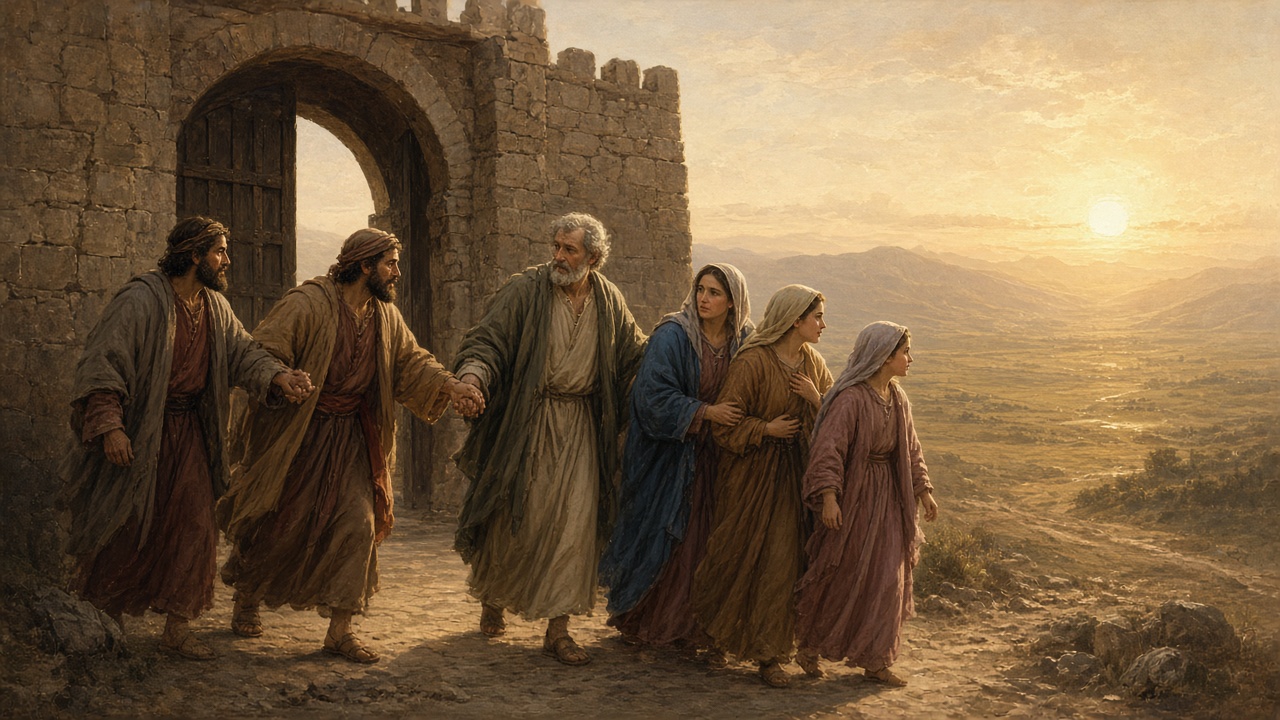
Você sabia?
A destruição de Sodoma e Gomorra
- A cidade para a qual Ló pediu para fugir chamava-se Zoar, nome que o Dicionário Bíblico de Easton (1897) explica como “pequena”, o que combina com o pedido dele de que era apenas um lugar pequeno. O mesmo verbete diz que antes se chamava Bela e ficava a leste ou a sudeste do Mar Morto, e que os profetas Isaías e Jeremias a mencionam depois.Fontes: Zoar · o próprio texto bíblico
- O Dicionário Bíblico de Easton (1897) dá a Sodoma, no vale de Sidim, o sentido de “ardente” ou “a amuralhada”, e diz que a maldade dos seus habitantes fez cair fogo do céu, que destruiu a cidade. O mesmo dicionário explica Gomorra como “submersão”, uma das cinco cidades daquela planície, e afirma que provavelmente ficavam próximas, perto da extremidade norte do que hoje é o Mar Morto, e que Gomorra é sempre mencionada logo depois de Sodoma.Fontes: Sodom · Gomorrah · o próprio texto bíblico
- A filha mais velha de Ló chamou o filho de Moabe, e a narrativa o apresenta como pai dos moabitas, nome que livros posteriores usam para esse povo. A filha mais nova chamou o seu de Ben-Ami, pai dos amonitas; o Dicionário Bíblico de Easton (1897) explica Ben-Ami como “filho da minha parentela” e o identifica como filho de Ló com a filha mais nova.Fontes: o próprio texto bíblico · Moab · Ben-ammi
Notas escritas com auxílio de IA a partir de fontes abertas (Theographic Bible Metadata, CC BY-SA 4.0; Easton’s Bible Dictionary, domínio público) e revisadas antes de publicar.
Lugares deste capítulo
Só aparecem lugares com identificação de alta confiança (90% ou mais segundo as fontes acadêmicas reunidas pelo OpenBible). Mapa da época: DARE (Digital Atlas of the Roman Empire), CC BY 4.0; mapa atual: © colaboradores do OpenStreetMap; lugares: OpenBible.info (CC BY 4.0).
Créditos e licença desta tradução
Hset Hadròeh
The New Testament in the Hre language of Vietnam, translated by Baq Thi
Copyright © 2024 Baq Thi
Language: (Hre)
This translation is made available to you under the terms of the
Creative Commons Attribution Share-Alike license 4.0.
You have permission to share and redistribute this Bible translation in any format and to make reasonable revisions and adaptations of this translation, provided that:
You include the above copyright and source information.
If you make any changes to the text, you must indicate that you did so in a way that makes it clear that the original licensor is not necessarily endorsing your changes.
If you redistribute this text, you must distribute your contributions under the same license as the original.
Pictures included with Scriptures and other documents on this site are licensed just for use with those Scriptures and documents.
For other uses, please contact the respective copyright owners.
Note that in addition to the rules above, revising and adapting God's Word involves a great responsibility to be true to God's Word. See Revelation 22:18-19.
2026-07-18
Fonte: http://ebible.org/hrebt/ · eBible.org