Atos 15
Hset Hadròeh · Toque num versículo para ver as referências cruzadas.
Gucraq Tagop Hadròeh ta Jêrusalem hatình ka dabau
1I ƀiaq ngai enh gùng Juđê trùh hnài oh daq rameh: Tàng joq pì ùh broq ramènh kat akia tiaq ranenh da Môise, aih pì ùh jah dèch. 2Aih ìq dài Phaulô xam Ƀanaba majah loh ka tarahen kàn ka wì aih, wì waq qmòe ka Phaulô xam Ƀanaba lam ti wì haq tŏc ta Jêrusalem, glàm ƀài mangai tiaq cla xam gucraq ta aih đòeq bòch yiniq kô. 3Qmang aih, jòTagop Hadròeh khoe thê wì haq, wì lam trong gùng Phênisi gùng Samari, taqmon bìac mangai diac wì khoe wìh hlài ti Bàu lem qmang leq, broq dìq dŏng ka oh daq lem bùi dìq jaq. 4Bu trùh ta Jêrusalem, Tagop Hadròeh xam mangai tiaq cla, hloe wì gucraq ta aih đìh wì haq ka alàng. Wì anoe hlài Boc Plình khoe thê wì haq broq cleq. 5Mahaq i ƀài mangai moeq bua ti mangai Pharisi hadai khoe tiaq, padinh yòng doe: Ep broq ranenh kat akia ka mangai diac wì rai thê wì aih ep wèq tiaq ranenh Môise.
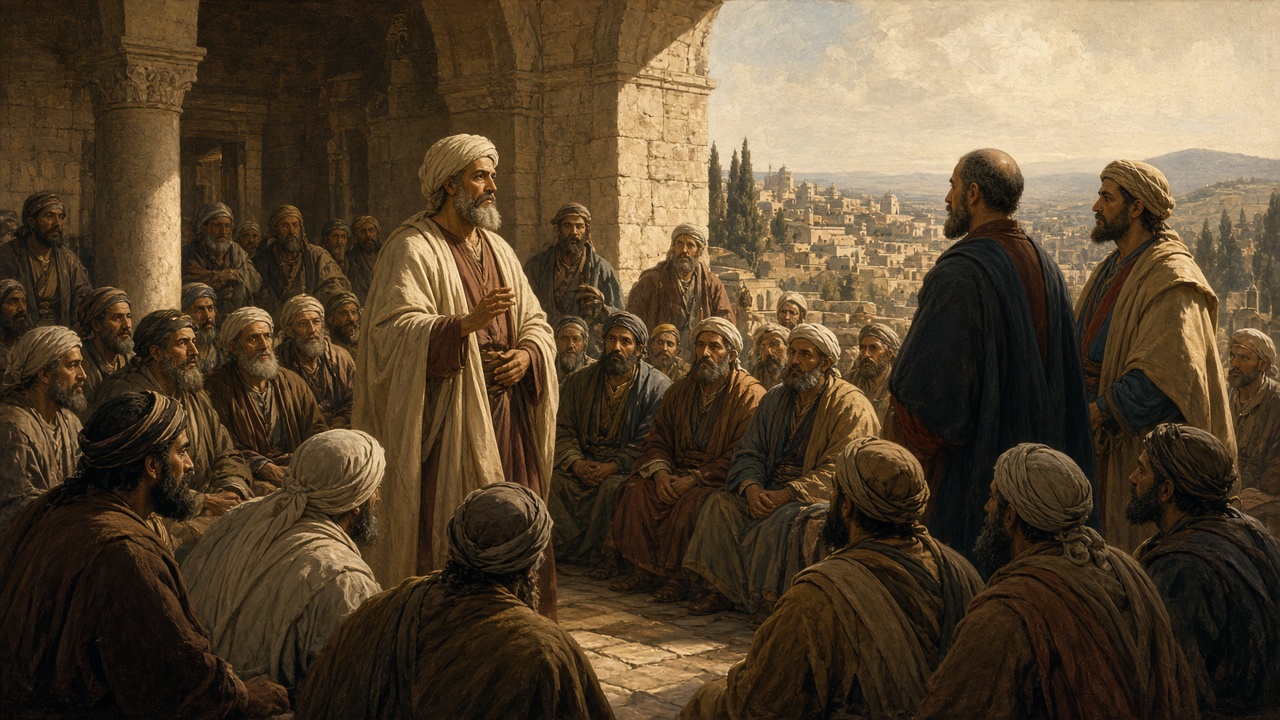
6Wì Mangai tiaq cla xam gucraq hi haqngui ti dabau đòeq hu hatình trong kô. 7Khoe ka hatình Phiero hi yòng anoe ka wì: “Dìq ka oh daq, pì loq rameh enh jò baxèm, Boc Plình khoe ràih au taqne oh daq, dôq mangai diac wì jah tamàng Bàu lem loh enh hacùng au đòeq wì hu lùi tiaq. 8Boc Plình loq ka manoh cliac kon mangai, haq paqnoh rađeh khoe dì yŏc mangai diac wì, ajang nòe am ka wì Yiang Hadròeh tìah ka bèn diq. 9Haq ùh i ngan bèn xam mangai diac wì crài ka dabau, majah qmang aih haq khoe yŏc kan lùi broq ka manoh wì jah hadròeh. 10Manòeq kô hagleq oh daq majah ti qnhro ngan Boc Plình, taqmac ta ranŏng oh daq mangai diac wì long ech yac ka cadraq bèn, yac ka bèn enh nèh trùh manòeq qnhòq lah hlàt pòq? 11Majoq qnàng aih, bèn lùi rameh canòm kan am dech ajang Chuaq Jesus, bèn jah dèch qmang ka mangai diac wì diq.”
12Dìq ka mangai tagop ta aih loh ka hatinh dŏng, tamàng Ƀanaba xam Phaulô anoe hlài bàc trong bàc kan halac Boc Plình khoe broq ajang wa am ka mangai diac wì hnoq. 13Khoe ka wa anoe, Jaco hi doe: “Dìq ka oh daq tamàng kô! 14Simôn i taqmon hlài ka bèn yàng baxèm, Boc Plình khoe ha-och ka mangai diac wì qmang leq, enh aih ràih yŏc mòeq xinoe hu dèch ka yiniq cla haq. 15Bìac aih, hatroq troeq bàu wì pajàu, majah qmang aih i bàu achìh rameh:
16Atìq ka aih, au wìh hlài,
Broq hlài hnim ranòh da Dawit ma khoe taclìh raliang;
Au palàng hlài nòe ma khoe taclìh,
Au dèch paqnàng hlài haq;
17Dôq ƀài mangai ma oe rah, jah chaq Chuaq
Xam dìq dŏng mangai diac wì ma creo dang yiniq au.
Chuaq, Mangai ma broq loh ƀài yiniq kô i anoe qmang aih;
18enh calah nèh raq, haq khoe loq ƀài bìac kô. 19Qmang aih, troeq manoh au, ùh dùh baxa oh daq mangai diac wì ma khoe wìh hlài ti Boc Plình, 20mahaq toq achìh jàiq tanap ka wì haq ep dênh apaq acaq dahwèq khoe tadreo am ka kiac qmù, paq tango anang, apaq acaq jam cachìt ka ùh jah hi hèm, apaq acaq mahim. 21Majah qmang aih enh nèh trùh manòeq, yac ka taleq dua i mangai hnài ranenh Môise, rìm hì sabat, oe ta hnim tagop qyoh wi i đŏc ranenh aih. 22Khoe ka aih, ƀài mangai tiaq cla xam wì gucraq xam dìq dŏng ka Tagop Hadròeh ràih biaq ngai ta aih, khoe èh thê wì aih lam ti Phaulô xam Banaba trùh ta Antiôt. Wì ràih Juđe aih mangai wì xan creo dèh Ƀasaba xam Sila, aih baiq ngai broq gàu wì oh daq; 23khoe aih am ka wa aih jàiq i achìh rameh:
Ƀài mangai tiaq cla, xam wì gucraq xam oh daq i bàu hmàih trùh oh daq mangai diac wì ma oe ta Antiôt, gùng Siri xam gùng Silisi! 24Nhèn khoe tàng doe i ƀiaq ngai enh nhèn, wì aih ùh i yŏc mòeq nà bàu nhèn, wì aih yŏc bàu deh cla broq ka manoh oh daq loh ka manhài ùh catèm, 25aih ìq dìq ka nhèn majah mòeq manoh ràih ƀiaq ngai hu lam ti wa bua bèn aih Phaulô xam Banaba, đòeq trùh ta oh daq. 26Wa aih khoe tamùa rađeh am ka yiniq Jesus Christ aih Chuaq bèn. 27Aih raq nhèn majah thê Juđe xam Sila trùh đòeq anoe xi bàu waq ka oh daq loq trong aih: 28Qmang aih Yiang Hadròeh xam nhèn khoe hadai pi taqmòq tam ka oh daq kan trap leq hòm enh gùng ka yiniq ma khòh nhet, 29aih oh daq ep dênh: apaq acaq ƀòe dahwèq khoe tadreo ka kiac qmù, mahim, jam cachìt ka ùh jah hi hèm, èh apaq tango anang; aih raq ƀài yiniq oh daq ep dênh, ep wia ka hangai. Waiq kan catèm ka oh daq!
30Wì aih loh lam ta trùh ta Antiôt, creo tagop dìq dŏng ka oh daq, khoe hi am jàiq aih. 31Wì đŏc jàiq aih, rìm ngai lem bùi majah qmang aih wì khoe jah tàng bàu alòng. 32Juđe xam Sila wa aih raq mangai pajàu, wa hadai yŏc bàc trong hnài hu pariaq manoh oh daq tadêh. 33Oe ta aih toq ƀiaq hì, oh daq wiang waiq kan catèm ka wa khoe aih dôq wa hlài dèh ti mangai khoe thê wa trùh.
Phaulo xam Banaba talah ka da bau
34- 35Mahaq Phaulô xam Ƀanaba dìq oe hlài ta Antiôt, hnài Bàu lem rai hnài trong da Chuaq am ka bàc ngai qnoeq hòm. 36Atìq ka aih toq biaq, Phaulô hatuàng ka Ƀanaba: Beq ba hlài hmàih dìq dŏng ka oh daq oe roc gùng ba ma khoe anoe ka wì trong Chuaq enh adroe kô nèh, ngan wì haq manòeq kô qmang leq cadèh. 37Ƀanaba enh qnung Jon ma creo Mŏc lam tiaq. 38Mahaq Phaulô ùh waq qnung Mŏc lam diq, majah qmang aih tagùng Bamphili, haq khoe cađac wa, pi abroq pajùm ti wa. 39Ajang aih, wa haq majah loh kan tarahen kàn, loh qmòe ka talah ka dabau, Ƀanaba qnung Mŏc tŏc boang lam ta pleo Chipro. 40Phaulô ràih Sila, canòm ka oh daq waiq khàn dèch wa haq ta kan loq waq da Chuaq, khoe aih wa hi lam. 41Phaulô lam trong gùng Siri, Silisi, broq ka ƀài Tagop Hadròeh ta aih jah hagau.
Você sabia?
O concílio sobre os crentes gentios
- A controvérsia começou em Antioquia, às margens do Orontes, cerca de trezentas milhas ao norte de Jerusalém, cidade que então ocupava o terceiro lugar entre as cidades do Império Romano, depois de Roma e Alexandria. A caminho do concílio, Paulo e Barnabé passaram pela Fenícia, uma faixa litorânea de cerca de cento e vinte milhas, e pela Samaria. Uma nota cronológica data o Concílio de Jerusalém em 46 d.C.Fontes: Antioch (Syria) · Phenicia · o próprio texto bíblico · Jerusalem Council
- O Easton's Bible Dictionary (1897) afirma que Tiago, a quem chama de irmão ou parente próximo de Jesus, dirigia a igreja em Jerusalém e presidiu o concílio sobre os gentios. A carta que se seguiu foi endereçada aos crentes gentios em Antioquia, na Síria e na Cilícia. A Cilícia, província de origem de Paulo e província marítima romana no sudeste da Ásia Menor desde 67 a.C., incluía sua cidade natal, Tarso.Fontes: James (Brother of Jesus) · o próprio texto bíblico · Cilicia · Paul
- Judas, chamado Barsabás, e Silas, também conhecido como Silvano, eram profetas e homens de destaque da igreja de Jerusalém, enviados para confirmar pessoalmente a decisão do concílio. Um desentendimento posterior e acirrado por causa de João Marcos, primo de Barnabé, separou os dois missionários: Barnabé levou Marcos e embarcou para Chipre, enquanto Paulo escolheu Silas. Uma nota cronológica data essa separação em 47 d.C.Fontes: o próprio texto bíblico · Silas · John Mark · Paul and Barnabas part ways
Notas escritas com auxílio de IA a partir de fontes abertas (Theographic Bible Metadata, CC BY-SA 4.0; Easton’s Bible Dictionary, domínio público) e revisadas antes de publicar.
Lugares deste capítulo
- Antioch · Hoje: Antioch on the Orontes · 36.227, 36.172 · versículos 1, 22, 23, 30, 35
- Judea · Hoje: Judea 1 · 31.777, 35.234 · versículo 1
- Jerusalem · 31.777, 35.234 · versículos 2, 3, 4, 22, 23, 33
- Phoenicia · 33.271, 35.196 · versículo 3
- Samaria · Hoje: Samaria 2 · 32.276, 35.195 · versículo 3
- Cilicia · 36.913, 34.892 · versículos 23, 41
- Syria · Hoje: Syria 2 · 33.511, 36.306 · versículos 23, 41
- Pamphylia · 37.000, 31.000 · versículo 38
- Cyprus · 35.000, 33.000 · versículo 39
Só aparecem lugares com identificação de alta confiança (90% ou mais segundo as fontes acadêmicas reunidas pelo OpenBible). Mapa da época: DARE (Digital Atlas of the Roman Empire), CC BY 4.0; mapa atual: © colaboradores do OpenStreetMap; lugares: OpenBible.info (CC BY 4.0).
Créditos e licença desta tradução
Hset Hadròeh
The New Testament in the Hre language of Vietnam, translated by Baq Thi
Copyright © 2024 Baq Thi
Language: (Hre)
This translation is made available to you under the terms of the
Creative Commons Attribution Share-Alike license 4.0.
You have permission to share and redistribute this Bible translation in any format and to make reasonable revisions and adaptations of this translation, provided that:
You include the above copyright and source information.
If you make any changes to the text, you must indicate that you did so in a way that makes it clear that the original licensor is not necessarily endorsing your changes.
If you redistribute this text, you must distribute your contributions under the same license as the original.
Pictures included with Scriptures and other documents on this site are licensed just for use with those Scriptures and documents.
For other uses, please contact the respective copyright owners.
Note that in addition to the rules above, revising and adapting God's Word involves a great responsibility to be true to God's Word. See Revelation 22:18-19.
2026-07-18
Fonte: http://ebible.org/hrebt/ · eBible.org