Mateus 5
God Lavayiyat Aṅ Puhuvasiwni · Toque num versículo para ver as referências cruzadas.
The Sermon on the Mount
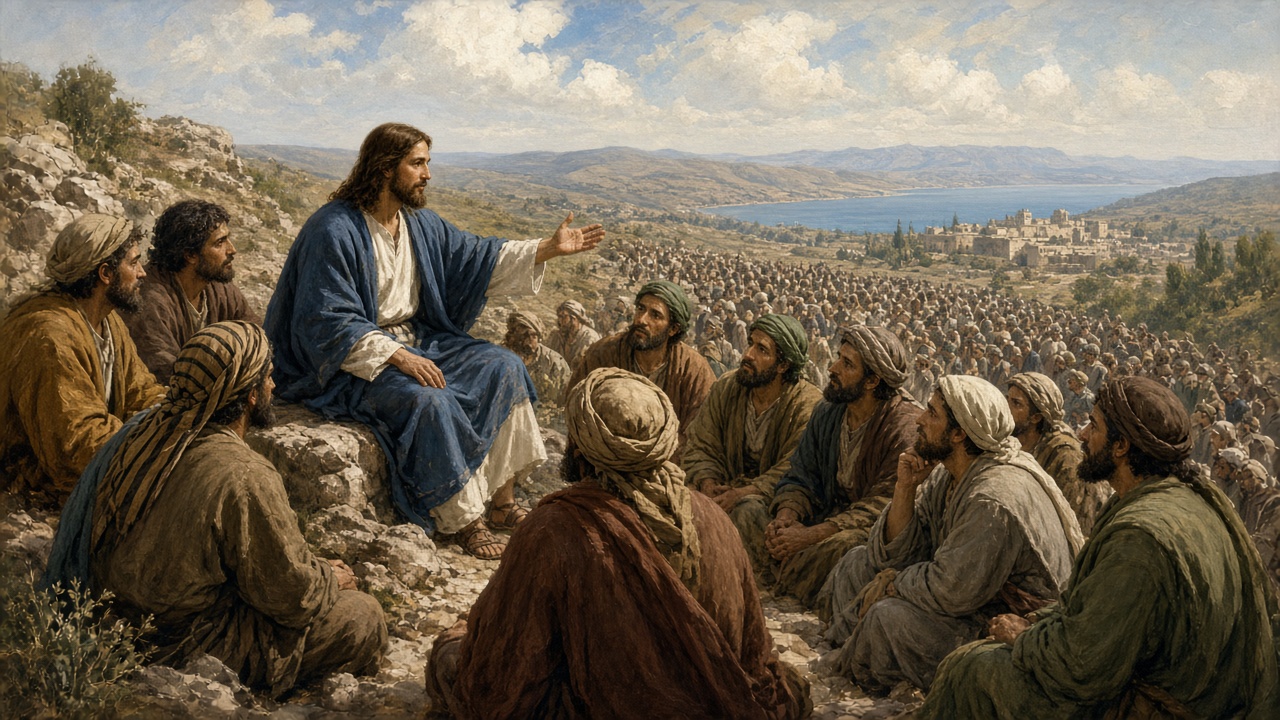
1Noqw pam qaan’ewakw hintaqamuy sinmuy amumi yórikqe, tsomomiq wupqe, epeq qatuptuqw, put aw nánatuwnayaqam put aw öki. 2Noqw pam lavayhtiqe, pumuy tutuqaynativaqe, amumi paṅqawu:
True Happiness
3Aṅ okiw’unaṅway’yuṅqam hahlayhpit epya; pi puma hapi ōveqatsit ep moṅwtunatyat himuy’yuṅwa. 4Pas aṅ tsaykitaqam hahlayhpit epya; pi puma okyani. 5Aṅ pasi’naṅway’yuṅqam pas hahlayhpit epya; pi puma tūwaqatsit makiway’yuṅwni. 6Aṅ suan hinwisniqey tuṅlay’yuṅqam, hak nȫsiwhqat, pu kūyit hin tuṅlay’taqat pan suan hinwisniqey tunatyawyuṅqam pas hahlayhpit epya; pi puma tunatyay aw yórikyani. 7Aṅ nun’okwat hahlayhpit epya; pi God pumuy ōkwatuwni. 8Aṅ suan unaṅway’yuṅqam hahlayhpit epya; pi puma God aw yórikyani. 9Aṅ namivöhikit tumalay’yuṅqam hahlayhpit epya; pi puma God tímatnihqey pan túṅwantiwyani. 10Aṅ suan hinwisqey ep okiwsahsanwaqam hahlayhpit epya; pi puma hapi ōveqatsit aṅqw moṅwtunatyat himuy’yuṅwa. 11Sinom inutsviy umumiq hīhiṅqaqwak̇ahk̇aṅw, umuy okiwsahsanyak̇aṅw, sohsok hīhihta qalolmat umuy atsátotoynayaqw, uma hahlayhpit epyani. 12Uma hahlayhtote’ pas hinhaqam hahlayyani; ispi uma ōveqatsit ep qaan’ewakw ahsatit makiwyaniqee; pi pay puma Tutuyqawhqat lavay’aymuyatuy umupyeveyaqamuy pan okiwsasna.
Salt and Light
13Uma hapi tūwaqatsit ep ȫṅat anyuṅwa. Nīk̇aṅw pi ȫṅa suhuviwe’, sen hihta akw piw suhutiwni? Pi pam pāpu qa hihta ápiynihqe maspiwhq, sinom aw wukukuykuyani. 14Uma hapi sinmuy amumi tālat anyuṅwa. Tsomoveq kitsóki wúnuhqa kurs hin tupkiltiṅwu. 15Ya sen sinom wihqöhit úwiknaye’, hihta sīvut akw put kuhtayaṅwu? Qae. Puma put tsotsókpiyat epeq tsok̇ayaqw, pam kīve yesqamuy sohsokmuy amumi talni’taṅwu. 16Noqw pan hapi uma sinmuy amumi talni’yuṅwni; noqw puma umuhtutmalay lolmat aw tāyuṅwe’, ōveqatsit ep Umunay pas hihtatotani.
Teaching about the Law
17Uma qa yan inumi wūwayani: Pam k̇a tutavot piw Tutuyqawhqat lavay’aymuyatuy lavayiyamuy ayo yúkuniqe ōviy pitu. Nu qa paniqw ōviy pitu; pi nu put aw antsanniqe ōviy pitu. 18Nu hapi umumi pas súaṅqawni: Pay tokpela, pu tūwaqatsit nātoniqw, soon tutavot ep hihsay tsohkokpu alöṅtini; soon sushihsay pey’taqa put aṅqw súlawhtini, pas aṅ ahsupoq tunatyaat aw antsaniwniqat aw pahsavoo. 19Paniqw hapi ōviy hak haqam it tutavot ep hihta sushihsakwhoyat ayo yukut, pan tūtutuqaynaqa ōveqatsit aṅqw moṅwtunatyat ep susqahimunihqey pan túṅwantiwni; pu hak haqam put an hinmaqa pan tūtutuqaynaqa hapi ōveqatsit ep moṅwtunatyat ep pas pávannihqey pan túṅwantiwni. 20Pas uma soon qa imuy tutavot tutuqaynayaqamuy‐nik̇aṅw pu Pharisee‐sinmuy, pumuy amuhpenihqe pavan suan hinwisni. Uma qa panwise’, pas soon ōveqatsit ep moṅwtunatyat aw yuṅni.
Teaching about Anger
21Uma nanaptaqw ura hisatsinom yan lavayhtoti: Um qa hakiy nīnani, kitota; pu hakiy nīnaqa hin yukuniwniqey aw unahinhtimantani, kitota. 22Noqw nu’ hapi umumi paṅqawni: Hakiy sinoat hakiy ehpewi qa hihta ep qaanhtiqw, hak put ep itsívuiwtaqa hapi hin yukuniwniqey aw unahinhtimantani; pu hak sinoy pas qa hihtataqa nawus moṅwtsovawtaqamuy amumi taviwmantani; pu hak haqam Um núanhimuu, hakiy aw kitahqa maskiveq qȫhit sivihpit aqw unahinhtimantani. 23Paniqw ōviy kurs um hom’oyvihk̇at ep uhkuwahtipuy kwusivat, ura uhsino ūmi hihta ep unaṅway’taqat u’ne’, 24Um pep uhkuwahtipuy mātapt, ahpiynen, put amum namivöhikt, pu’ pahsat awnen, uhkuwahtipuy távimantani. 25Um uhpew’iwtaqat īts amum namivöhikmantani, nāt amum aqwnik̇aṅwo; taq nāp hisat sen pam hakiy hin yukunaṅwuqat aw uṅ mātapq, pam uṅ solāwat aw noaqw, pam uṅ sivivanani. 26Nu umumi pas antsa paṅqawni: Pas um soon paṅqw yámakni, pas ason um hisat uhpöiy sohsok ep sisve’, pep pu’ paṅqw yámakni.
Teaching about Adultery
27Uma nanaptaqw ura hisatsinom yan lavayhtoti: Um hakiy qa nāp uhhimuy qa kwaṅwáy’ni 28Noqw nu’ hapi umumi paṅqawni: Wuhtit aw nuvö’tay’taqa hapi pay unaṅwpeq put kwaṅwáy’ṅwu. 29Noqw ōviy kurs putvaqwat uhposi uṅ qalomáhintsanqw um put hóroknat nahpiy tūvani. Pay pi tatam uhposi súlawhtiqw, um pank̇aṅw ōveqatsit aṅqw moṅwtunatyat aw pákini, hikis pi as um uhtokoy pasiwk̇aṅw qȫhit sivihpit aqw tūviwni. 30Pu kurs putvaqwat uhma uṅ qalomáhintsanqw, um put ayo tuk̇e’ nahpiy tūvani. Pay pi tatam uhma súlawhtiqw, um pank̇aṅw ōveqatsit aṅqw moṅwtunatyat aw pákini, hikis pi as um uhtokoy pasiwk̇aṅw qȫhit sivihpit aqw tūviwni.
Teaching about Divorce
31Pu ura piw paṅqaqwa: Nȫmay mātapniqa pan tutuvenyukit put máqamantani. 32Noqw nu’ hapi umumi paṅqawni: Hak wuhti tokoy qa hovalaqw, put kōñaat put mātave’, pay yoñayqatsit aw put mātapṅwu. Noqw hak tāqa put ámumtiqa pay tokot sokoptaṅwu.
Teaching about Vows
33Pu uma piw nanaptaqw ura hisatsinom yan lavayhtoti: Um hihta lavayvasiwne’, put qa atsátamantani; pu um Tutuyqawhqat aw lavayvasiwne’, put anhtini, kitota. 34Noqw nu hapi umumi paṅqawni: Uma hihta lavayvasiwnaye’ qa hihta akw put öqaltoynayani. Uma qa ōveqatsit akw öqallavayhtotini, taq pam God moṅw’atsvewaata. 35Pu piw qa tūwaqatsit akw’a, taq pam put wuwukpiata, pu piw qa Jerusalem akw’a, taq pam a’nö Moṅwit wuhkokitsokiata. 36Piw um qa uhqötöy akw uhlavayiy pavan öqalat pasiwnamantani, taq um soon sūkw hȫmit qȫtsatani, piw qömvitani. 37Nīk̇aṅw uma pay Owi, kitotani, sen Qae. Nen uma hin lavayhtote’ panhtotimantani. Taq öqallavayi Nukpanat ahpiy nȫṅanta.
Teaching about Revenge
38Uma nanaptaqw ura hisatsinom yan lavayhtoti: Hak hakiy pōsiyat tūhote’, nawus pam pōsiy akw put ep aw ahoytamantani; pu hak hakiy tamayat tūve’, nawus tamay akw put ep aw ahoytamantani. 39Noqw nu’ hapi umumi paṅqawni: Uma hakiy qalolmat aw qa rohomtotimantani; nīk̇aṅw nāphaqawa putvaqwat uhtayway wuvahtaqw, pay um piw ayaṅqwat put aw namtöknamantani. 40Pu kurs haqawa tutavot aw yank̇aṅw uhnapnay himtaqw, pay um piw aw uh’usimniy mātapmantani. 41Noqw kurs solāwa mōkiy uṅ īkwiltoynat, um sūkw tutskwatuwanit put ámumniqat uṅ tusoq’ayataqw, um lȫq tutskwatuwanit pahsavo put ámumni. 42Hak ūmi hihta tūviṅtaqw um put máqamantani; pu hak ūmi hihta nasimok̇ahtaniqat um nasimokmaqani.
Love for Enemiese
43Uma nanaptaqw ura yan lavayhtotiwa: Um uhsinosṅway aw unaṅway’tani, pu um uhtuwqay aw qa suhtaq’ewni, kitota. 44Noqw nu’ hapi umumi paṅqawni: Uma umuhtuwqamuy amumi unaṅway’yuṅwni; umuy qalomásavitotaqamuy uma amumi lomalvayhtotimantani; umumi qa suhtaq’ewyaqamuy uma amumi lolmat hintsatsk̇ani; pu umuy qalomáhintsahtsanyaqamuy, pu umuy okiwsahsanyaqamuy amuṅem uma nāwakintotani. 45Nen uma kurs pas antsa Umunay ōveqatsit ep qátuhqat tímatni; pi pam aṅ qalōlolmatuy‐nik̇aṅw pu lōlolmatuy amuṅem tāwat yámaknaṅwu; pu súanyuṅqamuy‐nik̇aṅw pu qasuanyuṅqamuy amumi yoknaṅwu. 46Ispi uma umumi unaṅway’yuṅqamuy‐sa amumi unaṅway’yuṅwe’ ya uma hihta ahsati’yuṅwni? Ya hikis pi moṅwit eṅem sīvat ömalalwaqam qa panyuṅwa? 47Pu kurs uma umuhsinomuy‐sa amumi yuaatote’ ya uma mimuy amuhpenihqe hihta alöṅöt hintsatsk̇ani? Ya hikis pi moṅwit eṅem sīvat ömalalwaqam qa panyuṅwa? 48Paniqw ōviy uma pās pasiwyuṅwni, ōveqatsit ep Umuna pās pasiwtaqat pan’i.
Você sabia?
O Sermão do Monte
- Ao ver as multidões, Jesus subiu ao monte, sentou-se e começou a ensinar os discípulos. Esse discurso é conhecido como o Sermão do Monte. Uma nota cronológica situa o início em 28 d.C. e lhe atribui a duração de um dia.Fontes: o próprio texto bíblico · Sermon on the Mount
- Ao ensinar sobre juramentos, Jesus diz para não jurar por Jerusalém, pois ela é a cidade do grande Rei. No original, o nome está no dual e significa possessão da paz ou fundação da paz. Essa forma provavelmente se refere aos dois montes sobre os quais a cidade foi construída, Sião e Moriá, ou, como alguns supõem, à cidade alta e à cidade baixa; também era chamada cidade de Deus e cidade santa.Fontes: o próprio texto bíblico · Jerusalem
Notas escritas com auxílio de IA a partir de fontes abertas (Theographic Bible Metadata, CC BY-SA 4.0; Easton’s Bible Dictionary, domínio público) e revisadas antes de publicar.
Lugares deste capítulo
- Jerusalem · 31.777, 35.234 · versículo 35
Só aparecem lugares com identificação de alta confiança (90% ou mais segundo as fontes acadêmicas reunidas pelo OpenBible). Mapa da época: DARE (Digital Atlas of the Roman Empire), CC BY 4.0; mapa atual: © colaboradores do OpenStreetMap; lugares: OpenBible.info (CC BY 4.0).
Créditos e licença desta tradução
God Lavayiyat Aṅ Puhuvasiwni
New Testament in Hopi (US:hop:Hopi)
copyright © 2012 Wycliffe Bible Translators, Inc.
Language: Hopi
Translation by: Wycliffe Bible Translators, Inc.
Hopi [hop], USA
Copyright Information
© 2012, Wycliffe Bible Translators, Inc. All rights reserved.
This translation text is made available to you under the
terms of the Creative Commons License: Attribution-Noncommercial-No Derivative Works.
( http://creativecommons.org/licenses/by-nc-nd/3.0/ )
In addition, you have permission to port the text to different file formats, as long as you
do not change any of the text or punctuation of the Bible.
You may share, copy, distribute, transmit, and extract portions
or quotations from this work, provided that you include the above copyright
information:
You must give Attribution to the work.
You do not sell this work for a profit.
You do not make any derivative works that change any of the actual words or punctuation of the Scriptures.
Permissions beyond the scope of this license may be
available if you contact
us with your request.
The New Testament
in Hopi
© 2012, Wycliffe Bible Translators, Inc. All rights reserved.
This translation is made available to you under the terms of the
Creative Commons Attribution-Noncommercial-No Derivatives license 4.0.
You may share and redistribute this Bible translation or extracts from it in any format, provided that:
You include the above copyright and source information.
You do not sell this work for a profit.
You do not change any of the words or punctuation of the Scriptures.
Pictures included with Scriptures and other documents on this site are licensed just for use with those Scriptures and documents.
For other uses, please contact the respective copyright owners.
2014-04-25
Fonte: http://ebible.org/hopNT/ · eBible.org