Atos 2
God Lavayiyat Aṅ Puhuvasiwni · Toque num versículo para ver as referências cruzadas.
The Coming of the Holy Spirit
1Noqw talöṅnit Pentecost yan mātsiwhqat aw pituqw, tuptsiwni’yuṅqam sohsoyam sun unaṅway haqam sūp tsovawta. 2Noqw nāt pumuy panyuṅqw, pahsat pay himu wukohuk̇aṅwuy an söykitaqa ōṅaqw pítuhqe, pumuy haqam kīve taṅawtaqw, pep pās ohpo. 3Noqw pep himu ūwiṅwuy antaqa amumi mātaqtiqe, nāhoy tsihtsiktiqe, leñit anhtiqe nānap amuhpa’ kwāvilti. 4Noqw puma sohsoyam Qahováriwtaqat Hikwsit akw tuyqawiwyuṅqe, pahsat pu hīhihtuy amuhkwa yuaaykuya, hin Hikwsi pumuy lavayhuytaqat pan’i. 5Noqw ephaqam k̇aysiwhqam Jew‐sinom God pas k̇aptsi’yuṅqam Jerusalem ep tsovawta. Puma nānan’ivaqw tutskwat aṅqw öki. 6Noqw i’ yantaqa aṅqe’ nanaptiwhq, sinom qaan’ewakw hintaqam sūmi tsovaltiqe, hin kurs wūwaya, puma nanāp amumi tūqayyuṅqw, amuhkwa yuaatotaqw ōviy’o. 7Noqw puma sohsoyam pas hin unaṅwtotiqe k̇ātayuṅqe nānami paṅqaqwa: Meh, ya ima yuaatotaqam qa sohsoyam Galileet aṅqw sinomu? 8Noqw hintaqw ōviy itam nanāp hin lavaymakiway’k̇ahk̇aṅw, tihtiwyaqey pan pumuy yuaatotaqw nanvotya? 9Parthian‐sínomu, Mede‐sínomu, Elamite‐sínomu, pu Mesopotamiat aṅ yesqamu, pu Judeat aṅ’a, pu Cappadociat aṅ’a, pu Pontus aṅ’a, pu Asiat aṅ’a, 10Pu Phrygiat aṅ’a, pu Pamphyliat aṅ’a, pu Egypt aṅ’a, pu Cyrenet ánan’ik Lybiat aṅ hāhaqe’ yesqamu, pu Rome aṅqw yaktaqamu, Jew‐sínomu, pu Jew‐sinmuy amún tuptsiwni’yuṅqamu, 11Crete‐sínomu, pu Arabia‐sínomu, puma God k̇ātutmalayat itamuhkwa yuaatotaqw, itam sohsoyam nanvotya, kitota. 12Nihqe puma sohsoyam pas hin unaṅwtotiqe hin kurs hinhtotiniqe paṅqaqwa: Hin pa i’ hintani? 13Noqw pētu tututsiwyaqe paṅqaqwa: Ima puhut wine akw hōnaq’iwyuṅwa.
Peter’s Message
14Noqw Peter pakwt sukw sihk̇ay’taqamuy amumum wunuk̇aṅw, lavayhtiqe sinmuy amumi paṅqawu: Uma Judeat ep yesqamu, pu sohsoyam Jerusalem ep ki’yuṅqamu, nu umuy it āawnani; uma ilavayiy aw tuqayvastotani. 15Itam qa hōnaq’iwyuṅqw uma pan itamumi wūwantota, nāt pu’ töṅva. 16Pi i’ hapi God lavay’ayayat Joel aṅ lavayhtiwa, ura paṅqawu: 17Pu so’ṅwamiq hapi yantani, kita God, nu sohsokmuy sinmuy amumi Ihikwsiy wūtani. Noqw umuhtim tōtim pu mamant inuṅem yuaatotani; pu umuhtahtaqt su’peyaqam tuawyorstotani, pu umuhwuwuyom tahtaqt tumokyorstotani. 18Pu ep nu imuy itutuwiktuy tahtaqtuy pu momoyamuy amumi Ihikwsiy wūtani. Noqw puma inuṅem yuaatotani. 19Pu nu ōvaqe tokpelat aṅqe’ k̇ātatayhpit poñalawni, pu atpik tūwaqatsit aṅ hihta tuawi’yuṅqata, úṅwata, pu ūwiṅwuyu, pu kwits’ohpokita. 20Tāwa qatālawvani, pu mūyaw uṅwat anhtini nāt Tutuyqawhqat wukotalöṅniyat pas qaöwíhintaqat aw qa pítuq’ö. 21Pep pu’ ason hak Tutuyqawhqat aw taqa’naṅwtiqa ayo yámakmantani, kita úrai. 22Uma Israel‐sinom tahtaqtu, uma it lavayit aw tuqayvastotani. I’ Nazareth aṅqw tāqa Jesus God aṅqw hahlaywa. Noqw God öqalay akw put ahpiy k̇ātumalat, pu kātatayhpit hihta tuawi’yuṅqat tumalta. Yan pam put hahlayhqey umumi mahtakna. Noqw uma hapi pas nāp put navoti’yuṅwa. 23Put hapi uma God pasiwniyat, pu aṅwu pay hihta navotiyat akw put ṅuayaqe, qaanhinwisqamuy amumi put mātatveqw, puma nahoylehtsit aw put muayaqe, nīnaya. 24Noqw God put ahoy tātayna, mokiwuy öqalayat aṅqw put mātapqee, kurs hin pam put ṅui’taniqw ōviy’o. 25Pi David ura put yan lavayhti: Pas nu sutsep inutpipo Tutuyqawhqat tuway’ta; pi pam iputvaqe wúnuq’ö. Noqw ōviy soon nu hin unaṅway’tani. 26Paniqw ōviy iunaṅwa hahlayhti, pu ileñi pas hahlayhti, pu ōviy piw itoko ūmi yank̇aṅw nāsuṅwni’tani. 27Ispi um soon ihikwsiy maskiveq mātapniq’ö; piw um soon uhtumal’ayay Qahováriwtaqat hovahtiniqw nakwhani. 28Um qatsit haqe’ qatsqat nuy āawna; um inumum yantak̇aṅw nuy hahlayhtapnani, kita úrai. 29Tahtaqtu, isinomu, kurs nu pas qatuhtusk̇aṅw umumi itahwu’yay David lavayhtini; ura pam mokqe āmilti, noqw put tūamiat nāt itamum yanta. 30Ura David God lavay’ayaatnihqe navoti’taqw, ura God put aw qaöwívasiwnaqe, pam put aniwniyat aṅqw Christ wunuptsinat, put moṅw’atsvewayat ep qatuptsinaniqey yan lavayhti. 31Noqw pam it yantaqat aṅwu pay tuway’taqe, Christ ahoy tātayniqat lavayhti, pu put hikwsiat maskiveq qa mātaviwa, piw tokoat qa hovahti. 32It Jesus hapi God ahoy tātayna, noqw itam hapi pas nāp put aw yóriki’yuṅwa. 33Noqw God hapi put momi távihqe, putvaqe put qatuptsina; nihqe it awinit Hikwsit put aw noa. Noqw pam it wūtaqw, uma put pantaqat hapi pu’ aw yórikya, pu nanapta. 34David pi ōmi qa wūvi, nīk̇aṅw pam ura pas nāp paṅqawu: Tutuyqawhqa Imoṅwiy aw paṅqawu: Um hāk iputvaqewat qátuni, 35Nu hisat uhtuwqamuy áṅwutaqw, puma ūmi maqaptsi’yuṅwniqat pahsavoo. 36Noqw ōviy Israel‐sinom sohsoyam it pas suyan nanaptani: Uma hapi it Jesus nahoylehsit aw muaya. Noqw God hapi put Tutuyqawhqanihqat pan yuku, piw put Christ, yan tuṅwa. (Pam Moṅw’asi’taqa i’nihqe pam’i.) 37Noqw puma it yantaqat nanaptaqe pavan pas unaṅwmokyaqe, Peter‐nik̇aṅw pu mimuy ayaiwyuṅqamuy amumi paṅqaqwa: Tahtaqtu, itahpavamu, noqw itam hinhtotini? 38Pahsat pu Peter amumi paṅqawu: Uma umuhtunatyay aṅqw lasyani. Nen uma sohsoyam Jesus Christ natṅwaniyat aṅ kūyit akw tuvoylatotini, umuhqaanhtipu ayo yukiltiniqat ōviy’o; nen uma Qahováriwtaqat Hikwsit kuwahtiwhqat makiwyani. 39Pi awini hapi umuṅemi; pu umuhtimuy amuṅemi, pu sohsokmuy yāvaqyaqamuy amuṅemi, hihsa’nihqam hakimuy Itahtutuyqawhqa God wáṅwayniqamuy amuṅemi. 40Pu pay wūhaq lavayit akw pam amumi hin hintaqat yuaataqe, amumi ö’qalqe paṅqawu: Uma pu’ qatsívaptsiwyuṅqamuy nukusyesqamuy qa amumum hinwisni; taq k̇a uma amún súlawhtini. 41Pahsat pu k̇aysiwhqam hahlayk̇ahk̇aṅw, put lavayiyat kwusuyaqe, kūyit akw tuvoylatoti; noqw put tāwat ep payhp sōmorit pahsa’haqam sinom pumuy amumi tōnalti. 42Nihqe puma su’qawk̇ahk̇aṅw, yūmosa ayaiwyuṅqam pumuy hin tutuqaynayaqat aṅ tutuqayya, pu sūp hinwisk̇ahk̇aṅw, Jesus u’nik̇ahk̇aṅw pölavikit yóṅoylalwa, piw nāwakinwisa.
Life amoung the Believers
43Noqw sinom sohsoyam maqastoti; noqw God ayaiwyuṅqamuy amuhpiy hīhihta k̇ātatayhpit hihta tuawi’yuṅqat nihtiwtaqat hintsaki. 44Noqw ima tuptsiwni’yuṅqam sūp hinnumya; nihqe sohsok hihta sūmi himuy’yuṅwa. 45Nihqe puma hihta himuy huyaye’, hihta hihsa’ ömahtotaqey nāhuytaṅwu, hin pumuy hihta haqni’yuṅqat pan’i. 46Noqw puma nāqavo sun tunatyawk̇ahk̇aṅw God kīyat ep hinnumya, pu haqam hakiy kīyat ep pölavikit yóṅoyhtotaṅwu; pu puma hahlayk̇ahk̇aṅw nȫsiwhqay nōnova, sun unaṅway’k̇ahk̇aṅwo. 47Pu puma God tayawink̇ahk̇aṅw sohsokmuy amuhpiy hahlaywa. Pu Tutuyqawhqa ayo nȫṅantaqamuy akw nāqavo put aw tōnawtaqamuy amumi hóyokinta.
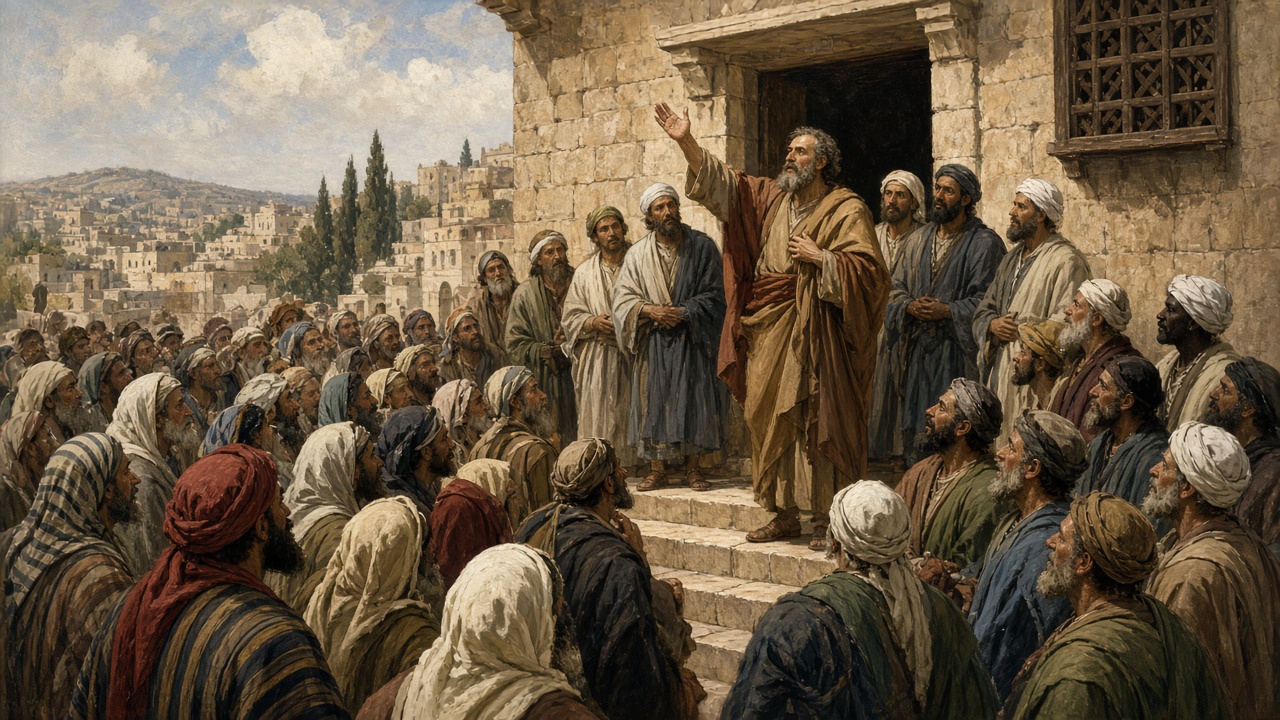
Você sabia?
O Espírito vem no Pentecostes
- Judeus tementes a Deus, de todas as nações debaixo do céu, já moravam em Jerusalém quando um som como o de um vento forte e impetuoso veio do céu e encheu a casa, e os que falavam começaram a anunciar as maravilhas de Deus em outras línguas. Neste capítulo, “Ásia” é a província romana da Ásia Proconsular, na parte ocidental da Ásia Menor, cuja capital era Éfeso — e não o continente com esse nome. O Ponto, ao longo da costa sul do mar Euxino, era uma província romana no tempo dos apóstolos e um lugar frequentado por muitos judeus da Dispersão; a Capadócia era a província mais oriental e a maior da Ásia Menor.Fontes: o próprio texto bíblico · Asia · Pontus · Cappadocia
- A multidão ficou espantada de que os que falavam fossem galileus. Quem se levantou com os Onze e lhes falou foi Simão Pedro, chamado antes Simão — isto é, Simeão, que significa “ouvir” —, um pescador de Betsaida, na costa ocidental do mar da Galileia, a quem seu irmão mais novo, André, levou primeiro a Jesus.Fontes: o próprio texto bíblico · Simon Peter
- Pedro disse que aquilo era o que havia falado o profeta Joel. Joel, o segundo dos doze profetas menores, era filho de Petuel, e sua história pessoal só é conhecida pelo seu livro. Pedro também citou Davi, o oitavo e o mais novo dos filhos de Jessé, de Belém, e disse à multidão que esse patriarca havia morrido e fora sepultado, e que seu túmulo ainda estava com eles em Jerusalém.Fontes: o próprio texto bíblico · Joel · David
Notas escritas com auxílio de IA a partir de fontes abertas (Theographic Bible Metadata, CC BY-SA 4.0; Easton’s Bible Dictionary, domínio público) e revisadas antes de publicar.
Lugares deste capítulo
- Jerusalem · 31.777, 35.234 · versículos 5, 14
- Galilee · 32.760, 35.527 · versículo 7
- Asia · 38.400, 28.300 · versículo 9
- Cappadocia · 38.671, 34.839 · versículo 9
- Judea · Hoje: Judea 1 · 31.777, 35.234 · versículos 9, 14
- Mesopotamia · Hoje: Aram-naharaim · 36.864, 39.033 · versículo 9
- Pontus · 40.680, 37.830 · versículo 9
- Cyrene · 32.821, 21.851 · versículo 10
- Egypt · 30.129, 31.308 · versículo 10
- Libya · 32.821, 21.851 · versículo 10
- Pamphylia · 37.000, 31.000 · versículo 10
- Phrygia · 39.000, 31.000 · versículo 10
- Rome · 41.892, 12.485 · versículo 10
- Nazareth · 32.702, 35.298 · versículo 22
Só aparecem lugares com identificação de alta confiança (90% ou mais segundo as fontes acadêmicas reunidas pelo OpenBible). Mapa da época: DARE (Digital Atlas of the Roman Empire), CC BY 4.0; mapa atual: © colaboradores do OpenStreetMap; lugares: OpenBible.info (CC BY 4.0).
Créditos e licença desta tradução
God Lavayiyat Aṅ Puhuvasiwni
New Testament in Hopi (US:hop:Hopi)
copyright © 2012 Wycliffe Bible Translators, Inc.
Language: Hopi
Translation by: Wycliffe Bible Translators, Inc.
Hopi [hop], USA
Copyright Information
© 2012, Wycliffe Bible Translators, Inc. All rights reserved.
This translation text is made available to you under the
terms of the Creative Commons License: Attribution-Noncommercial-No Derivative Works.
( http://creativecommons.org/licenses/by-nc-nd/3.0/ )
In addition, you have permission to port the text to different file formats, as long as you
do not change any of the text or punctuation of the Bible.
You may share, copy, distribute, transmit, and extract portions
or quotations from this work, provided that you include the above copyright
information:
You must give Attribution to the work.
You do not sell this work for a profit.
You do not make any derivative works that change any of the actual words or punctuation of the Scriptures.
Permissions beyond the scope of this license may be
available if you contact
us with your request.
The New Testament
in Hopi
© 2012, Wycliffe Bible Translators, Inc. All rights reserved.
This translation is made available to you under the terms of the
Creative Commons Attribution-Noncommercial-No Derivatives license 4.0.
You may share and redistribute this Bible translation or extracts from it in any format, provided that:
You include the above copyright and source information.
You do not sell this work for a profit.
You do not change any of the words or punctuation of the Scriptures.
Pictures included with Scriptures and other documents on this site are licensed just for use with those Scriptures and documents.
For other uses, please contact the respective copyright owners.
2014-04-25
Fonte: http://ebible.org/hopNT/ · eBible.org