2 Timóteo 4
God Lavayiyat Aṅ Puhuvasiwni · Toque num versículo para ver as referências cruzadas.
1Paniqw hapi ōviy nu God aw yank̇aṅw uṅ ayatani, pu Tutuyqawhqat Jesus Christ aw yank̇aṅwo; pam hapi mātakte’, moṅwtaviwe’, aṅ yesqamuy, pu pay so’pumuy hinwat yukunani. 2Nu ūmi pas paṅqawni: Um lavayit yuaatani, nāp hísat nukwáṅw’ewhtiqw, pu pay nāmahin sen qa nukwáṅw’ewhtiqw, um hakiy aw put ep písoqmantani. Hakiy hihta ep öwihiniwhtiqw, um hakiy u’nanamantani, mēwamantani, pu qa naṅ’ekni’k̇aṅw sinmuy öqawhtoynani, pu God lavayiyat tūtutuqaynani. 3Taq pay nāt haqahpiy sinom hihta suan tutuqayhpit soon aw tūqayyuṅwe’, kwaṅwálvayit‐sa nanaptaniqey nānawakne’, ōviy haqe’ unaṅwaam qatsqat paṅ pumuy tutuqaynayaniqamuy nāmi wáṅwayyani. 4Nen puma it lavayit pas antsanihqat qa aw tuqayvastotat, soq tuwat tūtuwutsit aw unaṅwtapyani. 5Noqw um hapi sohsok hihta aṅ pās tunatyaltini, nen k̇ānavotpit aṅ kuytani; lomatuawit yuaatani; uhtumalmakiway sohsok suan tumalay’tani. 6Taq nu God eṅem nīniwniqat aw pitsíwta; pay k̇a nu tsāvotiqw yaṅqw ahpiyni. 7Nu itahtuptsiwniy aw pās tunatyawtaqe, put eṅem rohomnuma, qanātusi’k̇aṅwo. Soñawnen inuṅem pöhtavit nu aṅ kuyva. 8Noqw ōviy Tutuyqawhqa iahsatiy inuṅem warani’ta, nuy suan qatsí’taqat ep’e. Nihqe ason pam pite’, sinmuy amuṅem suan yuk̇e’, pep pu’ pam inumi put nóani, pu hakim kwaṅwtoynayak̇ahk̇aṅw put nuhtay’yuṅqamuy amumi pīwu.
Personal Words
9Um qa nātusi’te’ īts peqw inumini. 10Taq Demas nuy tatamhta, yep qatsit pas hihtataqee; nihqe Thessalonicat aqwhaqamii. Noqw Crescens Galatiat aw’i. Noqw Titus Dalmatiat aw’i. 11Pay Luke‐sa inumuma. Um Mark wikte’, peqw inumini taq pam tumalat aṅ nuy a’nö paaṅwanta. 12Pu nu Tychicus Ephesus aw hōna. 13Pu nu Troas ep ivö́sālay Carpus aw taviqw, um ason peqw put yawmani, pu hīhihta tutuvenita. Tis ōviy himuvuk̇at aṅ pey’yuṅqat um soon aṅqw qa kímani. 14I’ palasivat siplawhqa Alexander nuy a’nö qalomáhintsana. Pay ason Tutuyqawhqa put tumalayat aṅ aw ahoytani. 15Noqw put hapi um ep nāmi tunatyaltini; taq pam itahlavayiy ep itamumi a’nö rohomhti. 16Nāt nu sūs nēṅem lavayhtiqw, qa hak inumum wunu; sohsoyam nuy tatamhtota. Pay hisnen i’ yantaqa qa amunkiwakw hintani. 17Noqw pay pi as pantotiqw, Tutuyqawhqa inumum wunuwk̇aṅw nuy öqalantat, wukotohowuy moaṅaqw nuy ayo tavi, nu lomatuawit aṅ ahsupoq tunvotnaqw, sohsoyam qa‐Jew‐sinom nanaptaniqat ōviy’o. 18Nihqe pam nāt piw sohsok hihta qalomáhintsatskiwhqat aṅqw nuy soon qa ayo távini, nen ōveqatsit ep moṅwtunatyay aw nuy pās wikni. Nam pam sutsep aqwhaqami tayawintiwaa.
Final Greetings
19Um inuṅem Priscat‐nik̇aṅw pu Aquilat pumuy öqalani, pu Onesiphorus ep kīvituyu. 20Erastus pay Corinth ep huruhti; noqw nu Trophimus tūtuyhqat Miletum ep tavi. 21Um qa nātusi’te’, nāt qa tö́mö’tiqw peqwni. I’ Eubulus uṅ öqala, pu Pudens, pu Linus, pu Claudia, pu ahpiy pay sohsoyam Christ aw tuptsiwni’yuṅqamu. 22Nam Tutuyqawhqa Jesus Christ umum yantani. Núokwa umumum yantaa. Nam antaa.
Você sabia?
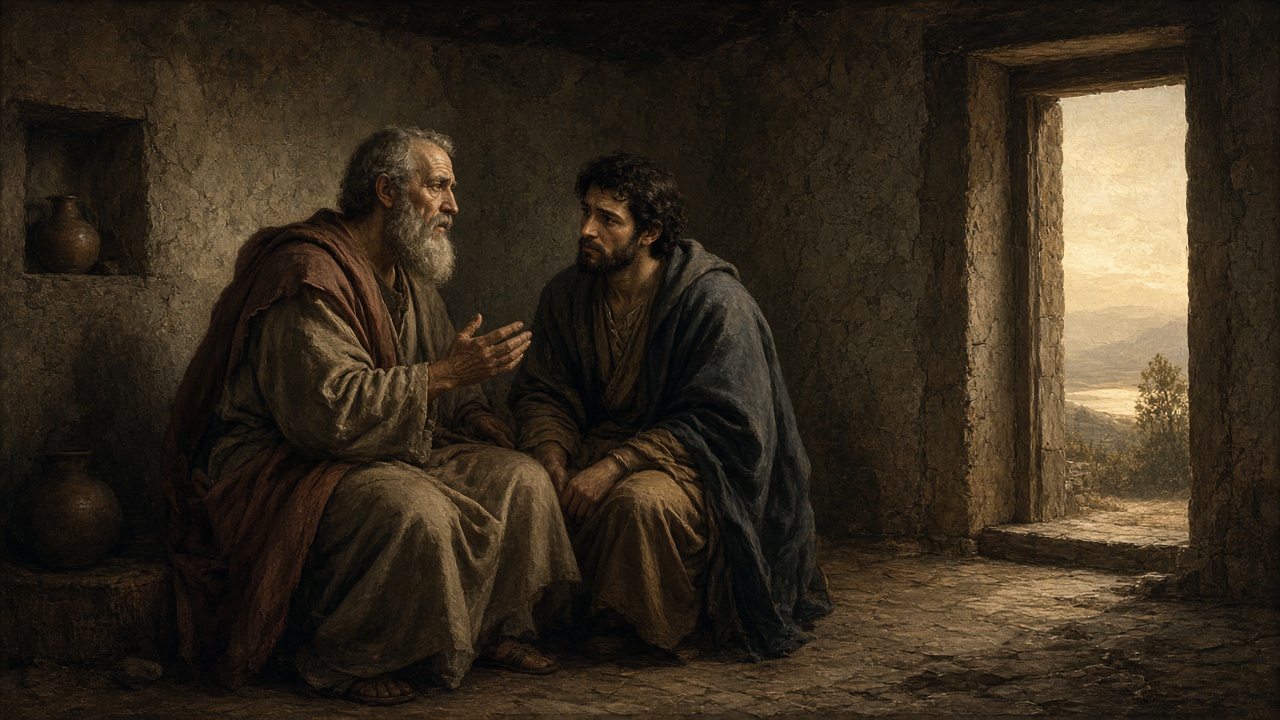
A exortação final e a despedida de Paulo
- Paulo pede a Timóteo que venha depressa. Demas, que o Dicionário Bíblico de Easton (1897) descreve como companheiro e colaborador de Paulo durante sua primeira prisão em Roma, abandonou-o por amor a este mundo e foi para Tessalônica, grande cidade no golfo Termaico e capital de um dos quatro distritos romanos da Macedônia. Crescente foi para a Galácia e Tito para a Dalmácia, região montanhosa na costa oriental do Adriático e parte da província romana do Ilírico; Paulo enviou Tíquico a Éfeso, e só Lucas permanece com ele.Fontes: Demas · Thessalonica · Dalmatia · o próprio texto bíblico
- O Dicionário Bíblico de Easton (1897) identifica Alexandre, o latoeiro, como um homem que, com Himeneu e outros, ensinava certas ideias sobre a ressurreição, e afirma que Paulo o excomungou. Neste capítulo, Paulo escreve que Alexandre lhe fez grande mal, pede a Timóteo que se acautele dele, porque se opôs com vigor à nossa mensagem, e diz que o Senhor lhe retribuirá segundo as suas obras.Fontes: Alexander · o próprio texto bíblico
- Paulo pede a Timóteo que traga a capa que deixou com Carpo em Trôade, junto com os rolos, especialmente os pergaminhos, e que chegue antes do inverno. Trôade era uma cidade no litoral da Mísia, no noroeste da Ásia Menor, que recebeu o nome da antiga Troia, situada cerca de quatro milhas ao norte.Fontes: Troas · o próprio texto bíblico
Notas escritas com auxílio de IA a partir de fontes abertas (Theographic Bible Metadata, CC BY-SA 4.0; Easton’s Bible Dictionary, domínio público) e revisadas antes de publicar.
Lugares deste capítulo
- Dalmatia · 43.813, 16.219 · versículo 10
- Galatia · 39.267, 32.983 · versículo 10
- Thessalonica · Hoje: Thessaloniki · 40.638, 22.946 · versículo 10
- Ephesus · 37.939, 27.341 · versículo 12
- Troas · Hoje: Alexandria Troas · 39.752, 26.159 · versículo 13
- Corinth · 37.906, 22.879 · versículo 20
- Miletus · 37.531, 27.276 · versículo 20
Só aparecem lugares com identificação de alta confiança (90% ou mais segundo as fontes acadêmicas reunidas pelo OpenBible). Mapa da época: DARE (Digital Atlas of the Roman Empire), CC BY 4.0; mapa atual: © colaboradores do OpenStreetMap; lugares: OpenBible.info (CC BY 4.0).
Créditos e licença desta tradução
God Lavayiyat Aṅ Puhuvasiwni
New Testament in Hopi (US:hop:Hopi)
copyright © 2012 Wycliffe Bible Translators, Inc.
Language: Hopi
Translation by: Wycliffe Bible Translators, Inc.
Hopi [hop], USA
Copyright Information
© 2012, Wycliffe Bible Translators, Inc. All rights reserved.
This translation text is made available to you under the
terms of the Creative Commons License: Attribution-Noncommercial-No Derivative Works.
( http://creativecommons.org/licenses/by-nc-nd/3.0/ )
In addition, you have permission to port the text to different file formats, as long as you
do not change any of the text or punctuation of the Bible.
You may share, copy, distribute, transmit, and extract portions
or quotations from this work, provided that you include the above copyright
information:
You must give Attribution to the work.
You do not sell this work for a profit.
You do not make any derivative works that change any of the actual words or punctuation of the Scriptures.
Permissions beyond the scope of this license may be
available if you contact
us with your request.
The New Testament
in Hopi
© 2012, Wycliffe Bible Translators, Inc. All rights reserved.
This translation is made available to you under the terms of the
Creative Commons Attribution-Noncommercial-No Derivatives license 4.0.
You may share and redistribute this Bible translation or extracts from it in any format, provided that:
You include the above copyright and source information.
You do not sell this work for a profit.
You do not change any of the words or punctuation of the Scriptures.
Pictures included with Scriptures and other documents on this site are licensed just for use with those Scriptures and documents.
For other uses, please contact the respective copyright owners.
2014-04-25
Fonte: http://ebible.org/hopNT/ · eBible.org