Apocalipse 7
Tuivang Holy Bible · Toque num versículo para ver as referências cruzadas.
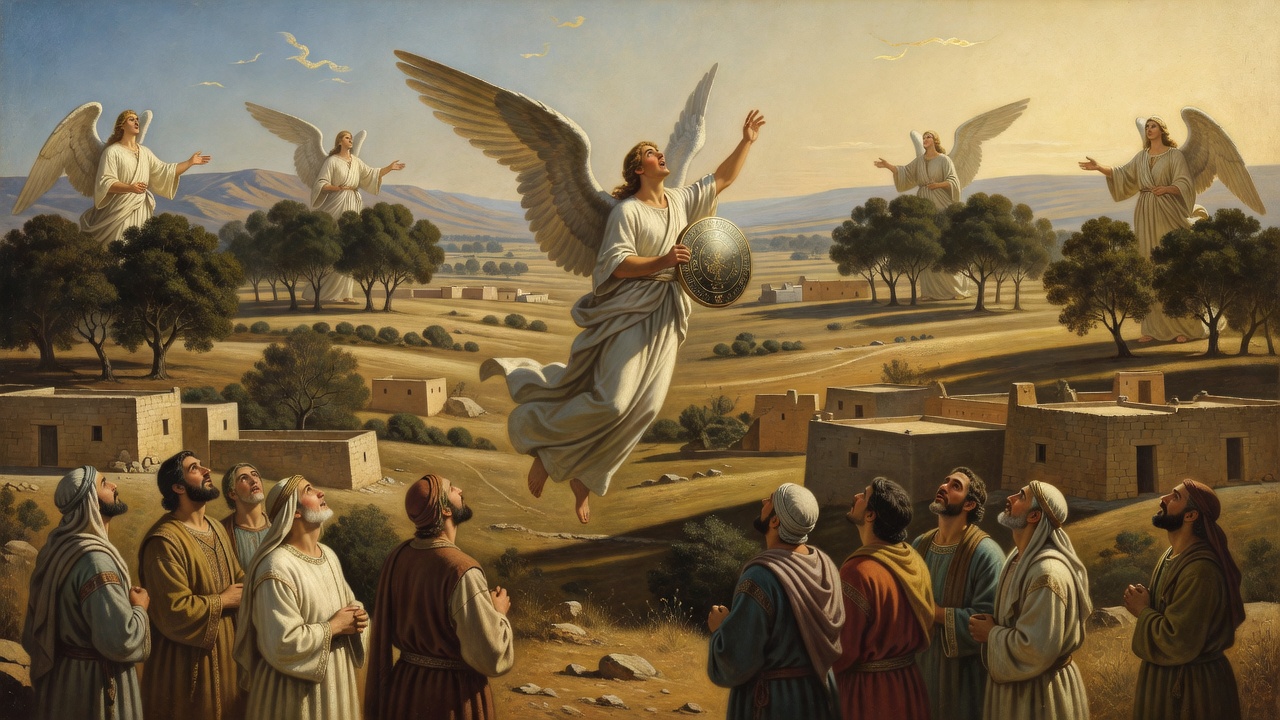
1Cekcoengawh taw khawmdek kil pupphli awh ak pha law khan ceityih pupthli ce hu nyng, cekkhqi ing dek khan, tuicun ingkaw thingkhqi awh awm ama hlinaak aham khawmdek awh zilh pupthli ce tu khak uhy. 2Cekcoengawh khawlaw benna kawng ak law khan ceityih pynoet ce hu bai nyng, anih ing ak hqing Khawsa hatnaak ce tahy. Dek ingkaw tuicun plawci sak thainaak ak ta khan ceityih pupthli ce anih ing khawteh na khy hy: 3Khawsa a tyihzoeihkhqi a talri awh hatnaak ka taak peek hlan dy dek ingkaw tuicun ingkaw thingkhqi ce koeh plawci sak,” tina hy.
4Cekcoengawh hatnaak ak takhqi noetnaak ce za nyng: Isarael pilnam boeih khui awhkawng 144, 000 law hy.
5Juda pilnam khuiawh 12,000 hatnaak tahy,
Reuben pilnam khuiawh 12,000,
Gad pilnam khuiawh 12,000,
6Asher pilnam khuiawh 12,000,
Naphtali pilnam khuiawh 12,000,
Manasseh pilnam khuiawh 12,000,
7Simeon pilnam khuiawh 12,000,
Levi pilnam khuiawh 12,000,
Assachar pilnam khuiawh 12,000,
8Zebulun pilnam khuiawh 12,000,
Joseph pilnam khuiawh 12,000,
Bejamin pilnam khuiawh 12,000
tloek ve hanta awm hy. 9Cekcoengawh ka toek awh, qamtawm, phynlum, awi cawm awi ce u ingawm ama noet noeng thlang kqeng boei ngawihdoelh ingkaw Tuuca haiawh ak dyi ce hu nyng. Cekkhqi ing hik bawk ce bai unawh ami kut samtoe ce pawm uhy. 10Awi khawteh na: Hulnaak taw boei ngawihdoelh awh ak ngawi ningnih a Khawsa ingkaw Tuuca a koe ni,” tinawh khy uhy.
11Khan ceityih boeih ing boei ngawihdoelh ing a hqamcakhqi ingkaw ik-oeih sai hqing pupthli tloek ce chung unawh dyi uhy. Boei ngawihdoelh haiawh koep doena Khawsa ce bawk uhy, 12ve myihna kqawn uhy: “Amen! Kyihcahnaak, zoeksangnaak, cyihnaak ingkaw zeel awi kqawnnaak, kqihchahnaak, saithainaak, thaawmnaak taw kumqui dyna ningnih a Khawsa ni Amen,” ti uhy.
13Cawh a hqamca pynoet ing ni doet hy, “Vawhkaw hik bawk ak baikhqi ve u khqi nu, hana kawng ami law?” ni tina hy.
14Kai ing, “Bawipa namah ing sim hyk ti,” tina nyng. Cawh anih ing, “Vawhkaw thlangkhqi vetaw kyinaak ak bau soeih khui awhkawng ak law khqi ni, Tuuca thi ingkaw a hikhqi ce ak bawk cana ak chuk thlangkhqi ni. 15Cedawngawh, cekkhqi taw Khawsa a ngawihdoelh a haiawh awm unawh than dai a bawkim khuiawh a bi ce bi pe uhy, boei ngawihdoelh awh ak ngawi ing cekkhqik khanawh hi im ce zyng pek khqi kaw. 16Buh am cawi qoe voel kawm uh, tui awm am ngaih voel kawm uh, khawling ing am eng khqi voel kawmsaw, a ling ingawm am dawi thai voel kaw. 17Kawtih boei ngawihdoelh ang lung awh ak ngawi Tuuca ce cekkhqi a tuukhaikung na awm kawmsaw hqingnaak tui a lawngnaak kung awh cekkhqi ce sawi khqi kaw. A mikphli tuikhqi ce Khawsa ing huih pek khqi kaw,” tina hy.
Você sabia?
As tribos seladas e a grande multidão
- Apocalipse 7 apresenta o número dos selados como 144.000, doze mil de cada uma das tribos de Israel nomeadas no capítulo. Israel era outro nome de Jacó, o segundo dos filhos gêmeos de Isaque e Rebeca; o Easton's Bible Dictionary (1897) explica o nome de Jacó como alguém que segue os calcanhares de outro, ou um suplantador.Fontes: o próprio texto bíblico · Jacob (Israel)
- Embora Rúben fosse o filho mais velho de Jacó e Lia, a lista dos selados começa com Judá e depois nomeia Rúben. A lista inclui também tanto José como Manassés; Manassés era o filho mais velho de José, e Jacó adotou a ele e a seu irmão Efraim como seus próprios filhos.Fontes: o próprio texto bíblico · Reuben · Manasseh (son of Joseph)
- Depois do selamento, a visão mostra uma multidão grande demais para ser contada, de toda nação, tribo, povo e língua, de pé diante do trono e do Cordeiro, com vestes brancas e ramos de palmeira nas mãos. Um dos anciãos diz que eles saíram da grande tribulação e lavaram as suas vestes, tornando-as brancas no sangue do Cordeiro.Fontes: o próprio texto bíblico
Notas escritas com auxílio de IA a partir de fontes abertas (Theographic Bible Metadata, CC BY-SA 4.0; Easton’s Bible Dictionary, domínio público) e revisadas antes de publicar.
Créditos e licença desta tradução
Tuivang Holy Bible
The Holy Bible in the Tuivang dialect of the Matu Chin language of Myanmar (Burma)
Copyright © 2020 Batupei Christian Fellowtship
Language: Tuivang (Chin, Matu)
Dialect: Tuivang
Copyright applies only in Myanmar. Outside Myanmar, this work is in the Public Domain.
This translation is made available to you under the terms of the
Creative Commons Attribution Share-Alike license 4.0.
You have permission to share and redistribute this Bible translation in any format and to make reasonable revisions and adaptations of this translation, provided that:
You include the above copyright and source information.
If you make any changes to the text, you must indicate that you did so in a way that makes it clear that the original licensor is not necessarily endorsing your changes.
If you redistribute this text, you must distribute your contributions under the same license as the original.
Pictures included with Scriptures and other documents on this site are licensed just for use with those Scriptures and documents.
For other uses, please contact the respective copyright owners.
Note that in addition to the rules above, revising and adapting God's Word involves a great responsibility to be true to God's Word. See Revelation 22:18-19.
2026-07-26
Fonte: http://ebible.org/hltthb/ · eBible.org