Mateus 2
U BULUNGANA U NIGA · Toque num versículo para ver as referências cruzadas.
U katun u atei i lama i lehana te mi tara menien e Iesu
1E Maria e poseia e Iesu i Betelehem tara provins i Judia tara poata te kingia e Herot. Na tara poata ti posa hakapeia e Iesu, ba palabir u katun u atei tara han te butubutu nama a pitala i la uamato i Jerusalem me mi poier, “Ime te kana a pien ti posa sil meni ga kingir u Jiu? Alam e atei silem nonei i posa hamani, tara neha alam u tarema a pitopito tara makum te butubutu nama a pitala, a pitopito te haruto nena ti posa sil menien a king. Ba lam e la sile muma te go mi hatsunono u i tanen.”
3U ranga teka e la soku u tere Herot a King, ba nonei e toku koru mena te hengo menien a tana king e butu hamanasa. Nu barebana hobotor i Jerusalem i toku has. 4Be Herot e gono rena u pris pan hoboto nu tson hihatuts turu Lo ni Israel me rangata ranen, “Ime te poiena u Buk u Goagono te gi poseia e Mesaia a katun te hopu kapin e Sunahan?”
5Ba nori e hateie ren, “Tara taun i Betelehem i Judia, te koloto meni a toa propet i manasa. E Sunahan e kato u,
6‘Alimiu u katunur i Betelehem, turu tsiktsikina i Judia, alimiu e ka tala memou a solo a kapan i gusuna pal tsunono i Judia.
Tara neha, a toa tsunono pan e butu nama romana i Betelehem, ba nonei te tsunono noa tara pala i tar u Israel.’”
7Ti markato uen teka be Herot e ngö hamous tun rena nori u katun u atei. Ba nonei e rangrangata ranen, me atei nena a saha poata te butu mamia a pitopito teka. 8Ba nonei e poiena, “Alimiu go la uam i Betelehem ba te na sake hatagale muma a pien teka. Na poata te sabie mumen romana limiu, ba limiu te hatei poutse mumo romana lia. Ba lia te na hatsunono hase goen.” Ba nonei e hala tala mera neien i Betelehem.
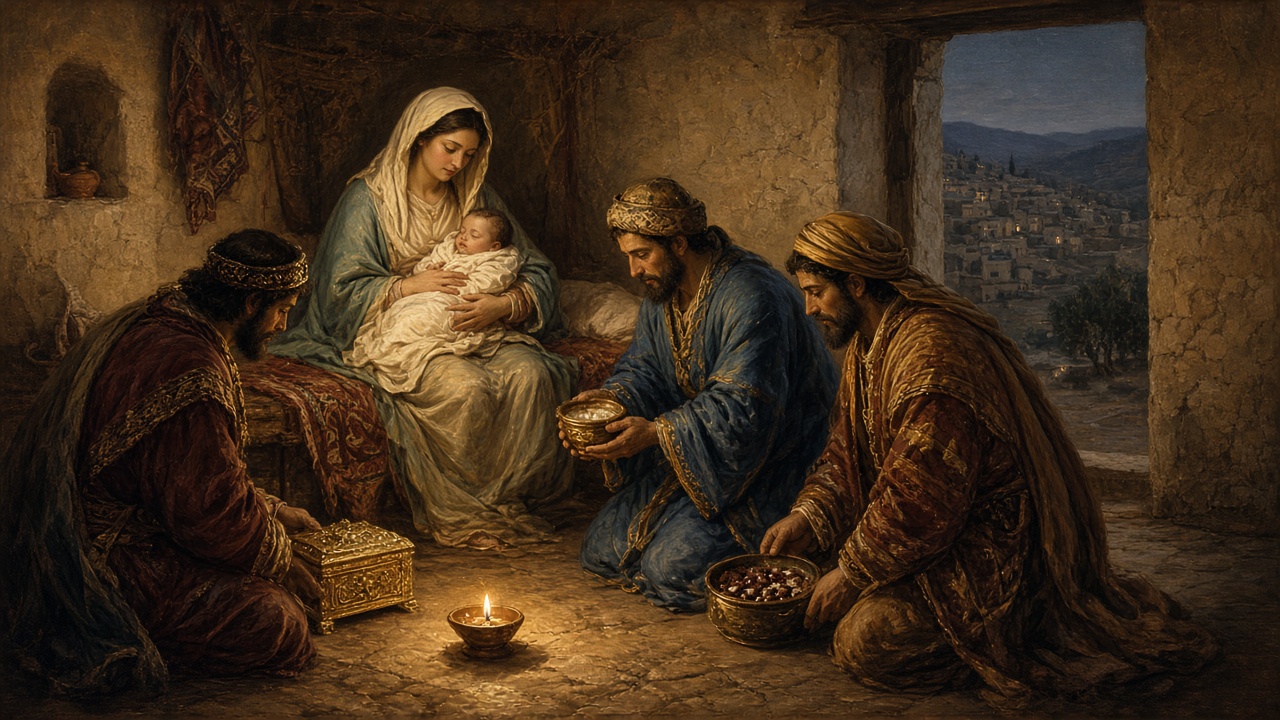
9Nori i hengo u ranga tara king ba nori e lar. Na pitopito ti ruto mame len tara han te butubutu nama a pitala e mam raien, me na kana i iasa tara makum te kaia a pien. 10Ba nori e tarer a pitopito ba nori te sasala hapan korur. 11Ba nori e tasur i iahana luma te kaia a pien ne tsinanen e Maria. Ba nori e hatukunur me hatsunono uar tara pien. Ba nori e kalatser u kabekabe i taren me louser a ma tsi ka ma tsi niga me haleri a pien: a goul, na insens te hatser ba te masi hanigana, nu uapi u soksoka.
12Na nori i takopis pouts u tara han i taren ba te la sila ria tara tana maroro. Tara neha, e Sunahan e ranga merien turu sinasoho i taren e gi ma tatei la pouts uai tere Herot.
E Josep ne Maria ne Iesu i la u i Itsip
13U katun u atei i la hakapa, ba toa angelo tara Tsunono e butuna turu sinasoho tere Josep me poiena i tanen, “Alö go takei ba lö te lu rem u mun tsinana, ba limiu te bus uamiu tara han i Itsip. Ba limiu te ka moa i Itsip e antunana tara poata te ranga lel goa lia i tamulö. Taraha, e Herot a King e katsin sakiena a pien teka ba te atung hamatie nen.”
14Be Josep e takei mena bong noa me lu rena u mun tsinana me la uar i Itsip. 15Ba nori e na ka ria i Itsip e antunaia tara poata te ga mateia e Herot.
A ka teka e butu sil te go kato hamana meni u ranga te ranga sila nia a Tsunono tara toa propet i manasa. E kato u: “Alia e ngö ba neguma romana a Pien Tson i tar i Itsip.”
E Herot e rangein te gi kato hamate merai a galapien
16Be Herot e atei sil talena, u katun u atei tara han te butubutu nama a pitala i gamoe ien. Ba torinen e si koruna. Ba nonei e hala rena u katun i Betelehem, na tara ma tsi han i sukusuku, ba nori e atung hamate rer a galapien tson hoboto ti antunaia turu huol u hiningal. Taraha, u katun u atei i hateien a pitopito te harutein a tou posa tere Mesaia e butu mamia turu huol u hiningal te kapa.
17E kato uana teka bu toa u ranga te ranga sila nia e Sunahan tara propet e Jeremaia e butu hamana. 18Nonei e poei,
“U ngala pan e butuna tara han i Rama.
A barebana e taber me ku hatatagi hapanir.
A pala tere Retsel e tabe siler a galapien i taren.
Nu katun e ma antunan hasokolei rarien. Taraha, a galapien i taren i kapa.” fl A propet te mar ranga u teka.
E Josep nu mun tsinana i la poutsuma
19I murimuri be Herot e matena. Ba toa angelo tara Tsunono e butuna tere Josep i Itsip turu sinasoho. 20Nonei e poei, “Alö go takei, ba lö te lu rem u mun tsinana, ba limiu te la pouts uamiu tara han i Israel. A katun te torohanan atung hamate a pien e mate hakapa.” 21Be Josep e takeina me lu rena u mun tsinana, ba nori e la pouts uar tara han i Israel.
22Kaba e Josep e hengoen te lu menai e Arkileas a makum tere tamanen e Herot, me king nena a provins i Judia. Be Josep e matoututo. Na turu tana u sinasoho e Sunahan e hateien e ga ma tatei la uai i Judia, ba nonei e la uana tara provins i Galili. 23Ba nonei e na kana tara toa taun te ngöeri i Nasaret. A ka teka e butu sil hasi te go kato hamana meni u ranga ti habulunganein u propet. Nori i poei, “E Mesaia e ngöe roi romana a toun Nasaret.”
Você sabia?
Magos, Herodes e Nazaré
- O rei Herodes deste capítulo é Herodes, o Grande. Seu filho Arquelau, tido com Malthace, uma mulher samaritana, herdou um terço do reino: a Idumeia, a Judeia e a Samaria. Até poucos dias antes da morte de Herodes, outro filho, Antipas, havia sido nomeado sucessor, mas, em seus últimos momentos, Herodes nomeou Arquelau; por medo dele, José desviou-se da Judeia e retirou-se para a Galileia.Fontes: Archelaus · o próprio texto bíblico
- Mateus relaciona a morte dos meninos em Belém com palavras ditas pelo profeta Jeremias: uma voz em Ramá, Raquel chorando por seus filhos. Raquel, uma das esposas de Jacó, morreu ao dar à luz Benjamim e foi sepultada à beira do caminho para Efrata, isto é, Belém, logo ao norte da cidade. Seu sepulcro é objeto de grande veneração entre os judeus.Fontes: o próprio texto bíblico · Rachel · Bethlehem
- Belém, na região montanhosa de Judá, chamava-se antes Efrata e também era conhecida como a cidade de Davi; sob os romanos, ficava na Judeia, a mais meridional das três divisões da Palestina. José e Maria foram, em vez disso, para Nazaré, na Galileia, sua terra, uma cidade não mencionada no Antigo Testamento. Em geral, supõe-se que o nome Nazaré venha do hebraico netser, um broto ou rebento, embora alguns o liguem a uma palavra que significa guardar ou vigiar.Fontes: Bethlehem · Judea · Nazareth · o próprio texto bíblico
Notas escritas com auxílio de IA a partir de fontes abertas (Theographic Bible Metadata, CC BY-SA 4.0; Easton’s Bible Dictionary, domínio público) e revisadas antes de publicar.
Lugares deste capítulo
- Bethlehem · 31.704, 35.208 · versículos 1, 5, 6, 8, 9, 16
- East · Hoje: region around Amman · 31.955, 35.934 · versículos 1, 2, 9
- Jerusalem · 31.777, 35.234 · versículos 1, 3
- Judea · Hoje: Judea 1 · 31.777, 35.234 · versículos 1, 5, 22
- Egypt · 30.129, 31.308 · versículos 13, 14, 15, 19
- Galilee · 32.760, 35.527 · versículo 22
- Nazareth · 32.702, 35.298 · versículo 23
Só aparecem lugares com identificação de alta confiança (90% ou mais segundo as fontes acadêmicas reunidas pelo OpenBible). Mapa da época: DARE (Digital Atlas of the Roman Empire), CC BY 4.0; mapa atual: © colaboradores do OpenStreetMap; lugares: OpenBible.info (CC BY 4.0).
Créditos e licença desta tradução
U BULUNGANA U NIGA
The New Testament in the Halia Language of Papua New Guinea
Nupela Testamen long tokples Halia long Niugini
copyright © 2020 Wycliffe Bible Translators, Inc.
Language: Halia
Translation by: Wycliffe Bible Translators
This translation is made available to you under the terms of the
Creative Commons Attribution-Noncommercial-No Derivatives license 4.0.
You may share and redistribute this Bible translation or extracts from it in any format, provided that:
You include the above copyright and source information.
You do not sell this work for a profit.
You do not change any of the words or punctuation of the Scriptures.
Pictures included with Scriptures and other documents on this site are licensed just for use with those Scriptures and documents.
For other uses, please contact the respective copyright owners.
2022-06-08
Fonte: http://png.bible/hla/ · eBible.org