Apocalipse 6
Khoryenkom Karyehtanà · Toque num versículo para ver as referências cruzadas.
Kahneru mxekrà wya karyehta hsonkatxhàrà on ha.
1Onà wyaro xarha wenyeye, rosenyetnàrà wyaro rma. 7 me nehxakonà, karyehta hsomaxaho. Anarotho hsonkaye, kahneru mxekrà, ronenyàr me. Onà wyaro xarha wenytxaye. Karyhe ymo tehxem kom kukuru ryhe nàrwonàmye. Teryewrye ro rma haxa nàrwonàmye, taraye yoruru wyaro mak ha. Omok ha, kekonà. Omok ha. 2Nomokye, okno ymo, kafaru ymo, ronenyàr me. Buknye nehxakonà. Àmkawo nehxakonà, toto ymo. Tàkrahanke nehxakonà. Erokonà yàmtxownà, àwya. Mok ma omoro katxho rma yàmtxownà, àwya. Waha me toye. Toto heno komo yarymaxe toye.
3Àhona, anarotho hsonkaye, kahneru mxekrà. Anaro rwonà wenytxaye. Anaro, karyhe ymo tehxem kom kukuru rma, nàrwonàmye. Omok ha, kekonà. Omok ha. 4Anaro kafaru ymo nomokye. Tutxurye nehxakonà. Àmkawo nehxakonà, toto ymo, anaro. Waha me toto komo yeny me nehxakonà, noro ymo ha, osoxanhàn me harha txeny kom me mak ha, tosohtahaxem me txeny kom me mak ha. Àyehrye ymo yàmtxownà, àwya. Katxefara wyarono ymo yàmtxownà, àwya.
5Àhona, anarotho hsonkaye, kahneru mxekrà. Anaro rwonà wenytxaye. Anaro, karyhe ymo tehxem kom kukuru rma, nàrwonàmye. Omok ha, kekonà. Omok ha. Anaro kafaru ymo nomokye, ronenyàr me. Thurme nehxakonà. Àmkawo nehxakonà, toto ymo, anaro. Emyawo nehxakonà, nyah kuknomatxho. 6Toto rwonà wyarono wenytxaye. Karyhe ymo tehxem komo yamrakatawo nehxakonà, àrwonà, 4 komo yamrakatawo rma. Onà wyaro nkekonà. Ànyahpàra rma haxa natxhe hampànà, toto komo, kekonà. Tehetàhke rma haxa naha hampànà, ekeyu, yakehra rma haxa esnàr ke. Tàtxenyerun kom hona yakehra tryeku yehekahtyatxhe hampànà, kekonà. Àro rma hona, yake nyhe txko sefakna yehekahtyatxhe hampànà. Ehetàhpenyehra nyhe hak nahko, oryefera xkunu, ufa xkun xarha, kekonà.
7Àhona, anarotho hsonkaye, kahneru mxekrà. Anaro rwonà wenytxaye. Anaro, karyhe ymo tehxem kom kukuru rma, nàrwonàmye. Omok ha, kekonà. Omok ha. 8Anaro kafaru ymo nomokye, ronenyàr me. Tàxkàwàtàknye nehxakonà. Àmkawo nehxakonà, toto ymo, anaro. Wayehkano ynye mosonà katxho me nehxakonà, esotà. Noro yakoro tekon xarha, anaro. Noro yosotà rma, àwayehxemo kom yosarà onà katxho me nehxakonà. Yukryeka hon heno komo wayehkany me nehxatxkonà, nyamoro. Àhoyen heno komo rma wayehkany me nehxatxkonà. Thenyenohnà heno komo rma wayehkany me nehxatxkonà. Onà wyaro katxho me ryhe nehxatxkonà. Katxefara wyaron ke etahatxoko katxho me, ahyehno wya xarha àwayehkatxoko katxho me, eherya wya xarha àwayehkatxoko katxho me, onokna wya eskanàr kom ke xarha àwayehkatxoko katxho me nehxatxkonà.
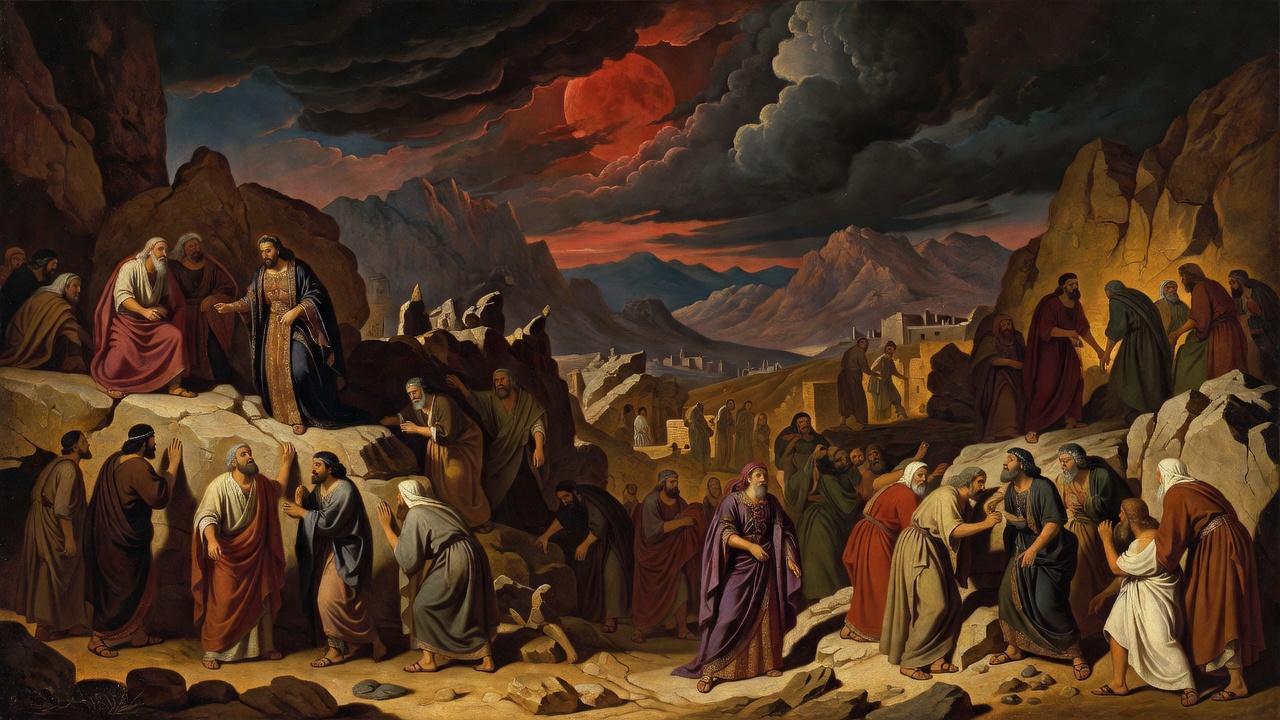
9Àhona anarotho hsonkaye, kahneru mxekrà. Onà wyaro ryhe wenyeye. Okno yaknyohtoho wyarono wenyeye. Khoryenkom màn yawonotho wyarono rma wenyeye. Esnawo rma nehxatxkonà, Khoryenkom yanoto heno komo. Etahaxemo heno komo rma nyamoro ha. Khoryenkomo rwonà yokarymatxho hoye ro, Txesusu yokarymatxho hoye ro, etahaxemo heno komo rma nyamoro ha. 10Àrwon komo wenytxaye. Onà wyaro nketxkonà, teryewrye ro. Amna yohà y, ehonomnà ro y, enyhoru ro me manaha, omoro, ketxkonà. Yaworon me xaxa manaha. Àsokentoko ryhe amna yotahatxhàràtho mehenàhyano, amnye rma katà, amnye haxa katà, ketxkonà. Àsokentoko amna yotahatxhàràtho mehenàhyano. Àsokentoko amna yotahanyenhàyamotho manàhnohyano. Àsokentoko yukryeka hon komo manàhnohyano, ketxkonà. 11Onà wyaro xarha wenyeye. Àhonon komo yàmtxownà, àwyanye. Buknyemà rma yàmtxownà. Onà wyaro nketxkonà, kahe yawon komo, àwyanye. Mexe nyhe hak àmomohtxoko, ketxkonà. Mexe nyhe hak àmomohtxoko. Owyaronye rma rha totahaxem me natxhe, oyowtà kukuru komo, Khoryenkom yanoto komo, ketxkonà. Etahahnà me rma hak ehtokonye, àmomohtxoko. Àmomoknàr kom me rma, teryehorye rma ehtxoko, ketxkonà, àwyanye.
12Àhona anarotho hsonkaye, kahneru mxekrà. Onà wyaro ryhe wenyeye. Nosowusàye, yukryeka heno, thenyehra rma haxa mak ha. Kamàm heno nawanay harha, sakatho wyaro harha, thurmemà wyaro harha. Nuno heno xarha kamsuhtay harha, omeroro rma. 13Xeryko heno xarha nothahye, yukryeka hona. Àsok hana nothahyan ha, fek yeherà. Utxuhnu rma nothahyan hamà, atxowowo ymo yomoknàr ke. Àro wyaro rma rha nothahye, xeryko heno. 14Sa, nosomtatkaye, kahe heno. Àsok hana karyehta tamyatxow ha. Tamyatxow hamà, xenyhen me harha ehtxoho me. Àro wyaro rma rha, xenyhen me harha nexeye, kahe heno. Àhà ymo heno xarha nohtakaye, omeroro. Eryetarà ymo heno xarha nohtakaye, omeroro rma rha.
15Onà wyaro nehxatxkonà, toto heno komo. Noseryehyatxkonà, omeroron heno komo, àkayaryet heno komo rma, owto yoh heno komo xarha, waha yoh heno komo xarha, tkatxhonkemà ro heno komo xarha, ehonomnà heno komo xarha, anotonano ro heno komo xarha, anotomahnà ro heno komo xarha. Omeroron komo rma nekahtàmtxownà, àhà ymo hona. Nohtanamtxownà, tohu ymo yosnaka, toh yowtar yaka xarha. 16Onà wyaro nketxkonà. Àhà ymo hak keryemnuhtxowà, ketxkonà. Tohu ymo hak konamtxowà. Àsok tawro hana. Kanàhnohnye kom me nosonyhon hamà, tahonà ymo ho eryewtaxaho. Khokonye ewakhàn me nosonyhon hamà, kahneru mxekrà, ketxkonà. 17Àwyanye kanàhnohtoho ymo komo ryhe, nenmahno haxa hamà. Ekurunhohra ro mak tehxatxow hamà, ketxkonà, toto heno komo, omeroron heno komo rma.
Você sabia?
A Abertura dos Seis Selos
- Os primeiros quatro selos revelam quatro cavaleiros em cavalos branco, vermelho brilhante, preto e amarelo, convocados um a um pelos quatro seres viventes. Cada cavaleiro traz uma aflição distinta sobre a terra, desde a conquista e a retirada da paz até a fome generalizada, a peste e a morte.Fontes: o próprio texto bíblico
- O terceiro cavaleiro segura uma balança, acompanhado por uma proclamação que fixa o preço de uma medida de trigo ou três de cevada em um denário, refletindo uma grave escassez e racionamento de alimentos enquanto o azeite e o vinho são poupados.Fontes: o próprio texto bíblico
- Com a abertura do quinto e do sexto selos, o foco se volta para as almas dos mártires debaixo do altar e, em seguida, para imensas convulsões cósmicas e terrestres que levam pessoas de todas as classes sociais a se esconderem em cavernas nas montanhas.Fontes: o próprio texto bíblico
Notas escritas com auxílio de IA a partir de fontes abertas (Theographic Bible Metadata, CC BY-SA 4.0; Easton’s Bible Dictionary, domínio público) e revisadas antes de publicar.
Créditos e licença desta tradução
Khoryenkom Karyehtanà
New Testament in Hixkaryána (BR:hix:Hixkaryána)
copyright © 2012 Wycliffe Bible Translators, Inc.
Language: Hixkaryána
Translation by: Wycliffe Bible Translators, Inc.
Hixkaryána [hix], Brazil
Copyright Information
© 2012, Wycliffe Bible Translators, Inc. All rights reserved.
This translation text is made available to you under the
terms of the Creative Commons License: Attribution-Noncommercial-No Derivative Works.
( http://creativecommons.org/licenses/by-nc-nd/3.0/ )
In addition, you have permission to port the text to different file formats, as long as you
do not change any of the text or punctuation of the Bible.
You may share, copy, distribute, transmit, and extract portions
or quotations from this work, provided that you include the above copyright
information:
You must give Attribution to the work.
You do not sell this work for a profit.
You do not make any derivative works that change any of the actual words or punctuation of the Scriptures.
Permissions beyond the scope of this license may be
available if you contact
us with your request.
The New Testament
in Hixkaryána
© 2012, Wycliffe Bible Translators, Inc. All rights reserved.
This translation is made available to you under the terms of the
Creative Commons Attribution-Noncommercial-No Derivatives license 4.0.
You may share and redistribute this Bible translation or extracts from it in any format, provided that:
You include the above copyright and source information.
You do not sell this work for a profit.
You do not change any of the words or punctuation of the Scriptures.
Pictures included with Scriptures and other documents on this site are licensed just for use with those Scriptures and documents.
For other uses, please contact the respective copyright owners.
2014-04-25
Fonte: http://ebible.org/hixNT/ · eBible.org