Jó 18
KAKAƗYARI NIUKIEYA XAPAYARI WIXARIKAKƗ · Toque num versículo para ver as referências cruzadas.
Hutarieka Wiriha kemutayɨ
1Merikɨte Wiriha Tsuha kiekame mɨpaɨ katinita'eiya:
2«¿Kepaukari peputihayewa waɨkawa petikuxatatɨ?
'Aixɨa ketine'atimaixɨaka 'anakeri tepɨtetixata.
3¿Ketitayari yeutari memumamariwawe wahepaɨ petatiyuriene?
¿Temɨka 'u'iyarini hepaɨ petatiku'eriya?
4'Ahaxɨakɨ 'a'iyari pekanitatsanarɨmeni,
matsi kwie 'akumawetɨ pɨkayuhayewa 'akɨmana,
meta 'ayepari pɨkakuyuaxɨani yuhuyeripa.
5»'Axamɨtiuka'iyari kɨxemeya kanitɨmɨkɨ,
taiya 'amanutitetere tatɨri katinihayewamɨkɨ.
6Xawatɨriya kiitana kaniyɨrirɨmeni,
kɨxeme mikɨxiya kanitɨmɨkɨ.
7Heutɨrɨkaɨyetɨ kemɨtikuyeikakai pɨkaheuwaɨreri,
yuhetsiemiemekɨ kemɨtiyukuhɨawe kanetihɨamɨkɨ.
8Yu'ɨkatekɨ winiyari hetsie kanikakemɨkɨ,
mɨkɨ winiyarieya 'ihɨatɨ kanayeimɨkɨ.
9Yuketatetɨa wahɨatɨkaitɨ puyuhayewa,
yuheyemekɨ hɨatɨ kaniyuhayewamɨkɨ.
10Winiyari kwiepa 'awie kumatɨ kanitakwewieka,
winiyari manumietsie kanikuwereni.
11Tsepa hakewa kanimariutsieka,
'utɨmana xeikɨa kanikuyeikani.
12Mɨtika'enitsitɨwa xeikɨa kanikuweiyaneni,
tita mɨti'uximatɨa pɨka'ipitɨa xeikɨa 'etsiwatɨma.
13Kwiniya waiyarieya kanitaxɨtɨaximeni,
mɨki mamateya meta 'ɨkateya kanitikwaiximeni.
14Hakewa 'aixɨa 'anemekɨ mekateitsie 'ateewa paitɨ puyuhayewa,
hikɨri ti'aitame mɨtiyumariuta hetsɨa kaniumieni.
15Kiitana tai naime katiniuyetaiyarɨmeniri,
hatsupure tatɨ kaniuyenɨka muwayekatsie.
16Kɨtsunu nanayari kaniutiwaniri,
xawariyari mu'utana miemeri naitɨ kaniutiyɨnare.
17Kwiepa kanakuyeitɨariemɨkɨ mɨkaku'eriwanikɨ,
pɨkakuxaxatsiwanitɨma mɨkɨ kwieyaritsie.
18Hekɨaripa hayehanieme yɨwipa kaneutahɨiyamɨkɨ,
'ena kwiepa kanayenɨ'arieni.
19Yuteɨterima watsata tɨma yuniwema meta yu'iwama pɨkawarexeiya,
hakewa mɨkɨ mekatei xewitɨtɨma hayeyuritɨ pɨkayuhayewa.
20Tau manatineika hepatsie meta makayuyuipike hepatsie,
teɨteri mepɨhɨxiyani mɨkɨ kemɨ'itɨarienikɨ
'ana waɨkawa mepɨtimamani.
21Mɨpaɨ kani'aneni 'axamɨtiyuriene kiiya,
Kakaɨyari mɨkamate manukatsie».
Você sabia?
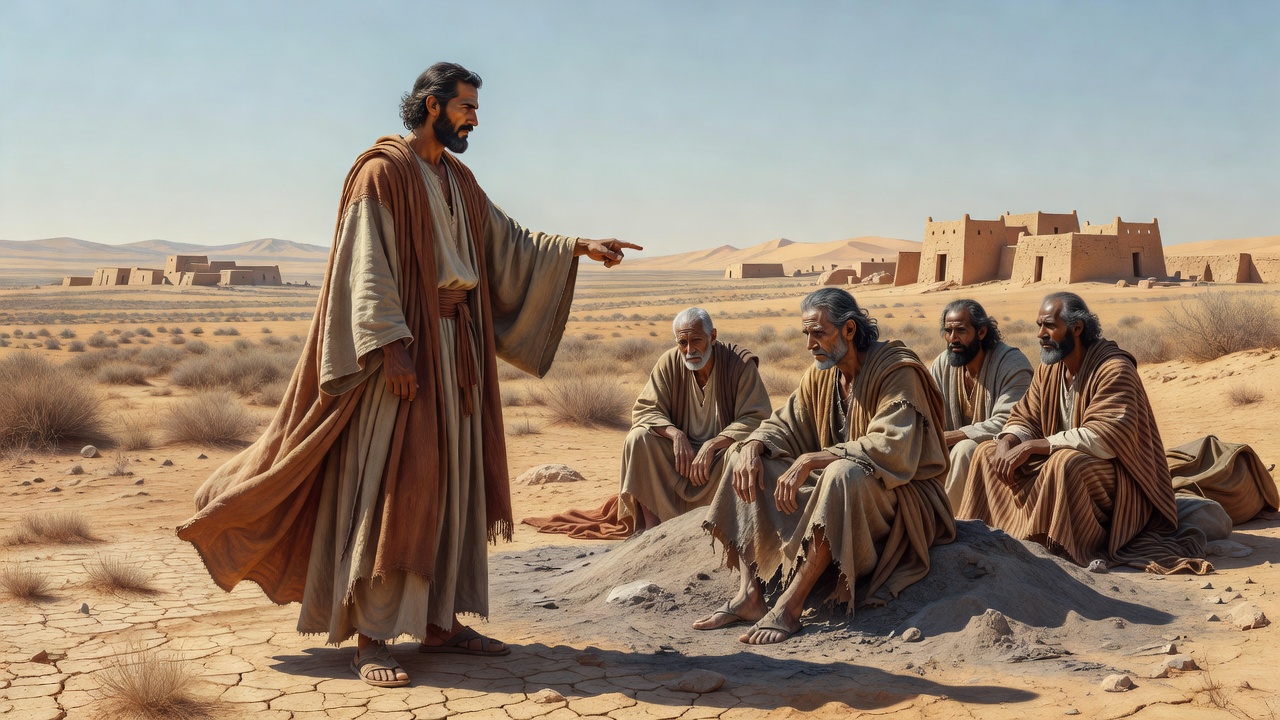
O segundo discurso de Bildade sobre o destino dos ímpios
- Bildade é chamado de suíta, uma designação tradicionalmente associada a Suá, região da Arábia ligada aos descendentes de Abraão e Quetura. Neste segundo discurso a Jó, Bildade mantém um tom severo ao repreendê-lo e afirmar a ruína inevitável dos ímpios.Fontes: Bildad · o próprio texto bíblico
- Para ilustrar a destruição reservada aos maus, Bildade recorre a imagens de caça antigas. Ele retrata a queda dos ímpios por meio de metáforas de laços ocultos, armadilhas enterradas e redes que capturam os passos de quem caminha.Fontes: o próprio texto bíblico
Notas escritas com auxílio de IA a partir de fontes abertas (Theographic Bible Metadata, CC BY-SA 4.0; Easton’s Bible Dictionary, domínio público) e revisadas antes de publicar.
Créditos e licença desta tradução
KAKAƗYARI NIUKIEYA XAPAYARI WIXARIKAKƗ
The Holy Bible in the in Huichol language of Mexico, 2020 edition
La Santa Biblia en lengua huichol de México, edición 2020
copyright © 2020 Wycliffe Bible Translators, Inc.
Language: Huichol
Translation by: Wycliffe Bible Translators, Inc.
Huichol [hch], Mexico
Copyright Information
© 1988-2020, Wycliffe Bible Translators, Inc.
This translation text is made available to you under the
terms of the Creative Commons License: Attribution-Noncommercial-No Derivative Works.
( http://creativecommons.org/licenses/by-nc-nd/3.0/ )
In addition, you have permission to port the text to different file formats, as long as you
do not change any of the text or punctuation of the Bible.
You may share, copy, distribute, transmit, and extract portions
or quotations from this work, provided that you include the above copyright
information:
You must give Attribution to the work.
You do not sell this work for a profit.
You do not make any derivative works that change any of the actual words or punctuation of the Scriptures.
Permissions beyond the scope of this license may be
available if you contact
us with your request.
The Holy Bible
in Huichol
© 1988-2020, Wycliffe Bible Translators, Inc.
This translation is made available to you under the terms of the
Creative Commons Attribution-Noncommercial-No Derivatives license 4.0.
You may share and redistribute this Bible translation or extracts from it in any format, provided that:
You include the above copyright and source information.
You do not sell this work for a profit.
You do not change any of the words or punctuation of the Scriptures.
Pictures included with Scriptures and other documents on this site are licensed just for use with those Scriptures and documents.
For other uses, please contact the respective copyright owners.
2025-09-03
Fonte: http://ebible.org/hch/ · eBible.org