2 Coríntios 8
KAKAƗYARI NIUKIEYA XAPAYARI WIXARIKAKƗ · Toque num versículo para ver as referências cruzadas.
Tumini kememɨte'ukuxeɨri Kakaɨyari teɨterimama wahetsiemieme
1Hikɨ ta'iwama tepɨtexetaxatɨanikeyu, Kakaɨyari 'aixɨa tiuka'iyaritɨ kemɨtiwarupitɨa mɨkɨ memeyutixexeɨriwa Matseruniya kwieyaritsie. 2Waɨkawa mepɨ'inɨatsietɨwe me'uximatɨarietɨ, peru watemawierika panayuhayewa. Tsepa yemekɨ tixaɨtɨ memɨkatehexeiyakai, mepitimɨiriyaxɨ 'aixɨa 'iyarikɨ kememɨtewamikwakai. 3Kenemɨtiunierixɨ yanepɨtihekɨata. Kememɨteyɨwawekai xeikɨa nepɨkahaine, matsi yemekɨ mepɨka'uyutikweri kememɨtewamikwakai hipame. Yɨkɨmana 4waɨriyarika metatsipitɨatɨ mekataniutawawirieni mɨpaɨ temɨtewataunienikɨ, mewaparewietɨ memɨyuxewinikɨ Kakaɨyari teɨterimama wahamatɨa. 5Ketemɨteku'eriwakai mɨpaɨ memɨteyurienikekaikɨ yamepɨkate'uyuri. Matsi mekaniyuyetuani meri Ti'aitame mɨtiwata'aitɨanikɨ, tameta temɨtewata'aitɨanikɨ Kakaɨyari mɨpaɨ mɨtinakekɨ. 6'Ayumieme Titu tekaniutawawirieni 'ikɨ 'imikierikɨ mɨraye'atɨanikɨ xeme xehetsɨa mɨkɨ meripaitɨ mitsutɨakɨ 'ixeɨrietɨ. 7Waɨkawa naitɨ katinitimɨirirɨmeni xehetsiemieme kexemɨteyurie, yuri xete'erietɨ, xetekuxatatɨ, xetemaitɨ tita mɨreuyewetse, naimekɨ xeyuwaɨriyatɨ texenaki'eriekaku. Merikɨte, yaxeikɨata 'ikɨ 'imikieri xekeneutimɨiriya.
8Netixe'aitɨatɨ hikɨ nepɨkatixekɨhɨawe. Matsi hipatɨ mɨpaɨ memɨteyuwaɨriyakɨ, nexe'inɨatatɨ nepaine, xɨka xehekɨatsieka xemeta mɨkɨ wahepaɨ kename xeteyukanaki'erie. 9Xeme mɨpaɨ xepɨtehetima 'aixɨa kemɨtiuka'iyari Tati'aitɨwame Ketsutsi Kɨritsitu. Mɨkɨ tsepa mɨxikutɨkai, xehetsiemieme tixaɨtɨ karexeiyatɨ payuyeitɨa, xeme xikutsixi xemakɨnekɨ, mɨkɨ tixaɨtɨ karexeiyatɨ matɨakɨ.
10'Ikɨ hepaɨtsita kenemɨtiku'eriwa mɨpaɨ nekatinixe'utaxatɨani. 'Aikɨ xepuyuwaɨri xemitsutɨanikɨ mɨpaɨ xeteyurietɨ. Merikɨte, hikɨ 'aixɨa kaniyɨmɨkɨ xehetsiemieme xɨka mɨpaɨ xete'uyurieni, 11xɨka mɨpaɨ xete'aye'atɨani kexemɨteyurie. Xe'iyari kemɨ'anenekai mɨpaɨ xemɨteyuwaɨriyanikɨ, mɨpaɨta xeketenaye'atɨaka, kexemɨteyɨwawe. 12Xɨka xewitɨ yatiyurieneni 'iyarieya ya'anekaku, tita mɨrexeiya mɨtiyetuani mɨkɨ pɨnaki'eriyarieka, tita mɨkarexeiya pɨkatixaɨ.
13Perutsɨ ne mɨpaɨtɨtɨ nepɨkahaine hipame xewaparewietɨ xemɨhakakwinikɨ nepɨka'utaine, 14matsi waɨkawa xemɨtehexeiyakɨ hikɨ nepaine. Tita hikɨ xehetsɨa mɨranuyuhayewa, mɨkɨkɨ xekeniwaparewieka memɨteheuyehɨwa, mɨkɨta 'uxa'atɨni warie wahetsɨa ranayuhayewakaku memɨxeparewienikɨ xeme kepauka xemɨteheuyehɨaka mɨpaɨ 'ana yunaitɨ tepɨtehexeiyani, 15yaxeikɨa kemɨre'uxa: «Kemɨ'ane waɨkawa mɨtiukuxeɨri, pɨka'anayuhayewaxɨ. Kemɨ'ane 'etsiwa mɨtiukuxeɨri, tixaɨtɨ pɨkareuyehɨakai».
Titu
16Pamɨpariyutsi Kakaɨyari nekanipitɨaka Titu mupitɨakɨ nehepaɨ mɨtiku'eriwanikɨ ne xehetsiemieme kenemɨtiku'eriwa. 17Kataniu'enieni ketemɨte'iwawiriekai xehetsɨa mɨmiekɨ, mɨkɨ matsi yemekɨ kaniyuwaɨriyakaitɨni, yɨkɨmana mɨyemie. 18Hamatɨanata tekananɨnɨ'akuni ta'iwa mɨmatiwa niuki 'aixɨa manuyɨne mɨkuxata, yunaitɨ naitsarie memɨyutixexeɨriwa memeitima. 19Mɨkɨ meta, memɨyutixexeɨriwa mekanenayexeiya tahamatɨa mɨyemiekɨ 'ikɨ 'imikieri temanɨ'ɨnitsie ketemɨtehɨritɨarie, Ti'aitame hepaɨtsita 'aixɨa mɨtikuxaxatsiwanikɨ, temɨmatsiɨkɨnikɨ tameta ketemɨtetawaɨriya. 20Mɨpaɨ tepɨtetakweriwayurie, xewitɨ kapa niukixiekakɨ 'ikɨ 'imikieri hepaɨtsita kemɨtiwaɨkawa kɨmana temɨhɨritɨarie. 21Tita 'aixɨa mɨti'ane, mɨkɨkɨ tepɨtamexɨitɨa Ti'aitame kemɨtatixeiya, meta teɨteri kememɨtatexeiya.
22Wahamatɨa ta'iwa tekananunɨ'akuni. Mɨixamexɨa te'ita'inɨataka, tepeitima kemɨtiyuwaɨriya. Hikɨ matsi waɨkawa pɨyuwaɨriya, waɨkawamekɨ yuri mɨtixe'eririekɨ xeme. 23Titu hepaɨtsita, mɨpaɨ nepɨtixekɨhɨawe ne'iwa pɨhɨkɨ meta ti'uximayatame xehetsɨa, ta'iwamata hipame wahepaɨtsita, mɨkɨ memɨyutixexeɨriwa wanɨ'arima mepɨhɨkɨ, wakɨmana Kɨritsitu mariwemekɨ mɨkuxaxatsiwakɨ. 24'Ikɨ xekeniwahekɨatsitɨiyani kename yurikɨ kexemɨteyukanaki'erie, kename yuri 'aixɨa ketemɨtewakɨhɨawe xehepaɨtsita, xaɨtsie memeyutixexeɨriwa mexexeiyakaku.
Você sabia?
Generosidade e a coleta para Jerusalém
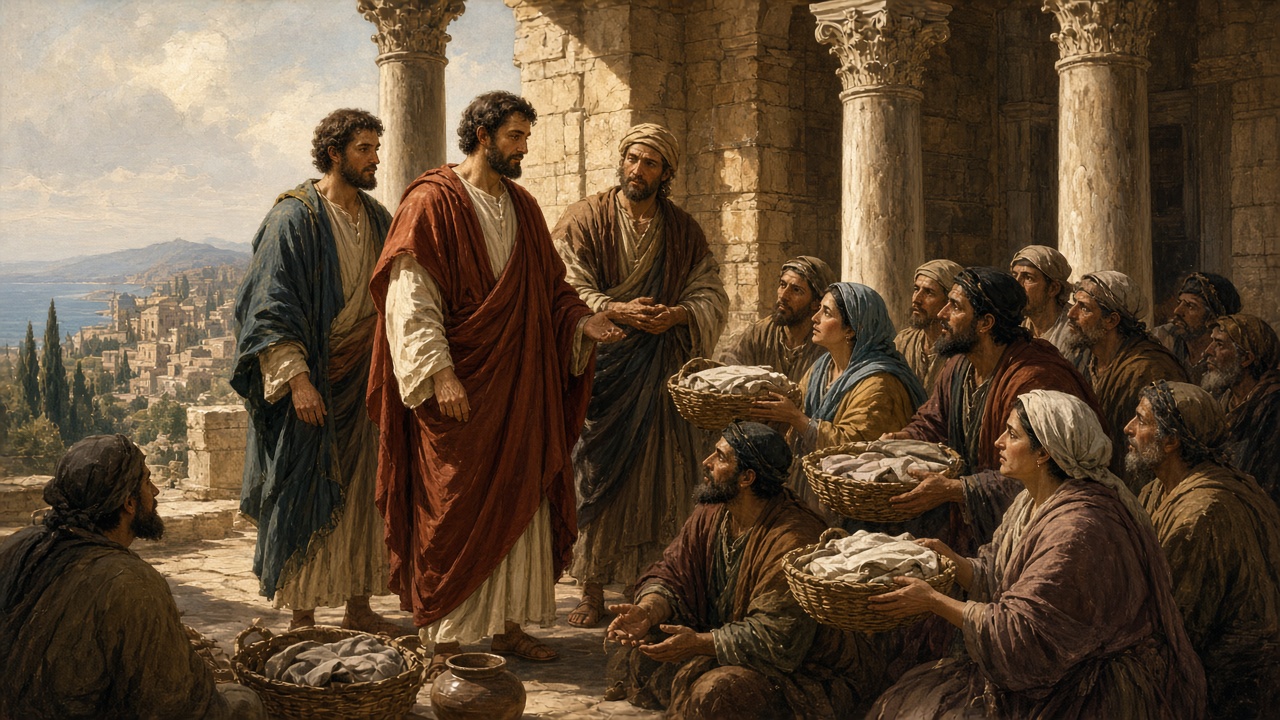
- Nos tempos do Novo Testamento, a Macedônia era uma província romana ao norte da Grécia. Paulo foi chamado pela visão de um homem da Macedônia para pregar o evangelho ali, e este capítulo conta aos coríntios como aquelas igrejas, numa terrível provação e em profunda pobreza, deram com alegria e até além do que podiam.Fontes: Macedonia · o próprio texto bíblico
- Tito, cujo nome não aparece em Atos, parece ter sido um gentio dedicado sobretudo a ministrar aos gentios. De Éfeso, Paulo o enviou a Corinto para encaminhar as contribuições da igreja em favor dos santos pobres de Jerusalém; neste capítulo, Paulo o exorta a concluir essa obra, e Tito vem com entusiasmo, por iniciativa própria.Fontes: Titus · o próprio texto bíblico
- Junto com Tito, Paulo envia um irmão elogiado por todas as igrejas por seu trabalho no evangelho e escolhido por elas para acompanhar a oferta, e outro irmão cujo empenho já foi provado muitas vezes e de muitos modos. Ele explica que esse cuidado visa evitar críticas à maneira de administrar o generoso donativo, para que façam o que é certo não só aos olhos do Senhor, mas também aos olhos das outras pessoas.Fontes: o próprio texto bíblico
Notas escritas com auxílio de IA a partir de fontes abertas (Theographic Bible Metadata, CC BY-SA 4.0; Easton’s Bible Dictionary, domínio público) e revisadas antes de publicar.
Lugares deste capítulo
Só aparecem lugares com identificação de alta confiança (90% ou mais segundo as fontes acadêmicas reunidas pelo OpenBible). Mapa da época: DARE (Digital Atlas of the Roman Empire), CC BY 4.0; mapa atual: © colaboradores do OpenStreetMap; lugares: OpenBible.info (CC BY 4.0).
Créditos e licença desta tradução
KAKAƗYARI NIUKIEYA XAPAYARI WIXARIKAKƗ
The Holy Bible in the in Huichol language of Mexico, 2020 edition
La Santa Biblia en lengua huichol de México, edición 2020
copyright © 2020 Wycliffe Bible Translators, Inc.
Language: Huichol
Translation by: Wycliffe Bible Translators, Inc.
Huichol [hch], Mexico
Copyright Information
© 1988-2020, Wycliffe Bible Translators, Inc.
This translation text is made available to you under the
terms of the Creative Commons License: Attribution-Noncommercial-No Derivative Works.
( http://creativecommons.org/licenses/by-nc-nd/3.0/ )
In addition, you have permission to port the text to different file formats, as long as you
do not change any of the text or punctuation of the Bible.
You may share, copy, distribute, transmit, and extract portions
or quotations from this work, provided that you include the above copyright
information:
You must give Attribution to the work.
You do not sell this work for a profit.
You do not make any derivative works that change any of the actual words or punctuation of the Scriptures.
Permissions beyond the scope of this license may be
available if you contact
us with your request.
The Holy Bible
in Huichol
© 1988-2020, Wycliffe Bible Translators, Inc.
This translation is made available to you under the terms of the
Creative Commons Attribution-Noncommercial-No Derivatives license 4.0.
You may share and redistribute this Bible translation or extracts from it in any format, provided that:
You include the above copyright and source information.
You do not sell this work for a profit.
You do not change any of the words or punctuation of the Scriptures.
Pictures included with Scriptures and other documents on this site are licensed just for use with those Scriptures and documents.
For other uses, please contact the respective copyright owners.
2025-09-03
Fonte: http://ebible.org/hch/ · eBible.org