2 Timóteo 4
Tũpa Ñehengagüer · Toque num versículo para ver as referências cruzadas.
1Iyavei no, co rese che orocuai pota Tũpa rovaque, Jesucristo rovaque avei acoi ou vaherã omborerecuasa reseve oicove vahe, omano vahe recocuer rese porandu ãgua. 2Emombehu Tũpa Ñehengagüer arɨ rupi. Erova ité ava reco. Eporomboaracua, eporomonguerẽhɨ tuprɨ avei opacatu nde reco asɨẽhɨsa pɨpe. 3Esepia, coiye ava ndosendu pota iri chira porombohesa avɨye vahe yuvɨreco. Ahese güemimbotar tẽi osecara ombohe ãgua, güemimbotar tẽi avei omombehu ucara oyeupe yuvɨreco. 4Iyavei oyepepɨra co mbahe supi eté vahe sui. Vɨroyara rumo opacatu ava remimombehu tẽi yuvɨreco. 5Nde rumo, ererecoveñora nde aracua tuprɨsa. Eñemosaño mbahe naporai vahe upe. Ndehañeco catu ñehesa pɨ̃sɨrosa resendar mombehu ãgua. Emboavɨye tuprɨ avei opacatu nde poravɨquɨsa.
6Vɨrovɨ arɨ che retecuer mondo ãgua manosave inungar mbahe seropovẽheprɨ yande Yar upe. 7Ayapopa che recoeté pɨpe che poravɨquɨsa avɨye vahe che amotarẽhɨmbar pãhuve. Amboavɨye che cuaita. Ndayepepɨi eté che yeroyasa sui. 8Cũritei che rãro ɨvave co porerecosa che poravɨquɨ avɨye vahe resendar. Yande Yar mborerecuar seco ɨ̃vi vahe niha omboura cheu ahe arɨ pɨpe. Ndahei chira cheu güeraño. Ombou aveira opacatu Cristo raɨsusa pɨpe iyevɨsa osãro vahe upe yuvɨreco.
Pablo, “Eyu rane che repia” ehi Timoteo upe
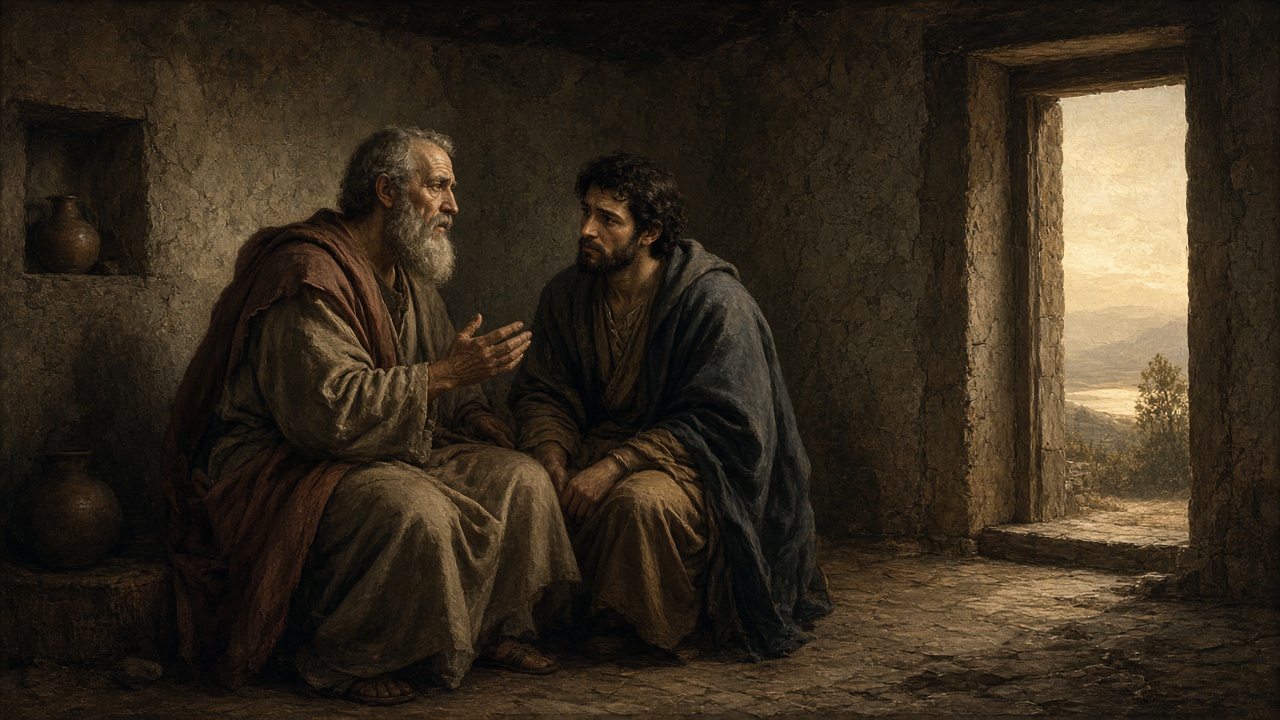
9Ndepoyava catu eyu che repia. 10Esepia, Demas che reya co mbahe ɨvɨ pɨpendar tẽi potasave, ichui tẽi oso tecua Tesalónica ve. Crescente oso tecua Galacia rupi. Iyavei Tito oso Dalmacia ve. 11Lucas güeraño oicove che pɨri. Eseca Marcos, tou nde rupi che pɨ̃tɨvɨi ãgua mboravɨquɨ rese. 12Tíquico amondo tecua Efeso ve. 13Acoi ereyuse, eru avɨrave che yemboyohasa aseya vahe Troas ve Carpo rẽtave. Iyavei cuachiar guasu, ambuae cuachiar reseve, ahe aipota catu vahe; erupa eyu.
14Alejandro, guarepochi mombesar, oyapo mbahe tẽi cheu. Yande Yar rumo oicuara sembiapogüer rese chupe. 15Iyavei nde eicua catu ichui. Esepia, ahe yande amotarẽhɨ mbahe yande remimombehu rese oico.
16Yɨpɨndar añehese che yoepɨ ãgua mborerecuareta rovai, ndipoi eté que che pɨ̃tɨvɨisar; opacatuño ité che reya yuvɨreco. Tũpa tiñero sese yuvɨreco chupe. 17Yande Yar Jesucristo rumo che pɨ̃tɨvɨi. Che momirata co ñehesa pɨ̃sɨrosa resendar mombehu tuprɨ ãgua opacatu ava ndahei vahe judío upe. Ẽgüe ehi avei che renose mbahe tẽi sui. 18Ahe che pehara opacatu mbahe-mbahe tẽi sui iyavei che pɨ̃sɨrora oyepɨri ɨvave che so ãgua. ¡Ẽgüe tehi timboeteisa catu yande Yar apɨrẽhɨ vahe yepi!
Mahenduhasa opacatu upe
19Emombehu che mahenduha Prisca upe, Aquila upe iyavei opacatu Onesíforo rẽta pendar upe avei. 20Erasto opɨta Corinto ve, Trófimo rumo imbaheasɨ, evocoiyase aseya Mileto ve. 21Ndepoyava catu eyu irohɨ yu renondeve. Imahenduha yuvɨreco nde rese Eubulo, Pudente, Lino, Claudia iyavei opacatu yande Yar vɨroya vahe yuvɨreco.
22Yande Yar Jesucristo toico nde rese. Iyavei Tũpa tape rovasa opacatu pe rereco. Avɨye. Aipo rupive.
Você sabia?
A exortação final e a despedida de Paulo
- Paulo pede a Timóteo que venha depressa. Demas, que o Dicionário Bíblico de Easton (1897) descreve como companheiro e colaborador de Paulo durante sua primeira prisão em Roma, abandonou-o por amor a este mundo e foi para Tessalônica, grande cidade no golfo Termaico e capital de um dos quatro distritos romanos da Macedônia. Crescente foi para a Galácia e Tito para a Dalmácia, região montanhosa na costa oriental do Adriático e parte da província romana do Ilírico; Paulo enviou Tíquico a Éfeso, e só Lucas permanece com ele.Fontes: Demas · Thessalonica · Dalmatia · o próprio texto bíblico
- O Dicionário Bíblico de Easton (1897) identifica Alexandre, o latoeiro, como um homem que, com Himeneu e outros, ensinava certas ideias sobre a ressurreição, e afirma que Paulo o excomungou. Neste capítulo, Paulo escreve que Alexandre lhe fez grande mal, pede a Timóteo que se acautele dele, porque se opôs com vigor à nossa mensagem, e diz que o Senhor lhe retribuirá segundo as suas obras.Fontes: Alexander · o próprio texto bíblico
- Paulo pede a Timóteo que traga a capa que deixou com Carpo em Trôade, junto com os rolos, especialmente os pergaminhos, e que chegue antes do inverno. Trôade era uma cidade no litoral da Mísia, no noroeste da Ásia Menor, que recebeu o nome da antiga Troia, situada cerca de quatro milhas ao norte.Fontes: Troas · o próprio texto bíblico
Notas escritas com auxílio de IA a partir de fontes abertas (Theographic Bible Metadata, CC BY-SA 4.0; Easton’s Bible Dictionary, domínio público) e revisadas antes de publicar.
Lugares deste capítulo
- Dalmatia · 43.813, 16.219 · versículo 10
- Galatia · 39.267, 32.983 · versículo 10
- Thessalonica · Hoje: Thessaloniki · 40.638, 22.946 · versículo 10
- Ephesus · 37.939, 27.341 · versículo 12
- Troas · Hoje: Alexandria Troas · 39.752, 26.159 · versículo 13
- Corinth · 37.906, 22.879 · versículo 20
- Miletus · 37.531, 27.276 · versículo 20
Só aparecem lugares com identificação de alta confiança (90% ou mais segundo as fontes acadêmicas reunidas pelo OpenBible). Mapa da época: DARE (Digital Atlas of the Roman Empire), CC BY 4.0; mapa atual: © colaboradores do OpenStreetMap; lugares: OpenBible.info (CC BY 4.0).
Créditos e licença desta tradução
Tũpa Ñehengagüer
New Testament in Guarayu (BL:gyr:Guarayu)
copyright © 2011 Wycliffe Bible Translators, Inc.
Language: Guarayu
Translation by: Wycliffe Bible Translators, Inc.
Guarayu [gyr], Bolivia
Copyright Information
© 2011, Wycliffe Bible Translators, Inc. All rights reserved.
This translation text is made available to you under the
terms of the Creative Commons License: Attribution-Noncommercial-No Derivative Works.
( http://creativecommons.org/licenses/by-nc-nd/3.0/ )
In addition, you have permission to port the text to different file formats, as long as you
do not change any of the text or punctuation of the Bible.
You may share, copy, distribute, transmit, and extract portions
or quotations from this work, provided that you include the above copyright
information:
You must give Attribution to the work.
You do not sell this work for a profit.
You do not make any derivative works that change any of the actual words or punctuation of the Scriptures.
Permissions beyond the scope of this license may be
available if you contact
us with your request.
The New Testament
in Guarayu
© 2011, Wycliffe Bible Translators, Inc. All rights reserved.
This translation is made available to you under the terms of the
Creative Commons Attribution-Noncommercial-No Derivatives license 4.0.
You may share and redistribute this Bible translation or extracts from it in any format, provided that:
You include the above copyright and source information.
You do not sell this work for a profit.
You do not change any of the words or punctuation of the Scriptures.
Pictures included with Scriptures and other documents on this site are licensed just for use with those Scriptures and documents.
For other uses, please contact the respective copyright owners.
2014-04-25
Fonte: http://ebible.org/gyrNT/ · eBible.org