Mateus 3
Cohamacʉ Yare Yahari Tjuel · Toque num versículo para ver as referências cruzadas.
João masare bautisariro masare yahuha
1Ã yoa baharopʉ João masare bautisariro jiha. Judea yahpai masa marienopʉ tiro Cohamacʉ yare yahu dʉcaha masare. 2Õ sehe ni yahuha tinare:
—Mʉano macariro Cohamacʉ mʉsa pʉhtoro to sʉho jihto mahanocã dʉhsara. Ã jina “Ñano yoaeraja”, mʉsa ni tʉhotumari cjirire duhuga. Mʉsa ñaa buhirire cahya, Cohamacʉ sehere cahmaga mʉsa —ni yahuha tiro tinare.
3Panopʉ macariro Isaia Cohamacʉ yare yahu mʉhtariro cjiro João to buhehtore õ sehe ni joaa tiha:
“Masa marienopʉ cʉ̃iro sañurucu, õ sehe ni buherohca:
‘Mari pʉhtoro to tahto pano tirore cahmaeraina cjiri mʉsa tʉhotuare cohtota, tirore cahmaina jiga mʉsa’, ni sañurucu buherohca”,
ni joaa tiha Isaia cjiro João cjihtore.
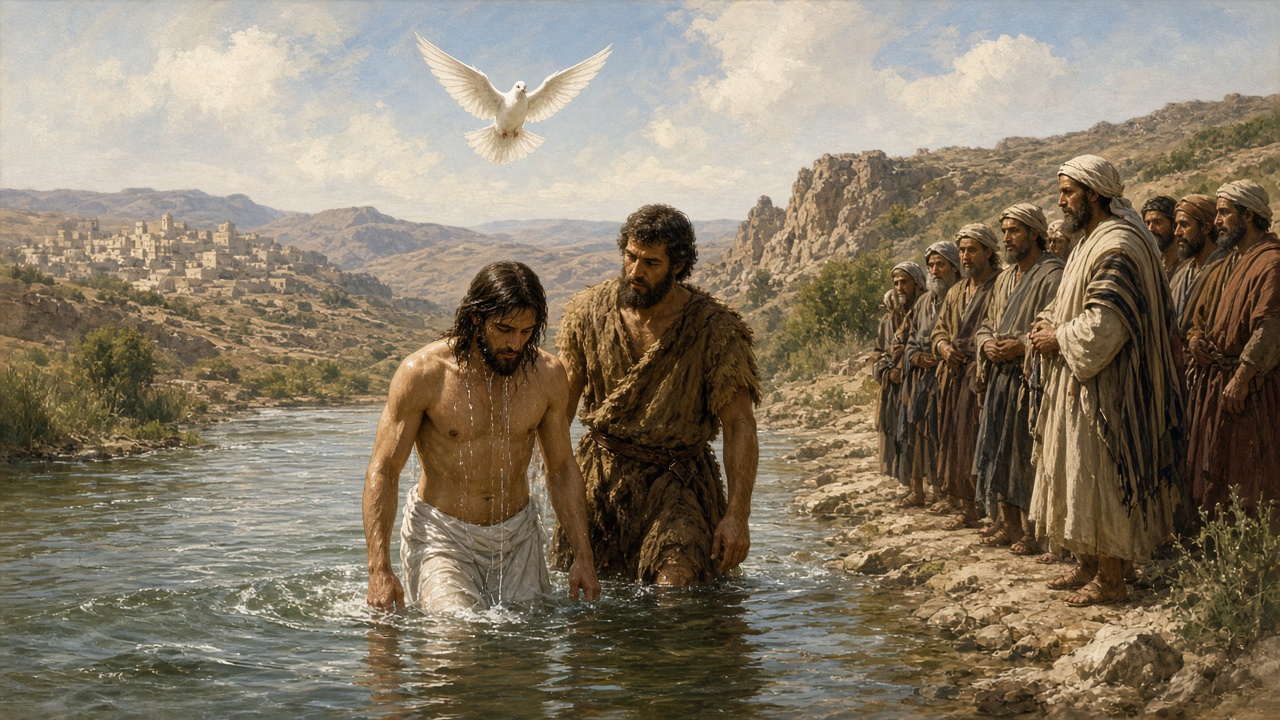
4Tiro João camello pjoari suhtirore sãariro, wahiquiro cahsaroreta tʉã dihoriro jiha. Poreroare, macaroca macaina miquina mi cʉ̃hʉre chʉa tiha. 5Jerusalẽ macaina, jipihtiro Judea yahpai jiina, Jordão wama tiri ma cahai jiina cʉ̃hʉ tirore tʉhoa taha. 6Wihi, tirore tʉho, ti ñaa yoarire Cohamacʉre yahuha tina. Ti ã ni yahuchʉ tʉhoro Jordão wama tiri mai João tinare bautisaha.
7Ã jiro payʉ fariseo curua macaina, saduceo curua macaina cʉ̃hʉ Joãore ti bautisa dutia tachʉ ñʉno tiro tinare õ sehe ni yahuha:
—¿Mʉsa cʉ̃hʉ agãa ñima tiina yoaro sehe mʉsa mahñoa buhea mehne masare dojomehneina jina, Cohamacʉ mʉsare to buhiri dahrehto pano tirore cui, duhti masierara mʉsa? 8Ã jina potocãta mʉsa ñaa buhirire bʉjʉa witi, Cohamacʉre cahmana jiihna, noaa yoa ñoga.
9’Õ sehe ni tʉhotuena tjiga: “Panopʉ macariro Abrahã mari ñʉchʉ cjiro jia tiha. Ã jina to panamana jina mari Cohamacʉ yaina jija”, ni tʉhotuena tjiga mʉsa. Mʉsare niita nija. Abrahã panamana jiina jimana mʉsa. Mʉsa ã jipachʉta tí mʉsa ã jia yaba cjihti jierara. Cohamacʉ sehe ahri tãa mehne Abrahã coyeare dahre masina. Ã jiro Abrahã coyea mʉsa jia wiho waro jira tãa ti wiho waro jiro seheta. 10Õ sehe jira: Masa yucʉri yoaro seheta jira. Cohamacʉ sehe coma mehne yucʉrire cjã cohãriro yoaro sehe jira. Ã jiro noaa dicha maria yucʉre nʉhcõri mehnepʉta cjã cohãnohca tiro. Tíre to cjã cohãri baharo, pichacapʉ jʉ̃ cohãnohca tiro. Ãta yoaro taro nina masa cʉ̃hʉre tirore cahmaerainare. 11Yʉ baharo yʉ bui tuariro tarohca. Noa yʉhdʉariro jira tiro. Tiro yoaro sehe jieraja yʉhʉ sehe. Ã jicʉ tirore tʉhotucʉ, “Wiho jiriro jija yʉhʉ”, ni tʉhotuja yʉhʉ. Yʉhʉ sehe mʉsa ñaare tʉhotumari cjirire tʉhotu cohtotainare diapʉ bautisacʉ, co mehne yoamahi. Tiro sehe yʉ yʉhdoro yoarohca. Espíritu Santore masa mehne ã jirucuchʉ yoarohca tiro. Wiho mejeta paina sehere ñaare ti tʉhotumari cjirire duhu duaeraina sehere tiro pichaca mehne buhiri dahrerohca. 12Yʉ baharo tariro cahsari cohãriro yoaro sehe jira. Cahsari cohãriro to batiro mehne jipihtia to trigo yapari cahsarire putiwera. To ã putiweri baharo trigo sehere to wihbori wʉhʉi wihborohca. Tó seheta yoarohca tirore cahmainare yʉ baharo tariro. To putiwea cahsari sehere tiro jʉ̃nohca. Tí pichaca ne yatisi. Ãta yoarohca tiro yʉ baharo tariro tirore cahmaerainare —ni yahuha João.
João Jesure bautisaha
13Baharo Jesu Galileapʉ jiriro cjiro waha, Jordão wama tiri mapʉ buhu sʉha Joãore bautisa dutiro. 14Wahmanore João tirore bautisa duaeramaha.
—Neho, mʉhʉ sehe yʉ yʉhdoro tuariro yʉhʉ sehere mʉ bautisachʉ noaboa. Mʉhʉre bautisaboriro jieraja yʉhʉ —ni yʉhtimaha João Jesure.
15Jesu sehe õ sehe ni yʉhtiha tirore:
—Yʉhʉre bautisasiniga. Õ sehe yoana, Cohamacʉ to dutiriro seheta sohtori tina nija mari —niha Jesu.
To ã nichʉ tʉhoro:
—Jai —ni yʉhtiha João.
16Ã ni tuhsʉ, Jesure bautisaha. To bautisa tuhsʉchʉ Jesu diapʉ ducuriro maja sʉrʉcʉ sʉha. To maja sʉrʉcʉ sʉchʉta, mʉano parĩ mʉaha. Cohamacʉ to Espíritu buja yoaro sehe tiro bui to duji tachʉ ñʉha. 17To ã duji tachʉ mʉanopʉ durucuro coa taha:
—Ahriro yʉ macʉ yʉ cahĩriro jira. Tiro mehne tuaro wahcheja —nino coa taha mʉanopʉ.
Você sabia?
Arrependimento e batismo no Jordão
- Mateus identifica João Batista como aquele de quem falou o profeta Isaías: uma voz que clama no deserto: “Preparem o caminho do Senhor”. O Dicionário Bíblico de Easton (1897) registra que a missão de João foi objeto de profecia, citando este trecho, Isaías 40:3 e Malaquias 3:1, e que ele era de descendência sacerdotal — o pai, Zacarias, sacerdote da turma de Abias, e a mãe, Isabel, das filhas de Arão. Uma cronologia data tanto o início do ministério de João quanto o batismo de Jesus no ano 26 d.C.Fontes: o próprio texto bíblico · John the Baptist · John the Baptist Begins Ministry · John Baptizes Jesus
- João veio pregando no deserto da Judeia, e pessoas de Jerusalém, de toda a Judeia e de toda a região ao redor do Jordão foram ao seu encontro, confessando os pecados e sendo batizadas no rio Jordão. O Dicionário Bíblico de Easton (1897) observa que, sob os romanos, no tempo de Cristo, Judeia designava a mais meridional das três divisões da Palestina, distinta da Galileia e da Samaria, e incluía os territórios de Judá, Benjamim, Dã, Simeão e parte de Efraim. Jesus veio da Galileia — chamada Galil pelos judeus — ao Jordão para ser batizado por João.Fontes: o próprio texto bíblico · Judea · Galilee
- João advertiu os fariseus e os saduceus a não se fiarem da afirmação “Temos a Abraão por pai”, dizendo que Deus podia suscitar filhos para Abraão a partir das pedras. O Dicionário Bíblico de Easton (1897) explica o nome Abraão como “pai de uma multidão” e o descreve como filho de Terá, nomeado antes dos irmãos mais velhos porque era o herdeiro das promessas.Fontes: o próprio texto bíblico · Abraham
Notas escritas com auxílio de IA a partir de fontes abertas (Theographic Bible Metadata, CC BY-SA 4.0; Easton’s Bible Dictionary, domínio público) e revisadas antes de publicar.
Lugares deste capítulo
- Judea · Hoje: Judea 1 · 31.777, 35.234 · versículos 1, 5
- Jerusalem · 31.777, 35.234 · versículo 5
- Jordan · Hoje: Jordan River · 31.761, 35.558 · versículos 5, 6, 13
- Galilee · 32.760, 35.527 · versículo 13
Só aparecem lugares com identificação de alta confiança (90% ou mais segundo as fontes acadêmicas reunidas pelo OpenBible). Mapa da época: DARE (Digital Atlas of the Roman Empire), CC BY 4.0; mapa atual: © colaboradores do OpenStreetMap; lugares: OpenBible.info (CC BY 4.0).
Créditos e licença desta tradução
Cohamacʉ Yare Yahari Tjuel
New Testament in Guanano
copyright © 2007 Wycliffe Bible Translators, Inc.
Language: Guanano
Translation by: Wycliffe Bible Translators, Inc.
Copyright Information
© 2007, Bible League International. All rights reserved.
This translation text is made available to you under the
terms of the Creative Commons License: Attribution-Noncommercial-No Derivative Works.
( http://creativecommons.org/licenses/by-nc-nd/3.0/ )
In addition, you have permission to port the text to different file formats, as long as you
do not change any of the text or punctuation of the Bible.
You may share, copy, distribute, transmit, and extract portions
or quotations from this work, provided that you include the above copyright
information:
You must give Attribution to the work.
You do not sell this work for a profit.
You do not make any derivative works that change any of the actual words or punctuation of the Scriptures.
Permissions beyond the scope of this license may be
available if you contact
us with your request.
The New Testament
in Guanano
© 2007, Wycliffe Bible Translators, Inc. All rights reserved.
This translation is made available to you under the terms of the
Creative Commons Attribution-Noncommercial-No Derivatives license 4.0.
You may share and redistribute this Bible translation or extracts from it in any format, provided that:
You include the above copyright and source information.
You do not sell this work for a profit.
You do not change any of the words or punctuation of the Scriptures.
Pictures included with Scriptures and other documents on this site are licensed just for use with those Scriptures and documents.
For other uses, please contact the respective copyright owners.
2014-08-06
Fonte: http://ebible.org/gvc/ · eBible.org