Lucas 5
Cohamacʉ Yare Yahari Tjuel · Toque num versículo para ver as referências cruzadas.
Jesu to buheinare payʉ wahire bocachʉ yoaha
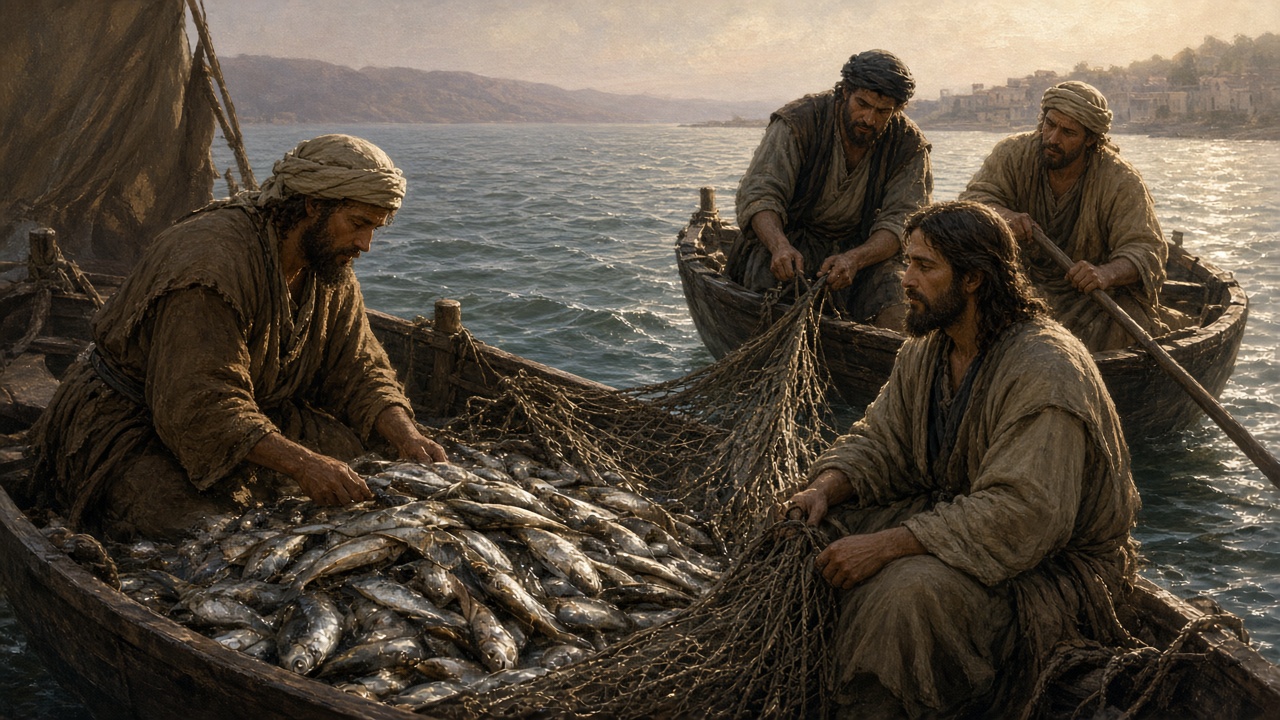
1Pa nʉmʉ Jesu Genesare wama tiri bʉcʉpariro dʉhtʉ cahapʉ sʉha. Tói to jichʉ ñʉa payʉ masa Cohamacʉ yare tʉho duaa tirore nʉnʉ ti sʉha. Noano wahpa tarʉcʉ sʉha masa peri. 2Pʉaria bʉso padʉroi pahsaa bʉsore Jesu ñʉha. Tí bʉso macaina wahi wajãina maja sʉrʉca, ti wañʉyucʉrire cosaa niha. 3Ã jiro Jesu Simo yariapʉ samua wahaha. Samu tuhsʉ tia dohoriare dia dʉhtʉ cahai coãriare siõ buhu dutiha. Tuhsʉ, dohoriapʉ duji, masare buheha. 4Buhe tuhsʉ, Jesu Simore õ sehe niha:
—Dacho maca cureroi siõ wioga. Ã jina mʉhʉ mehne macaina mehne mʉsa wañʉyucʉre doca ñoga wahi ñahana —niha Jesu.
5To ã nichʉ tʉhoro Simo Jesure õ sehe ni yʉhtiha:
—Pʉhtoro, wahi maca bohreamahi sã micha ñamine. Bohreapanahta ne cʉ̃irocã wajãerahti sã. Ã wajãerapanahta mʉ dutiro seheta doca ño ñʉnahtja —ni yʉhtiha Simo.
6Ã ni tuhsʉ tina doca ñoha. Ã ti doca ñochʉ ti wañʉyucʉre payʉ wahi sãaha. Payʉ ti sãachʉ wañʉyucʉ tʉhnʉa wahamaha. 7Ã wahachʉ ñʉa tina paria macainare tina mehne macainare pjirocaha:
—Mʉsa cʉ̃hʉ yoadohona tagã sãre —ni pjirocaha Simo cʉ̃hʉ.
Tina ti ã yoadohori baharo pʉria bʉso noano minipahro bocaha wahire. 8Simo Pedro ã wahi payʉ ti sãachʉ ñʉno, Jesu panoi na tuhcua caha sʉ, tirore õ sehe ni yahuha:
—Yʉ pʉhtoro, mʉhʉ mehne jiboriro jieraja yʉhʉ. Ñariro jija yʉhʉ. Ã jicʉ mʉ cahai ji masieraja —niha Simo Pedro Jesure.
9Tiro, jipihtina tiro mehne macaina cʉ̃hʉ payʉ wahi sãachʉ ñʉa, cʉaa wahaha tina cʉ̃hʉ. 10Pʉaro Simo Pedro mehne macaina Zebedeo pohna Santiago to bahʉro João mehne, tina cʉ̃hʉ ñʉ cʉaa wahaha. Ti ã cʉachʉ ñʉno Jesu Pedrore õ sehe ni yahuha:
—Cʉaecʉ tjiga. Mipʉre mʉhʉ wahire ñaha cahmachuriro mʉ jiro seheta Cohamacʉ yaina cjihtire pji cahmachuriro jiihca mʉhʉ —niha Jesu Simo Pedrore.
11To ã niri baharo tina ti bʉsore bʉcʉpariro dʉhtʉ cahapʉ waja mo cũnoca, ti ya jipihtiare tóihta cũnoca, Jesu mehne wahaa wahaha.
Jesu cami barirore noariro wahachʉ yoaha
12Ã yoa Jesu pa macai to jichʉ cami bariro tirore piti bocaha. Ã piti bocaro tiro Jesure ñʉ, na tuhcua caha sʉ, õ sehe ni tuaro siniha:
—Pʉhtoro, mʉhʉ yoa duacʉ yʉhʉre noariro yoa masina mʉhʉ —ni siniha.
13To ã niri baharo Jesu tirore ña payoro õ sehe niha:
—Tíre yoa duaja. Mipʉre noariro jiga mʉhʉ —niha.
To ã nichʉta to cami bari cjiri yati mʉa wahaha. 14Ã jiro Jesu tirore õ sehe ni dutiha:
—Ahri yʉ õ sehe yoarire painare yahui tjiga. Sacerdote cahai wahaga mipʉre. Ã jicʉ mʉ pjacʉre noari pjacʉ to waharire ñoga tirore. Cohamacʉ dutia Moisere to cũri to niriro seheta yoaga. Ã yoacʉ sacerdotere pʉaro minichahcare waga noariro mʉ waharire sacerdoteare ñoi tai —niha cami bariro cjirore.
15“Yahui tjia”, to nipachʉta jipihtiropʉ masa tirore yahu site namoha. Ti ã yahu sitechʉ tʉhoa masa payʉ tiro cahapʉ sʉha. Dohatiina noaina waha duaa, tina cʉ̃hʉ tiro cahapʉ sʉha. 16Ti ã sʉpachʉta Jesu masa marienopʉ Cohamacʉre sinino wahaha.
Jesu pjacʉ bʉharirore noariro wahachʉ yoaha
17Pa dachoi Jesu to buhechʉ fariseo curua macaina, judio masare buheina cʉ̃hʉ tói dujiha. Tina jipihtina Galilea yahpai jia macari macaina, Judea yahpai jia macari macaina, Jerusalẽ macaina jiha. Ti ã jichʉ ñʉno Jesu Cohamacʉ tuaa mehne dohatiinare noaina wahachʉ yoaha. 18Mahainacã mʉa pjacʉ bʉharirore to coãri cahsaro mehne yo wʉa wihiha. Ã jia tirore Jesu cahai cũ duaa, wʉhʉpʉ yo sãa duamaha tina tirore. 19Ã sãa duapahta masa payʉ jichʉ tina tirore yo sãa masieraha. Ã jia tirore wʉhʉ buipʉ yo mʉjaha. Yo mʉja sʉ, mahanocã muji pahmare nawe, tí copai pjacʉ bʉharirore to coãri cahsaro mehneta duhu boroha Jesu cahai jiina watoi. 20“Jesu ahrirore to dohatiare yʉhdʉchʉ yoarohca”, ni tʉhotuha tina. Ti ã ni tʉhotuchʉ masino Jesu pjacʉ bʉharirore õ sehe ni yahuha:
—Coyeiro, mʉ ñaare yoari buhiri tiare yʉhʉ cohã tuhsʉja —niha Jesu tirore.
21To ã nichʉ tʉhoa fariseo curua macaina, judio masare buheina cʉ̃hʉ ti basi õ sehe ni tʉhotumaha: “Ahriro ã ni durucuero tjijaro. Tiro masʉno mari yoaro sehe jiro, ñaare to yoari buhiri tiare cohã masierara. Cohamacʉ dihta masa ti ñaare yoari buhiri tiare cohã masina”, ni tʉhotumaha tina.
22Jesu ti ã ni tʉhotuare masino, õ sehe niha:
—¿Dohse yoana ã ni tʉhotujari mʉsa? 23“Mʉ ñaa yoari buhiri tiare yʉhʉ cohã tuhsʉja”, yʉ nichʉ, “Mahñoriro jira”, yʉhʉre nina mʉsa noano masierapanahta. “Wahcãrʉca wahaga”, yʉ nichʉ yʉ niri potocã jia jichʉ dóihta masinahca. 24Yʉhʉ masʉno Cohamacʉ warocariro ahri yahpai ti ñaare yoari buhiri tiare cohã masija yʉhʉ. Masa ti ñaare yoari buhiri tiare cohãhtiro cjihtore cũre Cohamacʉ yʉhʉre. Yʉ ã cohãrine mʉsa masihto sehe õ seheta yoa ñoihtja mʉsa ñʉhti cjihtire —niha Jesu.
à ni tuhsʉ pjacʉ bʉharirore õ sehe niha:
—Mʉhʉre niita nija. Wahcãrʉcaga. Mʉ coãri cahsarore na wahcãga mʉ ya wʉhʉpʉ —niha tirore.
25To ã nichʉ tʉhorota jipihtina ti ñʉrocaroi wahcãrʉca, to coãri cahsarore na, to ya wʉhʉpʉ tjuaa wahaha. Ã waharo tiro Cohamacʉre ño payoro, wahchea mehne noano durucuha. 26To ã yoachʉ ñʉa masa sehe jipihtina cʉaa wahaha. Tina cʉaa waha, Cohamacʉre ño payoa, wahchea mehne noano durucuha:
—Michare soro jiare ñʉhi sã —niha tina.
Jesu Levíre piha
27Ã yoa tuhsʉ waha, Leví wama tirirore to dahrari tahtiapʉ jirirore boca sʉha Jesu. Leví sehe pʉhtoa ya cjihtire masare wapa na cohtariro jiha. Ã boca sʉro tirore õ sehe niha:
—Yʉhʉ mehne macariro cjihto taga mʉhʉ —niha tiro Levíre.
28To ã nichʉ Leví sehe jipihtia to dahraare duhunoca, Jesu mehne wahaa wahaha.
29Baharo Leví ya wʉhʉi bose nʉmʉ Jesure yoa payoro niha. Tói payʉ wapa na cohtaina, paina cʉ̃hʉ Leví mehne dujiha. 30Tina mehne Jesu cʉ̃hʉ ti dujichʉ ñʉa mahainacã fariseo curua macaina, judio masare buheina mehne sua, Jesu buheinare õ sehe ni sinitu ñʉha:
—¿Dohseana ñano yoaina, wapa na cohtaina mehne chʉjari mʉsa? —ni tuhtiha tina.
31Ti ã nichʉ tʉhoro Jesu yʉhtiha tinare. Õ sehe ni piti dahre buheha:
—Dohatieraina duhturure macaerara. Dohatiina dihta duhturure macana. Ñaare yoaina dohatiina yoaro sehe jira. 32Ã jicʉ ñaare yoainare yahui tai nihi yʉhʉ Cohamacʉre cahma duticʉ. Ti basi “Noaina jija sã”, ni tʉhotuinare yahui tai nierahi yʉhʉ —niha Jesu.
Chʉ duhuare Jesure sinituha paina
33Ã yoa mahainacã masa Jesure õ sehe ni sinitu ñʉha:
—João buheina payʉ tahari Cohamacʉre ño payoa taa chʉ duhura. Ã yoaa, tina payʉ tahari Cohamacʉre sinina. Fariseo buheina cʉ̃hʉ ti yoaro seheta yoara. Ti ã yoapachʉta mʉ buheina sehe Cohamacʉre ño payoa taa chʉ duhuerara. ¿Dohse yoa ã yoaerajari tina? —niha tina Jesure.
34Ti ã nichʉ Jesu to tʉhotua mehne quiti dahre buhero taro tinare õ sehe ni yʉhtiha:
—Õ sehe jira ti: Wamomaca dʉhteropʉ ti pjirocaina wamomaca dʉhteriro mehne jia, chʉ duhu masierara. Tó seheta yʉ buheina cʉ̃hʉ yʉhʉ mehne jia, chʉ duhu masierara. Yʉhʉ wamomaca dʉhteriro yoaro sehe jija. Wamomaca dʉhteriro bose nʉmʉ to yoachʉ tiro mehne macaina chʉeraina jierara. 35Yʉ Pʉcʉ Cohamacʉ yʉhʉre to naari baharo pinihtare yʉ buheina mehne jisi yʉhʉ. Ã jia tí pjapʉta yʉ buheina cʉ̃hʉ chʉ duhuahca —niha Jesu.
36Panopʉ macaa buhea wahma buhea mehne ti buhe more duachʉ ñʉno õ sehe ni namoha Jesu tinare piti dahre buhero:
—Ne wahma suhtirore mahari cahsarocã tʉhrẽ na, mʉnano suhtirore sere õno cahmaerara. Mari ã sere õna wahma cahsarore tʉhrẽ cohãna nija. Ã yoa wahma cahsaro mʉnano suhtiro mehne cʉ̃no potori bajuerara. (Tó seheta mʉna buhea wahma buhea mehne piti dahre buheraro cahmana.)
37’Ã yoa ne se co bisia core wahiquiro cahsaro wajuru mehne mʉna wajuru mehne posaeraro cahmana. Mari ã yoachʉ se co bisia pahmoapʉ mʉna wajurure tʉhrẽnocahna. To tʉhnʉchʉ se co cʉ̃hʉ, wajuru cʉ̃hʉ cohõa wahara. 38Ã yoa se co wahma core wahma wajurupʉ posaro cahmana. Mari ã yoachʉ se co cohõera, wajuru cʉ̃hʉ cohõerara. (Tó seheta wahma buhea mʉna buhea mehne buhe moreraro cahmana.) 39Mʉna core masa ti sihniri baharo, wahma core cahmaerara tina. Õ sehe nia tire masa: “Mʉna co wahma co bui curero noaa jira”, nia tire masa —niha Jesu tinare.
Você sabia?
Chamados, curas e vinho novo
- Jesus ensinou o povo do barco de Simão, no lago de Genesaré, enquanto a multidão se apertava na margem. O nome vem de uma cidade de Naftali, na margem ocidental, antes chamada Quinerete; a planície junto ao lago, notável pela fertilidade e pela beleza, era chamada “o Paraíso da Galileia”.Fontes: Gennesaret · o próprio texto bíblico
- Simão, também chamado Pedro, cresceu em Betsaida, na costa ocidental do mar da Galileia, e aprendeu o ofício de pescador. Tiago e João, seus sócios no outro barco, eram filhos de Zebedeu, um pescador galileu; o Dicionário Bíblico de Easton (1897) infere que Zebedeu tinha certa posição em Cafarnaum, pois possuía dois barcos e jornaleiros.Fontes: Simon Peter · James (Son of Zebedee) · Zebedee · o próprio texto bíblico
- O homem que Jesus chamou da coletoria se chama Levi neste capítulo; em outros relatos é Mateus, filho de Alfeu, cobrador de impostos em Cafarnaum. O Dicionário Bíblico de Easton (1897) sugere que ele talvez tenha adotado o nome Mateus em grata lembrança do chamado, e descreve o grande banquete que ofereceu naquele mesmo dia como uma festa de despedida.Fontes: Matthew · o próprio texto bíblico
Notas escritas com auxílio de IA a partir de fontes abertas (Theographic Bible Metadata, CC BY-SA 4.0; Easton’s Bible Dictionary, domínio público) e revisadas antes de publicar.
Lugares deste capítulo
- Gennesaret · Hoje: El Ghuweir · 32.861, 35.507 · versículo 1
- Galilee · 32.760, 35.527 · versículo 17
- Jerusalem · 31.777, 35.234 · versículo 17
- Judea · Hoje: Judea 1 · 31.777, 35.234 · versículo 17
Só aparecem lugares com identificação de alta confiança (90% ou mais segundo as fontes acadêmicas reunidas pelo OpenBible). Mapa da época: DARE (Digital Atlas of the Roman Empire), CC BY 4.0; mapa atual: © colaboradores do OpenStreetMap; lugares: OpenBible.info (CC BY 4.0).
Créditos e licença desta tradução
Cohamacʉ Yare Yahari Tjuel
New Testament in Guanano
copyright © 2007 Wycliffe Bible Translators, Inc.
Language: Guanano
Translation by: Wycliffe Bible Translators, Inc.
Copyright Information
© 2007, Bible League International. All rights reserved.
This translation text is made available to you under the
terms of the Creative Commons License: Attribution-Noncommercial-No Derivative Works.
( http://creativecommons.org/licenses/by-nc-nd/3.0/ )
In addition, you have permission to port the text to different file formats, as long as you
do not change any of the text or punctuation of the Bible.
You may share, copy, distribute, transmit, and extract portions
or quotations from this work, provided that you include the above copyright
information:
You must give Attribution to the work.
You do not sell this work for a profit.
You do not make any derivative works that change any of the actual words or punctuation of the Scriptures.
Permissions beyond the scope of this license may be
available if you contact
us with your request.
The New Testament
in Guanano
© 2007, Wycliffe Bible Translators, Inc. All rights reserved.
This translation is made available to you under the terms of the
Creative Commons Attribution-Noncommercial-No Derivatives license 4.0.
You may share and redistribute this Bible translation or extracts from it in any format, provided that:
You include the above copyright and source information.
You do not sell this work for a profit.
You do not change any of the words or punctuation of the Scriptures.
Pictures included with Scriptures and other documents on this site are licensed just for use with those Scriptures and documents.
For other uses, please contact the respective copyright owners.
2014-08-06
Fonte: http://ebible.org/gvc/ · eBible.org