João 10
Cohamacʉ Yare Yahari Tjuel · Toque num versículo para ver as referências cruzadas.
Ovejare ñʉ wihboriro quitire yahuha Jesu
1Baharo quiti mehne piti dahre buhero taro õ sehe nire Jesu:
—Potocãta nii nija mʉsare. Ovejare wihbori sahrĩno sopacai sãaerariro, sopaca marienopʉ sãariro sehe yaca bʉcʉro jira. 2Sopacai sãariro sehe ovejare ñʉ wihboriro jira. 3Sopacare cohtariro sopacare pjõohna ovejare ñʉ wihboriro to sãahto sehe. Ovejare ñʉ wihboriro to durucuchʉ tʉho tara to nuina oveja peri. Tinare pjirocaro, ti wama mehne pisurocarucura tiro. Ã yoaro tinare sahrĩnopʉ jiinare pji wiorucura sopacapʉ. 4To yainare jipihtinare pji wio tinare mʉ tãrucura. Oveja sehe to durucuare masia, to baharo nʉnʉ tirucura. 5Pairore ti masierarirore nʉnʉ tierara tina. Ã jia paina ti durucuare tʉhoa, cui mʉrocaa wahara —nire Jesu tinare.
6Ahri quitire to ã yahupachʉta to yahuare tʉho ñahaerare tina.
Jesu ovejare noano ñʉ wihboriro yoaro seheta to yainare noano ñʉ wihbora
7Pari turi Jesu tinare õ sehe ni yahure tjoa:
—Potocãta mʉsare nii nija. Ovejare wihbori sahrĩno sãari sopaca yoaro sehe jija yʉhʉ. 8Jipihtina yʉ pano tarina quihõno yʉ durucuare buheraina, ovejare ñʉ wihbo mahñoina yacaina yoaro sehe jira. Ti ã jipachʉta yʉ yaina sehe oveja yoaro sehe jiina painare ne tʉho wahcãerara. 9Yʉhʉ ovejare wihbori sahrĩno sãari sopaca yoaro sehe jija. Tí sopacai sãaina yoaro sehe tjira yʉhʉre wacũ tuaina. Ã jicʉ yʉhʉ tinare pichacapʉ wahaborinare yʉhdʉchʉ yoaihtja. Oveja sehe tinare ñʉ wihboriro mehne ti cahmaare bocaro yoaro seheta yʉ yʉhdʉchʉ yoaina cʉ̃hʉ yʉhʉ mehne ti cahmaare bocaahca. Yʉhʉ tinare noano dʉcata, noano ñʉ wihboihca —nire Jesu.
10Ã ni tuhsʉ õ sehe ni namore:
—Mʉsare mahñoare buheina, ovejare ñʉ wihbo mahñoina sehe ovejare yacaina yoaro sehe jira. Yacaa taa, wajãa taa, dojomehnea taa tara tina. Wiho mejeta yʉhʉ sehe yʉ yainare, oveja yoaro sehe jiinare, tuaro waro ti wahchea mehne ã catirucuchʉ yoai tahi. 11Ovejare noano ñʉ wihboriro yoaro sehe jija yʉhʉ. Ovejare noano ñʉ wihboriro tinare noano dʉcata, to yariahtore ne cuierara. Tó yoaro seheta yʉhʉ cʉ̃hʉ yainare noano dʉcata, yariahca, tinare ne soro wahaerahto sehe. 12Oveja pʉro cahamacʉno sehe potocã ovejare ñʉ wihboriro jierara. Ã jia oveja to yaina jierara. Ã jiro yairo ovejare to chʉro tachʉ ñʉno to cahamacʉno sehe ovejare cohã cũnoca, mʉrocaa wahara. To ã cohã cũri baharo, yairo ovejare to ñahachʉ ñʉa oveja peri mʉroca site wahcãa wahara. 13To cahamacʉno sehe to wapataa dihtare cahmana. Ã jiro tiro ovejare noano ñʉ wihbo ji coaerara —nire Jesu.
14Ã ni tuhsʉ õ sehe ni namore:
—Ovejare noano ñʉ wihboriro yoaro sehe jija yʉhʉ. Ã jicʉ yʉ yainare masija yʉhʉ. Ã jia yʉ yaina sehe yʉhʉre masina. 15Tó seheta yʉ Pʉcʉ cʉ̃hʉ yʉhʉre masina. Ã jicʉ yʉhʉ cʉ̃hʉ yʉ Pʉcʉre masija. Oveja yoaro sehe jiina yʉ yaina Cohamacʉ mehne ti ã jirucuhti cjihtire yariaihca yʉhʉ. 16Paina oveja pa sahrĩno macaina yoaro sehe jiina paina masa cʉ̃hʉ yʉ yaina jiahca. Tina cʉ̃hʉre naaihca. Ã jia yʉ durucuchʉ tʉho wahcãahca tina cʉ̃hʉ. Ã jia yʉ yaina jipihtina cʉ̃ curuata jiahca. Ã jicʉ yʉhʉ dihta yʉ yainare ñʉ wihboihca —nire Jesu.
17Ã ni tuhsʉ õ sehe ni namore:
—Yʉ yaina Cohamacʉ mehne ti ã jirucuhti cjihtire yariaihca. Yʉ yariari baharo masa mʉjaihca. Yʉ ã yoahtiro jichʉ yʉ Pʉcʉ yʉhʉre cahĩna. 18Yʉ wajã dutierachʉ yʉhʉre wajã masieraboa tina. Yʉ cahmano seheta yʉhʉre wajãahca. Ã jicʉ yʉ yaina Cohamacʉ mehne ti ã jirucuhti cjihtire yariaihca. Yaria masija yʉhʉ. Ã yoa masa mʉja masija. Yʉ Pʉcʉ yʉhʉre tíreta yoa dutire —nire Jesu.
19To ã nichʉ tʉhoa judio masa pʉa curua tju ware. Paina soro tʉhotu, paina cʉ̃hʉ soro tʉhoture:
20—Tiro watĩno to cohtotariro jira. Ã jiro tʉho masierariro jira. ¿Dohseana tirore pari turi tʉhojari mʉsa? —nire paina payʉ judio masa.
21Paina sehe õ sehe nire:
—Watĩno to cohtotariro jiro ã ni durucueraboa. Capari ñʉerarirore ñʉchʉ yoa masierara watĩno to cohtotariro. Ã jiriro jiro tiro watĩno to cohtotariro jierara —nire paina judio masa.
Judio masa Jesure cahmaeraha
22Pa dachoi sã coyea judio masa Jerusalẽi bose nʉmʉri yoaa nire pari turi. Cohamacʉ wʉhʉre panopʉ tirore ti wari cjirire ti wacũhti dachori jire. Tí pjare puhiro jire. 23Tí dachoi Salomo wama tiri tahtiapʉ Cohamacʉ wʉhʉi jiri tahtiapʉ Jesu ñʉ tinino nire. 24Tí tahtiapʉ to jichʉ ñʉa sã coyea judio masa tiro cahapʉ cahmachu, tirore õ sehe ni siniture:
—Yoaputiari pja sãre noano yahueraca mʉhʉ. Poto sãre noano yahu bahrañoga mʉhʉ. ¿Cristo Cohamacʉ to warocariro tjijari mʉhʉ? —nire tina Jesure.
25Ti ã nichʉ tʉhoro õ sehe ni yʉhtire Jesu:
—Mʉsare yahu tuhsʉmajacʉ yʉhʉ. Yʉ ã yahupachʉta yʉhʉre tʉho duaerare mʉsa. Yʉ Pʉcʉ yʉhʉre to dutiriro seheta to tuaa mehne yoa ñoja. Ã yoacʉ yʉ Cristo jiareta mʉsare ñoi nija. 26Yʉ ã ñopachʉta yʉhʉre tʉho duaerara mʉsa. Mʉsa sehe yʉ yaina jierara. Ã jina pairo yaina oveja yoaro sehe jiina jina, yʉhʉ sehere tʉhoerara mʉsa. 27Ovejare ñʉ wihborirore to yaina ti tʉhoriro seheta yʉhʉ cʉ̃hʉre yʉ yaina tʉhora. Ã jicʉ yʉ yainare masija yʉhʉ. Ã jia tina yʉhʉ mehne wahara. 28Ã jicʉ jipihtia dachoripe Cohamacʉ mehne ã catirucuchʉ yoaja tinare. Ã jia tina sehe pichacapʉ ne wahasi. Ã jia yʉ yainare yʉ ñʉ wihbochʉ paina sehe ne cʉ̃irore yʉhʉre ma masierara tinare. 29Ã yoa yʉ Pʉcʉ yʉ yainare yʉhʉre wariro jipihtina yʉhdoro tuariro jira. Ã jiro yʉ Pʉcʉ sehe yʉ yainare to ñʉ wihbochʉ, ne cʉ̃iro tiro cʉ̃hʉre ma masierara tinare. 30Yʉhʉ yʉ Pʉcʉ mehne cʉ̃irota jija —nire Jesu judio masare.
31To ã nichʉ tʉhoa judio masa sehe tirore ti doca wajãhti tãare pari turi namare tjoa. 32Ti ã yoachʉ ñʉno Jesu õ sehe ni siniture tinare:
—Yʉ Pʉcʉ ya tuaa mehne payʉ tahari yoa ñomahi mʉsare. ¿Di baro sehere yʉ yoari buhiri yʉhʉre tãa mehne doca wajã duajari mʉsa? —ni siniture Jesu.
33To ã nichʉ tʉhoa õ sehe nire tina:
—Cohamacʉ tuaa mehne mʉ yoa ñori buhiri mʉhʉre tãa mehne doca wajã duaeraja sã. Cohamacʉre mʉ ñano durucuri buhiri mʉhʉre tãa mehne doca wajã duaja sã. Masʉno jipaihta “Cohamacʉ jija yʉhʉ”, mʉ nia buhiri mehne mʉhʉre tãa mehne doca wajã duaja sã —ni yʉhtire tina.
34Ti ã ni yʉhtichʉ tʉhoro Jesu tinare õ sehe ni yahure:
—Mʉsa cʉ̃hʉre “Cohamana”, ni pisure Cohamacʉ. Ãta ni joaa tiha to dutiare ti joari pũi. 35Cohamacʉ yare ti joari pũ quihõno to jichʉ mari masija. “Mahñoa jira”, tí pũre ni masieraja mari. Ã jiro to yare masiinare potocãta tiro “Cohamana”, ni pisura. 36Cohamacʉ yʉhʉre besetjiãhno, ahri yahpapʉre warocare. Ã jicʉ yʉhʉ “Cohamacʉ macʉno jija”, yʉ niri buhiri “Cohamacʉre ñano durucuro nina Jesu”, nina mʉsa yʉhʉre. ¿Dohseana yʉhʉre ã nijari mʉsa? 37Yʉ Pʉcʉ to cahmariro seheta to tuaa mehne yʉ yoa ñoerachʉ pinihtare yʉ buherire “Potocã tjira”, nieraboca mʉsa. 38Yʉ Pʉcʉ to tuaa mehne yʉ yoa ñopachʉta yʉhʉ sehere tʉho duaeraboca mʉsa. Ã tʉho duaerapanahta to tuaa mehne yʉ yoa ñochʉ ñʉna yʉ yoarire “Potocã tjira”, niga mʉsa. Mʉsa ã nina, yʉ Pʉcʉ mehne sã cʉ̃no potori sã jichʉ masinahca mʉsa. Ã jina yʉhʉ yʉ Pʉcʉ mehne cʉ̃no potori yʉ jichʉ masinahca mʉsa. Ã jina tʉho ñahanahca mʉsa —nire Jesu tinare.
39To ã nichʉ tina pari turi tirore ñaha duamare. Ti ã ñaha duachʉ ñʉno tiro duhti wijaa wahare.
40Ã wijaariropʉta João masare to bautisa mʉhtariropʉ Jordão sie sehepʉ pari turi wahare tjoa. Tópʉ sʉro tjuanocare tiro. 41Ã jia masa payʉ tirore ñʉa sʉre. Õ sehe nire tina ti basi:
—João sehe Cohamacʉ tuaa mehne yoa ñoerare. Ã to yoa ñoerapachʉta jipihtia Jesure to yahuri cjiri sehe potocãta jira —nire masa ti basi.
42Ã jia tópʉre masa payʉ wacũ tua dʉcare Jesure.
Você sabia?
O Bom Pastor
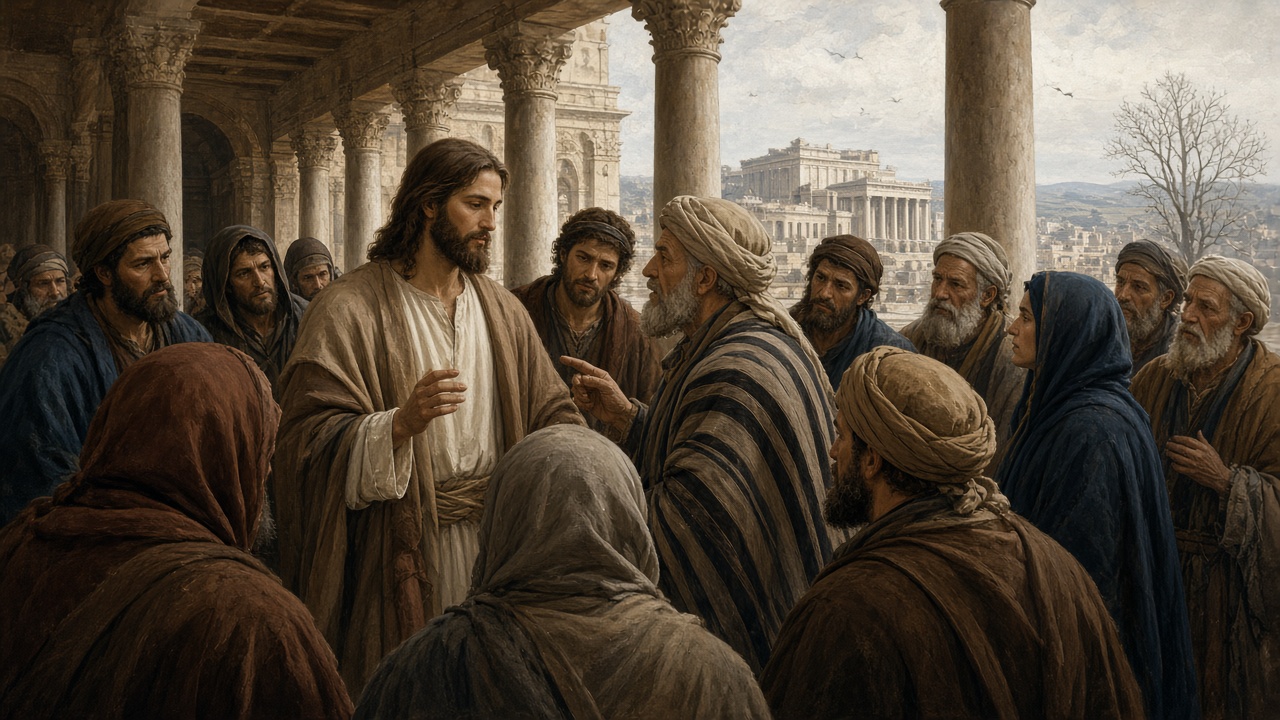
- Na Festa da Dedicação, em Jerusalém, era inverno, e Jesus caminhava pelos pátios do templo, no Pórtico de Salomão. O nome Jerusalém, na forma dual do original, significa "posse da paz" ou "fundação da paz"; essa forma provavelmente se refere aos montes Sião e Moriá ou, como alguns supõem, à cidade alta e à cidade baixa. O nome hebraico de Salomão, Shelomoh, significa "pacífico".Fontes: o próprio texto bíblico · Jerusalem · Solomon
- Uma cronologia dos episódios evangélicos situa o ensino do Bom Pastor em 29 d.C. e um tempo de ensino e cura, de Pereia a Jerusalém, em 30 d.C.Fontes: The Good Shepherd Teaching · Teaching and Healing in Perea to Jerusalem
- Jesus voltou então para o outro lado do Jordão, ao lugar onde João tinha começado a batizar, e muitas pessoas ali creram nele. João era de linhagem sacerdotal: seu pai, Zacarias, era sacerdote da turma de Abias, e sua mãe, Isabel, era das filhas de Arão. O nascimento dele, seis meses antes do de Jesus, foi anunciado por um anjo; os que vinham diziam que João nunca fez sinal algum, mas que tudo o que dissera a respeito de Jesus era verdade.Fontes: o próprio texto bíblico · John the Baptist
Notas escritas com auxílio de IA a partir de fontes abertas (Theographic Bible Metadata, CC BY-SA 4.0; Easton’s Bible Dictionary, domínio público) e revisadas antes de publicar.
Lugares deste capítulo
- Jerusalem · 31.777, 35.234 · versículo 22
- Solomon’s Portico · Hoje: in Jerusalem · 31.777, 35.234 · versículo 23
- Jordan · Hoje: Jordan River · 31.761, 35.558 · versículo 40
Só aparecem lugares com identificação de alta confiança (90% ou mais segundo as fontes acadêmicas reunidas pelo OpenBible). Mapa da época: DARE (Digital Atlas of the Roman Empire), CC BY 4.0; mapa atual: © colaboradores do OpenStreetMap; lugares: OpenBible.info (CC BY 4.0).
Créditos e licença desta tradução
Cohamacʉ Yare Yahari Tjuel
New Testament in Guanano
copyright © 2007 Wycliffe Bible Translators, Inc.
Language: Guanano
Translation by: Wycliffe Bible Translators, Inc.
Copyright Information
© 2007, Bible League International. All rights reserved.
This translation text is made available to you under the
terms of the Creative Commons License: Attribution-Noncommercial-No Derivative Works.
( http://creativecommons.org/licenses/by-nc-nd/3.0/ )
In addition, you have permission to port the text to different file formats, as long as you
do not change any of the text or punctuation of the Bible.
You may share, copy, distribute, transmit, and extract portions
or quotations from this work, provided that you include the above copyright
information:
You must give Attribution to the work.
You do not sell this work for a profit.
You do not make any derivative works that change any of the actual words or punctuation of the Scriptures.
Permissions beyond the scope of this license may be
available if you contact
us with your request.
The New Testament
in Guanano
© 2007, Wycliffe Bible Translators, Inc. All rights reserved.
This translation is made available to you under the terms of the
Creative Commons Attribution-Noncommercial-No Derivatives license 4.0.
You may share and redistribute this Bible translation or extracts from it in any format, provided that:
You include the above copyright and source information.
You do not sell this work for a profit.
You do not change any of the words or punctuation of the Scriptures.
Pictures included with Scriptures and other documents on this site are licensed just for use with those Scriptures and documents.
For other uses, please contact the respective copyright owners.
2014-08-06
Fonte: http://ebible.org/gvc/ · eBible.org