Neemias 5
Tupàn ze'eg · Toque num versículo para ver as referências cruzadas.
Ma'erahy hemetarer 'ym ma'e wanupe ipuraraw haw
1Amo 'ar pawire teko tetea'u wà, awa wà, kuzà wà no, uzypyrog wànàm Zutew wanemiapo kwer ikatu 'ym ma'e imume'u pà wà kury. 2— Ureànàm heta tetea'u wà. Uruputar arozràn ureremi'u ràm romo ure. Nezewe mehe nurumàno kwaw nehe, i'i amo wà.
3— Urume'eg ureko ta'e urumàno etea'i ure xe. Urume'eg ma'ywa tyw, urume'eg ureràpuz no, arozràn ime'eg kar pà, i'i amo wà.
4— Urereko ma'etymaw ure. Urereko ma'ywa tymaw no. A'e rupi tuwihawete wenoz ureremetarer ikurer urewe a'e. Uruenoz temetarer amo pe tuwihawete pe imono pà. Amo 'ar mehe urumuzewyr putar a'e temetarer izar pe nehe, i'i amo wà. 5Uruiko ureiwy rehe har Zutew waànàm romo ure. Urera'yr ikatu wana'yr wazàwe a'e wà no. Nezewe rehe we oromono urera'yr amo pe uma'ereko e ma'e romo ure wà. Urume'eg amo urerazyr amo pe uma'ereko e ma'e romo ure wà no. Nurupuner kwaw ma'e iapo haw rehe a'e ikatu 'ymaw wi urehemaw rehe. Ta'e amo upyro urema'etymaw urewi wà xe. Upyro ma'ywa tyw urewi wà no, i'i wà.
6Ihe Neemi ainu a'e ma'e paw imume'u haw ihe. Henu mehe aikwahy. 7— Azapo putar amo ma'e ihe nehe, a'e hezeupe. Aze'egahy teko wanuwihaw wanupe, zauxiapekwer wanuwihaw wanupe no. — Pemunar peiko penywyr rehe, a'e wanupe. Hema'enukwaw amo ma'e rehe. Na'e amono'og teko paw ihe wà kury, a'e ma'e rehe heze'eg pà wanupe kury. 8Amo kwarahy rehe zaneànàm Zutew uzeme'eg uma'ereko e ma'e romo amo wanupe wà, ta'e wanemetarer upaw wanuwi a'e xe. Temetarer heta mehe ko 'ar rehe urume'eg kar wi a'e Zutew uruiko wazar wi ure wà kury, uzeupe uma'ereko ma'e romo wamuigo kar pà ure wà kury. Ko 'ar rehe peànàm uzeme'eg kar waiko peme wà, ta'e wanemetarer upaw iko wanuwi a'e no xe. Wiko Zutew romo wà. Peiko Zutew romo no. Màràzàwe tuwe aipo pa, a'e wanupe. Tuwihaw nuze'eg kwaw wà. Nuexak kwaw tuwihaw waze'eg iwazar haw izupe wà.
9Na'e aze'eg wi wanupe kury. — Penemiapo na'ikatu kwaw. Aze mo pekyze Tupàn wi ikatu ma'e iapo pà, ikatu mo. Nan. Pezapo ikatu 'ym ma'e. A'e rupi zaneàmàtyry'ymar uze'eg urywahyahy zanerehe wà. 10Ihe ihe, herehe we har wà, ihewe uma'ereko ma'e wà, oromono temetarer imuzewyr pyràm teko wanupe. Oromono arozràn imuzewyr pyràm wanupe no. Urumunàn putar wanewer haw ure nehe. Pemuzewyr kar zo ureremetarer nehe, pemuzewyr kar zo arozràn nehe, uru'e putar wanupe nehe. 11A'e rupi pemunàn peme wanewer haw nehe no: temetarer, win, uri kawer. Pemuzewyr kar wama'etymaw wanupe nehe no, ma'ywa tyw nehe no, uri tyw nehe no, wanàpuz nehe no, a'e wanupe.
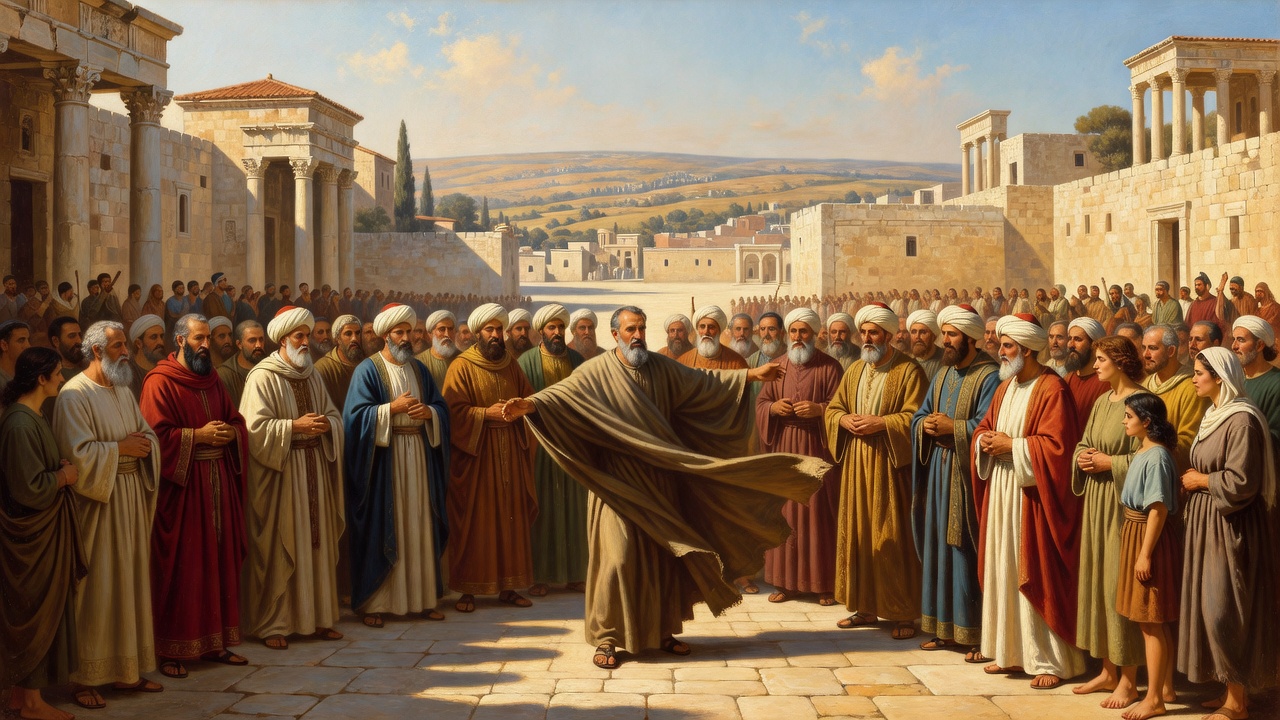
12Tuwihaw uwazar heze'eg ihewe wà. — Ikatu. Uruzapo putar neremiapo kar nehe. Urumuzewyr putar wama'e wanupe nehe. — Pemuzewyr ureremetarer urewe nehe, nuru'e kwaw wanupe nehe, i'i ihewe wà. Na'e ainoz xaxeto wamuwà ihewe wà kury. — Pemume'uahy a'e ma'e iapo àwàm xaxeto wanenataromo nehe, a'e tuwihaw wanupe. Umume'uahy wà. 13Na'e anuhem pàn heku'aw har kury. Amutuhug kury. — Nezewe Tupàn umutuhug putar wyzài wemimume'u kwer iapo 'ym àràm a'e wà nehe, a'e wanupe. — Tupàn upyro putar hàpuz izuwi nehe. Umuigo kar putar ma'e hereko 'ymar romo nehe, a'e wanupe. — Azeharomoete nehe. Tuwe nezewe uzeapo nehe, i'i a'e pe har paw wà. Na'e umume'u Tupàn Tuweharupi Wiko Ma'e ikatu haw wà. Uzapo ma'e wemimume'u kwer rupi katete wà.
Neemi ikatu haw
14Amumaw 12 kwarahy Zuta ywy rehe har wanuwihaw romo hereko pà ihe. Azypyrog Arataxer tuwihawete romo heko mehe 20 haw kwarahy mehe. Te 32 haw kwarahy mehe aiko tuwihaw romo. Teko umur temi'u ihewe a'e kwarahy rehe wà, ta'e tuwihaw romo aiko ihe xe. A'e kwarahy nànàn ni ihe ni heànàm nuru'u kwaw a'e temi'u ure. 15Amo awa wiko tuwihaw romo tuwihaw romo hereko 'ym mehe wà. A'e tuwihaw ipuhuz katu teko wanupe wà. — Pemur parat pitài kir ru'u ihewe nehe, i'i wanupe wà. Ume'eg kar temi'u a'e temetarer pupe wà. Ume'eg kar win ipupe wà no. Te tuwihaw wanupe uma'ereko ma'e imunar teko wanehe wà. Ihe naiko kwaw wazàwe ihe. Ta'e akyze Tupàn wi ihe xe. 16Ama'ereko hekàgaw rupi paw rupi ihe, ipàrirogawtàtà iaiha ma'e iapo wi pà ihe. Name'eg kar kwaw ni pitài ywy hezeupe. Ihewe uma'ereko ma'e paw hepytywà iapo wi haw rehe wà no. 17Amuger kar 150 Zutew heràpuz me ihe wà, wanuwihaw wanehe we ihe wà. Amuger kar teko amo ae ywy rehe har heràpuz me ur ma'e kwer paw rupi heràpuz me ihe wà no. 18Tuweharupi azuka kar ma'ea'yr ihe: tapi'ak awa, 6 àràpuhàràn hawitu ma'e kuzà ikatu wera'u ma'e wà, zapukaz tetea'u wà. 10 'ar ipaw nànàn amur kar amo win no. Akwaw teko wama'ereko haw ipuhuz katu haw. A'e rupi naenoz kwaw temetarer tuwihaw pe imur pyràm wanupe ihe.
19O Tupàn, ko ma'e ainoz newe. Azapo ma'e tetea'u 'aw teko wanupe ihe. Nereharaz zo heremiapo kwer wi nehe, a'e newe.
Você sabia?
Crise econômica e justiça social
- A comunidade judaica enfrentava pressões econômicas simultâneas, incluindo a fome, a cobrança de impostos imperiais persas e empréstimos com juros cobrados por compatriotas ricos. Para sobreviver e pagar os tributos reais, as famílias mais pobres hipotecavam seus campos e vinhas e eram forçadas a entregar seus filhos à escravidão por dívidas a outros judeus.Fontes: o próprio texto bíblico
- Para confirmar o acordo de cancelamento de dívidas e restituição de propriedades confiscadas, Neemias fez com que os nobres prestassem juramento diante dos sacerdotes e sacudiu as dobras de sua veste. O gesto ilustrava o castigo de que qualquer pessoa que violasse a promessa seria esvaziada de sua casa e de seus bens por Deus.Fontes: o próprio texto bíblico
- Neemias governou a terra de Judá durante doze anos, do vigésimo ao trigésimo segundo ano do rei persa Artaxerxes. Durante esse período, ele abriu mão da provisão habitual de comida, vinho e quarenta siclos de prata devida ao governador para não sobrecarregar a população, enquanto sustentava 150 oficiais e convidados estrangeiros às suas próprias custas.Fontes: o próprio texto bíblico · Artaxerxes
Notas escritas com auxílio de IA a partir de fontes abertas (Theographic Bible Metadata, CC BY-SA 4.0; Easton’s Bible Dictionary, domínio público) e revisadas antes de publicar.
Créditos e licença desta tradução
Tupàn ze'eg
Bible without Deuterocanon in Guajajára (BR:gub:Guajajára)
copyright © 2007 Wycliffe Bible Translators, Inc.
Language: Guajajára
Translation by: Wycliffe Bible Translators, Inc.
Guajajára [gub], Brazil
Copyright Information
© 2007, Wycliffe Bible Translators, Inc. All rights reserved.
This translation text is made available to you under the
terms of the Creative Commons License: Attribution-Noncommercial-No Derivative Works.
( http://creativecommons.org/licenses/by-nc-nd/3.0/ )
In addition, you have permission to port the text to different file formats, as long as you
do not change any of the text or punctuation of the Bible.
You may share, copy, distribute, transmit, and extract portions
or quotations from this work, provided that you include the above copyright
information:
You must give Attribution to the work.
You do not sell this work for a profit.
You do not make any derivative works that change any of the actual words or punctuation of the Scriptures.
Permissions beyond the scope of this license may be
available if you contact
us with your request.
Printed book ISBN 9788531109713
The Bible without Deuterocanon
in Guajajára
© 2007, Wycliffe Bible Translators, Inc. All rights reserved.
This translation is made available to you under the terms of the
Creative Commons Attribution-Noncommercial-No Derivatives license 4.0.
You may share and redistribute this Bible translation or extracts from it in any format, provided that:
You include the above copyright and source information.
You do not sell this work for a profit.
You do not change any of the words or punctuation of the Scriptures.
Pictures included with Scriptures and other documents on this site are licensed just for use with those Scriptures and documents.
For other uses, please contact the respective copyright owners.
2020-03-30
Fonte: http://ebible.org/gubBl/ · eBible.org