Mateus 9
Tupàn ze'eg · Toque num versículo para ver as referências cruzadas.
Zezuz umukatu ipàri ma'e a'e kury
1Wixe Zezuz oho kanuhu pupe kury. Uzewyr oho yryhu waz. Uhem weko haw pe kury, taw pe kury. 2Teko werur awa ipàri ma'e i'apaw rehe we wà. Imyrypar upir hupaw rehe herur pà wà. Zezuz wexak uzehe wazeruzar haw a'e. A'e rupi uze'eg a'e ipàri ma'e pe kury. — Nerurywete nehe ty, hera'yr, i'i izupe. — Ta'e amunàn neremiapo kwer ikatu 'ym ma'e kwez newi ihe kury xe, i'i izupe.
3Na'e ze'eg kwehe arer rehe upurumu'e ma'e uze'eg uzeupeupe Zezuz rehe a'e wà kury. — 'Aw awa uze'eg zemueteahy Tupàn rehe a'e, i'i uzeupeupe wà, Zezuz rehe uze'eg pà wà.
4Zezuz ukwaw waze'eg a'e. — Màràzàwe tuwe peze'eg zemueteahy herehe, màràzàwe tuwe pema'enukwaw ikatu 'ym ma'e rehe pepy'a pupe, i'i wanupe. 5— Ma'enugar heze'egaw nazawaiw katu kwaw ipàri ma'e pe. — Amunàn neremiapo kwer ikatu 'ym ma'e kwez newi kury, a'e kwez izupe. — Epu'àm eata pà nehe ty, a'e putar izupe nehe. Ma'enugar nazawaiw katu wera'u kwaw ihewe, i'i wanupe. 6— Ihe Awa ta'yr romo aiko ihe. A'e rupi apuner teko wanemiapo kwer ikatu 'ym ma'e imunànaw rehe wanuwi ihe, i'i wanupe. — Aexak kar putar hekàgaw peme ihe nehe kury, i'i wanupe. Na'e uze'eg a'e ipàri ma'e pe kury. — Epu'àm nehe, epyhyk nerupaw heraha nehe, eho nereko haw pe nehe, i'i izupe.
7Na'e upu'àm kury. Uhem oho a'e wi wàpuznaw pe uzewyr pà kury. 8Imukatu haw hexak mehe teko ipytuhegatu Zezuz rehe a'e wà kury. Ukyze izuwi wà. A'e rupi uze'eg Tupàn pe wà. — Nekatuahy Tupàn, ta'e eremur nekàgaw kwez ko awa pe ne kury xe, i'i izupe wà. — A'e rupi upuner agwer ma'e iapo haw rehe a'e kury, i'i izupe wà.
Zezuz wenoz Matew uzeupe a'e kury, wemimu'e romo imuigo kar pà a'e kury
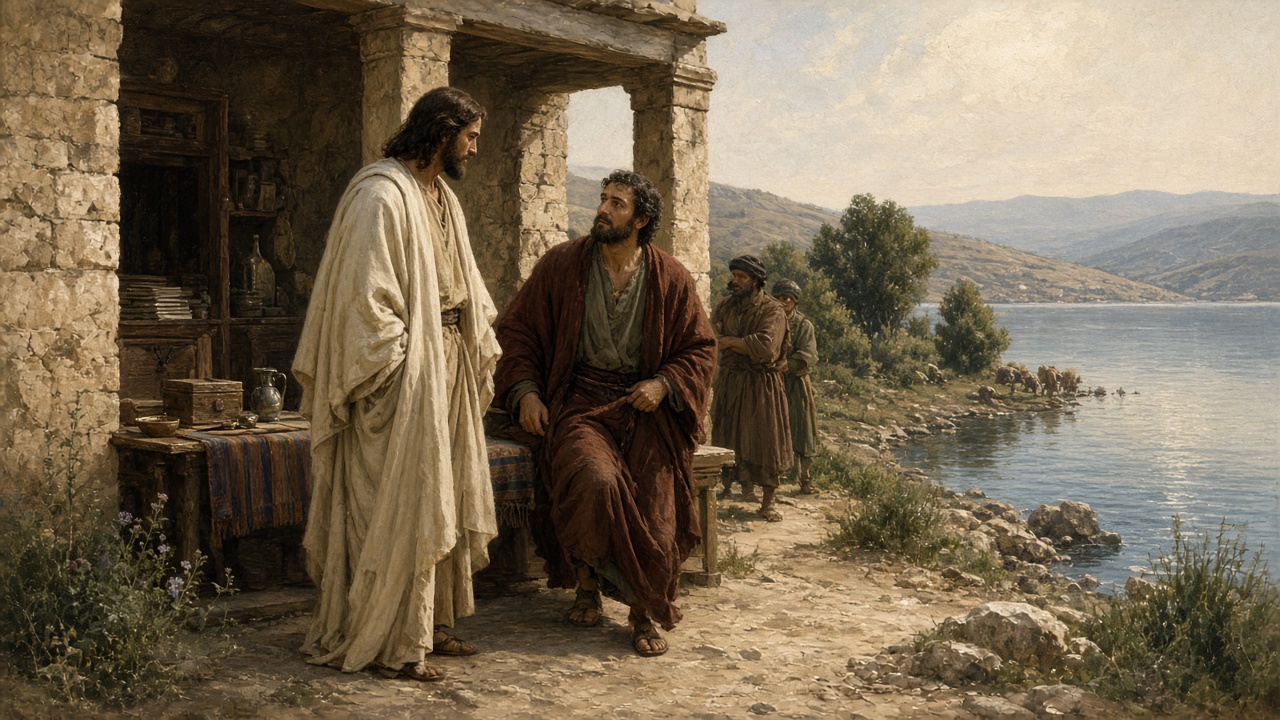
9Na'e uhem Zezuz oho a'e wi a'e wà kury. Ihe Matew ihe. Apyk in pe izywyr a'e 'ar mehe ihe. Pe rupi wata mehe herexak a'e pe a'e wà. Tuwihaw hemetarer mono'ogar romo aiko a'e 'ar mehe ihe. Matew herer romo ihe. Apyk ywyrapew rehe tàpuz huwake.
Na'e uze'eg Zezuz ihewe a'e kury. — Ezur herupi nehe ty, i'i ihewe. Na'e apu'àm ihe kury. Aha hupi.
10Zezuz Matew hàpuz me umai'u mehe amogwer tuwihaw hemetarer mono'ogar tetea'u ur a'e pe ipyr a'e wà no. Ikatu 'ym ma'e iapo har tetea'u a'e wà no, umai'u ipyr a'e wà no. Ure hemimu'e ure, uruwapyk mez huwake ure, ipyr uremai'u pà ure.
11Na'e amo ze'eg kwehe arer kwaw par parizew her ma'e a'e wà, wexak a'e teko Zezuz ipyr waneko mehe a'e wà. Upuranu urerehe wà. — Màràzàwe tuwe pemu'e har umai'u tuwihaw hemetarer mono'ogar wapyr a'e, ikatu 'ym ma'e iapo har wapyr a'e, i'i urewe wà.
12Wenu Zezuz waze'eg mehe. Uze'eg wanupe. — Teko ima'eahy 'ym ma'e noho kwaw muhàg kwaw par pe wà. Xo ima'eahy ma'e zo oho muhàg kwaw par pe wà, i'i wanupe. 13— Pekwaw ko Tupàn ze'eg kwehe arer pape rehe imuapyk pyrer pe. Nezewe i'i a'e ze'eg. Aze pemur àràpuhàràn izuka pyràm ihewe nehe, pekatu ihewe nehe. Aze pepuhareko teko pe wà nehe, pekatu wera'u ihewe nehe, i'i ze'eg kwehe arer. — Peruzar tuwe ko ze'eg peho peiko nehe ty wà, i'i wanupe — Nazur kwaw xe teko ikatuahy ma'e wanenoz pà ihe, heremiruze'eg romo wamuigo kar pà ihe. Ikatu 'ym ma'e iapo har ainoz putar hezeupe ihe wà nehe, heremiruze'eg romo wamuigo kar pà ihe wà nehe, i'i wanupe.
Uze'eg zekwaku haw rehe a'e kury
14Amo 'ar mehe Zuàw purumuzahazahak ma'e hemimu'e ur Zezuz pe a'e wà, hehe upuranu pà a'e wà. — Ure uruzekwaku uremai'u 'ym pà ure. Moizez ze'eg kwaw par parizew her ma'e a'e wà no, uzekwaku nezewegatete a'e wà no, Tupàn pe uze'eg pà a'e wà no, i'i izupe wà. — Neremimu'e a'e wà, nuzekwaku pixik kwaw nezewe a'e wà. Màràzàwe tuwe nuzekwaku kwaw umai'u 'ym pà a'e wà, i'i Zezuz pe wà, hehe upuranu pà wà. 15Uze'eg Zezuz wanupe.
— Teko oho zereko haw pe wà. Hemireko ma'e ràm wiko a'e pe wapyr a'e. Aipo uzemumikahy a'e wà, hemireko ma'e ràm ipyr wiko mehe a'e wà. Nan. Hurywete ipyr wiko mehe wà. Amo 'ar mehe hemireko ma'e ràm oho putar wanuwi nehe. A'e 'ar mehe upuner uzekwaku haw rehe wà nehe, uzemumikahy pà wà nehe.
16Aze awa wereko kamir izemàner ma'e a'e nehe, aze umu'i nehe, nuzapokatu kwaw pàn ipyahu ma'e pupe imuwywyk pà nehe, ta'e pàn ipyahu ma'e uzeapakwar putar a'e nehe xe. Owok putar pàn izemàner ma'e nehe. Ikwaikwar wi wi putar nehe no. Uhua'u wera'u putar ikwar nehe kury. 17Naximono kwaw ma'ywa tykwer win her ma'e ipyahu ma'e hyru izemàner ma'e pupe zane. Aze mo ximono nezewe ipupe, a'e mehe mo win ipyahu ma'e omopok mo uwyru a'e. (Ta'e xiapo ma'e pirer win hyru romo zane xe.) Uzeen mo win ywy rehe. Iaiw mo hyru kwer. Nan. Ximono win ipyahu ma'e hyru ipyahu ma'e pupe zane. Nezewe mehe ikatu putar win nehe. Nezewe mehe ikatu hyru nehe no.
Zezuz umugweraw kar kuzàtài imàno re a'e kury
18Nezewe Zezuz ize'eg mehe we amo Zutew wanuwihaw ur Zezuz pyr a'e kury. Uzeamumew huwa rupi, (ta'e Zezuz tuwihaw zàwe hekon izupe a'e xe). Uze'eg izupe.
— Herazyr umàno kwez a'e kury, i'i izupe.
— Ezur heràpuz me hehe nepokok pà nehe. Nezewe mehe ukweraw wi putar umàno haw wi nehe, i'i izupe.
19Na'e upu'àm Zezuz a'e kury, hupi oho pà kury. Ure hemimu'e ure, oroho hupi ure no.
20Amo kuzà a'e pe hekon Zezuz hemimu'e wapyr a'e. Umumaw 12 kwarahy uma'eahy pà. Huwy e ma'e romo hekon a'e. Na'e uhem wà Zezuz haikweromo kury. 21— Aze apokok zo zepe ikamir rehe nehe, hekatu putar ihe nehe, i'i uzeupe. — Napokok kwaw hetekwer rehe. Xo ikamir rehe apokok putar nehe, i'i uzeupe. A'e rupi opokok ikamir rehe kury.
22A'e 'ar mehe we uwak Zezuz a'e kuzà rehe ume'e pà a'e. — Ekyze zo ihewi nehe herazyr. Erezeruzar katu herehe ne, a'e rupi urumukatu kwez ihe kury, i'i izupe. A'e 'ar mehe we ikatu kury.
23Na'e uhem Zezuz oho a'e tuwihaw heko haw pe kury. Wixe oho hàpuz me. Wexak umàno ma'e kwer itymaw rehe uzegar ma'e a'e pe wà, wexak xi'àm ipy har wà no. Teko paw uzemumikahy uzai'o pà wà. 24Wanexak mehe i'i Zezuz wanupe. — Pehem peho xe wi paw rupi nehe ty wà, i'i wanupe. — 'Aw kuzàtài numàno kwaw a'e. Uker e pà a'e, i'i wanupe. Teko upuka hehe wà, (ta'e ukwaw kuzàtài imàno awer a'e wà xe.) 25Uhem a'e wi izuwi wà. Na'arewahy wixe Zezuz oho kuzàtài ipyr. Upyhyk ipo rehe. Ukweraw kuzàtài kury. Upu'àm kury. 26Teko umume'u imugweraw pawer oho taw nànànar a'e ywy rehe har wanupe a'e wà.
Zezuz umukatu mokoz hehàpyhà 'ym ma'e a'e wà kury
27Uhem Zezuz oho a'e wi a'e wà kury. Wata oho pe rupi wà. Na'e mokoz awa oho haikweromo wà. Hehàpyhà 'ym ma'e romo wanekon wà. — Urepuhareko pe nehe ty, Tawi izuapyr, i'i oho waiko izupe wà. 28Wixe Zezuz oho amo tàpuz me wà. Na'e a'e mokoz awa hehàpyhà 'ym ma'e uhem huwake wà. Upuranu wanehe. — Aipo pezeruzar pemukatu àwàm rehe pe, i'i wanupe. — He'e ty, uruzeruzar nekàgaw rehe ure, tuwihaw, i'i izupe wà.
29Na'e opokok Zezuz waneha rehe, wanupe uze'eg pà. — Tuwe peiko hehàpyhàgatu ma'e romo nehe, ta'e pezeruzar kwez herehe pe xe, i'i wanupe.
30Umukatu a'e wà. Hehàpyhàgatu wà kury. Na'e Zezuz uze'eg ahyahy wanupe. Pemume'u zo pemukatu awer amo wanupe nehe, i'i wanupe.
31Nuweruzar kwaw ize'eg wà. Umume'u umukatu awer oho teko wanupe wà, taw nàn a'e ywy rehe oho pà wà.
Zezuz umukatu uze'eg 'ym ma'e a'e kury
32A'e mokoz awa oho a'e wi Zezuz wi a'e wà kury. Waho mehe we amogwer teko werur amo ae awa izupe a'e wà, Zezuz pe hexak kar pà a'e wà. Nupuner kwaw uze'egaw rehe a'e, ta'e wereko tekwe ikatu 'ym ma'e uzehe a'e xe. 33Umuhem kar Zezuz tekwe ikatu 'ym ma'e a'e awa wi a'e kury. Na'arewahy a'e awa uzypyrog uze'eg pà kury. Teko ipytuhegatu paw rupi katete a'e wà. — Naxixak pixik kwaw agwer ma'e Izaew ywy rehe zane, i'i izupe wà.
34Moizez ze'eg kwaw par parizew her ma'e uze'eg zemueteahy hehe a'e wà. — Tekwe ikatu 'ym ma'e wanuwihaw umur ukàgaw izupe a'e, a'e rupi upuner tekwe ikatu 'ym ma'e wamuhem kar haw rehe puruwi a'e, i'i mua'u teko wanupe wà.
Zezuz upuhareko teko a'e wà kury
35Na'e Zezuz oho taw a'e ywy rehe har nànàgatu a'e wà kury. Upurumu'e oho iko Zutew wazemono'ogaw nànàn. Umume'u ze'eg puràg oho iko taw pe har nànàn no. — Peiko Tupàn hemiruze'eg romo nehe ty wà, i'i oho iko purupe. Upurumukatu oho iko taw nàn no. Paw rupi katete ma'eahy haw umuhem kar puruwi. Paw rupi katete ma'erahy kwer umuhem kar puruwi no. 36Teko tetea'u wanexak mehe Zezuz upuhareko katu a'e wà. Ta'e uzemumikahy waiko a'e wà xe, ta'e nupuner kwaw uzehe uzekaiw paw rehe a'e wà xe. Àràpuhàràn izar 'ym ma'e ài wanekon a'e wà.
37A'e rupi uze'eg wemimu'e wanupe kury.
— Teko ko ywy rehe har a'e wà, nuzawy kwaw aroz ipo'o pyràm ko pe har a'e wà. Naheta tete kwaw ipo'o har wà. 38Aroz tetea'u ihyk mehe ko zar umur kar uma'ereko ma'e ko pe a'e wà, aroz ipo'opo'o kar pà wanupe a'e wà. Nezewegatete peze'eg Tupàn pe nehe. A'e mehe umur kar putar uze'eg imume'u har xe a'e wà nehe. A'e rupi teko ukwaw putar Tupàn ze'eg puràg a'e wà nehe. Uzeruzar putar hehe wà nehe.
Você sabia?
Misericórdia, cura e vinho novo
- Mateus, filho de Alfeu, era publicano, ou seja, cobrador de impostos, em Cafarnaum. Jesus, ao subir da beira do lago, passou pela coletoria onde Mateus estava sentado e disse: “Segue-me”. Antes, ele era conhecido como Levi; nesse mesmo dia ofereceu um grande banquete, descrito como uma despedida, a Jesus, aos discípulos e, provavelmente, a muitos dos seus antigos companheiros.Fontes: Matthew · o próprio texto bíblico
- Os que perguntam por que eles e os fariseus jejuam com tanta frequência, enquanto os discípulos de Jesus não jejuam, são discípulos de João Batista. João é chamado o precursor; era de descendência sacerdotal, seu pai Zacarias sacerdote do turno de Abias e sua mãe Isabel uma das filhas de Arão.Fontes: John the Baptist · o próprio texto bíblico
- Uma cronologia situa a cura do paralítico, o chamado de Mateus, a pergunta sobre o jejum e a parábola dos odres no ano 28 d.C.Fontes: Healing the Man with Palsy · Jesus Calls Matthew · Fasting Question · Parable of the Winseskins
Notas escritas com auxílio de IA a partir de fontes abertas (Theographic Bible Metadata, CC BY-SA 4.0; Easton’s Bible Dictionary, domínio público) e revisadas antes de publicar.
Lugares deste capítulo
- Sea of Galilee · 32.819, 35.590 · versículo 1
Só aparecem lugares com identificação de alta confiança (90% ou mais segundo as fontes acadêmicas reunidas pelo OpenBible). Mapa da época: DARE (Digital Atlas of the Roman Empire), CC BY 4.0; mapa atual: © colaboradores do OpenStreetMap; lugares: OpenBible.info (CC BY 4.0).
Créditos e licença desta tradução
Tupàn ze'eg
Bible without Deuterocanon in Guajajára (BR:gub:Guajajára)
copyright © 2007 Wycliffe Bible Translators, Inc.
Language: Guajajára
Translation by: Wycliffe Bible Translators, Inc.
Guajajára [gub], Brazil
Copyright Information
© 2007, Wycliffe Bible Translators, Inc. All rights reserved.
This translation text is made available to you under the
terms of the Creative Commons License: Attribution-Noncommercial-No Derivative Works.
( http://creativecommons.org/licenses/by-nc-nd/3.0/ )
In addition, you have permission to port the text to different file formats, as long as you
do not change any of the text or punctuation of the Bible.
You may share, copy, distribute, transmit, and extract portions
or quotations from this work, provided that you include the above copyright
information:
You must give Attribution to the work.
You do not sell this work for a profit.
You do not make any derivative works that change any of the actual words or punctuation of the Scriptures.
Permissions beyond the scope of this license may be
available if you contact
us with your request.
Printed book ISBN 9788531109713
The Bible without Deuterocanon
in Guajajára
© 2007, Wycliffe Bible Translators, Inc. All rights reserved.
This translation is made available to you under the terms of the
Creative Commons Attribution-Noncommercial-No Derivatives license 4.0.
You may share and redistribute this Bible translation or extracts from it in any format, provided that:
You include the above copyright and source information.
You do not sell this work for a profit.
You do not change any of the words or punctuation of the Scriptures.
Pictures included with Scriptures and other documents on this site are licensed just for use with those Scriptures and documents.
For other uses, please contact the respective copyright owners.
2020-03-30
Fonte: http://ebible.org/gubBl/ · eBible.org