Jó 32
Tupàn ze'eg · Toque num versículo para ver as referências cruzadas.
ERIU UZE'EG A'E KURY
1Izo ukwaw weko haw a'e. — Naiko kwaw ikatu 'ym ma'e iapo har romo ihe, i'i uzeupe. A'e rupi imyrypar upytu'u ikatu 'ymaw imume'u re izupe wà kury. 2Amo awa Eriu her ma'e wiko a'e pe. Marakew ta'yr romo Muz izuapyr romo Hàw izuapyr romo hekon a'e. Eriu wikwahy Izo pe kury. Ta'e Izo umume'u ukatu haw a'e pe har wanupe a'e xe. — Nazapo kwaw ikatu 'ym ma'e ihe, i'i wiwi a'e pe har wanupe. — Tupàn upuraraw kar e ma'erahy ihewe a'e, i'i wanupe. 3Wikwahy a'e na'iruz imyrypar wanupe no. Ta'e nupuner kwaw Izo pe ize'eg iwazar haw rehe wà xe. — Tupàn ru'u uzawy aipo, i'i a'e pe har uzeupeupe wà. 4Xo iahykaw rehe uze'eg Eriu kury. Ta'e amogwer itua'u wera'u izuwi wà xe. 5Amogwer nukwaw kwaw ize'eg iwazar haw rehe Izo pe wà. A'e rupi wikwahy.
Uzypyrog Eriu uze'egaw rehe pitài haw rupi
Tupàn Ikàg Wera'u Ma'e ukwaw kar tuwe ma'e teko wanupe
6A'e rupi uzypyrog uze'eg pà kury. — Aiko kwàkwàmo romo ihe. Peiko tua'u ma'e romo.
Azeruze'eg penehe ihe. A'e rupi naze'eg kwaw.
7Nezewe a'e hezeupe. — Tuwe tua'u ma'e ràgypy uze'eg wà nehe.
Wereko kwarahy tetea'u wà. A'e rupi ukwaw katu ma'e wà. Tuwe wexak kar wemigwaw purupe nehe, a'e hezeupe.
8Heta amo hekwe teko wapy'a pupe.
Tupàn upuner wera'u ma'e upy teko wapupe ma'e kwaw katu haw imono pà wanupe.
9Tua'u wera'u ma'e nukwaw wera'u kwaw ma'e kwàkwàmo wanuwi wà.
Màràmàrànaw uzawy wà, ikatu ma'e iapo àwàm ikwaw 'ym pà wà.
10A'e rupi pezeapyaka katu heze'eg rehe nehe kury.
Ihe amume'u putar hema'enukwaw paw ihe nehe no.
Xo Tupàn zo uwazar putar Izo ize'eg izupe nehe
11Peze'eg mehe we naze'eg kwaw ihe.
Aenu katu pema'enukwaw paw. Pekar ze'eg ikatu wera'u ma'e peze'eg mehe.
12Azekaiw katu a'e peze'eg rehe ihe.
Izo nuzeruzar kwaw peze'eg rehe.
Napewazar kwaw ize'eg izupe.
13— Uruexak ma'e kwaw katu haw ure, peze peiko. Màràzàwe tuwe pepuner nezewe haw imume'u haw rehe.
Teko nupuner kwaw Izo ize'eg iwazar haw rehe wà. Xo Tupàn zo upuner.
14Aze mo aze'eg izupe, namume'u iwer mo ze'eg peze'eg zàwenugar ihe. Naze'eg kwaw izupe.
Ta'e Izo uze'eg iko peme a'e xe. Nuze'eg kwaw ihewe.
— Hepurumume'u wer hema'enukwaw paw rehe ihe kury, i'i Eriu
15Izo, 'aw na'iruz nemyrypar wiko heityk pyrer romo wà kury.
Naheta kwaw waze'eg wanupe kury. Nupuner kwaw uze'eg wiwi haw rehe newe nehe kury.
16Upytu'u uze'eg ire wà kury. Nuze'eg wi kwaw wà nehe.
Waze'eg 'ym mehe, aipo àro putar aha teko nehe.
17Nan. Awazar putar neze'eg newe nehe kury.
Amume'u putar a'e ma'e rehe hema'enukwaw paw nehe kury.
18Heta tetea'u heremimume'u ràm.
A'e rupi napuner kwaw heze'eg 'ymaw rehe kury.
19Aze naze'eg kwaw nehe, Apok putar nehe.
Win ipyahu omopok uwyru a'e. Nezewegatete apok putar ihe nehe no.
20Napuner kwaw heze'eg 'ymaw rehe. Heze'eg wer kury.
Amume'u putar hema'enukwaw paw nehe.
21Naze'eg kwaw peze'eg awer rehe nehe.
Namume'u kwaw peze'eg awer ikatu haw nehe.
22Namume'u e kwaw teko wakatu haw wanupe ihe.
Aze mo azapo nezewe haw, zaneapo arer uzepyk mo herehe.
Você sabia?
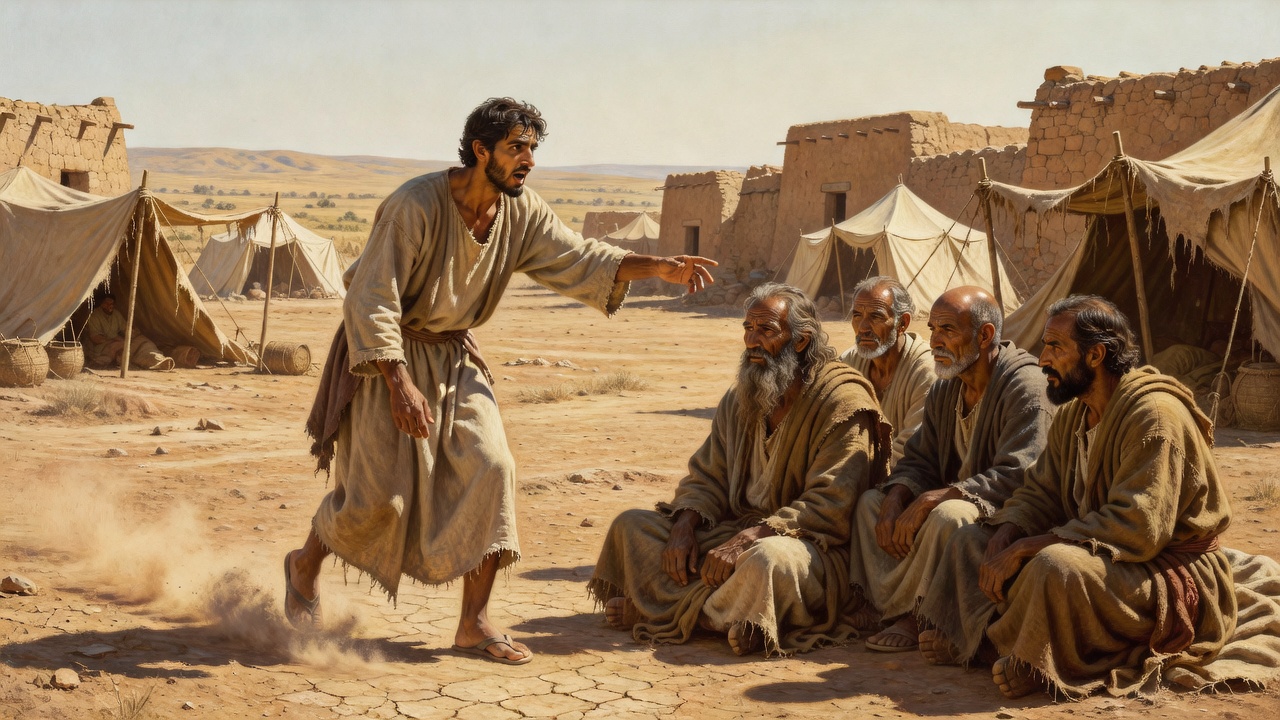
Eliú entra no debate
- Eliú, filho de Baraquel, o buzita, da família de Rão, surge pela primeira vez depois que os três amigos de Jó deixam de responder. Seus discursos se estendem do capítulo 32 ao capítulo 37.Fontes: o próprio texto bíblico · Elihu · Barachel · Ram
- Eliú se irrita com ambos os lados do debate: ele fica furioso com Jó por justificar a si mesmo em vez de a Deus, e zangado com os três companheiros idosos porque condenaram Jó sem refutar seus argumentos.Fontes: o próprio texto bíblico
- Por deferência cultural aos mais velhos, Eliú permaneceu em silêncio durante os debates anteriores, acreditando que a idade ensinava sabedoria. Ele só fala quando os outros ficam sem palavras, afirmando que o verdadeiro entendimento vem do fôlego e do espírito do Todo-Poderoso, e não apenas da idade.Fontes: o próprio texto bíblico
Notas escritas com auxílio de IA a partir de fontes abertas (Theographic Bible Metadata, CC BY-SA 4.0; Easton’s Bible Dictionary, domínio público) e revisadas antes de publicar.
Créditos e licença desta tradução
Tupàn ze'eg
Bible without Deuterocanon in Guajajára (BR:gub:Guajajára)
copyright © 2007 Wycliffe Bible Translators, Inc.
Language: Guajajára
Translation by: Wycliffe Bible Translators, Inc.
Guajajára [gub], Brazil
Copyright Information
© 2007, Wycliffe Bible Translators, Inc. All rights reserved.
This translation text is made available to you under the
terms of the Creative Commons License: Attribution-Noncommercial-No Derivative Works.
( http://creativecommons.org/licenses/by-nc-nd/3.0/ )
In addition, you have permission to port the text to different file formats, as long as you
do not change any of the text or punctuation of the Bible.
You may share, copy, distribute, transmit, and extract portions
or quotations from this work, provided that you include the above copyright
information:
You must give Attribution to the work.
You do not sell this work for a profit.
You do not make any derivative works that change any of the actual words or punctuation of the Scriptures.
Permissions beyond the scope of this license may be
available if you contact
us with your request.
Printed book ISBN 9788531109713
The Bible without Deuterocanon
in Guajajára
© 2007, Wycliffe Bible Translators, Inc. All rights reserved.
This translation is made available to you under the terms of the
Creative Commons Attribution-Noncommercial-No Derivatives license 4.0.
You may share and redistribute this Bible translation or extracts from it in any format, provided that:
You include the above copyright and source information.
You do not sell this work for a profit.
You do not change any of the words or punctuation of the Scriptures.
Pictures included with Scriptures and other documents on this site are licensed just for use with those Scriptures and documents.
For other uses, please contact the respective copyright owners.
2020-03-30
Fonte: http://ebible.org/gubBl/ · eBible.org