Isaías 45
Tupàn ze'eg · Toque num versículo para ver as referências cruzadas.
Tupàn umuigo kar Xiru tuwihawete romo a'e
1Tupàn Tuweharupi Wiko Ma'e umuigo kar Xiru tuwihawete romo a'e.
Upyhyk ipo awyze har rehe.
Omono ukàgaw izupe. A'e rupi upuner ywy tetea'u rehe har wapyhykaw rehe.
Upuner tuwihawete waneitykaw rehe no.
Tupàn Tuweharupi Wiko Ma'e uwàpytymawok tawhu hukenaw a'e.
A'e rupi Xiru upuner tawhu pupe wixe haw rehe.
Ni amo nupuner kwaw iwàpytym wi haw rehe wà nehe.
Tupàn Tuweharupi Wiko Ma'e uze'eg nezewe Xiru pe:
2Aha putar nerenataromo nehe.
Amumew putar ywytyruhu nehe.
Azukazuka putar ukenuhu itazu morog iapo pyrer ihe nehe.
Azuhazuhaw putar iwàpytymaw itaper iapo pyrer nehe.
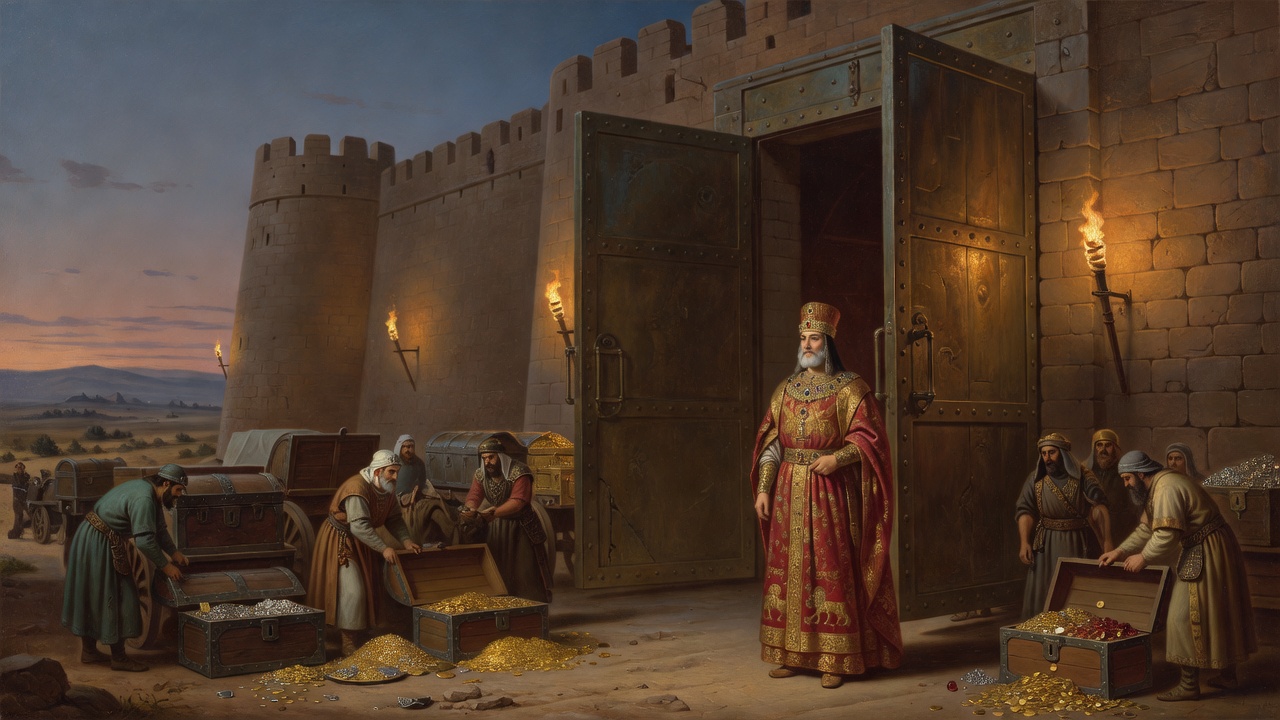
3Amono putar temetarer imim pyrer newe nehe, azumim ma'e hekuzar katu ma'e teko wanupe hexak kar 'ym pyrer newe.
Nezewe mehe erekwaw putar Tupàn Tuweharupi Wiko Ma'e romo hereko haw nehe.
Erekwaw putar Izaew wazar romo hereko haw nehe no.
Erekwaw putar nerer rehe nerenoz har romo hereko haw nehe.
4Urenoz tekoko ihe.
— Epytywà Izaew ne wà nehe, a'e newe.
Teko heremixamixak kwer romo wanekon a'e wà.
Nahekwaw kwaw pe ne.
Nezewe rehe we tuwihawete teko wanemimuwete romo urumuigo kar ihe.
5Xo ihe zo aiko Tupàn Tuweharupi Wiko Ma'e romo ihe.
Naheta kwaw amo tupàn wà.
Nahekwaw kwaw pe ne.
Nezewe rehe we amono hekàgaw newe. A'e rupi erepuner neàmàtyry'ymar waneitykaw rehe.
6Azapo nezewe haw ihe.
Nezewe mehe teko ywy nànànar wà, ywy kwarahy hemaw rehe har wà, ywy kwarahy heixe haw rehe har wà no, upaw rupi ukwaw Tupàn romo hereko haw wà.
Ukwaw amo tupàn heta 'ymaw wà no.
Xo ihe zo aiko Tupàn Tuweharupi Wiko Ma'e romo ihe.
7Aiko 'ar iapo arer romo. Aiko ipytunaw iapo arer romo no.
Amono heze'egatu purehe. Amono heze'egaiw purehe no.
Ihe Tupàn Tuweharupi Wiko Ma'e ihe, azapo a'e ma'e paw ihe.
8Àmàn ur ywate wi a'e.
Nezewegatete amur kar putar hepureitykaw ywak wi ihe nehe no.
Ywy uzepe'a putar imuhem kar pà nehe.
Umuezuz kar putar purupyro haw nehe. Umuezuz kar putar purumuhem kar haw nehe no.
Ihe Tupàn Tuweharupi Wiko Ma'e ihe, azapo putar a'e ma'e ihe nehe,
i'i Tupàn Xiro pe.
Tupàn Tuweharupi Wiko Ma'e ikàg wera'u a'e
9Ywy'a nuzàmàtyry'ym kwaw wapo arer a'e.
— Ma'e erezapo iko, ni'i kwaw ywy umuapu'apu'a har pe.
— Nerekwaw kwaw nema'ereko haw, ni'i kwaw izupe.
10Kwarer nuze'eg kwaw nezewe u pe uhy pe.
— Màràzàwe tuwe hemur kar pe ko ywy rehe, ni'i kwaw wanupe.
11Tupàn Tuweharupi Wiko Ma'e Izaew wazar Ikatuahy Ma'e neapo arer uze'eg nezewe a'e.
— Aipo pepuranu putar herehe nezewe nehe.
— Ma'e erezapo iko nera'yr wanehe nezekaiw pà, aipo peze putar ihewe nehe.
Aipo hemu'e putar ma'e iapo haw rehe nehe.
12Ihe azapo ywy kwehe mehe ihe.
Azapo teko ihe wà, ywy rehe wiko ma'e ràm romo ihe wà.
Hepo pupe apupirar ywak.
— Pezexak kar nehe, a'e kwarahy pe, zahy pe no, zahytata wanupe no.
13Ihe amuzypyrog kar Xiru ma'e iapo kar pà izupe ihe.
— Ereityk putar ywy tetea'u rehe har ne wà nehe,
Amumew putar hape ràm henataromo ihe nehe.
Uzapo wi putar Zeruzarez tawhu hereko haw romo a'e nehe no.
Umuhem kar putar heremiaihu wamunehew paw wi a'e wà nehe.
Nuenoz kwaw temetarer wamuhem kar haw hekuzaromo nehe.
Ihe Tupàn Tuweharupi Wiko Ma'e Ikàg Wera'u ma'e amume'u ko ze'eg tekoko ihe, i'i Tupàn.
14Uze'eg Tupàn Tuweharupi Wiko Ma'e wemiaihu Izaew wanupe kury.
— Pepyhyk putar Ezit ywy rehe har wanemetarer nehe.
Pepyhyk putar Exio ywy rehe har wanemetarer nehe no.
Pepyhyk putar Xewa rehe har wanemetarer nehe no.
Iaiha katu Xewa rehe har wà.
Peityk putar pe wà nehe.
Wiko putar peme uma'ereko e ma'e romo wà nehe.
Pezàpixipixi putar kyhàhàm tàtà pupe pe wà nehe, wamuata kar pà penaikwerupi pe wà nehe.
Wapyk putar upenàràg rehe penenataromo wà nehe.
Uze'eg putar peme ikàg 'ym ma'e romo wà nehe.
— Tupàn wiko penehe we a'e.
Naheta kwaw amo.
Xo a'e zo.
15Tupàn Izaew wazar a'e, wemiaihu wapyro har a'e, uzeàmim teko wanuwi a'e.
16Tupàn a'ua'u iapo har wiko putar ikàg 'ym ma'e romo wà nehe.
Imaranugar putar upaw rupi katete wà nehe.
17Tupàn Tuweharupi Wiko Ma'e upyro teko Izaew a'e wà.
Numuhem kar pixik kwaw wapyro haw wi wà nehe.
Ni amo numuigo kar pixik kwaw ikàg 'ym ma'e romo wà nehe.
Na'imaranugar pixik kwaw wà nehe.
18Tupàn Tuweharupi Wiko Ma'e ywak iapo arer a'e, wiko Tupàn romo a'e.
Xo pitài Tupàn heta.
Uzapo ywy.
Omono hexakaw ikwaw paw izupe no.
Umuapyk henaw rehe no.
Nuzapo kwaw ma'e heta 'ymaw romo.
Uzapo uzehe wiko ma'e wanereko har romo.
Uze'eg Tupàn Tuweharupi Wiko Ma'e nezewe.
— Aiko Tupàn Tuweharupi Wiko Ma'e romo ihe.
Naheta kwaw amo tupàn ihewi.
19Nazumim kwaw heze'eg puruwi.
Naze'eg kwaw ipytunaw rehe hereko pà.
— Herekar pe teko heta 'ymaw rehe nehe, na'e kwaw teko Izaew wanupe.
Ihe Tupàn Tuweharupi Wiko Ma'e amume'u ze'eg azeharomoete har ihe.
Teko upuner heze'eg rehe uzeruzar haw rehe tuweharupi wà, i'i Tupàn.
Tupàn a'ua'u nupuner kwaw teko wapyro haw rehe wà
20Nezewe uze'eg Tupàn Tuweharupi Wiko Ma'e.
— Pezur pezemono'og pà nehe, teko umàno haw wi uhem ma'e kwer wà.
Pepu'àm pezuwà tuwihaw wanenataromo nehe.
Amo teko uze'eg tupàn a'ua'u wanupe wà.
A'e tupàn nupuner kwaw wapyro haw rehe wà.
A'e teko nukwaw kwaw ma'e wà.
Amo teko uzemono'og wata pà tupàn a'ua'u wamuwete pà wà.
Nezewegatete nukwaw kwaw ma'e wà no.
Upir tupàn a'ua'u hagapaw ywyra iapo pyrer heraha pà wata mehe wà.
21Peze'eg na'arewahy nehe.
Pemume'u penemiapo kwer.
Peze'eg pezeupeupe nehe, aze peze'eg wer nehe.
Mo umume'u ma'e uzeapo ma'e ràm kwehe mehe wà.
Ihe Tupàn Tuweharupi Wiko Ma'e amume'u ihe.
Naheta kwaw amo tupàn.
Tupàn pitài romo aiko.
Wemiaihu wanuwi utyryk 'ym ma'e romo aiko.
Wemiaihu wapyro har romo aiko.
22Teko ywy nànànar wà, pezewyr ihewe nehe.
A'e mehe apupyro putar ihe nehe.
Ta'e aiko Tupàn romo ihe xe.
Naheta kwaw amo.
23Amume'uahy ma'e heremiapo ràm herer rehe ihe.
Heremimume'u kwer azeharomoete a'e.
Uzeapo putar tuwe a'e nehe.
— Amume'u ko ma'e.
— Teko paw wapyk putar upenàràg rehe uzemumew pà herenataromo wà nehe.
— Nurupytu'u pixik kwaw neze'eg heruzar ire ure nehe, i'i putar ihewe wà nehe.
24— Ne Tupàn Tuweharupi Wiko Ma'e ne, xo ne zo erepuner nepuner haw imono haw rehe purupe.
Xo ne zo ereityk kar amo amo ae wanupe wà, i'i putar wà nehe.
Heàmàtyry'ym arer paw wiko putar ikàg 'ym ma'e romo wà nehe.
Imaranugar putar herenataromo wà nehe.
25Ihe Tupàn Tuweharupi Wiko Ma'e aityk kar putar waàmàtyry'ymar heremiaihu wanupe ihe wà nehe.
Heremiaihu umume'u putar hekatu haw wà nehe.
Você sabia?
A missão de Ciro e a soberania de Deus
- Isaías 45 menciona nominalmente Ciro, o governante persa que conquistou a Babilônia em 538 a.C. Embora Ciro fosse um rei estrangeiro, o texto o chama de ungido de Deus, cuja missão incluía subjugar nações e libertar os exilados sem preço nem recompensa.Fontes: o próprio texto bíblico · Cyrus
- O capítulo emprega a metáfora do oleiro e do barro para repreender aqueles que questionam os métodos e a soberania de Deus. A passagem enfatiza que, assim como o barro não pode contestar o trabalho das mãos do artesão, a criação não pode questionar o governo do Criador.Fontes: o próprio texto bíblico
- O capítulo também faz referência aos produtos e riquezas do Egito e de Cuxe submetendo-se e reconhecendo o Deus de Israel. Na geografia bíblica, Cuxe referia-se às regiões localizadas ao sul do Egito.Fontes: o próprio texto bíblico · Cush · Egypt
Notas escritas com auxílio de IA a partir de fontes abertas (Theographic Bible Metadata, CC BY-SA 4.0; Easton’s Bible Dictionary, domínio público) e revisadas antes de publicar.
Lugares deste capítulo
Só aparecem lugares com identificação de alta confiança (90% ou mais segundo as fontes acadêmicas reunidas pelo OpenBible). Mapa da época: DARE (Digital Atlas of the Roman Empire), CC BY 4.0; mapa atual: © colaboradores do OpenStreetMap; lugares: OpenBible.info (CC BY 4.0).
Créditos e licença desta tradução
Tupàn ze'eg
Bible without Deuterocanon in Guajajára (BR:gub:Guajajára)
copyright © 2007 Wycliffe Bible Translators, Inc.
Language: Guajajára
Translation by: Wycliffe Bible Translators, Inc.
Guajajára [gub], Brazil
Copyright Information
© 2007, Wycliffe Bible Translators, Inc. All rights reserved.
This translation text is made available to you under the
terms of the Creative Commons License: Attribution-Noncommercial-No Derivative Works.
( http://creativecommons.org/licenses/by-nc-nd/3.0/ )
In addition, you have permission to port the text to different file formats, as long as you
do not change any of the text or punctuation of the Bible.
You may share, copy, distribute, transmit, and extract portions
or quotations from this work, provided that you include the above copyright
information:
You must give Attribution to the work.
You do not sell this work for a profit.
You do not make any derivative works that change any of the actual words or punctuation of the Scriptures.
Permissions beyond the scope of this license may be
available if you contact
us with your request.
Printed book ISBN 9788531109713
The Bible without Deuterocanon
in Guajajára
© 2007, Wycliffe Bible Translators, Inc. All rights reserved.
This translation is made available to you under the terms of the
Creative Commons Attribution-Noncommercial-No Derivatives license 4.0.
You may share and redistribute this Bible translation or extracts from it in any format, provided that:
You include the above copyright and source information.
You do not sell this work for a profit.
You do not change any of the words or punctuation of the Scriptures.
Pictures included with Scriptures and other documents on this site are licensed just for use with those Scriptures and documents.
For other uses, please contact the respective copyright owners.
2020-03-30
Fonte: http://ebible.org/gubBl/ · eBible.org