2 Timóteo 4
Tupàn ze'eg · Toque num versículo para ver as referências cruzadas.
1Aze'eg putar newe Tupàn huwa rupi ihe nehe kury, Zaneruwihawete Zezuz huwa rupi ihe nehe no. Amo 'ar mehe Zezuz a'e nehe, ukwaw kar putar ikatu 'ym ma'e iapo awer a'e nehe, iapo arer wanupe a'e nehe, teko nànàn nehe no, wikuwe ma'e kwer wanupe nehe, umàno ma'e kwer wanupe nehe no, ta'e ukwaw zaneremiapo kwer paw rupi a'e xe. Ukwaw ikatu ma'e. Ukwaw ikatu 'ym ma'e no. A'e re uzepyk putar ikatu 'ym ma'e iapo har wanehe nehe. Amo 'ar mehe Zezuz ur wi putar a'e nehe no. Wiko putar ywy rehe har paw wanuwihaw romo nehe. A'e rupi amume'u putar ko ze'eg newe ihe nehe kury, ko ma'e iapo kar pà newe ihe nehe kury. 2Emume'u Tupàn ze'eg puràg azeharomoete har teko wanupe nehe kury. Tuweharupi emume'u eho iko wanupe nehe. Aze teko ipurenu wer neze'eg rehe a'e 'ar mehe a'e pe wà nehe, a'e mehe emume'u wanupe nehe. Aze na'ipurenu wer kwaw neze'eg rehe amo 'ar rehe wà nehe, emume'u wiwi tuwe wanupe nehe no. Emuzeruzar kar hehe ne wà nehe, imume'u mehe ne wà nehe. Aze amo uzapo ikatu 'ym ma'e iko a'e nehe, a'e mehe ere izupe nehe, — Neremiapo kwer ikatu 'ym ma'e na'ikatu kwaw Tupàn pe, ere izupe nehe. Aze amo ukyze ma'e wi nehe, emupytu'u kar ikyze re nehe, emurywete kar nehe. Ezapo ko ma'e eho iko nepurumu'e mehe nehe. Aze neremimu'e nukwaw kwaw neze'eg a'e wà nehe, a'e mehe epytu'u zo wamu'e re nehe, emu'e wiwi nehe. Ukwaw putar wà nehe. 3Amo 'ar mehe teko nuzeapyaka katu kwaw ze'eg azeharomoete har imume'u mehe a'e wà nehe. A'e 'ar mehe uzapo putar wemiapo putar haw zutyka'i wà nehe. Upytu'u putar Tupàn ze'eg azeharomoete har henu re wà nehe. Ipurenu wer putar xo wàmuz wama'emume'u haw rehe zo wà nehe. Ipurenu wer putar wanemiapo kwer rehe wà nehe no. A'e rupi umur kar putar upurumu'e ma'e uzepyr a'e wà nehe. — Uremu'e pe nehe, i'i putar wanupe wà nehe. A'e upurumu'e ma'e numume'u kwaw ze'eg azeharomoete har wanupe wà nehe. Umume'u putar ma'emume'u haw kwehe arer wanupe wà nehe, ze'eg azeharomoete har imume'u 'ym pà wà nehe. 5Ne nehe, ezeruze'eg tuweharupi nehe, wyzài ma'e izeapo mehe nehe. Epuraraw ma'erahy eho iko nekàg pà nehe no. Ne Tupàn ze'eg imume'u har romo ereiko ne. A'e rupi ezapo tuwe ma'e Tupàn pe nema'ereko pà nehe. Tupàn pe ma'e iapo har romo ereiko ne. A'e rupi ezapo hemiapo putar haw eho iko paw rupi nehe no.
6Amo 'ar mehe àmàno putar ihe nehe kury. A'e he'ar uhem etea'i a'e nehe kury. 7Xe ko ywy rehe hereko mehe, tuweharupi amume'u katu Tupàn ze'eg teko wanupe ihe. Napytu'u kwaw imume'u re. Napytu'u kwaw hehe hezeruzar ire. Napytu'u kwaw amogwer wamuzeruzar kar ire no. 8Ama'ereko katu teko Zanezar pe, hemiapo putar haw iapo pà. Napytu'u kwaw iapo re. Amo 'ar mehe nehe, hexak mehe nehe, umur putar amo ikatuahy ma'e ihewe a'e nehe, hema'ereko haw hekuzaromo a'e nehe. Ta'e Tupàn ikatuahy a'e xe. Ukwaw katu teko wanemiapo kwer a'e xe. Ukwaw ikatuahy ma'e. Ukwaw ikatu 'ym ma'e no. Ukwaw teko wanemiapo kwer paw rupi no. A'e rupi umekuzar katu putar wanemiapo kwer nehe. Aze ikatu nehe, a'e mehe uzapo putar ikatu ma'e wanupe nehe. Aze na'ikatu kwaw nehe, a'e mehe uzepyk putar wanehe nehe. Aze teko wàro tur àwàm waiko wà nehe, iamutar katu pà wà nehe, aze nupytu'u kwaw hemiapo putar haw iapo re wà nehe, a'e mehe Zezuz uzapo putar ikatu ma'e wanupe nehe no, ihe ài nehe no.
Pawru uze'eg Ximot pe xe a'e kury
9Ne ty, ezeagaw hepyr nezur pà na'arewahy nehe ty. 10Nem a'e, xo ma'e ko ywy rehe har ko 'ar rehe har zo uputar iko a'e. A'e rupi hereityk a'e. Oho xe wi. Oho Texaron tawhu pe. Kerexen a'e no, oho Karaz ywy rehe a'e. Xi oho Taramaz tawhu pe a'e. 11Xo Iruk zo hepyr hekon. Ne nehe ty, ekar Mak eho nehe ty. Aze erexak nehe, erur xe hepyr nehe. Ta'e Mak a'e nehe no xe, upuner hepytywà haw rehe Tupàn pe hema'ereko mehe a'e nehe no xe. 12Ihe ihe, amono kar Xik Ew tawhu pe ihe. 13Xe hepyr nezur mehe erur hekamir ipuhuz katu ma'e ihewe nehe, a'e Toroaz tawhu pe Kar hàpuz me heremizarer nehe. Erur hepape ihewe nehe no. Aputar tuwe a'e pape heremiapo kwer no. 14Àrexàn a'e, takihe iapo har a'e, hemu'em tetea'u herehe a'e. Tuwe Tupàn umekuzar hemiapo kwer izupe a'e nehe. 15Aze ereàwàxi nehe, ezemupy'a hehe nehe. Ipuruzuka wer herehe a'e 'ar mehe, heze'eg henu mehe. Ta'e heze'eg na'ikatu kwaw izupe xe.
16Amo 'ar mehe tuwihaw huwa rupi hereko mehe, teko a'e pe har a'e wà, numume'u kwaw ikatu ma'e herehe a'e wà, tuwihaw pe a'e wà. Ni uzeruzar ma'e numume'u kwaw ma'e ikatu ma'e herehe wà. Hereityk paw rupi wà. Tuwe Tupàn numekuzar kar kwaw hereityk awer wanupe nehe. Tuwe nuzepyk kwaw wanehe nehe. 17Tupàn a'e, upyta hepyr a'e. Umur ukàgaw ihewe. A'e rupi a'e 'ar mehe nahemunehew kar kwaw zemunehew paw pe a'e wà, nahezuka kar kwaw a'e wà. Hemuhem kar a'e wi wà. A'e rupi apuner Tupàn ze'eg imume'u wiwi haw rehe zutew 'ym wanupe ihe kury. 18Tupàn a'e nehe, hepyro putar ikatu 'ym ma'e wi paw rupi a'e nehe. Hereraha putar uzepyr nehe, weko haw pe nehe. Weruze'eg tuwe Tupàn a'e pe har weko haw pe har a'e wà. Ikàg tuwe a'e, ikatuahy a'e no. Nezewe wiko putar tuweharupi nehe. Nupytu'u pixik kwaw ukàg ire nehe.
Upaw etea'i kury
19— Nekatu pa, a'e Pirixi pe. — Nekatu pa, a'e Ak pe no. Heze'eg amono kar Onexi pe no, iànàm wanupe no. 20Erat upyta Korin tawhu pe a'e. Amo 'ar mehe aezar Toro Mire tawhu pe ihe, ta'e ima'eahy a'e xe. 21Ne nehe no ty, eagaw tuwe nezur pà 'ar huwixàg ma'e ihem 'ym mehe nehe. Ew, Puruzen, Irin, Karaw. A'e paw omono kar uze'eg newe a'e wà no. Nezewegatete amogwer zanerywyr a'e wà no, omono kar uze'eg newe a'e wà no. 22Tuwe Tupàn upyta nepy'a pe a'e nehe. Tuwe nepuhareko nehe, ukatu haw imono e pà peme nehe no. Upaw kwez kury.
Pawru.
Você sabia?
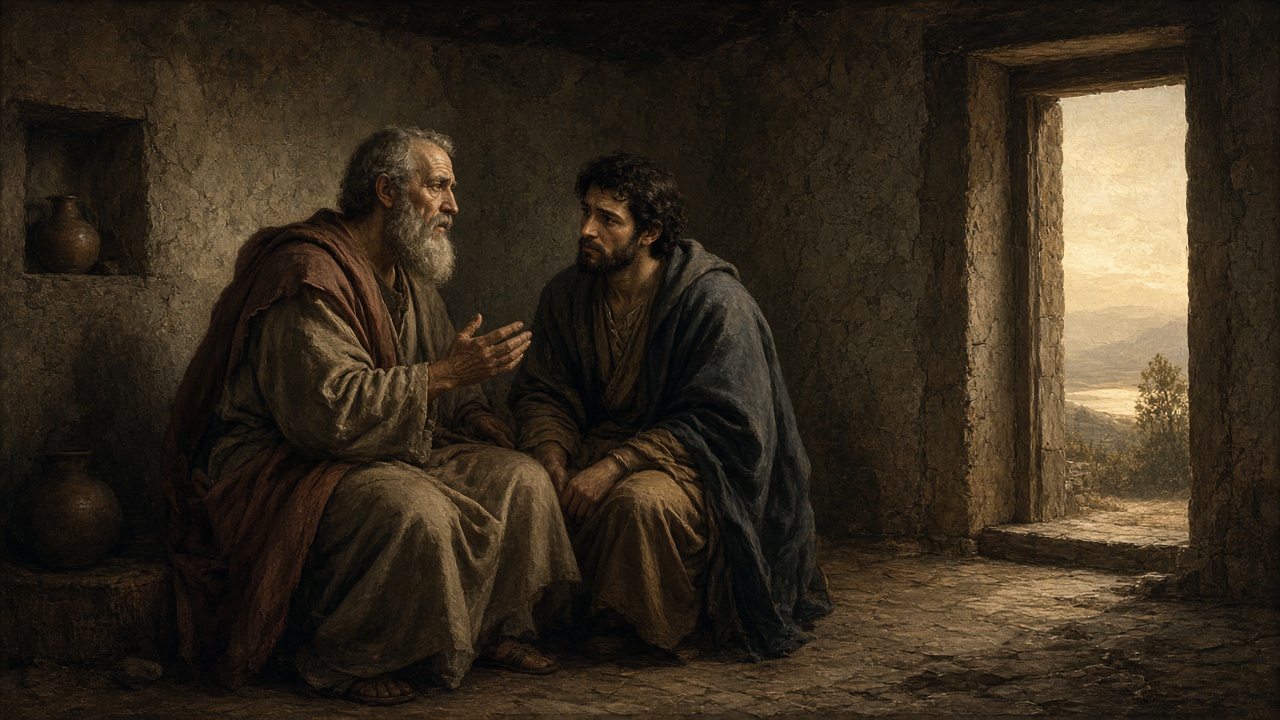
A exortação final e a despedida de Paulo
- Paulo pede a Timóteo que venha depressa. Demas, que o Dicionário Bíblico de Easton (1897) descreve como companheiro e colaborador de Paulo durante sua primeira prisão em Roma, abandonou-o por amor a este mundo e foi para Tessalônica, grande cidade no golfo Termaico e capital de um dos quatro distritos romanos da Macedônia. Crescente foi para a Galácia e Tito para a Dalmácia, região montanhosa na costa oriental do Adriático e parte da província romana do Ilírico; Paulo enviou Tíquico a Éfeso, e só Lucas permanece com ele.Fontes: Demas · Thessalonica · Dalmatia · o próprio texto bíblico
- O Dicionário Bíblico de Easton (1897) identifica Alexandre, o latoeiro, como um homem que, com Himeneu e outros, ensinava certas ideias sobre a ressurreição, e afirma que Paulo o excomungou. Neste capítulo, Paulo escreve que Alexandre lhe fez grande mal, pede a Timóteo que se acautele dele, porque se opôs com vigor à nossa mensagem, e diz que o Senhor lhe retribuirá segundo as suas obras.Fontes: Alexander · o próprio texto bíblico
- Paulo pede a Timóteo que traga a capa que deixou com Carpo em Trôade, junto com os rolos, especialmente os pergaminhos, e que chegue antes do inverno. Trôade era uma cidade no litoral da Mísia, no noroeste da Ásia Menor, que recebeu o nome da antiga Troia, situada cerca de quatro milhas ao norte.Fontes: Troas · o próprio texto bíblico
Notas escritas com auxílio de IA a partir de fontes abertas (Theographic Bible Metadata, CC BY-SA 4.0; Easton’s Bible Dictionary, domínio público) e revisadas antes de publicar.
Lugares deste capítulo
- Dalmatia · 43.813, 16.219 · versículo 10
- Galatia · 39.267, 32.983 · versículo 10
- Thessalonica · Hoje: Thessaloniki · 40.638, 22.946 · versículo 10
- Ephesus · 37.939, 27.341 · versículo 12
- Troas · Hoje: Alexandria Troas · 39.752, 26.159 · versículo 13
- Corinth · 37.906, 22.879 · versículo 20
- Miletus · 37.531, 27.276 · versículo 20
Só aparecem lugares com identificação de alta confiança (90% ou mais segundo as fontes acadêmicas reunidas pelo OpenBible). Mapa da época: DARE (Digital Atlas of the Roman Empire), CC BY 4.0; mapa atual: © colaboradores do OpenStreetMap; lugares: OpenBible.info (CC BY 4.0).
Créditos e licença desta tradução
Tupàn ze'eg
Bible without Deuterocanon in Guajajára (BR:gub:Guajajára)
copyright © 2007 Wycliffe Bible Translators, Inc.
Language: Guajajára
Translation by: Wycliffe Bible Translators, Inc.
Guajajára [gub], Brazil
Copyright Information
© 2007, Wycliffe Bible Translators, Inc. All rights reserved.
This translation text is made available to you under the
terms of the Creative Commons License: Attribution-Noncommercial-No Derivative Works.
( http://creativecommons.org/licenses/by-nc-nd/3.0/ )
In addition, you have permission to port the text to different file formats, as long as you
do not change any of the text or punctuation of the Bible.
You may share, copy, distribute, transmit, and extract portions
or quotations from this work, provided that you include the above copyright
information:
You must give Attribution to the work.
You do not sell this work for a profit.
You do not make any derivative works that change any of the actual words or punctuation of the Scriptures.
Permissions beyond the scope of this license may be
available if you contact
us with your request.
Printed book ISBN 9788531109713
The Bible without Deuterocanon
in Guajajára
© 2007, Wycliffe Bible Translators, Inc. All rights reserved.
This translation is made available to you under the terms of the
Creative Commons Attribution-Noncommercial-No Derivatives license 4.0.
You may share and redistribute this Bible translation or extracts from it in any format, provided that:
You include the above copyright and source information.
You do not sell this work for a profit.
You do not change any of the words or punctuation of the Scriptures.
Pictures included with Scriptures and other documents on this site are licensed just for use with those Scriptures and documents.
For other uses, please contact the respective copyright owners.
2020-03-30
Fonte: http://ebible.org/gubBl/ · eBible.org