2 Reis 5
Tupàn ze'eg · Toque num versículo para ver as referências cruzadas.
Nààmà imukatu haw
1Zauxiapekwer Xir izuapyapyr wanuwihaw Nààmà her ma'e, ikatuahy tuwihawete pe a'e. Tuwihawete umuwete katu a'e. Ta'e Tupàn Tuweharupi Wiko Ma'e umur waàmàtyry'ymar waneityk awer Xir wanupe a'e xe, Nààmà zauxiapekwer wanuwihaw romo heko mehe a'e xe. Zauxiapekwer ukyze 'ym ma'e romo hekon. Iperewahy a'e. Iro izupe. Hahy no.
2Amo 'ar mehe Xir uzàmàtyry'ym Izaew oho wà. Upyhyk amo kuzàtài Izaew a'e 'ar mehe wà. Xir weraha weko haw pe wà. Uzeapo Nààmà hemireko pe uma'ereko e ma'e romo. 3Amo 'ar mehe uze'eg kuzàtài uzar pe. — Aze mo heruwihaw uze'eg oho Tupàn ze'eg imume'u har Xamari pe har pe, ikatu mo ihewe. Ta'e umukatu mo iperew a'e 'y, i'i izupe.
4Na'e umume'u Nààmà kuzàtài ize'eg awer oho tuwihawete pe kury. 5— Eze'eg eho Izaew wanuwihawete pe nehe. Eraha ko heze'eg pape rehe imuapyk pyrer izupe nehe, i'i tuwihawete Nààmà pe. A'e rupi uhem Nààmà oho a'e wi 350 kir itaxig parat ipuhuz taw heraha pà, 70 kir itazu or ipuhuz taw heraha pà no. Weraha 10 kamirpuku hekuzar katu ma'e uzeupi no. 6Nezewe i'i a'e pape hemiraha a'e. — Ko pape heraha har a'e, Nààmà tuwihaw herehe we har romo hekon a'e. Aputar imukatu àwàm ihe, i'i izupe.
7Izaew wanuwihawete a'e pape imugeta mehe umu'i ukamir ukyze haw rehe kury. — Xir wanuwihawete uputar ko awa imukatu haw a'e. Ma'e azapo putar imukatu pà nehe. Aipo Tupàn romo aiko ihe. Aipo apuner wyzài teko imuigo kar haw rehe. Aipo apuner wyzài teko hekuwe re imupytu'u kar haw rehe. Ipuruàmàtyry'ym wer herehe a'e, i'i Izaew wanuwihawete teko wanupe.
8Ukwaw Erizew ma'e uzeapo ma'e kwer a'e. Omono kar uze'eg tuwihawete pe. — Màràzàwe tuwe erezemumikahy iko ne. Emur kar a'e awa ihewe imuze'eg kar pà nehe. Aexak kar putar Tupàn ze'eg imume'u har Izaew ywy rehe heta haw ihe nehe, i'i izupe.
9Na'e Nààmà oho heko haw kutyr weimaw kawaru wanupi ywyramawa wanehe kury. Upytu'u Erizew ràpuz hukenaw huwake. 10— Eze'eg eho nezewe izupe kury, i'i Erizew uma'ereko ma'e pe. — Ezahak eho 7 haw rupi yrykaw Zotàw pupe nehe. Nezewe mehe nekatu putar tuwe neperew wi nehe, ere izupe nehe, i'i izupe. 11Wikwahy Nààmà kury. — Aipo ni pitài Tupàn ze'eg imume'u har uhem putar tàpuz wi ihewe uze'eg pà nehe. Aipo ni pitài Tupàn ze'eg imume'u har uze'eg putar uzar Tupàn pe herehe nehe. Aipo nopokok kwaw heperew rehe hemukatu pà nehe. 12Hereko haw pe Namaz tawhu pe heta mokoz yrykaw ikatu wera'u ma'e wà. Aman Parupar waner romo wà. Yrykaw hereko har ikatu wera'u wyzài yrykaw xe har Izaew rehe har wi wà. Màràzàwe tuwe napuner kwaw a'e yrykaw pupe hezahakaw rehe hezemukatu kar pà ihe, i'i wanupe. A'e rupi oho a'e wi wikwahy pà.
13Na'e izupe uma'ereko ma'e uze'eg oho izupe wà kury. — Aze mo Tupàn ze'eg imume'u har uzapo kar zawaiw katu ma'e newe, erezapo mo. Màràzàwe tuwe nerepuner kwaw yrykaw pupe nezahakaw rehe ize'eg awer rupi nezemukatu kar pà, i'i izupe wà.
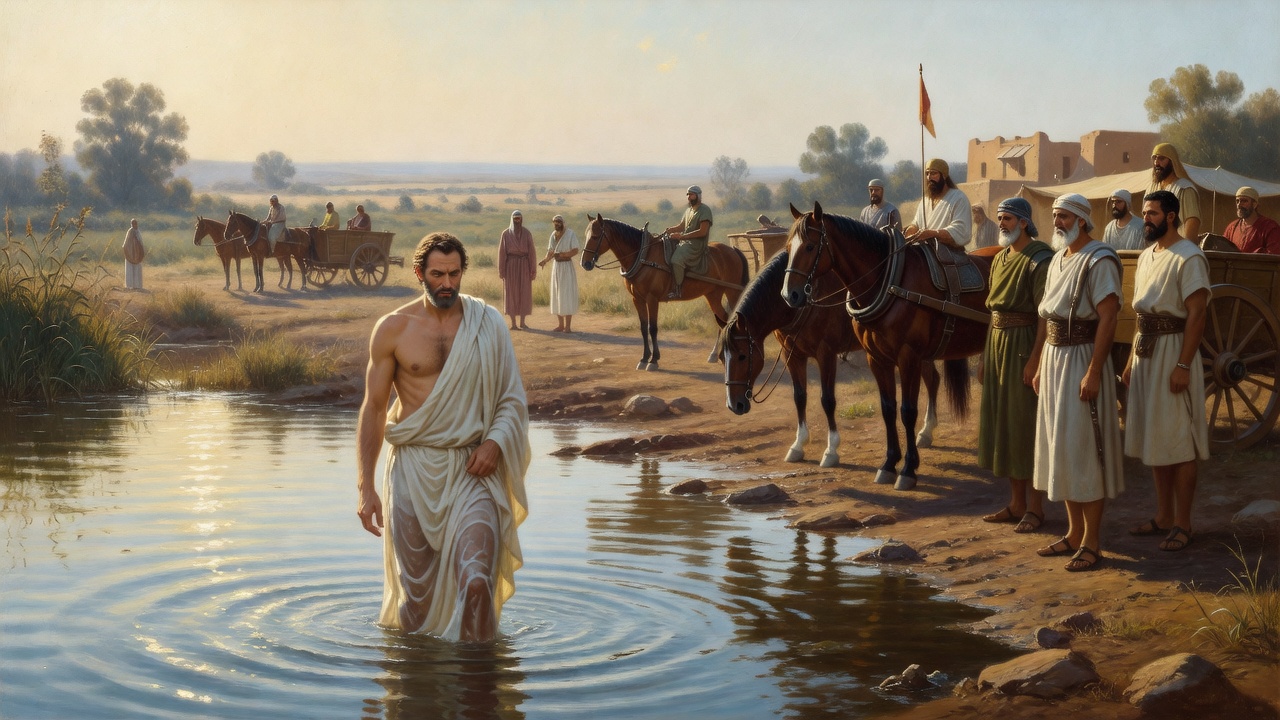
14A'e rupi wezyw Nààmà Zotàw yrykaw pe kury. Uzahak 7 haw rupi Eri ze'eg awer rupi katete. Ikatu azeharomoete kury. Ho'o kwer ikàg. Heruhàg kwarer ài. 15A'e re uzewyr Erizew heko haw pe uzehe we har wanupi kury. — Akwaw ko ma'e ihe kury. Naheta kwaw amo ae Tupàn azeharomoete har ywy rehe. Xo pitài zo. Xo Izaew wazar zo wiko Tupànete romo. Amono putar amo ma'e newe nehe kury. Aze ikatu newe, epyhyk nehe, i'i tuwihaw Erizew pe.
16Uwazar Erizew izupe. — Amume'u putar ko ma'e Tupàn Tuweharupi Wiko Ma'e henataromo ihe nehe kury, hezar romo ihe nehe kury. Napyhyk kwaw ma'e nemukatu awer hekuzaromo ihe, i'i izupe. Uzeagaw wi wi Nààmà amo ma'e imono pà izupe. Nuputar kwaw.
17Na'e uze'eg Nààmà kury. — Nereputar kwaw heremimono ràm ne. Tuwe araha ywy xe har mokoz kawaràn wakupe pe ihe nehe. Ta'e ko 'ar henataromo nazuka kwaw ma'ea'yr amo ae tupàn pe nehe. Namono pixik kwaw ma'e amo ae tupàn imuawyze kar pà nehe. Xo Tupàn Tuweharupi Wiko Ma'e pezar pe zo amono putar ihe nehe. 18Amo ma'e heremiapo ràm wi hepurumueharaz kar wer hehe ihe. Tuwihawete oho tupàn ua'u Himo her ma'e ràpuzuhu pe tupàn ua'u Xir ywy rehe har wazar imuwete katu pà. Hereraha putar uzeupi a'e nehe no. A'e rupi umuwete katu kar putar uzar ihewe a'e nehe no. Tuwe Tupàn Tuweharupi Wiko Ma'e heharaz a'e heremiapo ràm wi nehe, i'i Nààmà Erizew pe.
19— Zazur rihi. Tuwe ereho katu nehe, i'i Erizew izupe.
Tupàn uzepyk Zeazi rehe a'e
Muite a'e wi Nààmà heko mehe, 20Zeazi Erizew pe uma'ereko ma'e uze'eg upy'a pe kury, — Hezar omono kar e Nààmà xe wi. Nuenoz kwaw temetarer izupe. Aze mo upyhyk a'e Xir hemetarer, a'e mehe mo ikatu. Amume'u ko ma'e Tupàn Tuweharupi Wiko Ma'e henataromo kury. Azàn putar haikweromo nehe. Apyro putar amo ma'e izuwi nehe, i'i uzeupe.
21Na'e Zeazi uzàn oho a'e wi uhem pà. Nààmà wexak tur mehe. — Kwa, amo awa uzàn wà heraikweromo a'e, i'i uzeupe. A'e rupi wezyw ywyramawa wi hehe upuranu pà. — Aipo uzeapo amo ma'e, i'i izupe.
22— Nan, i'i Zeazi izupe. — Hezar hemur kar newe hemuze'eg kar pà a'e. Tàrityka'i uhem mokoz Tupàn ze'eg imume'u har ywy Eparai rehe har ywytyr heta haw wi wà kury. A'e rupi hezar wenoz itaxig parat 30 kir ipuhuz taw newe. Wenoz mokoz kamirpuku ikatuahy ma'e newe no, i'i mua'u Nààmà pe.
23— Aze ikatu newe, eraha 60 kir ipuhuz taw itaxig nehe, i'i Nààmà Zeazi pe. — Eraha, i'i wi izupe. Na'e Nààmà omono a'e itaxig mokoz ma'eryru pupe kury. Omono mokoz kamirpuku hekuzar katu ma'e wanupe no. Omono mokoz wemiruze'eg uma'ereko ma'e hupi wà no. — Peata Zeazi henataromo nehe, i'i wanupe. 24Ywytyr Erizew heko haw pe wahem mehe, Zeazi upir a'e mokoz ma'e ryru wà kury, waneraha pà tàpuz pupe wà kury. A'e re umuzewyr kar a'e mokoz Nààmà pe uma'ereko ma'e uzar pe wà. 25Wixe wi wàpuz me. Uze'eg oho Erizew pe. — Ma'e pe ereho, i'i Erizew izupe. — Naha kwaw amo me, i'i Zeazi wemu'em pà izupe.
26Uze'eg wi Erizew izupe. — Herekwe wiko nerehe we a'e awa ywyramawa wi iwezyw mehe newe uze'eg pà ihe. Na'ikatu kwaw ma'e ipyro awer izuwi imukatu awer hekuzaromo. Ni temetarer, ni kamirpuku, ni uri tyw, ni uwà tyw, ni àràpuhàràn wà, ni tapi'ak wà, ni uma'ereko e ma'e awa wà, ni uma'ereko e ma'e kuzà wà. Iro neremiapo kwer ihewe. 27A'e rupi Nààmà iperew ur putar nerehe nehe kury, nezuapyapyr wanehe nehe no. Awyzeharupi iperew putar wà nehe, i'i Erizew Zeazi pe. A'e wi uhem mehe wereko a'e awa iperew kwer uzehe kury. Ipir xigatu ywàkun ài.
Você sabia?
A cura de Naamã
- Quando Eliseu mandou Naamã se lavar no Jordão, o comandante ficou indignado, afirmando que o Abana e o Farfar, os rios de Damasco, eram melhores do que todas as águas de Israel.Fontes: o próprio texto bíblico · Abana · Pharpar
- Após ser curado de sua lepra, Naamã pediu a quantidade de terra de Israel que duas mulas pudessem carregar, para oferecer sacrifícios exclusivamente ao SENHOR ao retornar a Arã.Fontes: o próprio texto bíblico · Naaman
- Geazi, o servo de Eliseu, perseguiu Naamã para pedir prata e vestes sob pretextos falsos, fazendo com que Eliseu declarasse que a lepra de Naamã se apegaria a Geazi e aos seus descendentes.Fontes: o próprio texto bíblico · Gehazi
Notas escritas com auxílio de IA a partir de fontes abertas (Theographic Bible Metadata, CC BY-SA 4.0; Easton’s Bible Dictionary, domínio público) e revisadas antes de publicar.
Lugares deste capítulo
- Syria · Hoje: Aram · 33.511, 36.306 · versículos 1, 2, 5
- Samaria · 32.276, 35.195 · versículo 3
- Jordan · Hoje: Jordan River · 31.761, 35.558 · versículos 10, 14
- Abana · Hoje: Barada River · 33.514, 36.305 · versículo 12
- Damascus · 33.511, 36.306 · versículo 12
- Aram · 33.511, 36.306 · versículo 18
Só aparecem lugares com identificação de alta confiança (90% ou mais segundo as fontes acadêmicas reunidas pelo OpenBible). Mapa da época: DARE (Digital Atlas of the Roman Empire), CC BY 4.0; mapa atual: © colaboradores do OpenStreetMap; lugares: OpenBible.info (CC BY 4.0).
Créditos e licença desta tradução
Tupàn ze'eg
Bible without Deuterocanon in Guajajára (BR:gub:Guajajára)
copyright © 2007 Wycliffe Bible Translators, Inc.
Language: Guajajára
Translation by: Wycliffe Bible Translators, Inc.
Guajajára [gub], Brazil
Copyright Information
© 2007, Wycliffe Bible Translators, Inc. All rights reserved.
This translation text is made available to you under the
terms of the Creative Commons License: Attribution-Noncommercial-No Derivative Works.
( http://creativecommons.org/licenses/by-nc-nd/3.0/ )
In addition, you have permission to port the text to different file formats, as long as you
do not change any of the text or punctuation of the Bible.
You may share, copy, distribute, transmit, and extract portions
or quotations from this work, provided that you include the above copyright
information:
You must give Attribution to the work.
You do not sell this work for a profit.
You do not make any derivative works that change any of the actual words or punctuation of the Scriptures.
Permissions beyond the scope of this license may be
available if you contact
us with your request.
Printed book ISBN 9788531109713
The Bible without Deuterocanon
in Guajajára
© 2007, Wycliffe Bible Translators, Inc. All rights reserved.
This translation is made available to you under the terms of the
Creative Commons Attribution-Noncommercial-No Derivatives license 4.0.
You may share and redistribute this Bible translation or extracts from it in any format, provided that:
You include the above copyright and source information.
You do not sell this work for a profit.
You do not change any of the words or punctuation of the Scriptures.
Pictures included with Scriptures and other documents on this site are licensed just for use with those Scriptures and documents.
For other uses, please contact the respective copyright owners.
2020-03-30
Fonte: http://ebible.org/gubBl/ · eBible.org