Isaías 57
ጌሻ ማጻፋ · Toque num versículo para ver as referências cruzadas.
ጺሎታ ጋኪዛ ሜቶ
1ጺሎ ኣሲ ሃይቄስ፤
ሄሳ ኦኒካ ዎዚናን ዎና፤
ጾሳስ ኣቂዛ ኣሳታ
ሼምፖይ ኤኬቴስ፤
ጺሎቲ ኢታፔ ኣታና ማላ
ኤኬቲዳይሳ ኦኒካ ኣኬኬና።
2ሱሬቴን ቢዛይቲ ሳሮን ጌላና፤
ሃይቂዲካ ባ ሂን
ሳሮን ሼምፓና።
ኢታታ ቦላ ያና ፒርዳ
3ጎዳይ፥ «ኢንቴኖ ማሮ ናይቶ፥
ኢንቴኖ ላጌዛይሳኔ
ላይማቲዛሪ ዜሬቶ፥
ኢንቴ ሃ ዪቴ።
4ኢንቴ ኦና ቦላ ቂልጬቲ?
ኢንቴ ኢንጻርሲ ኦና ቦላ ኬሴቲ?
ኢንቴ ማካላንቻታ ናይታኔ
ዎርዳንቻታ ዛሬ ጊዴኬቲ?
5ኢንቴ ዎላ ጋርሳኒኔ
ዳሻ ሚታ ጋርሳን
ዚታን ጹጌቲዛይታ ጊዴኬቲ?
ዙሌታኒኔ ዛላ ዛኣታ ጋርሳን
ኢንቴ ናይታ
ያርሺዛይታ ጊዴኬቲ?
6ሃኔ ዙሌን ዲዛ ሊቆ ሹቻቲ
ኔስ ኤቃ ጾሳታ፤
ኢስቲካ ኔ ቃዳታ፤
ቱሙካ ኔ ኢስታ ቦላ
ኡሻ ያርሾ ጉሳዳሳ፤
ካ ያርሾካ ሺሻዳሳ፤
ሂስቲን ሃ ዮኦታ ጊሻስ
ታ ጮኡ ጋኔ?
7ኔ ሂጻ ቁ ጊዳ
ኣዱሳ ዙምቡላ
ሁኤን ሂጻዳሳ፤
ሄን ኔ ያርሾ
ሺሻና ኬዛዳሳ።
8ኔ ፔንጌፌኔ ቆሲላፌ
ሶ ባጋራ ኤቃ ሚስሌታ ኤሳዳሳ።
ታና ኣጋዳ ኔ ሂጻ ቃራዳሳ፤
ኢዛ ቦላ ኬዛዳ ኬሃ ቃራዳሳ፤
ኔ ዶሲዳይታራ ቃላ ጊጋዳሳ፤
ኢስታ ካሎካ ቤኣዳሳ።
9ዎጋራ ዛይቴ ኤካዳ፥
ሺቶ ኢዛ ቦላ ጉጃዳ
ሞሎኬ ጌቴቲዛ
ኤቃ ጾሳኮ ባዳሳ፤
ኔስ ኪቴቲዛይታ
ሃኮ ዴሬ ኪታዳሳ፤
ዱጌ ሲኦሌ ጋካናስ
ካንዳሳ።
10ኔ ኦጌ ዳሮፔ
ዴንዲዳይሳን ዳቡራዳሳ፤
ጊዶ ኣቲን፥
‹ሂዶታይ ባዋ› ጋቤካ።
ኔ ዎልቃይ ሃ ኦራጺዴስ፤
ሄሳ ጊሻስ ኣርጋጫቤካ።
11«ኔኒ ታስ ዎርዶቲዳይ፥
ኦናስ ያያዳ?
ኦናስ ሂርጋዳ?
ኔ ታና ቆፖንታ ኣጊዳይ፥
ሃይሳካ ኔ ዎዚናን
ቁምኦንታ ኣጊዳይ፥
ታስ ኔ ያዮንታ ኢጺዳይ፥
ታኒ ጮኡ ጊዳ ጊሻስ ጊዴኔ?
12ታኒ ኔ ጺሎቴኔ
ኔ ኦሶ ቆንጪሳና፤
ኢስቲካ ኔና ጎኤቴና።
13ኔኒ ማዶ ዴማናስ
ዋሲዛ ዎዴ፥
ኣኔ ኔ ሺሺዳ ኤቃ ጾሳቲ
ኔና ኣሼቶ!
ኢስታ ኡባካ
ጫርኮይ ኤኪ ኤፋና፤
ጉ ፔኖይ
ኢስታ ላሊ ይሳና፤
ጊዶ ኣቲን ታና ባስ
ባቃታሶ ኦዳ ኣሲ
ቢታዮ ላታና፤
ታ ጌሻ ዙማዮ
ባስ ሚሽ ኦና» ጌስ።
ዎዚናይ ሜቂዳይታስ ኢሜቲዳ ሚን
14ጎዳይ፥ «ባሲቴ፥ ባሲቴ!
ኦጌ ጊግሲቴ፤
ታ ዴራ ኦጋፔ ጲዛ ሚሽ
ኡባ ዲጊቴ» ጌስ።
15ቁ ጊዳይሲ፥
ኡባ ሃሪዛይሲ፥
ኢዛስ ሱንይካ
ጌሽ ጌቴቲዳይሲ፥
ሜርናስ ዴኢዛይሲ፥
«ካዉዪዳይታ ኣያና
ዴንናስ፥
ዎዚናይ ሜቂዳይታ
ሚንናስ፥
ቁ ጊዳ ጌሻሶሆን
ታ ዴኣይስ፤
ቃሴካ ዎዚናይ
ሜቂዳይታራኔ
ኣያናን ኣሽኬ ጊዲዳይታራ
ታኒ ዴኣና።
16ኣሳ ኣያናይ ታ ሲንን
ዳቡሮንታ ማላ
ታ ሜዳ ኣሳስ
ፔኖይ ኤቆንታ ማላ
ታ ሜርናስ ዋላሲኬ፤
ታ ኡባቶ ሃንቄቲኬ።
17ኢዛ ናጋራ ጊሻሲኔ
ኢዛ ዪቄቴ ጊሻስ
ታ ሃንቄታዲስ፤
ታ ኢዛ ቃጻያዲስ፤
ታ ሲንካ ሃንቆን
ኢዛፔ ጌንዲስ፤
ጊዶ ኣቲን ሃኢካ ሲሚዲ
ኢዚ ባ ኦጌን ቢዴስ።
18ታኒ ኢዛ ኦጌታ ቤኣዲስ፤
ጊዲኮካ ታ ኢዛ
ፓናኔ ካሌና፤
ኢዛሲኔ ኢዛ ጊሻስ
ዬኪዛ ጌሻታ ታ ሚንና።
19ኢስራኤሌ ቢታን
ዬኪዛይታ ዶናን
ታ ጋላታ ዎና።
ማታኒኔ ሃሆን ዲዛይታስ
ሳሮይኔ ዎፓይ ጊዶ።
ታኒ ኢስታ ፓና» ጌስ።
20ጊዶ ኣቲን ኢታቲ ዳምባላይ
ኡርቃኔ ቡራ ኬሲዛ ማላ
ጮኡ ጋናስ
ዳንዳዮንታይሳ ማላ
ቡላኬቲዛ ኣባ ማላ።
21ታ ጾሳይ፥
«ኢታታስ ሳሮይ ባዋ» ጌስ።
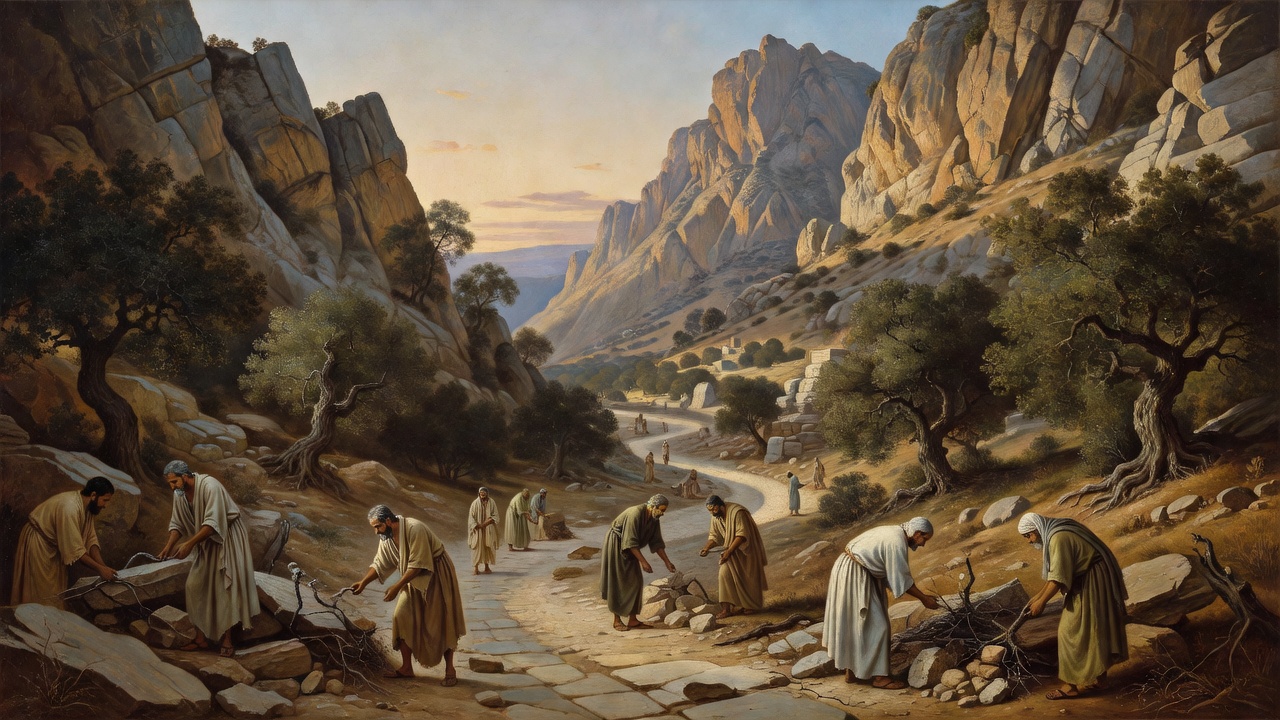
Você sabia?
A idolatria denunciada e consolo para os contritos
- O capítulo repreende severamente práticas idólatras específicas, incluindo ritos sob carvalhos sagrados, libações a pedras lisas nos vales e sacrifícios de crianças nas fendas das rochas.Fontes: o próprio texto bíblico
- Em contraste com divindades distantes, o texto apresenta o Deus eterno e santo como Aquele que habita não apenas em um lugar alto e sagrado, mas também com os oprimidos, humildes e contritos de espírito para restaurá-los.Fontes: o próprio texto bíblico
Notas escritas com auxílio de IA a partir de fontes abertas (Theographic Bible Metadata, CC BY-SA 4.0; Easton’s Bible Dictionary, domínio público) e revisadas antes de publicar.
Créditos e licença desta tradução
ጌሻ ማጻፋ
Gamo: ጌሻ ማጻፋ Bible of Ethiopia, Ethiopic script
copyright © 2024 The Word for the World International
Language: Gamotso (Gamo)
Contributor: The Word for the World Northern Africa
This translation is made available to you under the terms of the
Creative Commons Attribution Share-Alike license 4.0.
You have permission to share and redistribute this Bible translation in any format and to make reasonable revisions and adaptations of this translation, provided that:
You include the above copyright and source information.
If you make any changes to the text, you must indicate that you did so in a way that makes it clear that the original licensor is not necessarily endorsing your changes.
If you redistribute this text, you must distribute your contributions under the same license as the original.
Pictures included with Scriptures and other documents on this site are licensed just for use with those Scriptures and documents.
For other uses, please contact the respective copyright owners.
Note that in addition to the rules above, revising and adapting God's Word involves a great responsibility to be true to God's Word. See Revelation 22:18-19.
2025-05-03
Fonte: http://ebible.org/gmve/ · eBible.org