Lucas 24
Fulfulfe Burkina, Dewtere Laamɗo Amaana Keso · Toque num versículo para ver as referências cruzadas.
No Iisaa ummitorii
1Gilla puɗal naange nyannde go'aɓerde e jeɗɗiire, rewɓe ɓeen ponndii to saabeere toon, ɓe kooƴii nebbeele uurɗe ɗe ɓe moƴƴinnoo ɗeen. 2Ɓe tawi hayre ndeen tallitaama, ittaama e dammbugal saabeere ndeen. 3Ammaa nde ɓe naatunoo ndeen, ɓe tawaay ɓanndu Iisaa, joomii ɓe. 4E ley no hakkillooji maɓɓe mbemmborii noon, inan worɓe ɗiɗo punti, ina ndarii yeeso maɓɓe, ina ɓornii kaddule jalbooje. 5Kulol nanngi ɓe, ɓe leeƴini geese maɓɓe e leydi. Wakkati oon worɓe ɓeen mbi'i ɓe:
—Ko waɗi oɗon piloo buurɗo hakkunde maayɓe? 6O walaa ɗo, o ummitake. Miccitee ko o haalannoo on leydi Galili ɗuum 7nde o wi'unoo: «Ina tilsi Ɓii Neɗɗo wattee e juuɗe luttuɓe, de tontee e leggal palaangal, de ummitoo nyannde tataɓerde.»
8Ndeen ɓe miccii haala Iisaa kaan. 9Ɓe ƴuwi to saabeere toon, ɓe njeccii, ɓe kaalanowi ɗum sappo e ngo'o ɓeen e wonduɓe e muɓɓen fuu. 10Rewɓe ɓeen ngoni: Mariyama mo Magdala, e Yowanna, e Mariyama inna Yaakuuba e rewɓe wonduɓe e muɓɓen. Ɓe kaalani ɗum nulaaɓe ɓeen. 11Nulaaɓe ɓeen ndaardi haala maɓɓe kaan hono njiiɓiika, njaɓaay goonɗinde ɓe. 12De Piyeer kaa ummii, doggi, yehi saabeere toon. Nde o yuurninoo ley mayre ndeen, kasanke oon tan o yi'i. O yeccii wuro, imo wemmbii saabe ko waɗi ɗuum.
No Iisaa ɓangirani taalibaaɓe mum ɗiɗo dow laawol Emayus
13Nyalooma oon pay, ɗiɗo e ley taalibaaɓe ɓeen kooƴi laawol wuro wi'eteengo Emayus. Hakkunde wuro ngoon e Urusaliima ina waɗa kilooji sappo e go'o. 14Iɓe pillodoo e dow ko waɗi ɗuum fuu. 15E ley filla maɓɓe ɗo ɓe kokkundurta hakkillooji ɗoon, Iisaa e hoore muuɗum hewti ɓe, ina yaada e maɓɓe. 16Ammaa gite maɓɓe uddaa taa ɓe anndita mo. 17O wi'i ɓe:
—Ɗume pillotoɗon e jahaangal mooɗon ngal?
Ɓe ndarii, ɓerɗe maɓɓe metti. 18Gooto maɓɓe bi'eteeɗo Kiliyopas jaabii mo, wi'i:
—Ndelle hakkunde weerɓe Urusaliima wo aan tan woni mo faamaay ko waɗi toon ley balɗe ɗe naa?
19O wi'i ɓe:
—Ɗume?
Ɓe mbi'i mo:
—Ko waɗi e Iisaa Nasaraatuujo oon. Wo o annabaajo, jom baawɗe ley haala makko e golle makko yeeso Laamɗo e yimɓe fuu. 20De hooreeɓe almaami'en e mawɓe meeɗen ngatti mo ley juuɗe laamu faa o jukkee jukkungo maayde, tonti mo e leggal palaangal. 21Min cikkiino kanko rimɗinta Israa'iila. Ammaa katin du, hannden woni nyalooma tataɓo ko ɗum waɗi. 22Wooɗi rewɓe amin woɓɓe du ngaɗii min kaayeefi. Ɓe njehii to saabeere toon illa fajiri, 23de ɓe tawaay ɓanndu makko toon. Ɓe ngarti, ɓe mbi'i maleyka'en ɓanganii ɓe, mbi'i imo wuuri. 24Caggal ɗuum, woɓɓe amin njehi to saabeere toon, tawri no rewɓe ɓeen mbiiri noon, de ɓe nji'aay mo kanko kaa.
25Ndeen Iisaa wi'i ɓe:
—Hey onon famɗuɓe hakkillo! Ɓerɗe mooɗon njaawaa goonɗinde ko annabaaɓe kaali fuu! 26Wanaa ina tilsi Almasiihu torree de naata ley teddeengal muuɗum naa?
27Ndeen o faamini ɓe ko Binndi Ceniiɗi ɗiin fuu kaali dow makko, gilla e Tawreeta Muusaa faa e dewte annabaaɓe.
28Nde ɓe ɓattinoo wuro ngo ɓe ponndii ngoon ndeen, o waɗi hono o jiɗɗo faltaade. 29Ammaa ɓe nyaagii mo, ɓe mbi'i:
—Heddoda e amin, sabo hiirii, jemma warii.
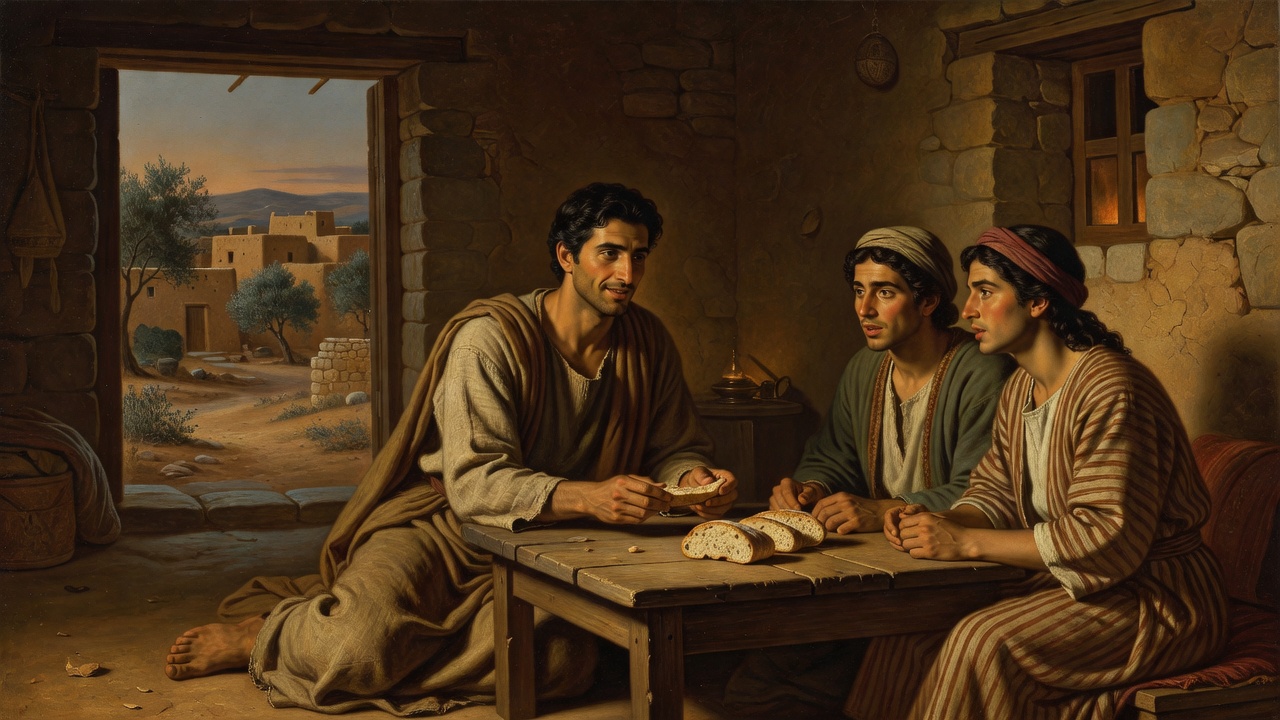
O naati, o jippodii e maɓɓe. 30Nde ɓe njooɗinoo iɓe nyaama ndeen, o hooƴi buuru, o yetti Laamɗo, o heltii buuru oon, o hokki ɓe. 31Ndeen gite maɓɓe peertii, ɓe annditi mo. Wakkati oon o lalli e gite maɓɓe. 32Ndeen iɓe mbi'undura hakkunde maɓɓe:
—Wanaa ɓerɗe men na mbeli, na muuyi nanude sanne nde o haaldannoo e meeɗen dow laawol ndeen, imo faamina en Binndi ɗiin naa?
33Wakkati oon, ɓe ummii ɓe njeccii Urusaliima. Ɓe tawtowi toon sappo e ngo'o ɓeen, ina kawriti e yaadiraaɓe muɓɓen. 34Ɓeen mbi'i ɓe:
—Goonga, Iisaa Joomiraaɗo ummitake, o ɓanganii Simon.
35Ɗiɗo ɓeen du kaalani ɓe ko waɗi e laawol muɓɓen, e no ɓe annditiri Iisaa nde heltunoo buuru ndeen.
No Iisaa ɓangirani taalibaaɓe mum sappo e ngo'o
36Nde ɓe kaalannoo ɗum ndeen, Iisaa funti darii hakkunde maɓɓe, wi'i ɓe:
—Jam wondu e mooɗon!
37Nesiiji maɓɓe taƴi, ɓe kuli, ɓe miilii ko ɓe nji'ata ɗuum wo mbeelu. 38De o wi'i ɓe:
—Ɗume kulɗon? Ko waɗi oɗon cikkitira ley ɓerɗe mon? 39Ndaaree juuɗe am e koyɗe am, wo miin jaati. Meemee kam, ndaaron. Sabo mbeelu walaa teewu, walaa ƴi'e hono no njiiruɗon kam ni.
40Nde o haalunoo ɗum ndeen, o holli ɓe newe juuɗe makko e koyɗe makko. 41E ley ko ɓe kunngii goonɗinde saabe seyo maɓɓe e kaayeefi, o wi'i ɓe:
—Oɗon ngoodi ɗo ko nyaametee naa?
42Ɓe ngaddani mo tayre liingu nduppaangu. 43O jaɓi nde, o nyaami yeeso maɓɓe.
44Caggal ɗuum, o wi'i ɓe:
—Ko winndaa ley Tawreeta Muusaa e dewte annabaaɓe e Jabuura dow am ɗuum fuu, ina tilsi ɗum tabita. Kulle ɗeen jaati ngoni ko kaalannoomi on nde ngondunoomi e mooɗon ndeen.
45Wakkati oon, o omti hakkillooji maɓɓe faa ɓe paama Binndi ɗiin. 46O wi'i ɓe:
—Ina winndaa Almasiihu torrete faa maaya, ummitoto hakkunde maayɓe nyannde tataɓerde, 47de tuubugol e yaafagol hakkeeji gooynete e lenyi fuu saabe innde makko. Ɗum fuɗɗan gilla Urusaliima. 48Onon ngoni seedotooɓe kulle ɗeen! 49Miin, mi nuldan on ko Baaba aadii ɗuum. Onon kaa, keddee ley ngalluure nde, faa nde baawɗe gonɗe dow ɗeen njippii e mooɗon.
No Iisaa ƴeentiri dow kammu
50O yaari ɓe faa ɗakkol Baytaniya, o ƴepti juuɗe makko, o barkini ɓe. 51Wakkati mo o barkini ɓe oon, o seedi e maɓɓe, o ƴeentinaa dow kammu. 52Ɓe cujidani mo. Caggal ɗuum, ɓe njeccodii Urusaliima e seyo manngo. 53Wakkati fuu iɓe tawee ley suudu dewal mawndu, iɓe njetta Laamɗo.
Você sabia?
A manhã da ressurreição e o caminho de Emaús
- Lucas descreve Emaús como uma aldeia a cerca de sete milhas de Jerusalém. O Easton's Bible Dictionary (1897) cita essa distância como sessenta furlongs e registra duas identificações: el-Kubeibeh, a mais de sete milhas a noroeste de Jerusalém, cujo nome, 'pequena cúpula', vem dos restos de uma igreja dos cruzados que ainda se encontram ali, e Khurbet Khamasa, 'as ruínas de Khamasa', a cerca de oito milhas a sudoeste, onde também há ruínas dos cruzados.Fontes: Emmaus · o próprio texto bíblico
- Maria Madalena, Joana, Maria, mãe de Tiago, e outras mulheres que iam com elas foram quem contou aos apóstolos o que havia acontecido no túmulo. Maria Madalena recebe o nome de Magdala, sua terra natal, e o Easton's Bible Dictionary (1897) considera um equívoco identificá-la com a mulher chamada 'pecadora' em Lucas 7. Joana, esposa de Cuza, administrador de Herodes Antipas, tetrarca da Galileia, era uma das mulheres que serviam a Jesus, e o mesmo dicionário diz que ele lhe apareceu depois da ressurreição.Fontes: Mary Magdalene · Joanna · o próprio texto bíblico
- Um dos dois discípulos no caminho chama-se Cléopas, forma abreviada de Cleópatros. O Easton's Bible Dictionary (1897) diz que nada se sabe de certo sobre ele e que não é seguro que fosse o Clopas de João 19:25 nem o Alfeu de Mateus 10:3, embora possa ter sido.Fontes: Cleophas · o próprio texto bíblico
Notas escritas com auxílio de IA a partir de fontes abertas (Theographic Bible Metadata, CC BY-SA 4.0; Easton’s Bible Dictionary, domínio público) e revisadas antes de publicar.
Lugares deste capítulo
- Galilee · 32.760, 35.527 · versículo 6
- Jerusalem · 31.777, 35.234 · versículos 13, 18, 33, 47, 49, 52
- Nazareth · 32.702, 35.298 · versículo 19
Só aparecem lugares com identificação de alta confiança (90% ou mais segundo as fontes acadêmicas reunidas pelo OpenBible). Mapa da época: DARE (Digital Atlas of the Roman Empire), CC BY 4.0; mapa atual: © colaboradores do OpenStreetMap; lugares: OpenBible.info (CC BY 4.0).
Créditos e licença desta tradução
Fulfulfe Burkina, Dewtere Laamɗo Amaana Keso
Fulfulde Burkina New Testament
copyright © 2012 SIM International
Language: Fulfulde Burkina (Fulfulde, Western Niger)
Dialect: Burkina
Translation by: SIM International
Fulfulfe Burkina, Dewtere Laamɗo Amaana Keso
This translation, published by SIM International, was published in 2012.
If you are interested in obtaining a printed copy, please contact the SIM (Mission Protestante) , BP 1552, Ouagadougou 01, BURKINA FASO.
This translation text is made available to you under the
terms of the Creative Commons License: Attribution-Noncommercial-No Derivative Works.
( http://creativecommons.org/licenses/by-nc-nd/3.0/ )
In addition, you have permission to port the text to different file formats, as long as you
do not change any of the text or punctuation of the Bible.
You may share, copy, distribute, transmit, and extract portions
or quotations from this work, provided that you include the above copyright
information:
You must give Attribution to the work.
You do not sell this work for a profit.
You do not make any derivative works that change any of the actual words or punctuation of the Scriptures.
Permissions beyond the scope of this license may be
available if you contact
us with your request.
This translation is made available to you under the terms of the
Creative Commons Attribution-Noncommercial-No Derivatives license 4.0.
You may share and redistribute this Bible translation or extracts from it in any format, provided that:
You include the above copyright and source information.
You do not sell this work for a profit.
You do not change any of the words or punctuation of the Scriptures.
Pictures included with Scriptures and other documents on this site are licensed just for use with those Scriptures and documents.
For other uses, please contact the respective copyright owners.
2014-10-02
Fonte: http://ebible.org/fuhbkf/ · eBible.org