João 3
Aadi keyri: linjiila iisaa almasiihu · Toque num versículo para ver as referências cruzadas.
No Iisaa haaldiri e Nikodemus
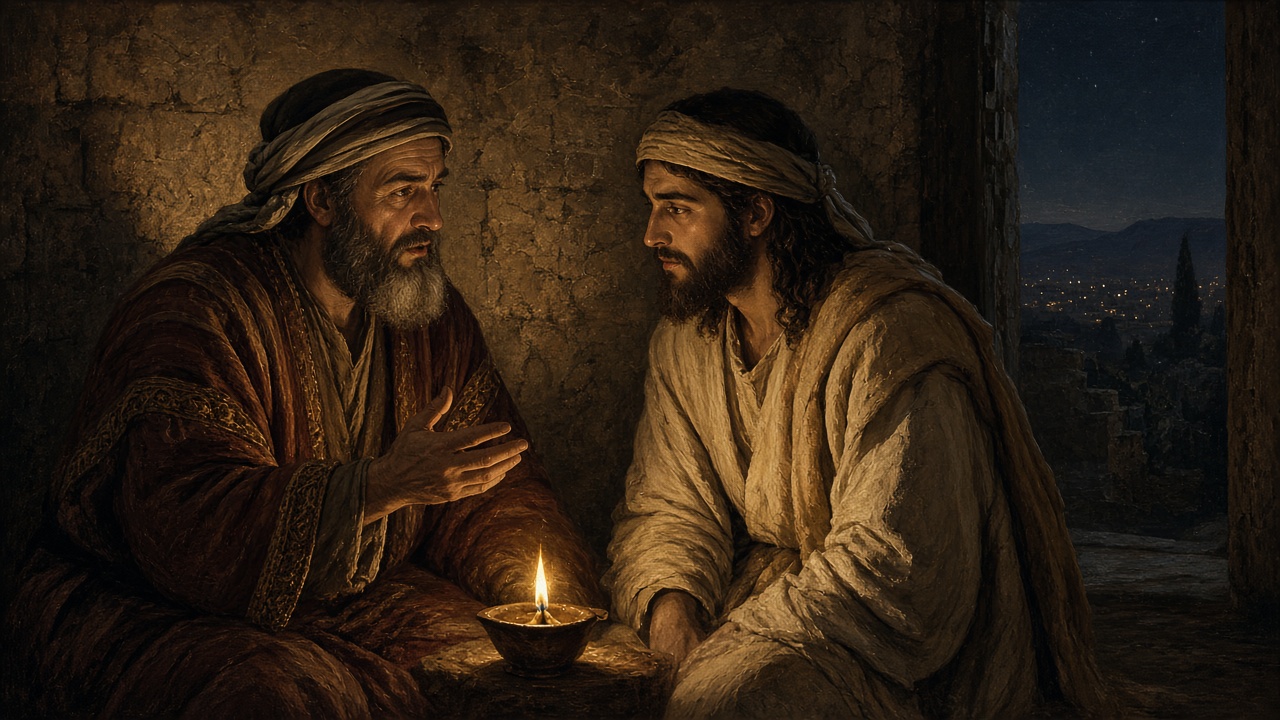
1Won gorko Farisanke biyeteeɗo Nikodemus, gooto e hooreeɓe Yahuudiyankooɓe. 2Oon gorko yehi to Iisaa jemma, wii ɗum:
—Moobbo, miɗen anndi a jannginoowo iwruɗo to Laamɗo, sabi fay gooto waawaa waɗude hono kaayɗe ɗe ngaɗataa ɗee so Laamɗo wondaa e mum.
3Iisaa jaabii mo, wii:
—Miɗo haalane goonga: fay gooto waawaa yiide Laamu Laamɗo tawee rimtaaka kasen.
4Nikodemus wii mo:
—Hono mawɗo waawiri rimtireede? Omo waawi naattude e reedu inniiko, o rimtee kasen naa?
5Iisaa jaabii:
—Miɗo haalane goonga: so wanaa neɗɗo rimtiree ndiyam e Ruuhu so heɓa naatude e Laamu Laamɗo. 6Ko ɓii-aadama rimata koo yo ɓii-aadama. Ko Ruuhu oo rimata koo yo ruuhu. 7Pati ɗum haayne saabe mi wii ma kinaa ndimte-ɗon kasen. 8Henndu ana wibba ɗo muuyiri fuu. Aɗa nana dillere mayru, kaa a anndaa to ndu iwri, a anndaa to ndu yahata. Hono non oon dimraaɗo Ruuhu oo worri.
9Nikodemus wii mo:
—Hono hen ɗum laatortoo?
10Iisaa jaabii mo:
—Aan, jannginoowo ley Israa'iila oo fuu, a anndaa ɗum naa? 11Miɗo haalane goonga: minen, ko min anndi min kaalata, ko min njii min ceettotoo, kaa onon, on njaɓataa seedaaku amen. 12On ngoonɗinaali nde kaalan-mi on haala kulle leydi ndee. Hono ngoonɗinirton so mi haalanii on haala kulle dow kammu? 13Fay gooto ŋabbaali dow kammu, so wanaa oon iwruɗo dow kammu oo, ɗum woni Ɓii Neɗɗo. 14Hono no Muusaa toowniri mboddi jakawalle ley ladde jeereende nii, so wanaa Ɓii Neɗɗo oo duu toowniree hono non, 15yalla goonɗinɗo mo fuu ana heɓa nguurndam nduumiiɗam.
16Sabi Laamɗo ɓamii ana yiɗa aduna oo faa hokkitiri Ɓiyum bajjo, yalla goonɗinɗo Bajjo oo fuu ana waasa naatude yiite, heɓa nguurndam nduumiiɗam.
17Laamɗo neliraali Ɓiyum oo e aduna faa Ɓiyum oo saroo aduna oo. Ko mo neliraa dee, faa aduna oo hisira saabe makko. 18Goonɗinɗo mo fuu sarataake. Mo goonɗinaali fuu tilike sareede, sabi goonɗinaali Ɓii Laamɗo bajjo oo.
19Sariya oo annii: fooyre warii e aduna, kaa yimɓe, nimre cuɓii dow fooyre saabe golleeji mum'en bonɗi. 20Bonɗo tagu yiɗaa fooyre, warataa e mayre, hulde pati golleeji mum bonɗi ɓanngu. 21Kaa goongirante waran e fooyre yalla golleeji ɗi waɗiri saabe Laamɗo ɗii ana ɓannga.
No Yaayaa seettorii kabaaru Iisaa
22Caggal mum, Iisaa yaadi e taalibaaɓe mum leydi Yahuudiya. O faɓɓidi e maɓɓe ton, omo loota yimɓe lootogal batisima. 23Yaayaa duu ana batisa to Aynon too bannge Salim, sabi cewle ana keewi ton. Yimɓe ana ngara ana mbatisee. 24Tawi Yaayaa nannganooka tafon.
25Taalibaaɓe Yaayaa ɓee njeddondiri e Yahuudiyanke haala laaɓal. 26Ɓe njehi to Yaayaa, ɓe mbii ɗum:
—Moobbo, gorko gondunooɗo e maa ootoo bannge maayo Urdun mo ceettani-ɗaa oo, kanko duu omo batisa, yimɓe fuu ana njaha to makko.
27Yaayaa jaabii ɓe, wii:
—Neɗɗo waawaa heɓude fay huunde so wanaa ko Laamɗo hokki ɗum. 28Onon e ko'e mon, on seedee'en am mi wii mi wanaa Almasiihu, kaa miɗo adii mo neleede. 29Gaddanaaɗo jommbaajo debbo, kaɲum woni jommbaajo gorko. Dammbidiiɗo gorko oo ana darii, ana hettindii. So o nanii daande jommbaajo gorko oo, o seyoto sanne. Nii seyo am ngoo hiɓɓiri. 30So wanaa kanko o toowa, so miin mi leyɗa.
31Oon iwruɗo dow, kaɲum tiimti yimɓe fuu. Iwɗo e leydi yo leydinke. Haalaaji mum duu yo haalaaji leydinkooji. Oon iwruɗo dow kammu, kaɲum tiimti yimɓe fuu. 32Ko o yii e ko o nani o seettotoo, kaa fay gooto jaɓataa seedaaku makko. 33Oon jaɓuɗo seedaaku makko, sellinii Laamɗo yo goongirante. 34Oon mo Laamɗo neli, ko Laamɗo haali haaltata, sabi Laamɗo hokkii mo Ruuhu mo walaa ɗo haaɗi. 35Baabiraaɗo oo ana yiɗi Ɓiɗɗo oo faa waɗi huunde fuu e junngo makko. 36Goonɗinɗo Ɓiɗɗo oo, heɓii nguurndam nduumiiɗam. Mo goonɗinaali Ɓiɗɗo oo, heɓataa ɗam, tikkere Laamɗo duu ana woodani ɗum.
Você sabia?
O novo nascimento e o testemunho de João
- Nicodemos, cujo nome significa "o povo é vencedor", era fariseu e membro do Sinédrio. Ele foi a Jesus de noite para conhecer melhor o seu ensino, e o Evangelho o chama de líder dos judeus; Jesus se dirige a ele como mestre de Israel.Fontes: Nicodemus · o próprio texto bíblico
- Depois dessa conversa, Jesus e seus discípulos foram para a região rural da Judeia, que sob os romanos era a mais meridional das três divisões da Palestina. João também batizava em Enom, perto de Salim, porque ali havia água em abundância; Salim, cujo nome significa "pacífico", ficava a oeste do Jordão. Enom significa "fontes", e o Dicionário Bíblico de Easton (1897) situa o lugar provavelmente perto da nascente superior do Wady Far'ah, um vale aberto cheio de fontes que vai do monte Ebal até o Jordão.Fontes: o próprio texto bíblico · Judea · Aenon · Salim
- Neste capítulo, João diz a seus discípulos que não é o Cristo, mas que foi enviado adiante dele, e a narrativa observa que ele ainda não tinha sido preso. O Dicionário Bíblico de Easton (1897) o descreve como o precursor de Jesus, de descendência sacerdotal, e diz que sua missão foi objeto de profecia.Fontes: o próprio texto bíblico · John the Baptist
Notas escritas com auxílio de IA a partir de fontes abertas (Theographic Bible Metadata, CC BY-SA 4.0; Easton’s Bible Dictionary, domínio público) e revisadas antes de publicar.
Lugares deste capítulo
- Jerusalem · 31.777, 35.234 · versículo 22
- Judea · Hoje: Judea 1 · 31.777, 35.234 · versículo 22
- Jordan · Hoje: Jordan River · 31.761, 35.558 · versículo 26
Só aparecem lugares com identificação de alta confiança (90% ou mais segundo as fontes acadêmicas reunidas pelo OpenBible). Mapa da época: DARE (Digital Atlas of the Roman Empire), CC BY 4.0; mapa atual: © colaboradores do OpenStreetMap; lugares: OpenBible.info (CC BY 4.0).
Créditos e licença desta tradução
Aadi keyri: linjiila iisaa almasiihu
New Testament in Fulfulde, Maasina
copyright © 2005 Wycliffe Bible Translators, Inc.
Language: Maasina Fulfulde (Fulfulde, Maasina)
Translation by: Wycliffe Bible Translators
Contributor: Wycliffe Bible Translators, Inc.
Copyright Information
© 2005,Wycliffe Bible Translators, Inc. All rights reserved.
This translation text is made available to you under the terms of the Creative Commons
License: Attribution-Noncommercial-No Derivative Works. ( http://creativecommons.org/licenses/by-nc-nd/3.0/ ) In addition, you have permission to
port the text to different file formats, as long as you do not change any of the text or
punctuation of the Bible.
You may share, copy, distribute, transmit, and extract portions or quotations from this work,
provided that you include the above copyright information:
You must give Attribution to the work.
You do not sell this work for a profit.
You do not make any derivative works that change any of the actual words or punctuation of
the Scriptures.
Permissions beyond the scope of this license may be available if you contact us with your
request.
The New Testament
in Fulfulde, Maasina
© 2005, Wycliffe Bible Translators, Inc. All rights
reserved.
This translation is made available to you under the terms of the
Creative Commons Attribution-Noncommercial-No Derivatives license 4.0.
You may share and redistribute this Bible translation or extracts from it in any format, provided that:
You include the above copyright and source information.
You do not sell this work for a profit.
You do not change any of the words or punctuation of the Scriptures.
Pictures included with Scriptures and other documents on this site are licensed just for use with those Scriptures and documents.
For other uses, please contact the respective copyright owners.
2015-03-17
Fonte: http://ebible.org/ffm/ · eBible.org