Malaquias 1
Biblica® Se aɖeke mebla Biblia zazã o Agbenya La™ · Toque num versículo para ver as referências cruzadas.
Sobre este livro
Sobre Malaquias
- O Easton's Bible Dictionary (1897) apresenta Malaquias, nome que significa "mensageiro" ou "anjo", como o último dos profetas menores e o autor do último livro do cânon do Antigo Testamento. Nada se sabe dele além do que se contém em seu livro de profecias.Fontes: Easton: Malachi · Malachi
- Alguns supuseram que o nome fosse apenas um título para um mensageiro de Jeová, e não um nome próprio. O Easton's Bible Dictionary (1897), porém, conclui que há razão para considerar Malaquias o nome habitual do profeta.Fontes: Easton: Malachi · Malachi
- O Easton's Bible Dictionary (1897) data as profecias por volta de 420 a.C., depois do segundo retorno de Neemias da Pérsia, ou possivelmente antes desse retorno. Como Esdras não o menciona e ele não fala da restauração do templo, o dicionário infere que profetizou depois de Ageu e Zacarias.Fontes: Easton: Malachi
- O Easton's Bible Dictionary (1897) trata Malaquias como contemporâneo de Neemias, comparando Malaquias 2:8 com Neemias 13:15 e Malaquias 2:10-16 com Neemias 13:23. Nota também que os serviços do templo ainda existiam, citando Malaquias 1:10, 3:1 e 3:10.Fontes: Easton: Malachi
Notas escritas com auxílio de IA a partir de fontes abertas (Theographic Bible Metadata, CC BY-SA 4.0; Easton’s Bible Dictionary, domínio público) e revisadas antes de publicar.
1Esia nye Yehowa ƒe nya si wògblɔ na Israel dukɔa to Nyagblɔɖila Malaki dzi. Wolɔ̃ Yakob, eye wolé fu Esau.
Israel ƒe akpemadamada
2Yehowa gblɔ be, “Melɔ̃ mi.
“Gake nèbia be, ‘Aleke nèlɔ̃ mí?’ ”
Yehowa gblɔ be: “Ɖe Yakob menye Esau nɔvi oa? Melɔ̃ Yakob. 3Ke Esau ya la melé fui, metrɔ eƒe nɔƒe wòzu gbegbe, eye metsɔ eƒe domenyinu na amegaxiwo.”
4Edom gblɔ be, “Togbɔ be wogbã mi hã la, míagatso aƒedoawo.”
Ke Yehowa, Dziƒoʋakɔwo ƒe Aƒetɔ la agblɔ be, “Migbugbɔ tso duawo ne miate ŋui, gake magagbã wo, elabena woƒe dukɔa ŋkɔe nye, Nu vɔ̃ɖi wɔwɔ ƒe anyigba, ame siwo ŋu Yehowa do dziku ɖo ɖikaa. 5O, mi, Israelviwo, mitsa ŋku ne miakpɔ nu siwo wɔm Yehowa le, le xexea me godoo ekema miagblɔ be, ‘Nyateƒee, Yehowa ƒe ŋusẽ tri akɔ la gbɔ míaƒe liƒowo ŋu yi sãsãsã!’
Nu manyomanyowo tsɔtsɔ sa vɔe.
6“Viŋutsu dea bubu fofoa ŋuti eye kluvi ɖoa bubu na eƒe aƒetɔ; ekema ne nyee nye mia fofo la, afi ka nye bubu le? Ne nye nyee nye miaƒe Aƒetɔ la, nu ka ta mievɔ̃am o? Dziƒoʋakɔwo ƒe Aƒetɔ lae gblɔe.
“O, mi nunɔlawoe ƒo ɖi nye ŋkɔ.
“Gake mieɖe ɖeklemi be, ‘Ɣe ka ɣi míeƒo ɖi wò ŋkɔ kpɔ?’
7“Mietsɔ nuɖuɖu makɔmakɔwo sa vɔe nam le nye vɔsamlekpui dzi,
“Gake miebiam be, ‘Gbe ka gbee míewɔ nane nenema kpɔ?’
“Le esime míedoa vlo Yehowa ƒe kplɔ̃ le amewo gbɔ be megale ɖeke me o. 8Miegblɔna na amewo hã be, Mitsɔ lã siwo mede blibo o la sa vɔe le Yehowa ƒe vɔsamlekpui la dzi faa, ɛ̃, lã siwo ƒe ŋkuwo gbã kple esiwo le dɔ lém la, megblẽ naneke o? Nu sia miewɔ, eye miebe menye vɔ̃ oa? Yehowa, Dziƒoʋakɔwo ƒe Aƒetɔ la be mitsɔ wo na miaƒe mɔmefia abe nunana ene, eye miakpɔe ɖa be adze eŋu hã?” Yehowa Dziƒoʋakɔwo ƒe Aƒetɔ lae gblɔe.
9“Azɔ miele kuku ɖem be, Mawu, kpɔ míaƒe nublanui, Esi mietsɔ nunana madzemadze mawo vɛ ɖe, nu ka ta wòakpɔ nublanui na mi?” Yehowa, Dziƒoʋakɔwo ƒe Aƒetɔ lae gblɔe.
10“O, nunɔla ɖeka pɛ hã mele mia dome si atu gbedoxɔ ƒe ʋɔtruwo, ale be miadzudzɔ vɔsanu madzemadze siawo tsɔtsɔ va vɔsamlekpui la dzi oa?” Yehowa, Dziƒoʋakɔwo ƒe Aƒetɔ lae gblɔe, “eye miaƒe nu mele ŋunye nyom kura o, eye miaƒe nunana aɖeke hã medze ŋunye o. 11Tso ɣedzeƒe yi ɖe ɣetoɖoƒe ke la, dukɔ bubuwo ado nye ŋkɔ ɖe dzi tso ŋdi va se ɖe fiẽ. Le xexea me godoo woatsɔ vɔsa ʋeʋẽ lĩlĩlĩwo kple vɔsa kɔkɔewo ade bubu nye ŋkɔ ŋuti elabena mexɔ ŋkɔ le dukɔwo dome.” Yehowa, Dziƒoʋakɔwo ƒe Aƒetɔ lae gblɔe.
12“Ke miawo ya miedo gui hele gbɔgblɔm be, ‘Yehowa ƒe kplɔ̃ ŋu mekɔ o,’ eye ‘edzinuɖuɖu le ŋu nyɔm.’ 13Miegblɔ be, ‘Mawusubɔsubɔ kple eƒe seawo dzi wɔwɔ sesẽ loo!’ Ale miegblɔ be, ‘yewomawɔ ɖe se siwo wòde na mi la dzi o,’ Yehowa, Dziƒoʋakɔwo ƒe Aƒetɔ lae gblɔe.
“Mibu eŋuti kpɔ! Mietsɔ lã xɔabiwo, lã lédɔwo kple lã siwo mede blibo o la sa vɔe nam!” Yehowa be, “Enyo be maxɔ nunana sia tɔgbiwoa? 14Ame si ɖe adzɔgbe be yeatsɔ lãtsu si de blibo le yeƒe lãhawo dome asa vɔe na Yehowa gake wòɖɔlii kple lã lédɔ la, fiƒode neva edzi wòaɖi eŋu kpekpekpe elabena nye la, Fiagãe menye eye ele be woatsɔ vɔvɔ̃ na nye ŋkɔ le dukɔwo dome.” Yehowa, Dziƒoʋakɔwo ƒe Aƒetɔ lae gblɔ nya siawo.
Você sabia?
A honra a Deus e os sacrifícios defeituosos
- O nome Malaquias significa mensageiro ou anjo. Embora alguns tenham sugerido que fosse um título em vez de um nome próprio, a tradição geralmente o considera o nome pessoal do profeta, situando seu ministério na época de Neemias, após Ageu e Zacarias.Fontes: Malachi
- A mensagem inicial relembra os irmãos gêmeos Jacó e Esaú, antepassados de Israel e Edom. O texto contrasta o amor da aliança com Israel com a desolação que recai sobre a região montanhosa de Edom.Fontes: Esau (Edom) · Jacob (Israel) · Edom · o próprio texto bíblico
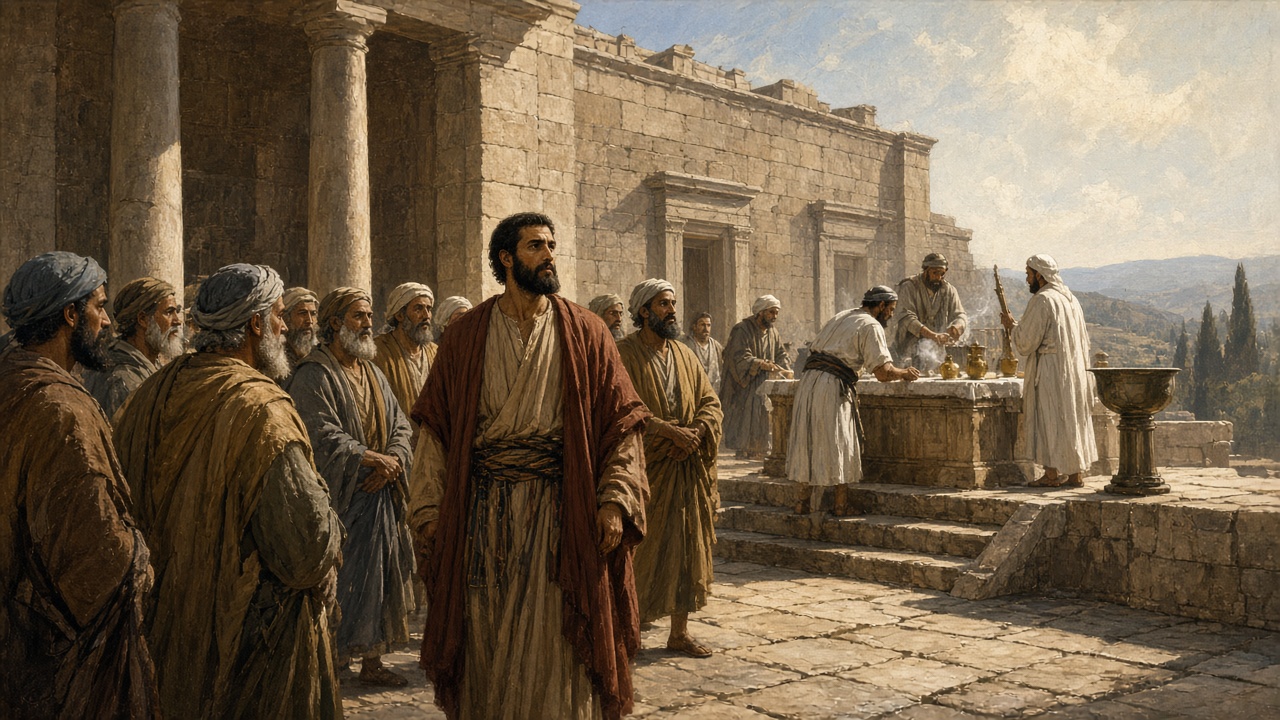
- Os sacerdotes são repreendidos por oferecerem animais cegos, mancos e doentes no altar em vez de espécimes saudáveis. Malaquias expõe esse desrespeito perguntando se até mesmo um governador aceitaria tributos tão defeituosos.Fontes: o próprio texto bíblico
Notas escritas com auxílio de IA a partir de fontes abertas (Theographic Bible Metadata, CC BY-SA 4.0; Easton’s Bible Dictionary, domínio público) e revisadas antes de publicar.
Lugares deste capítulo
- Edom · 30.746, 35.604 · versículo 4
Só aparecem lugares com identificação de alta confiança (90% ou mais segundo as fontes acadêmicas reunidas pelo OpenBible). Mapa da época: DARE (Digital Atlas of the Roman Empire), CC BY 4.0; mapa atual: © colaboradores do OpenStreetMap; lugares: OpenBible.info (CC BY 4.0).
Créditos e licença desta tradução
Biblica® Se aɖeke mebla Biblia zazã o Agbenya La™ Éwé: Biblica® Se aɖeke mebla Biblia zazã o Agbenya La™ (Bible) of Ghana copyright © 1988, 2006, 2020 Biblica, Inc. Language: eʋegbe Contributor: Biblica, Inc. Dɔwɔƒe si na wò asi ka agbalẽ sia lae nye Creative Commons Attribution-ShareAlike 4.0 International License (CC BY-SA). Ne èdi be yeakpɔ laisensi alo mɔɖegbalẽ sia la, yi ɖe http://creativecommons.org/licenses/by-sa/4.0 alo ŋlɔ agbalẽ na Creative Commons Dɔwɔƒea to adrɛsi sia dzi: Creative Commons, PO Box 1866, Mountain View, CA 94042, USA. Biblica, Inc. na wode Biblica® kple eƒe dzesidenu agbalẽ me, eye woaŋlɔ agbalẽ axɔ mɔɖeɖe tso Biblica, Inc. gbɔ hafi woawɔ Biblica® ƒe dzesidenu la ŋu dɔ. Le CC BY-SA ƒe mɔɖeɖe ƒe sewo nu la, àte ŋu azã agbalẽ sia me nyawo le dɔ bubuwo wɔwɔ me gake ele be nàde dzesi Biblica ƒe dzesidenu la abe ale si wòle ene. Ne ètrɔ asi le agbalẽ sia ŋu alo zãe le mɔ bubu nu la, ele be nàɖe Biblica® ƒe dzesidenu la ɖa. Ele be nàde dzesi tɔtrɔ siwo nèwɔ la ɖe agbalẽ la me eye nàde dzesii be: “Àte ŋu akpɔ Biblica, Inc. ƒe dɔ gbãtɔ le www.biblica.com kple open.bible femaxee.” Ele be nutɔnyenye ƒe dzeside nadze le agbalẽ la ƒe axa si tanya alo nutɔnyenye ƒe dzesi nɔna la ale: Biblica® Se aɖeke mebla Biblia zazã o Agbenya La™ Nutɔnyenye © 1988, 2006, 2020 Biblica, Inc. Biblica® Open Ewe Contemporary Scriptures™ Copyright © 1988, 2006, 2020 by Biblica, Inc. Biblica, Inc. na Dɔwɔƒe si Kpɔa Nutɔnyenye kple Adzɔdodo ƒe Nyawo dzi le Amerika la de “Biblica” kple eƒe dzesidenu agbalẽ me. Woaxɔ mɔɖeɖe na ezazã. “Biblica” is a trademark registered in the United States Patent and Trademark Office by Biblica, Inc. Used with permission. Ele be nàna míaƒe asi naka wò agbalẽ la le laisensi alo mɔɖeɖe ƒe se (CC BY-SA) sia nu. Ne èdi be yeana nyanya Biblica, Inc. tso agbalẽ sia zazã ŋu la, anyo be nàdo ta ɖe mía gbɔ le https://open.bible/contact-us. This work is made available under the Creative Commons Attribution-ShareAlike 4.0 International License (CC BY-SA). To view a copy of this license, visit http://creativecommons.org/licenses/by-sa/4.0 or send a letter to Creative Commons, PO Box 1866, Mountain View, CA 94042, USA. Biblica® is a trademark registered by Biblica, Inc., and use of the Biblica® trademark requires the written permission of Biblica, Inc. Under the terms of the CC BY-SA license, you may copy and redistribute this unmodified work as long as you keep the Biblica® trademark intact. If you modify a copy or translate this work, thereby creating a derivative work, you must remove the Biblica® trademark. On the derivative work, you must indicate what changes you have made and attribute the work as follows: “The original work by Biblica, Inc. is available for free at www.biblica.com and open.bible.” Notice of copyright must appear on the title or copyright page of the work as follows: Biblica® Se aɖeke mebla Biblia zazã o Agbenya La™ Nutɔnyenye © 1988, 2006, 2020 Biblica, Inc. Biblica® Open Ewe Contemporary Scriptures™ Copyright © 1988, 2006, 2020 by Biblica, Inc. Biblica, Inc. na Dɔwɔƒe si Kpɔa Nutɔnyenye kple Adzɔdodo ƒe Nyawo dzi le Amerika la de “Biblica” kple eƒe dzesidenu agbalẽ me. Woaxɔ mɔɖeɖe na ezazã. “Biblica” is a trademark registered in the United States Patent and Trademark Office by Biblica, Inc. Used with permission. You must also make your derivative work available under the same license (CC BY-SA). If you would like to notify Biblica, Inc. regarding your translation of this work, please contact us at https://open.bible/contact-us. This translation is made available to you under the terms of the Creative Commons Attribution Share-Alike license 4.0. You have permission to share and redistribute this Bible translation in any format and to make reasonable revisions and adaptations of this translation, provided that: You include the above copyright and source information. If you make any changes to the text, you must indicate that you did so in a way that makes it clear that the original licensor is not necessarily endorsing your changes. If you redistribute this text, you must distribute your contributions under the same license as the original. Pictures included with Scriptures and other documents on this site are licensed just for use with those Scriptures and documents. For other uses, please contact the respective copyright owners. Note that in addition to the rules above, revising and adapting God's Word involves a great responsibility to be true to God's Word. See Revelation 22:18-19. 2025-05-01
Fonte: http://ebible.org/ewe/ · eBible.org