Jeremias 2
Biblica® Se aɖeke mebla Biblia zazã o Agbenya La™ · Toque num versículo para ver as referências cruzadas.
Israel gbe nu le Mawu gbɔ
1Yehowa ƒe gbe va gbɔnye be, 2“Yi nàkui ɖe to me na Yerusalem be,
“Ale Yehowa gblɔe nye si:
“ ‘Meɖo ŋku wò ɖetugbime ƒe nuteƒewɔwɔ dzi,
kple ale si nèlɔ̃mee esi nènye nye ŋugbetɔ.
Èkplɔm ɖo to gbedadaƒo
kple kuɖiɖinyigba dzi.
3Israel nɔ kɔkɔe na Yehowa,
eƒe nukuwo ƒe ŋgɔgbetɔwo,
ame siwo katã ʋuʋui la,
dze agɔ eya ta dzɔgbevɔ̃e dzɔ ɖe wo dzi.’ ”
Yehowae gblɔe.
4Se Yehowa ƒe nya, O Yakob ƒe aƒe,
mi Israel ƒe aƒe la ƒe towo katã.
5Ale Yehowa gblɔe nye si.
“Vodada kae mia fofowo kpɔ le ŋunye be
wotra ɖa tso gbɔnye nenema gbegbe?
Wokplɔ legba maɖinuwo ɖo
eye woawo ŋutɔ hã zu nu maɖinuwo.
6Womebia be, ‘Afi ka Yehowa,
ame si kplɔ mí tso Egipte, to dzogbe,
afi si nuku mewɔna le o,
to gbedadaƒo kple aganuwo,
to kuɖiɖinyigba dzi kple viviti me,
anyigba si dzi ame aɖeke metona
alo tso aƒe ɖo o la le?’ o.
7Mekplɔ mi va anyigba si nyoa nu la dzi be
miaɖu eƒe kutsetsewo kple eƒe nu nyuiwo,
gake mieva do gu nye anyigba
eye miewɔ nye domenyinu wòzu ŋunyɔnu.
8Nunɔlawo gɔ̃ hã mebia be, ‘Afi ka Yehowa le?’ o.
Ame siwo wɔa sea ŋuti dɔ la menyam o.
Kplɔlawo dze aglã ɖe ŋutinye.
Nyagblɔɖilawo gblɔ nya ɖi le Baal ƒe ŋkɔ me
eye wokplɔ legba maɖinuwo ɖo.”
9Yehowa be, “Eya ta megatsɔ nya ɖe mia ŋu,
eye matsɔ nya ɖe mia viwo ƒe viwo ŋuti.
10Mitso ƒu ne miava Kiprotɔwo
ƒe fukpo dzi ne miakpɔ nu.
Midɔ ame ɖo ɖe Kedar ne woalé ŋku
ɖe nuwo ŋu nyuie.
Mikpɔe ɖa be nane nɔ anyi alea kpɔ hã.
11Ɖe dukɔ aɖe ɖɔli eƒe mawuwo kpɔa?
Evɔ menye mawuwoe wonye hafi o;
gake nye dukɔ tsɔ woƒe ŋutikɔkɔe
ɖɔli legba maɖinuwoe.
12O, dziƒowo, miaƒe nu neku le esia ta,
eye miadzo nyanyanya kple ŋɔdzi gã.”
Yehowae gblɔe.
13“Nye dukɔ wɔ nu vɔ̃ eve.
Wogbe nu le nye agbetsivudo la
gbɔ eye woɖe woawo ŋutɔ ƒe tsiʋewo,
tsiʋe siwo ŋɔ eye tsi mate ŋu atɔ ɖe wo me o.
14Subɔvi alo kluvie Israel nye tso dzidzimea?
Ke nu ka ta wòva zu nuhaha ɖo?
15Dzatawo ɖe gbe, wole gbe tem ɖe eŋu.
Wowɔ eƒe anyigba wòzu gbegbe.
Wotɔ dzo eƒe duwo eye wozu aƒedowo.
16Memfistɔwo kple Tapanhestɔwo hã
ƒlɔ dzodome na wo.
17Ɖe menye miawo ŋutɔe he esia
va mia ɖokui dzii esi miegbe Yehowa,
miaƒe Mawu la esi wòkplɔ mi le mɔ dzi oa?
18Azɔ nu ka ta miebe yewoayi ɖe Egipte,
aɖano Sihor me tsi?
Eye nu ka ta miayi Asiria be
miano Frat tɔsisi me tsi?
19Miaƒe vɔ̃ɖivɔ̃ɖi ahe to na mi
eye miaƒe megbedede aka mo na mi.
Bu eŋu nàdze si ale si wòavɔ̃ɖi na wò,
ahave wòe esi nègblẽ Yehowa,
wò Mawu la ɖi, eye mèvɔ̃m o la ta.”
Aƒetɔ Yehowa, Dziƒoʋakɔwo ƒe Aƒetɔ lae gblɔe.
20“Tso gbe aɖe gbe ke nèŋe wò kɔkuti,
eye nètso wò bablawo, ègblɔ bena,
‘Nyemasubɔ wò o!’
Vavã, èmlɔ anyi abe gbolo ene
ɖe togbɛ kɔkɔ ɖe sia ɖe dzi
kple ati dama ɖe sia ɖe te.
21Medo wò abe wainti nyuitɔ si tso wainka vavã
siwo tsena nyuie la dometɔ ɖeka ene.
Ke nu ka ta nèwɔ ɖe ŋutinye alea hezu
abe wainka si mie le eɖokui si la ene?
22Togbɔ be èle tsi kple adzalẽ
eye nèle adzalẽ ʋeʋĩ geɖe hã la,
wò nu vɔ̃ ƒe ɖiƒoƒo gale nye ŋkume kokoko.”
Aƒetɔ Yehowae gblɔe.
23“Nu ka ta nàgblɔ be,
‘Nyemeɖu kɔ o,
nyemeƒu du dze Baalwo yome o?’
Kpɔ ale si nèwɔ le balime la ɖa.
Bu nu si nèwɔ la ŋu kpɔ.
Èle abe kposɔnɔ si ɖia du
eye wòle du sim tso afi yi afi mɛ la ene.
24Èle abe gbetedzi si nyagbegbe nyuie hele ya ʋẽm
kple eƒe ŋɔti le eƒe fieŋufieŋu me la ene.
Ne asiyɔyɔ le edzrom la,
ame ka ate ŋu axe mɔ nɛ?
Mehiã gɔ̃ hã be atsu siwo le eyome tim la
nakplɔe ɖo ɖeɖi nate wo ŋuti o
elabena ne eɖo asiyɔyɔ dzi la,
woake ɖe eŋu bɔbɔe.
25Mègaƒu du va se ɖe esime wò afɔwo natsi ƒuƒlu,
eye wò ve me naƒu kplakplakpla o.
Gake, ègblɔ be, ‘Mehiã o;
melɔ̃ dutamawuwo eya ta
ele nam be mati wo yome.’
26“Abe ale si ŋu kpea fiafitɔ ne asi su edzi ene la,
nenema ke ŋu akpe Israel ƒe aƒe la,
woƒe fiawo, woƒe dumegãwo,
woƒe nunɔlawo kple woƒe nyagblɔɖilawo.
27Wogblɔna na ati be, ‘Wòe nye fofonye.’
Wogblɔna na kpe be, ‘Wòe dzim.’
Wotrɔ woƒe megbe dem
ke menye woƒe ŋkume o,
gake ne woɖo xaxa me la, wogblɔna be,
‘Va, nàɖe mí!’
28Ekema afi ka gɔ̃e mawu siwo miewɔ
na mia ɖokuiwo la le?
Woneva ne woate ŋu aɖe mi,
ne mieɖo xaxa me!
O Yuda, wò mawuwo sɔ gbɔ
abe wò duwo ene.”
29Yehowa be, “Nu ka ta mietsɔ nya ɖe ŋutinye ɖo?”
Evɔ mi katã miedze aglã ɖe ŋutinye.
30“Dzodzroe mehe to na wò amewo,
elabena mehe ɖɔɖɔɖo aɖeke va woƒe agbe mee o.
Wò yi vuvu wò nyagblɔɖilawo abe dzata dɔwui ene.
31“O dzidzime sia, mibu Yehowa ƒe nya ŋu.
“Gbegbee menye na Israel loo
alo viviti tsiɖitsiɖi ƒe anyigba?
Nu ka ta nye dukɔ le gbɔgblɔm be,
‘Ablɔɖe le mía si be míatsa
eya ta miagatrɔ ava gbɔwò o?’
32Ɖe ɖetugbi aŋlɔ eƒe atsyɔ̃ɖonuwo be
alo ŋugbetɔ naŋlɔ eƒe lekewɔnuwo bea?
Gake nye dukɔ ŋlɔm be hena ɣeyiɣi didi aɖe.
33Aleke nèhenya ahiãdidii!
Nyɔnu siwo bi ɖe ŋunyɔnuwo wɔwɔ
me hã ate ŋu asrɔ̃ nu tso gbɔwò.
34Amewo kpɔ ame maɖifɔ dahewo
ƒe ʋu le wò awuwo me,
evɔ mèlé wo wonɔ ʋɔ gbãm hafi o,
gake le esiawo katã megbe hã la,
35ègblɔ be, ‘Nyemeɖi fɔ o.
Mekpɔ dziku ɖe ŋutinye o.’
Ke madrɔ̃ ʋɔnu wò elabena ègblɔ be,
‘Nyemewɔ nu vɔ̃ o.’
36Nu ka ta nèle yiyim nenema gbegbe
le wò mɔwo trɔm?
Egipte ana ŋu nakpe wò abe ale si Asiria hã
na ŋu kpe wò ene.
37Àtsɔ asi akpla ta hafi adzo le teƒe ma hã
elabena Yehowa gbe nu le ame siwo dzi nèka ɖo la gbɔ.
Eya ta womakpe ɖe ŋuwò o.
Você sabia?
A devoção esquecida de Israel
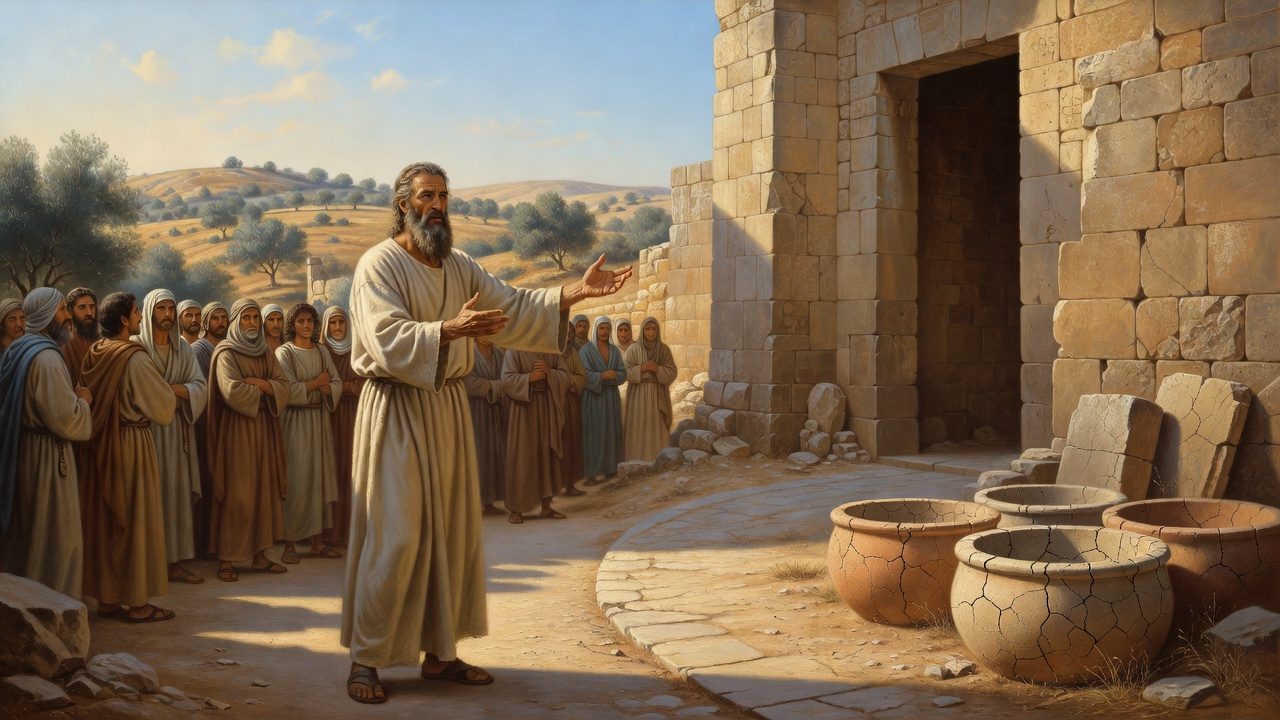
- Em Jeremias 2:10, o profeta contrasta Chipre (Quitim), no mar Mediterrâneo a oeste, com Quedar, que representava as tribos árabes nômades a leste, no deserto da Arábia. Ao citar esses extremos geográficos opostos, o texto destaca que nem mesmo as nações vizinhas abandonavam seus deuses tradicionais.Fontes: o próprio texto bíblico · Cyprus · Kedar
- As referências a Mênfis (Nofe) e ao beber das águas do Nilo e do Eufrates destacam a dependência política instável de Judá em relação ao Egito e à Assíria. Jeremias compara a confiança nessas potências estrangeiras a abandonar uma fonte de água viva para cavar cisternas rachadas.Fontes: o próprio texto bíblico · Memphis · Egypt · Assyria
- A repreensão por seguir os 'baalins' utiliza o plural para os cultos locais de Baal, a principal divindade masculina dos fenícios. O culto a Baal infiltrou-se repetidamente em Israel e Judá, sendo frequentemente praticado no alto de colinas e sob árvores frondosas.Fontes: o próprio texto bíblico · Baal
Notas escritas com auxílio de IA a partir de fontes abertas (Theographic Bible Metadata, CC BY-SA 4.0; Easton’s Bible Dictionary, domínio público) e revisadas antes de publicar.
Lugares deste capítulo
- Jerusalem · 31.777, 35.234 · versículo 2
- Egypt · 30.129, 31.308 · versículos 6, 18, 36, 37
- Cyprus · 35.000, 33.000 · versículo 10
- Kedar · 29.811, 39.868 · versículo 10
- Memphis · 29.849, 31.253 · versículo 16
- Tahpanhes · Hoje: Tell Defenneh · 30.861, 32.171 · versículo 16
- Assyria · 36.359, 43.153 · versículos 18, 36
- Euphrates · Hoje: Euphrates River · 31.004, 47.442 · versículo 18
- Nile · Hoje: Nile River · 31.465, 30.367 · versículo 18
- Valley of Hinnom · Hoje: Hinnom Valley · 31.769, 35.228 · versículo 23
Só aparecem lugares com identificação de alta confiança (90% ou mais segundo as fontes acadêmicas reunidas pelo OpenBible). Mapa da época: DARE (Digital Atlas of the Roman Empire), CC BY 4.0; mapa atual: © colaboradores do OpenStreetMap; lugares: OpenBible.info (CC BY 4.0).
Créditos e licença desta tradução
Biblica® Se aɖeke mebla Biblia zazã o Agbenya La™ Éwé: Biblica® Se aɖeke mebla Biblia zazã o Agbenya La™ (Bible) of Ghana copyright © 1988, 2006, 2020 Biblica, Inc. Language: eʋegbe Contributor: Biblica, Inc. Dɔwɔƒe si na wò asi ka agbalẽ sia lae nye Creative Commons Attribution-ShareAlike 4.0 International License (CC BY-SA). Ne èdi be yeakpɔ laisensi alo mɔɖegbalẽ sia la, yi ɖe http://creativecommons.org/licenses/by-sa/4.0 alo ŋlɔ agbalẽ na Creative Commons Dɔwɔƒea to adrɛsi sia dzi: Creative Commons, PO Box 1866, Mountain View, CA 94042, USA. Biblica, Inc. na wode Biblica® kple eƒe dzesidenu agbalẽ me, eye woaŋlɔ agbalẽ axɔ mɔɖeɖe tso Biblica, Inc. gbɔ hafi woawɔ Biblica® ƒe dzesidenu la ŋu dɔ. Le CC BY-SA ƒe mɔɖeɖe ƒe sewo nu la, àte ŋu azã agbalẽ sia me nyawo le dɔ bubuwo wɔwɔ me gake ele be nàde dzesi Biblica ƒe dzesidenu la abe ale si wòle ene. Ne ètrɔ asi le agbalẽ sia ŋu alo zãe le mɔ bubu nu la, ele be nàɖe Biblica® ƒe dzesidenu la ɖa. Ele be nàde dzesi tɔtrɔ siwo nèwɔ la ɖe agbalẽ la me eye nàde dzesii be: “Àte ŋu akpɔ Biblica, Inc. ƒe dɔ gbãtɔ le www.biblica.com kple open.bible femaxee.” Ele be nutɔnyenye ƒe dzeside nadze le agbalẽ la ƒe axa si tanya alo nutɔnyenye ƒe dzesi nɔna la ale: Biblica® Se aɖeke mebla Biblia zazã o Agbenya La™ Nutɔnyenye © 1988, 2006, 2020 Biblica, Inc. Biblica® Open Ewe Contemporary Scriptures™ Copyright © 1988, 2006, 2020 by Biblica, Inc. Biblica, Inc. na Dɔwɔƒe si Kpɔa Nutɔnyenye kple Adzɔdodo ƒe Nyawo dzi le Amerika la de “Biblica” kple eƒe dzesidenu agbalẽ me. Woaxɔ mɔɖeɖe na ezazã. “Biblica” is a trademark registered in the United States Patent and Trademark Office by Biblica, Inc. Used with permission. Ele be nàna míaƒe asi naka wò agbalẽ la le laisensi alo mɔɖeɖe ƒe se (CC BY-SA) sia nu. Ne èdi be yeana nyanya Biblica, Inc. tso agbalẽ sia zazã ŋu la, anyo be nàdo ta ɖe mía gbɔ le https://open.bible/contact-us. This work is made available under the Creative Commons Attribution-ShareAlike 4.0 International License (CC BY-SA). To view a copy of this license, visit http://creativecommons.org/licenses/by-sa/4.0 or send a letter to Creative Commons, PO Box 1866, Mountain View, CA 94042, USA. Biblica® is a trademark registered by Biblica, Inc., and use of the Biblica® trademark requires the written permission of Biblica, Inc. Under the terms of the CC BY-SA license, you may copy and redistribute this unmodified work as long as you keep the Biblica® trademark intact. If you modify a copy or translate this work, thereby creating a derivative work, you must remove the Biblica® trademark. On the derivative work, you must indicate what changes you have made and attribute the work as follows: “The original work by Biblica, Inc. is available for free at www.biblica.com and open.bible.” Notice of copyright must appear on the title or copyright page of the work as follows: Biblica® Se aɖeke mebla Biblia zazã o Agbenya La™ Nutɔnyenye © 1988, 2006, 2020 Biblica, Inc. Biblica® Open Ewe Contemporary Scriptures™ Copyright © 1988, 2006, 2020 by Biblica, Inc. Biblica, Inc. na Dɔwɔƒe si Kpɔa Nutɔnyenye kple Adzɔdodo ƒe Nyawo dzi le Amerika la de “Biblica” kple eƒe dzesidenu agbalẽ me. Woaxɔ mɔɖeɖe na ezazã. “Biblica” is a trademark registered in the United States Patent and Trademark Office by Biblica, Inc. Used with permission. You must also make your derivative work available under the same license (CC BY-SA). If you would like to notify Biblica, Inc. regarding your translation of this work, please contact us at https://open.bible/contact-us. This translation is made available to you under the terms of the Creative Commons Attribution Share-Alike license 4.0. You have permission to share and redistribute this Bible translation in any format and to make reasonable revisions and adaptations of this translation, provided that: You include the above copyright and source information. If you make any changes to the text, you must indicate that you did so in a way that makes it clear that the original licensor is not necessarily endorsing your changes. If you redistribute this text, you must distribute your contributions under the same license as the original. Pictures included with Scriptures and other documents on this site are licensed just for use with those Scriptures and documents. For other uses, please contact the respective copyright owners. Note that in addition to the rules above, revising and adapting God's Word involves a great responsibility to be true to God's Word. See Revelation 22:18-19. 2025-05-01
Fonte: http://ebible.org/ewe/ · eBible.org