Hebreus 5
Open English Bible (Commonwealth Spelling) · Toque num versículo para ver as referências cruzadas.
The Perfect High Priest
1Every high priest, taken from among the people, is appointed as their representative in their relations with God, to offer both gifts and sacrifices in expiation of sins. 2And he is able to sympathise with the ignorant and deluded, since he is himself subject to weakness, 3and is therefore bound to offer sacrifices for sins, not only for the people, but equally so for himself. 4Nor does anyone take that high office on themselves, until they have been called to do so by God, as Aaron was. 5In the same way, even the Christ did not take the honour of the high priesthood on himself, but he was appointed by him who said to him –
“You are my Son; this day I have become your Father”;
6and on another occasion also –
“You are a priest for all time of the order of Melchizedek.”
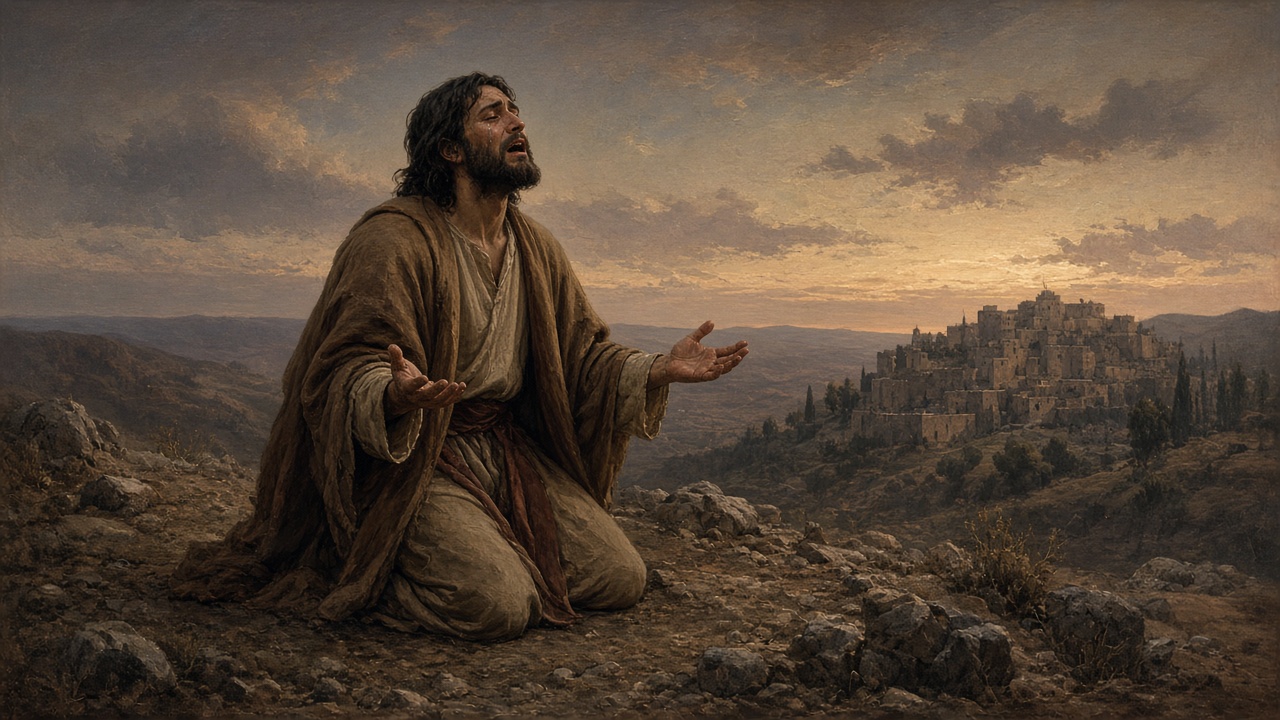
7Jesus, in the days of his earthly life, offered prayers and supplications, with earnest cries and with tears, to him who was able to save him from death; and he was heard because of his devout submission. 8Son though he was, he learned obedience from his sufferings; 9and, being made perfect, he became to all those who obey him the source of eternal salvation, 10while God himself pronounced him a high priest of the order of Melchizedek.
Milk and Solid Food
11Now on this subject I have much to say, but it is difficult to explain it to you, because you have shown yourselves so slow to learn. 12For whereas, considering the time that has elapsed, you ought to be teaching others, you still need someone to teach you the alphabet of the divine revelation, and need again to be fed with milk instead of with “solid food.” 13For everyone who still has to take milk knows nothing of the teaching of righteousness; they are a mere infant. 14But solid food is for Christians of mature faith – those whose faculties have been trained by practice to distinguish right from wrong.
Você sabia?
Um sumo sacerdote chamado por Deus
- Hebreus 5 apresenta Arão como modelo de sumo sacerdote que não toma a honra para si, mas é chamado por Deus. Arão, filho mais velho de Anrão e Joquebede, nasceu no Egito três anos antes de seu irmão Moisés. Quando se aproximava a libertação de Israel do Egito, Deus o enviou ao encontro do irmão, ausente havia muito tempo, para que cooperassem na realização do Êxodo.Fontes: o próprio texto bíblico · Aaron
- Melquisedeque, cujo nome o Easton's Bible Dictionary (1897) explica como “rei de justiça”, era rei de Salém. Tudo o que o Antigo Testamento registra a seu respeito está em Gênesis 14:18–20, e ele só é mencionado mais uma vez, no Salmo 110:4. Hebreus 5 aplica a Cristo as palavras “Tu és sacerdote para sempre, segundo a ordem de Melquisedeque”, e o mesmo dicionário diz que Hebreus 7 expõe em detalhe a importância da sua história e apresenta o sacerdócio dele como superior ao de Arão, lembrando que Abraão lhe pagou o dízimo e que Melquisedeque abençoou Abraão.Fontes: o próprio texto bíblico · Melchisedec
Notas escritas com auxílio de IA a partir de fontes abertas (Theographic Bible Metadata, CC BY-SA 4.0; Easton’s Bible Dictionary, domínio público) e revisadas antes de publicar.
Créditos e licença desta tradução
Open English Bible (Commonwealth Spelling)
The Holy Bible, Open English Bible translation, with Commonwealth spelling
Public Domain
Language: English
Translation by: OpenEnglishBible.org
Please see OpenEnglishBible.org/ for information about this translation.
2026-10-02
Títulos de seção adaptados da Berean Standard Bible (domínio público); não fazem parte do texto bíblico desta tradução.
Fonte: http://ebible.org/engoebcw/ · eBible.org