Provérbios 28
George Noyes Bible · Toque num versículo para ver as referências cruzadas.
The Boldness of the Righteous
1The wicked flee when no one pursueth; But the righteous is as bold as a lion. 2Through the transgression of a land many are its rulers; But through men of prudence and understanding the prince shall live long. 3A poor man who oppresseth the needy Is a sweeping rain which leaveth no food. 4They who forsake the law praise the wicked; But they who keep the law contend with them. 5Wicked men understand not equity; But they who seek the LORD understand all things. 6Better is a poor man who walketh in uprightness, Than he who is perverse in his ways, though he be rich. 7He that keepeth the law is a wise son; But he that is the companion of prodigals bringeth shame on his father. 8He that increaseth his substance by usurious gain Gathereth it for him who will pity the poor. 9He that turneth away his ear from hearing the law, Even his prayer shall be an abomination. 10He that causeth the righteous to go astray in an evil way Shall himself fall into his own pit; But the upright shall have good things in possession. 11The rich man is wise in his own conceit; But the poor man, who hath understanding, will search him through. 12When the righteous rejoice, there is great glorying; But, when the wicked are exalted, men hide themselves. 13He that covereth his sins shall not prosper; But he that confesseth and forsaketh them shall have mercy. 14Happy the man who feareth always! But he who hardeneth his heart shall fall into mischief. 15As a roaring lion and a hungry bear, So is a wicked ruler over a needy people. 16The prince who is weak in understanding is great in oppression; But he who hateth unjust gain shall prolong his days. 17A man who is burdened with life-blood—Let him flee to the pit! let no man stay him! 18He who walketh uprightly shall be safe; But he who is perverse in his ways shall fall at once. 19He who tilleth his land shall have bread enough; And he that followeth after worthless persons shall have poverty enough. 20A faithful man shall abound with blessings; But he that maketh haste to be rich shall not go unpunished. 21To have respect to persons is not good; Since for a piece of bread that man will transgress. 22He who hath an evil eye hasteth after wealth, And considereth not that poverty will come upon him. 23He who rebuketh a man shall afterwards find favor More than he who flattereth with his tongue. 24Whoso stealeth from his father or his mother, And saith, “It is no transgression,” The same is the companion of a robber. 25He who is of a proud heart stirreth up strife; But he that trusteth in the LORD shall be rich. 26He who trusteth in his own understanding is a fool; But he who walketh wisely shall be delivered. 27He who giveth to the poor shall not want; But he that hideth his eyes shall have many a curse. 28When the wicked are exalted, men hide themselves; But, when they perish, the righteous increase.
Você sabia?
Justiça, Liderança e Integridade
- Provérbios 28 associa o bom governo à estabilidade social, observando que a rebelião política multiplica governantes, enquanto uma pessoa de discernimento mantém a ordem. O texto compara um governante ímpio e opressor sobre um povo indefeso a animais predadores, como um leão que ruge ou um urso que ataca.Fontes: o próprio texto bíblico
- O capítulo destaca o vínculo vital entre a obediência à lei e a vida espiritual, alertando que fechar os ouvidos à lei torna até mesmo as orações detestáveis. Em contrapartida, aqueles que guardam a lei resistem ativamente à maldade e preservam o discernimento moral.Fontes: o próprio texto bíblico
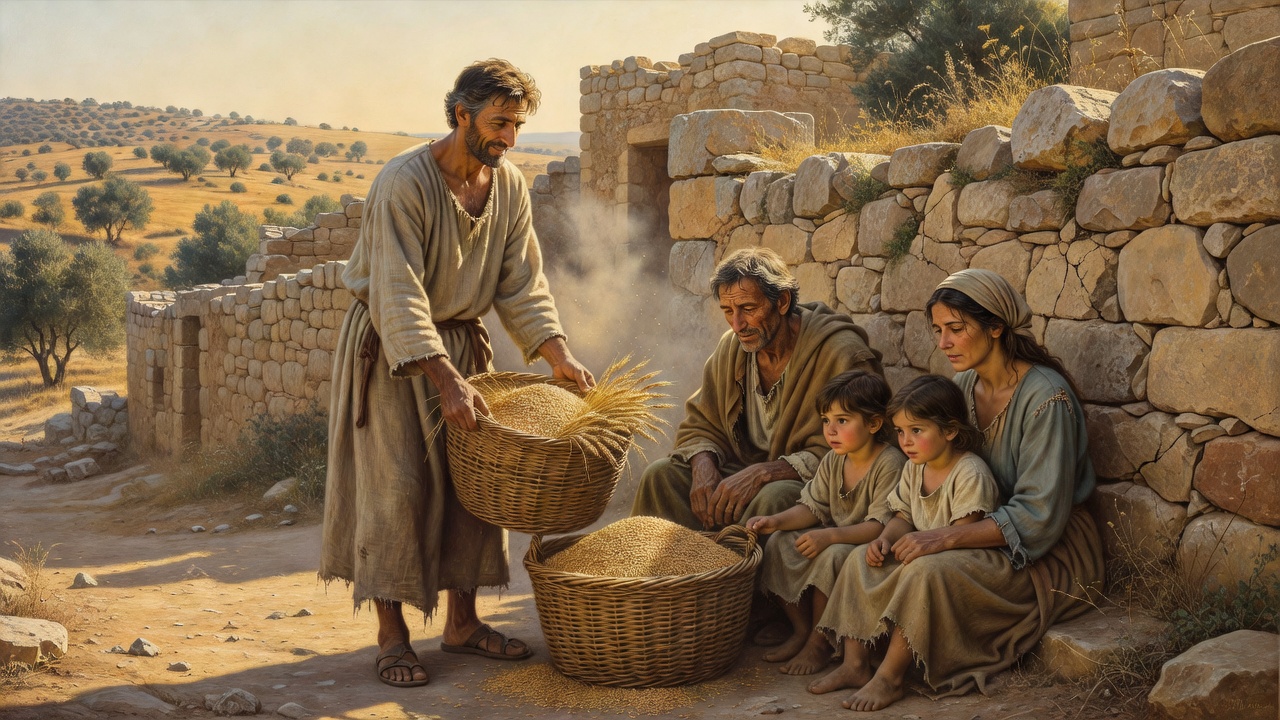
- Diversos provérbios tratam da justiça econômica, afirmando que a riqueza acumulada por meio de juros extorsivos e usura acabará nas mãos de quem é generoso com os pobres. O trabalho diligente na terra é valorizado em oposição à busca de ilusões de enriquecimento rápido.Fontes: o próprio texto bíblico
Notas escritas com auxílio de IA a partir de fontes abertas (Theographic Bible Metadata, CC BY-SA 4.0; Easton’s Bible Dictionary, domínio público) e revisadas antes de publicar.
Créditos e licença desta tradução
George Noyes Bible
The Holy Bible, translated into English by George Noyes (1869)
Public Domain
Language: English
Dialect: archaic British
Translation by: George Noyes
2019-10-24
Títulos de seção adaptados da Berean Standard Bible (domínio público); não fazem parte do texto bíblico desta tradução.
Fonte: http://ebible.org/engnoy/ · eBible.org