Eclesiastes 6
Isaac Leeser Tanakh · Toque num versículo para ver as referências cruzadas.
The Futility of Life
1There is an evil which I have seen under the sun, and it is great on men: 2[There is many] a man to whom God hath given riches, property, and honor, and nothing is wanting for his soul of all that he longeth for: yet God empowereth him not to eat thereof, but a stranger will consume it. This is vanity, and it is an evil disease. 3If a man were to beget a hundred children, and live many years, so that the days of his years were many, and his soul were not satisfied with what is good, and he have not had even a burial: then do I say, that an untimely birth is better than he. 4For in vanity it came, and in darkness it departeth, and with darkness will its name be covered. 5Moreover it never saw the sun, and knew nothing: this hath more rest than the other. 6Yea, though he were to live a thousand years twice told, and had not seen any good— doth not every one go to one place? 7All the toil of a man is for his mouth; and yet is his desire never filled. 8For what hath the wise more than the fool? what hath the poor, that knoweth to walk [properly] before the living? 9Better is what one seeth with the eyes than the wandering of the desire. Also this is vanity and a torture of the spirit. 10That which hath been is already called by its name, and it is known that he is a man: and he is not able to contend with him that is mightier than he. 11For there are many things that increase vanity: what advantage [cometh thence] for man? 12For who knoweth what is good for man in this life, the number of the days of his vain life, that he should spend them as a shadow? for who can tell a man what will be after him under the sun?
Você sabia?
A Vaidade da Riqueza Insatisfeita
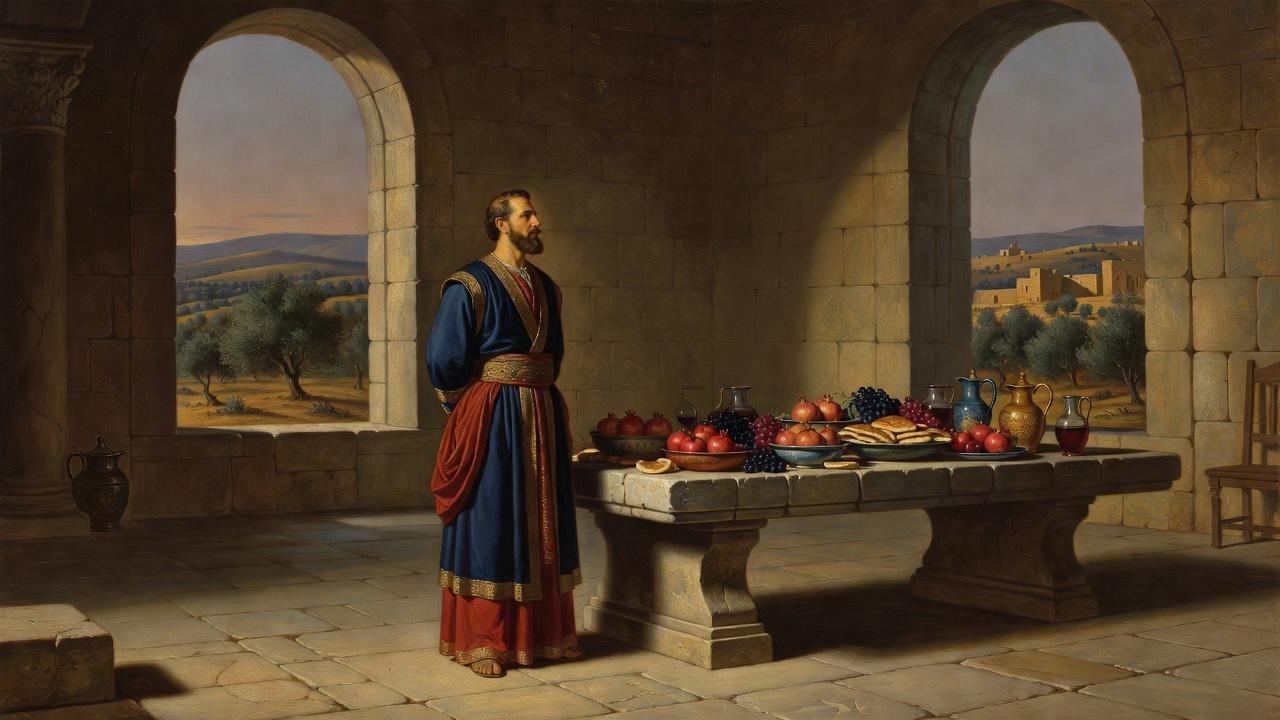
- No pensamento antigo, ter uma vida longa e gerar muitos filhos eram considerados os maiores sinais de bênção. No entanto, Eclesiastes observa que mesmo viver dois mil anos e gerar cem filhos é algo vazio se a pessoa não puder desfrutar de sua prosperidade ou receber um sepultamento digno.Fontes: o próprio texto bíblico
- O autor aponta que, embora o trabalho humano seja dedicado a suprir necessidades físicas básicas como o alimento, o apetite e os desejos permanecem continuamente insatisfeitos. Ele contrasta o contentamento com o que está presente diante dos olhos com a busca incessante de desejos errantes.Fontes: o próprio texto bíblico
- O capítulo enfatiza as limitações humanas, ressaltando que os mortais não podem contender com o que foi estabelecido por alguém mais forte do que eles. Como a vida é fugaz como uma sombra, o ser humano não pode saber plenamente o que é bom para si nem prever o que acontecerá depois de sua partida.Fontes: o próprio texto bíblico
Notas escritas com auxílio de IA a partir de fontes abertas (Theographic Bible Metadata, CC BY-SA 4.0; Easton’s Bible Dictionary, domínio público) e revisadas antes de publicar.
Créditos e licença desta tradução
Isaac Leeser Tanakh
The Isaac Leeser Tanakh (Jewish Bible)
Public Domain
Language: English
Dialect: archaic British
Translation by: Isaac Leeser
2020-10-14
Títulos de seção adaptados da Berean Standard Bible (domínio público); não fazem parte do texto bíblico desta tradução.
Fonte: http://ebible.org/englee/ · eBible.org