Habacuque 1
Berean Standard Bible · Toque num versículo para ver as referências cruzadas.
Sobre este livro
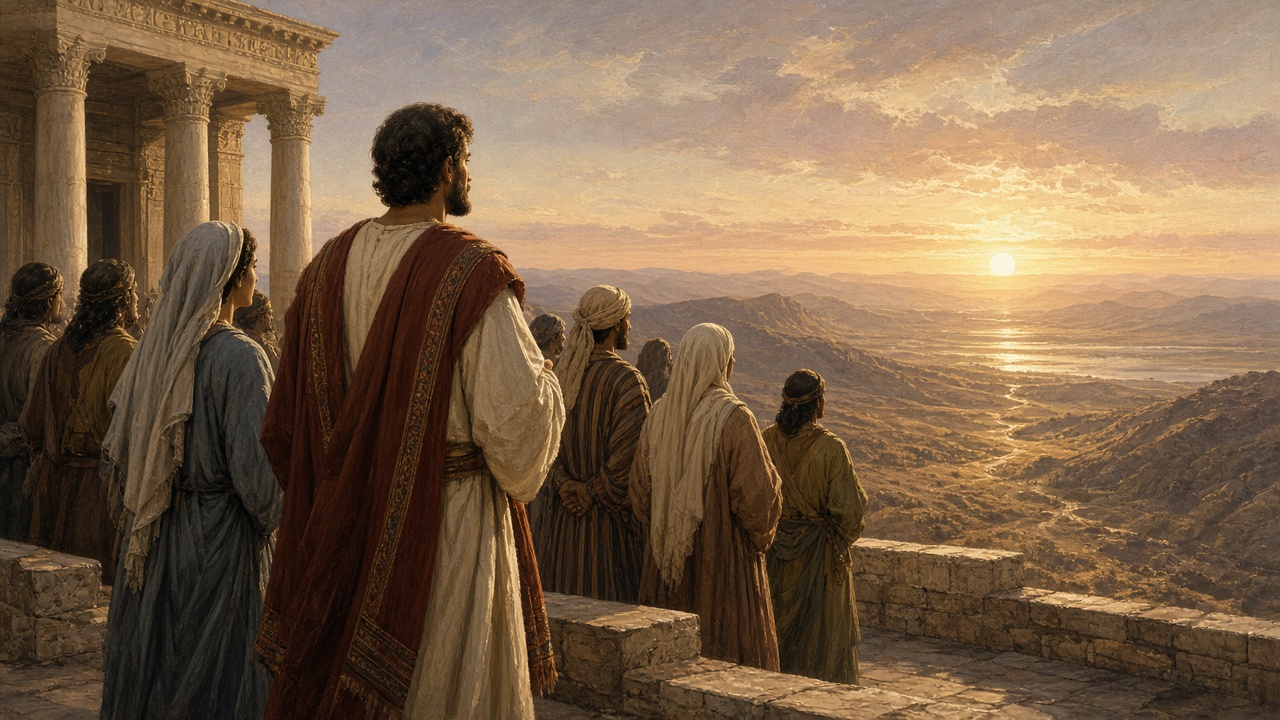
Sobre Habacuque
- O dicionário bíblico de Easton (1897) explica o nome Habacuque como "Abraço" e o apresenta como o oitavo dos doze profetas menores. Afirma que não há informação confiável sobre sua história pessoal.Fontes: Easton: Habakkuk
- O mesmo dicionário diz que ele provavelmente fazia parte do coro levítico e que era contemporâneo de Jeremias e Sofonias. Essas fontes não indicam uma data mais precisa.Fontes: Easton: Habakkuk
- Os verbetes ligam Habacuque 3:3 a Temã, um lugar na Idumeia meridional, a terra dos "filhos do Oriente", e ao monte Parã, descrito como a região montanhosa ao norte do deserto de Parã e o limite sul da Terra Prometida. Easton diz que a planície baixa de Arabá separava Temã das colinas de Parã e que Temã era conhecida pela sabedoria de seus habitantes.Fontes: Teman · Mount Paran
- Em relação a Habacuque 3:7, o dicionário de Easton (1897) trata Cusã como provavelmente um nome poético ou alongado da terra de Cuxe, o Cuxe da Arábia. Alguns supuseram que fosse o mesmo que Cusã-Risataim, um rei mesopotâmico mencionado em Juízes, mas Easton rejeita essa identificação.Fontes: Cushan
Notas escritas com auxílio de IA a partir de fontes abertas (Theographic Bible Metadata, CC BY-SA 4.0; Easton’s Bible Dictionary, domínio público) e revisadas antes de publicar.
Habakkuk’s First Complaint
1This is the burden that Habakkuk the prophet received in a vision:
2How long, O LORD, must I call for help
but You do not hear,
or cry out to You, “Violence!”
but You do not save?
3Why do You make me see iniquity?
Why do You tolerate wrongdoing?
Destruction and violence are before me.
Strife is ongoing, and conflict abounds.
4Therefore the law is paralyzed,
and justice never goes forth.
For the wicked hem in the righteous,
so that justice is perverted.
The LORD’s Answer
5“Look at the nations and observe—
be utterly astounded!
For I am doing a work in your days
that you would never believe
even if someone told you.
6For behold, I am raising up the Chaldeans —
that ruthless and impetuous nation
which marches through the breadth of the earth
to seize dwellings not their own.
7They are dreaded and feared;
from themselves they derive justice and sovereignty.
8Their horses are swifter than leopards,
fiercer than wolves of the night.
Their horsemen charge ahead,
and their cavalry comes from afar.
They fly like a vulture,
swooping down to devour.
9All of them come bent on violence;
their hordes advance like the east wind;
they gather prisoners like sand.
10They scoff at kings
and make rulers an object of scorn.
They laugh at every fortress
and build up siege ramps to seize it.
11Then they sweep by like the wind
and pass on through.
They are guilty;
their own strength is their god.”
Habakkuk’s Second Complaint
12Are You not from everlasting,
O LORD, my God, my Holy One?
We will not die.
O LORD, You have appointed them
to execute judgment;
O Rock, You have established them
for correction.
13Your eyes are too pure to look upon evil,
and You cannot tolerate wrongdoing.
So why do You tolerate the faithless?
Why are You silent
while the wicked swallow up
those more righteous than themselves?
14You have made men like the fish of the sea,
like creeping things that have no ruler.
15The foe pulls all of them up with a hook;
he catches them in his dragnet,
and gathers them in his fishing net;
so he rejoices gladly.
16Therefore he sacrifices to his dragnet
and burns incense to his fishing net,
for by these things his portion is sumptuous
and his food is rich.
17Will he, therefore, empty his net
and continue to slay nations without mercy?
Você sabia?
A queixa de Habacuque e a ameaça dos caldeus
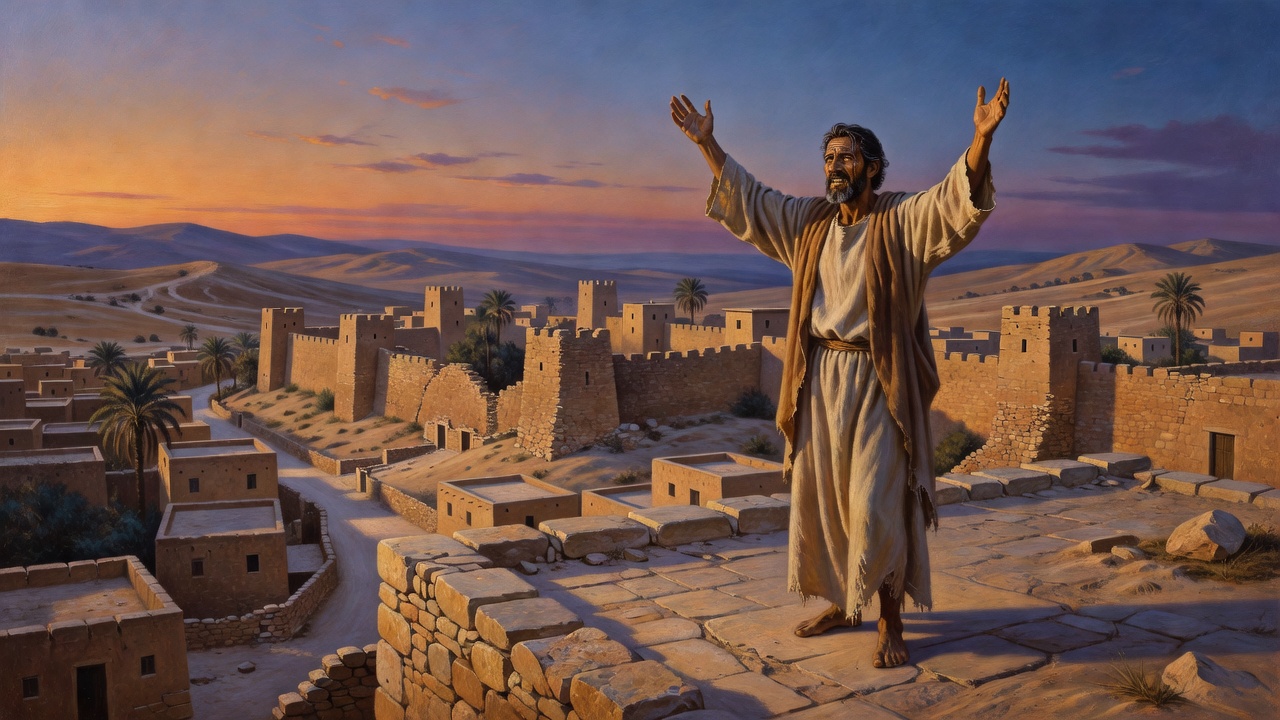
- Ao contrário de textos proféticos dirigidos diretamente ao povo, Habacuque começa com um diálogo direto entre o profeta e Deus, no qual ele lamenta a violência impune, o conflito e a paralisia da justiça na terra.Fontes: o próprio texto bíblico
- O texto retrata os caldeus como uma força militar implacável e veloz, cuja cavalaria avança como leopardos e lobos, zombando de reis, construindo rampas de cerco contra fortalezas e idolatrando a própria força.Fontes: o próprio texto bíblico
- Algumas cronologias históricas situam o início das profecias de Habacuque por volta de 606 a.C., período que coincide com a ascensão do império caldeu no antigo Oriente Próximo.Fontes: Prophecies of Habakkuk · o próprio texto bíblico
Notas escritas com auxílio de IA a partir de fontes abertas (Theographic Bible Metadata, CC BY-SA 4.0; Easton’s Bible Dictionary, domínio público) e revisadas antes de publicar.
Lugares deste capítulo
- Chaldea · 30.962, 46.104 · versículo 6
Só aparecem lugares com identificação de alta confiança (90% ou mais segundo as fontes acadêmicas reunidas pelo OpenBible). Mapa da época: DARE (Digital Atlas of the Roman Empire), CC BY 4.0; mapa atual: © colaboradores do OpenStreetMap; lugares: OpenBible.info (CC BY 4.0).
Créditos e licença desta tradução
Berean Standard Bible
The Holy Bible in English: Berean Standard Bible
Public Domain
Language: English
Contributor: BSB Publishing, LLC
2026-10-02
Fonte: http://ebible.org/engbsb/ · eBible.org