Eclesiastes 2
Douay-Rheims 1899 · Toque num versículo para ver as referências cruzadas.
The Futility of Pleasure
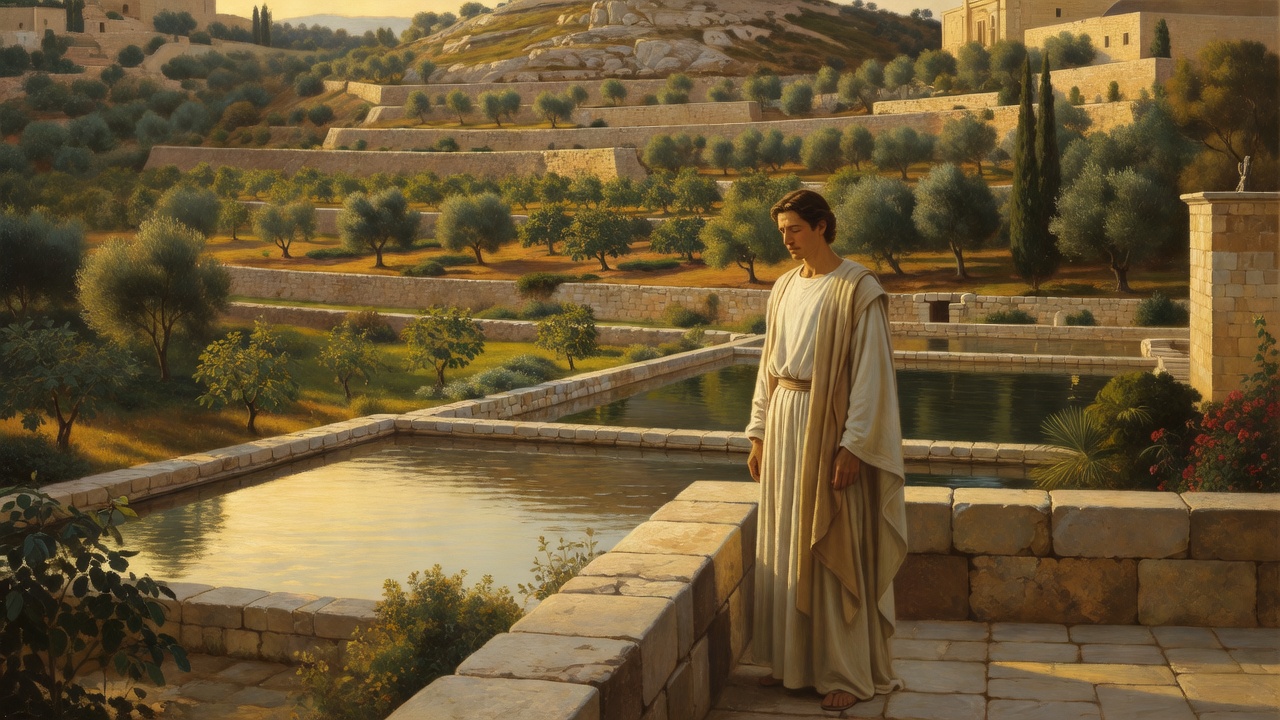
1I said in my heart: I will go, and abound with delights, and enjoy good things. And I saw that this also was vanity. 2Laughter I counted error: and to mirth I said: Why art thou vainly deceived? 3I thought in my heart, to withdraw my flesh from wine, that I might turn my mind to wisdom, and might avoid folly, till I might see what was profitable for the children of men: and what they ought to do under the sun, all the days of their life. 4I made me great works, I built me houses, and planted vineyards, 5I made gardens, and orchards, and set them with trees of all kinds, 6And I made me ponds of water, to water therewith the wood of the young trees, 7I got me menservants, and maidservants, and had a great family: and herds of oxen, and great flocks of sheep, above all that were before me in Jerusalem: 8I heaped together for myself silver and gold, and the wealth of kings, and provinces: I made me singing men, and singing women, and the delights of the sons of men, cups and vessels to serve to pour out wine: 9And I surpassed in riches all that were before me in Jerusalem: my wisdom also remained with me. 10And whatsoever my eyes desired, I refused them not: and I withheld not my heart from enjoying every pleasure, and delighting itself in the things which I had prepared: and esteemed this my portion, to make use of my own labour. 11And when I turned myself to all the works which my hands had wrought, and to the labours wherein I had laboured in vain, I saw in all things vanity, and vexation of mind, and that nothing was lasting under the sun.
The Wise and the Foolish
12I passed further to behold wisdom, and errors and folly, (What is man, said I, that he can follow the King his maker?) 13And I saw that wisdom excelled folly, as much as light differeth from darkness. 14The eyes of a wise man are in his head: the fool walketh in darkness: and I learned that they were to die both alike. 15And I said in my heart: If the death of the fool and mine shall be one, what doth it avail me, that I have applied myself more to the study of wisdom? And speaking with my own mind, I perceived that this also was vanity. 16For there shall be no remembrance of the wise no more than of the fool for ever, and the times to come shall cover all things together with oblivion: the learned dieth in like manner as the unlearned. 17And therefore I was weary of my life, when I saw that all things under the sun are evil, and all vanity and vexation of spirit.
The Futility of Work
18Again I hated all my application wherewith I had earnestly laboured under the sun, being like to have an heir after me, 19Whom I know not whether he will be a wise man or a fool, and he shall have rule over all my labours with which I have laboured and been solicitous: and is there any thing so vain? 20Wherefore I left off and my heart renounced labouring any more under the sun. 21For when a man laboureth in wisdom, and knowledge, and carefulness, he leaveth what he hath gotten to an idle man: so this also is vanity, and a great evil. 22For what profit shall a man have of all his labour, and vexation of spirit, with which he bath been tormented under the sun? 23All his days axe full of sorrows and miseries, even in the night he doth not rest in mind: and is not this vanity? 24Is it not better to eat and drink, and to shew his soul good things of his labours? and this is from the hand of God. 25Who shall so feast and abound with delights as I? 26God hath given to a man that is good in his sight, wisdom, and knowledge, and joy: but to the sinner he hath given vexation, and superfluous care, to heap up and to gather together, and to give it to him that hath pleased God: but this also is vanity, and a fruitless solicitude of the mind.
Você sabia?
A Busca por Prazer e Significado
- O narrador de Eclesiastes testa o valor da riqueza realizando grandes projetos de construção, plantando vinhedos e pomares, construindo reservatórios e acumulando ouro, prata e servos, superando todos os que governaram em Jerusalém antes dele.Fontes: o próprio texto bíblico · Jerusalem
- Embora a sabedoria seja reconhecida como superior à insensatez assim como a luz supera as trevas, o autor observa que tanto o sábio quanto o tolo enfrentam no fim o mesmo destino da morte e do esquecimento.Fontes: o próprio texto bíblico
- Apesar do desespero com a futilidade de deixar o fruto do trabalho para um sucessor desconhecido, o capítulo conclui que poder comer, beber e desfrutar do próprio trabalho é um dom que vem das mãos de Deus.Fontes: o próprio texto bíblico
Notas escritas com auxílio de IA a partir de fontes abertas (Theographic Bible Metadata, CC BY-SA 4.0; Easton’s Bible Dictionary, domínio público) e revisadas antes de publicar.
Lugares deste capítulo
Só aparecem lugares com identificação de alta confiança (90% ou mais segundo as fontes acadêmicas reunidas pelo OpenBible). Mapa da época: DARE (Digital Atlas of the Roman Empire), CC BY 4.0; mapa atual: © colaboradores do OpenStreetMap; lugares: OpenBible.info (CC BY 4.0).
Créditos e licença desta tradução
Douay-Rheims 1899
The Holy Bible in English, Douay-Rheims American Edition of 1899, translated from the Latin Vulgate
Public Domain
Language: English
Dialect: archaic American
Translation by: English College, Douai
This Public Domain Bible text is brought to you courtesy of eBible.org.
Help support free Bible access at https://eBible.org/give.php .
2022-11-03
Títulos de seção adaptados da Berean Standard Bible (domínio público); não fazem parte do texto bíblico desta tradução.
Fonte: http://ebible.org/engDRA/ · eBible.org