Eclesiastes 4
Darby Translation · Toque num versículo para ver as referências cruzadas.
The Evil of Oppression
1And I returned and saw all the oppressions that are done under the sun: and behold, the tears of the oppressed, and they had no comforter; and on the side of their oppressors was power, and they had no comforter. 2Then I praised the dead who are already dead more than the living who are yet alive; 3and more fortunate than both is he who hath not yet been, who hath not seen the evil work that is done under the sun. 4And I saw all labour, and all success of work, that it is man's jealousy of his neighbour. This also is vanity and pursuit of the wind. 5The fool foldeth his hands together, and eateth his own flesh. 6Better is a handful with quietness, than both hands full with labour and pursuit of the wind. 7And I returned and saw vanity under the sun. 8There is one [alone] and without a second; also he hath neither son nor brother: yet is there no end of all his labour, neither is his eye satisfied with riches, and [he saith not], For whom then am I labouring, and depriving my soul of good? This also is vanity and a grievous occupation. 9Two are better than one; because they have a good reward for their labour. 10For if they fall, the one will lift up his fellow; but woe to him that is alone when he falleth, and who hath not another to lift him up! 11Again, if two lie together, then they have warmth; but how can one alone be warm? 12And if a [man] overpower the one, the two shall withstand him; and a threefold cord is not quickly broken.
The Futility of Power
13Better is a poor but wise youth than an old and foolish king, who knoweth no more how to be admonished. 14For out of the prison-house he came forth to reign, although he was born poor in his kingdom. 15I saw all the living that walk under the sun, with the child, the second, that should stand up in his stead. 16[There is] no end of all the people, of all that stood before them; those however that come after shall not rejoice in him. Surely this also is vanity and a striving after the wind.
Você sabia?
Opressão, Companheirismo e a Fama Passageira
- Eclesiastes destaca o valor prático do companheirismo na vida diária, explicando que dois trabalhadores obtêm melhor retorno do seu trabalho, podem ajudar um ao outro a se levantar após uma queda, aquecer-se mutuamente e resistir juntos a agressores.Fontes: o próprio texto bíblico
- O texto contrasta a miséria do trabalho solitário com a tranquilidade da moderação, observando que alguns acumulam riquezas sem cessar, mesmo sem ter companheiro, filho ou irmão com quem compartilhá-las.Fontes: o próprio texto bíblico
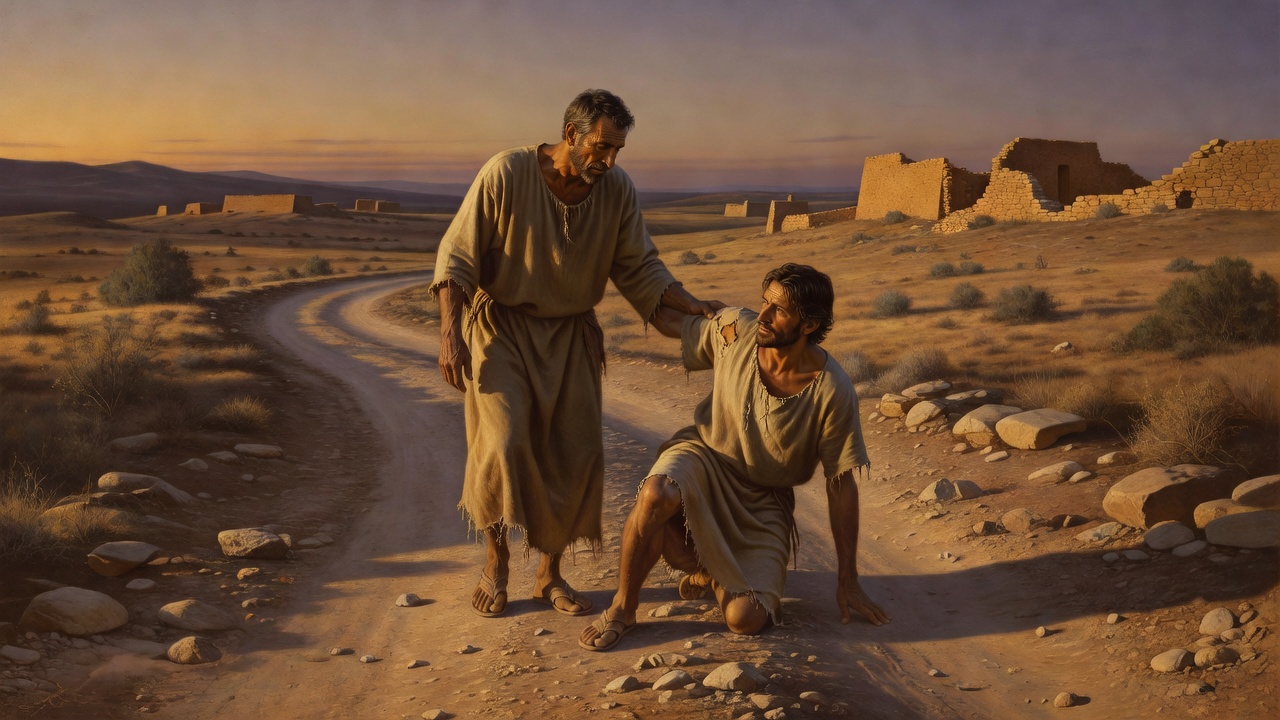
- A passagem ilustra a natureza efêmera da aclamação política por meio da figura de um jovem pobre e sábio que sai da prisão para governar no lugar de um rei tolo, conquistando grande apoio que mais tarde é esquecido pelas gerações seguintes.Fontes: o próprio texto bíblico
Notas escritas com auxílio de IA a partir de fontes abertas (Theographic Bible Metadata, CC BY-SA 4.0; Easton’s Bible Dictionary, domínio público) e revisadas antes de publicar.
Créditos e licença desta tradução
Darby Translation
The Holy Scriptures, a New Translation from the Original Languages by J. N. Darby
Public Domain
Language: English
Dialect: archaic British
Translation by: J. N. Darby
2019-11-15
Títulos de seção adaptados da Berean Standard Bible (domínio público); não fazem parte do texto bíblico desta tradução.
Fonte: http://ebible.org/engDBY/ · eBible.org