Provérbios 17
Bible in Basic English · Toque num versículo para ver as referências cruzadas.
Better a Dry Morsel in Quietness
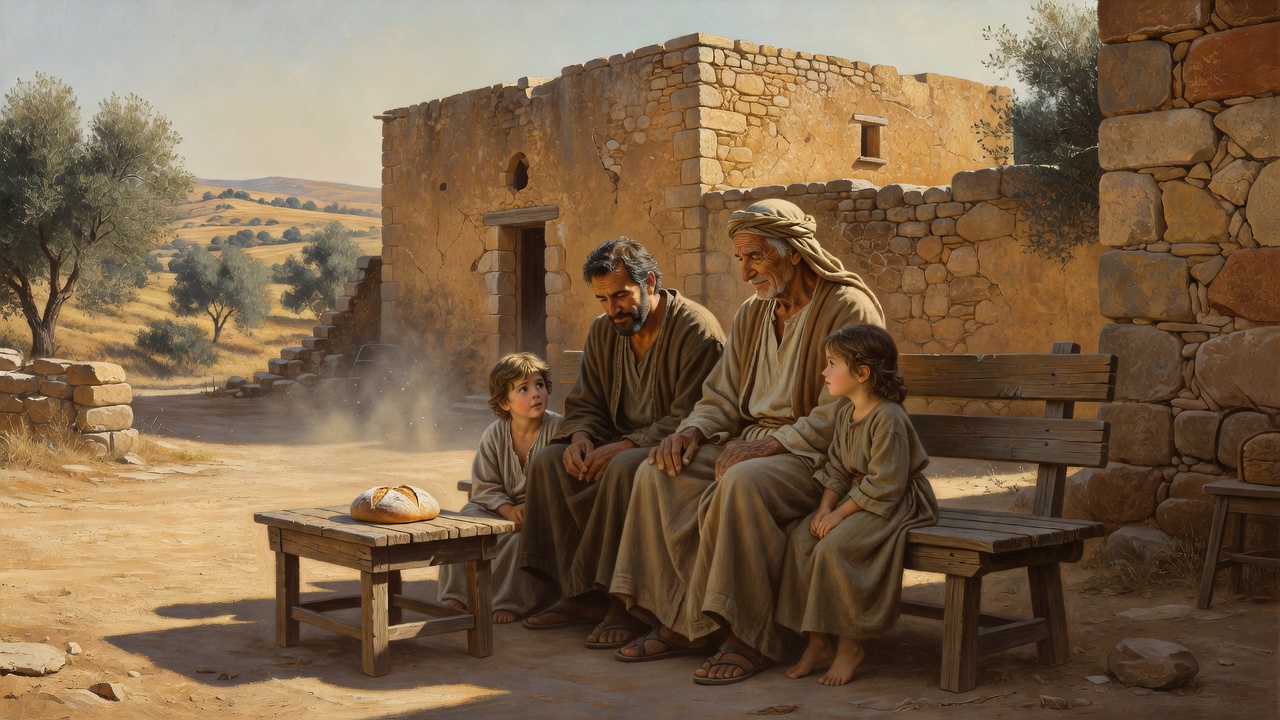
1Better a bit of dry bread in peace, than a house full of feasting and violent behaviour. 2A servant who does wisely will have rule over a son causing shame, and will have his part in the heritage among brothers. 3The heating-pot is for silver and the oven-fire for gold, but the Lord is the tester of hearts. 4A wrongdoer gives attention to evil lips, and a man of deceit gives ear to a damaging tongue. 5Whoever makes sport of the poor puts shame on his Maker; and he who is glad because of trouble will not go free from punishment. 6Children's children are the crown of old men, and the glory of children is their fathers. 7Fair words are not to be looked for from a foolish man, much less are false lips in a ruler. 8An offering of money is like a stone of great price in the eyes of him who has it: wherever he goes, he does well. 9He who keeps a sin covered is looking for love; but he who keeps on talking of a thing makes division between friends. 10A word of protest goes deeper into one who has sense than a hundred blows into a foolish man. 11An uncontrolled man is only looking for trouble, so a cruel servant will be sent against him. 12It is better to come face to face with a bear whose young ones have been taken away than with a foolish man acting foolishly. 13If anyone gives back evil for good, evil will never go away from his house. 14The start of fighting is like the letting out of water: so give up before it comes to blows. 15He who gives a decision for the evil-doer and he who gives a decision against the upright, are equally disgusting to the Lord. 16How will money in the hand of the foolish get him wisdom, seeing that he has no sense? 17A friend is loving at all times, and becomes a brother in times of trouble. 18A man without sense gives his hand in an agreement, and makes himself responsible before his neighbour. 19The lover of fighting is a lover of sin: he who makes high his doorway is looking for destruction. 20Nothing good comes to him whose heart is fixed on evil purposes: and he who has an evil tongue will come to trouble. 21He who has an unwise son gets sorrow for himself, and the father of a foolish son has no joy. 22A glad heart makes a healthy body, but a crushed spirit makes the bones dry. 23A sinner takes an offering out of his robe, to get a decision for himself in a cause. 24Wisdom is before the face of him who has sense; but the eyes of the foolish are on the ends of the earth. 25A foolish son is a grief to his father, and bitter pain to her who gave him birth. 26To give punishment to the upright is not good, or to give blows to the noble for their righteousness. 27He who has knowledge says little: and he who has a calm spirit is a man of good sense. 28Even the foolish man, when he keeps quiet, is taken to be wise: when his lips are shut he is credited with good sense.
Você sabia?
Sabedoria para os relacionamentos, a fala e o coração
- As antigas técnicas metalúrgicas usavam cadinhos para a prata e fornalhas de alto calor para o ouro a fim de separar o metal precioso das impurezas. O provérbio utiliza esse processo de refino para ilustrar como o Senhor examina e prova as motivações mais profundas do coração humano.Fontes: o próprio texto bíblico
- A imagem de iniciar uma contenda como o rompimento de uma represa reflete os antigos diques de irrigação e contenção de água. Uma pequena rachadura em uma barragem de terra rapidamente se alarga em uma torrente incontrolável, ilustrando por que os conflitos devem ser contidos antes de se espalharem.Fontes: o próprio texto bíblico
- Na literatura sapiencial bíblica, a moderação na fala e a manutenção de um espírito calmo são marcas essenciais de entendimento. Provérbios observa que o silêncio está tão associado à prudência que até mesmo o insensato que refreia suas palavras pode ser considerado sábio.Fontes: o próprio texto bíblico
Notas escritas com auxílio de IA a partir de fontes abertas (Theographic Bible Metadata, CC BY-SA 4.0; Easton’s Bible Dictionary, domínio público) e revisadas antes de publicar.
Créditos e licença desta tradução
Bible in Basic English
The Bible in Basic English
Public Domain
Language: English
Dialect: simple British
Translation by: Samuel Henry Hooke
The Bible In Basic English was printed in 1965 by Cambridge Press in England. Published without any copyright notice and distributed in America, this work fell immediately and irretrievably into the Public Domain in the United States according to the UCC convention of that time. A call to Cambridge prior to placing this work in etext resulted in an admission of this fact.
2020-04-17
Títulos de seção adaptados da Berean Standard Bible (domínio público); não fazem parte do texto bíblico desta tradução.
Fonte: http://ebible.org/engBBE/ · eBible.org