Jó 18
Geeshsha Mas'aafaa · Toque num versículo para ver as referências cruzadas.
Bilddaade Laa"entso Haasayaa
1Hewaappe guyyiyaan, Shuuha biittaappe yeedda Bilddaade hawaadan yaagiide zaareedda; 2«Iyyoobaa, neeni ha haasayaa awude wurssay? Ane akeeka. Yaatooppe nuuni haasayana. 3Nuuna ayaw miizza kessay? Ayaw nuuna donc'c'illowantta kessay? 4Neeni ne hank'k'uwaan neena k'ohaasa. Ne hank'k'uwaan biittay mela gidanee? Woy zaallatuu barenttu sa'aappe d'ok'k'olettanee?
5«Nagaranchchatuwaa de'uu s'omppii to'iyaawaadan to'anawe geeshsha; I laa"entso mulekka ees's'enna. 6I s'omppii bayinna golliyaa mala; Aa matan de'iyaa s'omppiikka to'ee. 7I tanggiyaa tangguukka k'aammee; I haratuwaa zoriyaa zorii Aa unggee.
8«Aa hametay Aa afiide, p'iriyaan gelissee; diizzaa giddon I hamettee. 9P'irii Aa ginddiyaa oyk'k'ee; Aa k'aatsuwaa diggee. 10Aw yurddo wodoruu geeman sa'aan hiis'etti uttee; I hamettiyaa ogiyaankka gitii wod'd'i uttee.
11«Dagamay Aa dooddee; Aa guyyenakka yederssee; 12Aa wolk'k'ay koshaan daabureedda; bashshay Aa matan naagee. 13Wod'iyaa harggii Aa bollan ubbaan dooddee; Aa kushiyaanne Aa gediyaa duushissee. 14I hirggi bayinnan de'iyaa bare golliyaappe yedersseettee; unttunttu asaa ubbaa mooddiyaa Hayk'k'uwaa giyaa kaatiyaakko, Aa afiino. 15Harggiyaa yederssanaw diiniyaa laalowaappe guyyiyaan, ooninne Aa golliyaan de'ana. 16I s'ap'uu garssaana meliyaanne k'ankkatuukka bollaanna k'ok'k'ofettiyaa mitsaa mala gidee. 17Aa worii biittaappe d'ayee; Aa suntsaykka sa'aan hassayettennan attee. 18I poo'uwaappe d'umaw yederssettana; Asay de'iyaa biittaappekka I d'ayana. 19Aw na'ay woy zarii d'ayana; I de'eedda sa'aan itti asaynne pas'a de'enna. 20Away doliyaa bagga Asay Aa gakkeeddawaan dagammee; away wulliyaa bagga asaykka yashshan kokkoree. 21Awudekka iita asatuwaa wurssetsay hewaa mala; S'oossaa erennawanttu kaac'aykka hewaa mala» yaageedda.
Você sabia?
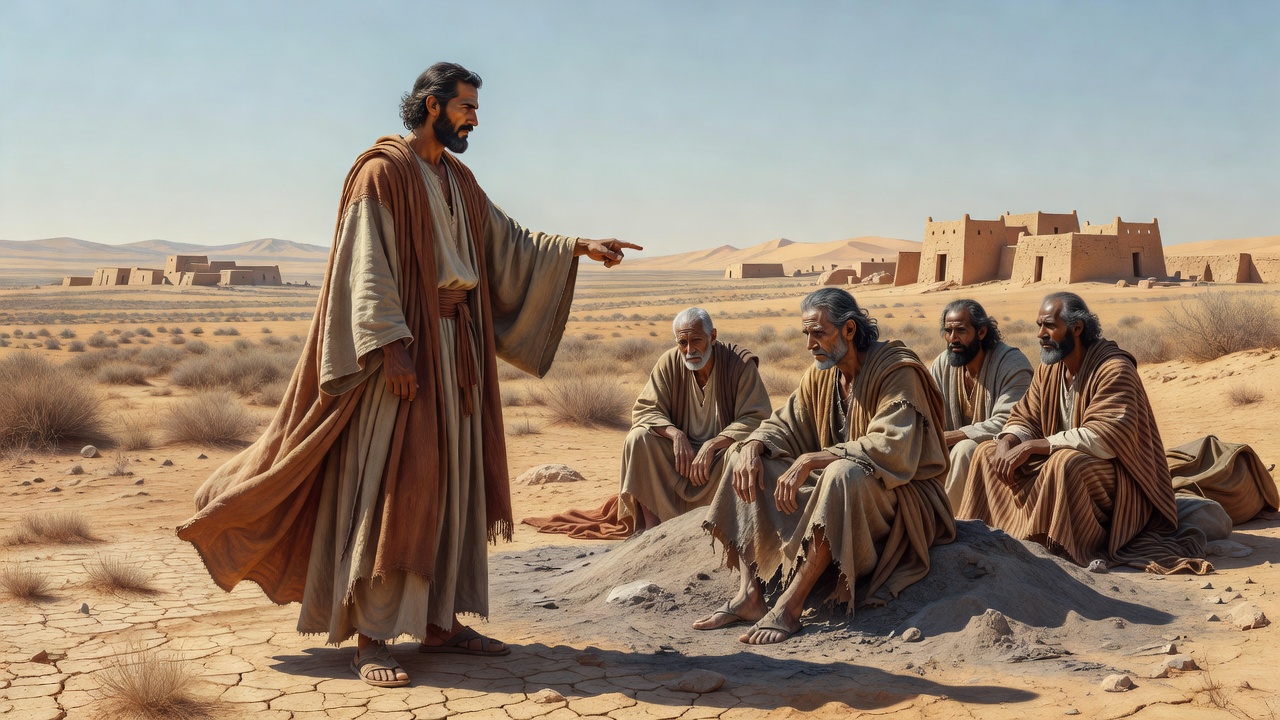
O segundo discurso de Bildade sobre o destino dos ímpios
- Bildade é chamado de suíta, uma designação tradicionalmente associada a Suá, região da Arábia ligada aos descendentes de Abraão e Quetura. Neste segundo discurso a Jó, Bildade mantém um tom severo ao repreendê-lo e afirmar a ruína inevitável dos ímpios.Fontes: Bildad · o próprio texto bíblico
- Para ilustrar a destruição reservada aos maus, Bildade recorre a imagens de caça antigas. Ele retrata a queda dos ímpios por meio de metáforas de laços ocultos, armadilhas enterradas e redes que capturam os passos de quem caminha.Fontes: o próprio texto bíblico
Notas escritas com auxílio de IA a partir de fontes abertas (Theographic Bible Metadata, CC BY-SA 4.0; Easton’s Bible Dictionary, domínio público) e revisadas antes de publicar.
Créditos e licença desta tradução
Geeshsha Mas'aafaa
The Holy Bible in the Dawuro language of Ethiopia, Latin script
copyright © 2024 The Word for the World International
Language: (Dawro)
Contributor: The Word for the World International
This translation is made available to you under the terms of the
Creative Commons Attribution Share-Alike license 4.0.
You have permission to share and redistribute this Bible translation in any format and to make reasonable revisions and adaptations of this translation, provided that:
You include the above copyright and source information.
If you make any changes to the text, you must indicate that you did so in a way that makes it clear that the original licensor is not necessarily endorsing your changes.
If you redistribute this text, you must distribute your contributions under the same license as the original.
Pictures included with Scriptures and other documents on this site are licensed just for use with those Scriptures and documents.
For other uses, please contact the respective copyright owners.
Note that in addition to the rules above, revising and adapting God's Word involves a great responsibility to be true to God's Word. See Revelation 22:18-19.
2025-05-01
Fonte: http://ebible.org/dwrl/ · eBible.org