Jeremias 18
ጌሻ ማጻፋ · Toque num versículo para ver as referências cruzadas.
ኤርማስ ኡርቃ መያ ብታንያ ሶ ቤዳ
1መና ጎዳፐ ኤርማሳዉ ዬዳ ቃላይ ሀዋ፤ 2“ደንዳ፤ ኡርቃ መያ ብታንያ ጎለ ባ። ያን ታን ኔና ታ ቃላ ስሳና” ያጌዳ። 3ታን ዱገ ኡርቃ መያ ብታንያ ጎለ ባደ፥ እ ባረ መያ ይንግርያዋን ኡርቃ መያዋ በኣድ። 4እ መሽና፥ ሚሻይ አ ኩሽያን ባዬዳ። እ ሄ ኡርቃ ዛሪደ ሙናቂደ፥ ባረና ሎእያ ሀራ ሚሻ ከሲደ መዳ።
5ሄ ዎድያን መና ጎዳ ቃላይ፥ ሀዋዳን ያጊደ፥ ታኮ ዬዳ፤ 6“እስራኤልያ አሳቶ፥ ሀ ኡርቃ መያ ብታኒ ኦያዋዳን፥ ታን ህንተና ኦናዉ ዳንዳይክታ? ያጌ መና ጎዳይ። እስራኤልያ አሳቶ፥ በእተ፤ ኡርቃይ ባረና መያዋ ኩሽያን ደእያዋዳን፥ ህንተካ ታ ኩሽያን ደኢታ። 7አይ ዎደ ግዶፐነ፥ ታን እት ቢታባ ዎይ እት ካዉተባ፥ ‘ታን ህንተና ቆላና፥ ዮዳናነ ይሳና’ ጋደ ኦድና፥ 8ሄ ታን ኦዴዳ ካዉተይ ባረ ኢታተፐ አጊደ ስሞፐ፥ ታን ኡንቱንቱ ቦላ አሀና ጌዳ ኢታባ አሄናን አጋ ባሻና። 9ቃይ አይ ዎደ ግዶፐነ፥ ታን እት ቢታባ ዎይ እት ካዉተባ፥ ታን ህንተና ኬጻናነ ቶካና ጋደ ኦድና፥ 10ሄ ካዉተይ ታን ኦድያዋ ስሰናን እጾፐ ታ ስንን ኢታባ ኦፐ፥ ታን ኦና ጌዳ ሎኦባ ኦናን አጋሻና።
11“ሄዋ ድራዉ፥ ሀእ ይሁዳ አሳቶነ የሩሳላመን ደእያዋንቱ ሀዋዳን ያጋ፤ መና ጎዳይ ያጌ፤ በእተ፥ ታን ህንተ ቦላ ኢታባ መይነ ሀልቻድ። ህንተ ኡባይካ ህንተ ኢታ ኦግያፐ ስምተ፤ ህንተ ኦግያነ ህንተ ኦሱዋ ላምተ ያጌ ያጋ። 12ሽን ኡንቱንቱ፥ ‘ሄዌ አይነ ማደና! ኑን ኑ ሀልቼዳዋዳን ሀናና፤ ኑን ሁጲያን ሁጲያን ኑ ኢታ ዎዛና ሙመተዳን ኦና’ ያጋና” ያጌዳ።
13ሄዋ ድራዉ፥ መና ጎዳይ ሀዋዳን ያጌ፤
“ሀዋ ማላባ ስስ ኤሪቴ?
ያጊደ አነ ካዉተቱዋ ግዶን ላልእተ።
ወዶራታ እስራኤልያ ሎይ ሸነይያዋ ኦዱ።
14እ ባረዉ፥ ሊባኖሳ ደርያ ቦላን ደእያ ሻቻይ፥
ዛላ ጼራፐ ይ ኤሪ?
ሄ ደርያፐ ጎግያ እርጻ ሃይ መል ኤሪ?
15ሽን ታ አሳቱ ታና ዶጌድኖ፤
ኡንቱንቱ ፓና ጾሳቶ እጻና ጩዋዪኖ።
ባረንቱ ኦግያፐ፥ ባረንቱ በን ሎሱዋፐ በቴድኖ፤
ኡንቱንቱ ኦግያ አጊደ፥ ጋጻና ቤድኖ።
16ኡንቱንቱ ባረንቱ ቢታ ዳጋንያባነ፥
መናዉ ካቴዳዋ ከሴድኖ።
ያና አያ ኦንነ ሸነቴነ ባረ ሁጲያ ቃ።
17አዋይ ዉልያ ባጋ ጫርኩዋዳን፥
ታን ኡንቱንታ ኡንቱንቱ ሞርከቱዋ ስንን ላላና።
ኡንቱንቱ መቱዋ ጋላስ ታን ኡንቱንቶ ዞክያ ዛራናፐ አትና፥
ታ ሶምኡዋ ሃሳይከ” ያጌ።
ኤርማሳ ቦላ ማቀቴዳ ማቁዋ
18አሳቱ ሀዋዳን ያጌድኖ፤ “ሃ ዪተ፤ አነ ኤርማሳ ቦላ ማቀቴቶ። አያዉ ጎፐ፥ ቄሳቱ ታማርስያ ህጊ፥ አዳ ኤራንቻቱ እምያ ዞሪ፥ ትምቢትያ ኦድያዋንቱ ኦድያ ቃላይ የና። ሃ ዪተ፤ አነ አ ኑ እንጻርሳን ጲሮይተ። እ ኦድያ ቃላ ስሰናን አጌቶ” ያጌድኖ።
19አቤት መና ጎዳዉ፥ ታ ኦድያዋ ስሳ፤ ታ ሞርከቱ ታ ቦላ ሃሳይያዋ ሀይዛ። 20ሎኦ ኦዳ አሳዉ ኢታ ዛሪእ? ሽን ኡንቱንቱ ታዉ ኦላ ቦኪኖ። ታን ነ ሀንቁ ኡንቱንቱፐ ስማና ማላ፥ ኡንቱንቱ ድራዉ ሎኦባ ሃሳያናዉ ነ ስንን ኤቄዳዋ ቆፓ። 21ሄዋ ድራዉ፥ ኡንቱንቱ ናናቱዋ ኮሻዉ አደ እማ፤ ኡንቱንታካ ማሻዉ አደ እማ። ኡንቱንቱ ማጫ አሳቱካ ናአይ ባይናዋንታነ አምኤ ግድኖ። ኡንቱንቱ አቱማ አሳቱካ ዎያ ሀርግያን ጋከትኖ፤ ኡንቱንቱ ዎዳላቱካ ኦላን ሲፈትኖ። 22ኡንቱንቱ ቆፐናን ኔን ኡንቱንቱ ቦላ ቦንቂያዋንታ የድና፥ ኡንቱንቱ ጎልያን ዋሱ ከሶ። አያዉ ጎፐ፥ ኡንቱንቱ ታና ኩንድሳናዉ ኦላ ቦኬድኖ፤ ታ ገድያዉካ ጲርያ ዎድኖ። 23ሽን አቤት መና ጎዳዉ፥ ኡንቱንቱ ታና ዎናዉ ማቀቴዳዋ ኡባ ኔን ኤራሳ። ኔን ኡንቱንቱ ኢታተ አቶ ጎፓ፥ ዎይ ኡንቱንቱ ናጋራ ነ ስንፐ ቁጮፓ። ኡንቱንቱ ነ ስንን ጾነቲደ ኩንድኖ። ነ ሀንቁዋ ዎደ ኔን ኡንቱንታ ሀዋዳን ኦ።
Você sabia?
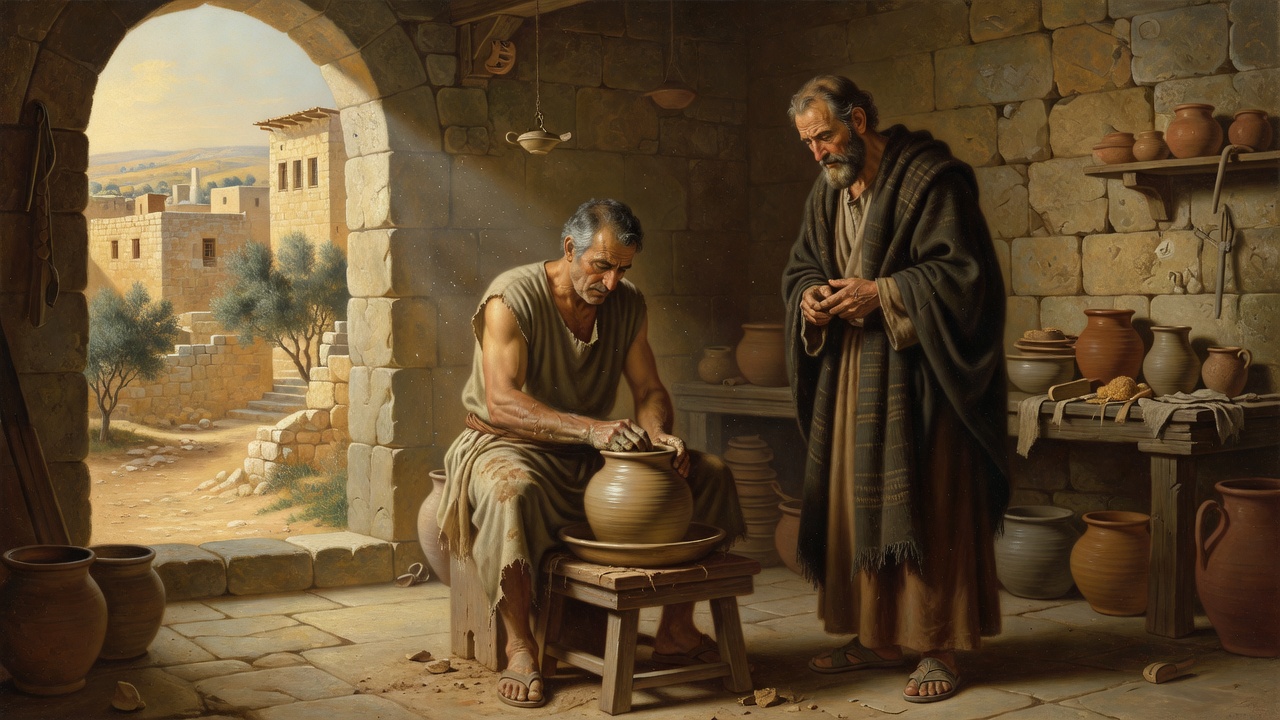
O Oleiro e o Barro
- Na casa do oleiro, Jeremias observa um artesão remodelar na roda um vaso estragado para transformá-lo em outro recipiente. A passagem usa essa imagem para ilustrar a autoridade divina e o julgamento condicional: se uma nação advertida se arrepende do mal, o desastre é evitado, mas se pratica o mal, a bênção pretendida é retida.Fontes: o próprio texto bíblico
- A profecia contrasta o abandono de Deus por parte de Israel com a constância da natureza, questionando se a neve do Líbano algum dia desaparece de suas encostas rochosas. A cordilheira do Líbano, cujo nome significa branco, destacava-se por seus cumes elevados e suas fontes de águas frescas.Fontes: Lebanon · o próprio texto bíblico
- A conspiração contra Jeremias foi motivada por opositores que presumiam segurança religiosa, afirmando que a instrução jamais faltaria ao sacerdote, o conselho ao sábio ou a palavra ao profeta. A mensagem de ruína proclamada por Jeremias desafiava diretamente essa confiança institucional.Fontes: Jeremiah · o próprio texto bíblico
Notas escritas com auxílio de IA a partir de fontes abertas (Theographic Bible Metadata, CC BY-SA 4.0; Easton’s Bible Dictionary, domínio público) e revisadas antes de publicar.
Lugares deste capítulo
- Jerusalem · 31.777, 35.234 · versículo 11
- Lebanon · 33.540, 35.584 · versículo 14
- Mount Hermon · 33.400, 35.850 · versículo 14
Só aparecem lugares com identificação de alta confiança (90% ou mais segundo as fontes acadêmicas reunidas pelo OpenBible). Mapa da época: DARE (Digital Atlas of the Roman Empire), CC BY 4.0; mapa atual: © colaboradores do OpenStreetMap; lugares: OpenBible.info (CC BY 4.0).
Créditos e licença desta tradução
ጌሻ ማጻፋ
The Holy Bible in the Dawro language of Ethiopia
copyright © 2011 Wycliffe Bible Translators, Inc.
Language: Dawro
Translation by: Wycliffe Bible Translators, Inc.
Contributor: The Word for the World International
Copyright Information
© 2011, Wycliffe Bible Translators, Inc. All rights reserved.
This translation text is made available to you under the
terms of the Creative Commons License: Attribution-Noncommercial-No Derivative Works.
( http://creativecommons.org/licenses/by-nc-nd/3.0/ )
In addition, you have permission to port the text to different file formats, as long as you
do not change any of the text or punctuation of the Bible.
You may share, copy, distribute, transmit, and extract portions
or quotations from this work, provided that you include the above copyright
information:
You must give Attribution to the work.
You do not sell this work for a profit.
You do not make any derivative works that change any of the actual words or punctuation of the Scriptures.
Permissions beyond the scope of this license may be
available if you contact
us with your request.
The New Testament
in Dawro
© 2011-2024, Wycliffe Bible Translators, Inc. and The Word for the World International
This translation is made available to you under the terms of the
Creative Commons Attribution Share-Alike license 4.0.
You have permission to share and redistribute this Bible translation in any format and to make reasonable revisions and adaptations of this translation, provided that:
You include the above copyright and source information.
If you make any changes to the text, you must indicate that you did so in a way that makes it clear that the original licensor is not necessarily endorsing your changes.
If you redistribute this text, you must distribute your contributions under the same license as the original.
Pictures included with Scriptures and other documents on this site are licensed just for use with those Scriptures and documents.
For other uses, please contact the respective copyright owners.
Note that in addition to the rules above, revising and adapting God's Word involves a great responsibility to be true to God's Word. See Revelation 22:18-19.
2025-05-01
Fonte: http://ebible.org/dwrENT/ · eBible.org