Atos 3
ጌሻ ማጻፋ · Toque num versículo para ver as referências cruzadas.
እት ዎባ ብታኒ ፓጼዳ
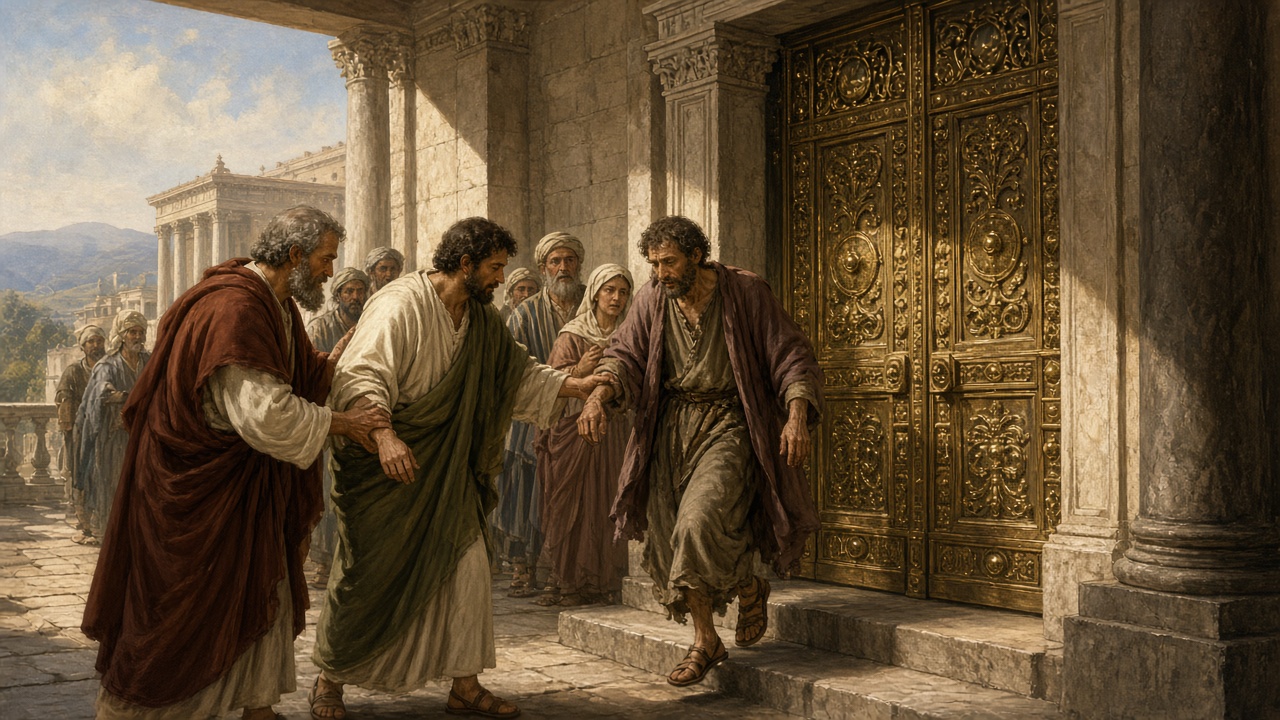
1እት ጋላስ፥ ጰጽሮስነ ዮሃንስ ጾሳ ዎሳናዉ ኡዱፑ ሳትያን ጌሻ ጎልያ ቤድኖ። 2የለቶደፐ ዶሚደ፥ ጉንዳ ግዲደ ደእያ እት ብታኒ ጌሻ ጎልያ ገልያ አሳፐ ሚሻ ዎሳናዉ፥ ኡባ ጋላስ ዳሪ ሎአ ግያ ጌሻ ጎልያ ፐንግያን አሳይ አፊደ ዎያዌ ደኤ። 3ሄ ዎባ ብታኒ፥ ጰጽሮስነ ዮሃንስ ጌሻ ጎልያ ገላና ሀንሽን በኢደ፥ ሚሻ ኡንቱንታ ዎሴዳ።
4ጰጽሮስ ዮሃንሳና አ ጫድ ጼሊደ፥ “ኑኮ ሃ ጼላ” ያጌዳ። 5ዎባ ብታኒ ኡንቱንቱፐ እትባ አካናዉ ኮዪደ፥ ኡንቱንቱኮ ጼሌዳ። 6ሽን ጰጽሮስ አ፥ “ታዉ ሚሻይ ባዋ፤ ሽን ታዉ ደእያባ ታን ነዉ እማና፤ ናዝሬትያ የሱስ ክርስቶሳ ሱንን ደንዳደ ሀመታ” ያጌዳ።
7ያቲደ፥ ዎባ ብታንያ ባረ ኡሸቻ ኩሽያን ኦይቂደ፥ ፑደ ደንዳ፤ ኤለካ አ ገዲነ ሜሽ መቀይ ምን አጌዳ። 8ብታኒ ፑደ ጉፒደ፥ ደንድ ኤቄዳ፤ ያነ ሃነ ሀመታ ዶሜዳ። ሄዋፐ ጉይያን ሀመቲደ፥ ጉፒድነ ጾሳ ጋላቲደ፥ ኡንቱንቱና እትፐ ጌሻ ጎልያ ገሌዳ።
9እ ሀመትሺናነ ጾሳ ጋላትሽን፥ አሳይ ኡባይ አ በኤዳ። 10ያቲደ፥ ሚሻ ዎሳናዉ ዳሪ ሎአ ግያ ጌሻ ጎልያ ፐንግያን ኡቴዳዌ አ ግዴዳዋ አኬኬድኖ፤ እ ሀኔዳዋ በኢደ ማላለቴድኖ።
ጰጽሮስ ጌሻ ጎልያን ሃሳዬዳ ሃሳያ
11ብታኒ ጰጽሮሳነ ዮሃንሳ ኦይቂ ኡቴዳ ዎደ፥ አሳይ ኡባይ ማላለቲደ፥ ሶሎሞነ ባራንዳ ግያ ሳን እትፐ ኡንቱንቱኮ ዎጼድኖ። 12ጰጽሮስ አሳ በኤዳ ዎደ ኡንቱንቶ ያጌዳ፤ “እስራኤልያ አሳቶ፥ አያዉ ሀዎ ማላለቲቴ? ዎይ አያዉ ኑና ጫድ ጼሊቴ? ኑን ኑ ዎልቃን ዎይ ጾሳ ማላትያዋን ሀ ብታንያ ሀመዳዋ ህንተንቶ ማላቲ? 13አብራሃሞ ጾሳይ፥ ይሳቃ ጾሳይ፥ ያቆባ ጾሳይ፥ ኑ አዎቱዋ ጾሳይ፥ ህንተንቱ አ እሜዳዋ ጵላጾስ ብላናዉ ቆፕ ኡቴዳ ዎደ፥ ህንተንቱ አ ስንን፥ ‘ኑን አ ኤሮኮ’ ጌዳ ባረ ናኣ የሱሳ ቦንቼዳ። 14ሽን ህንተንቱ ጌሻነ ጽሉዋ፥ ‘ኑን አ ኤሮኮ’ ጊደ፥ ሸምፑዋ ዎዳዋ አ ድራ ህንተንቶ ብላናዉ ጵላጾሳ ዎሴድታ። 15ደኡዋ እምያዋ ህንተንቱ ዎድታ፤ ሽን ጾሳይ ሀይቁዋፐ አ ደንዳዎ ኑን ማርካ። 16ሀ ዎባ ብታንያ የሱሳ ሱን ዎልቃይ ምንሴዳ፤ ህንተንቱ በእያዌነ ኤርያዌካ እ አ ሱንን አማንያዋን ኦሰቴዳ፤ ሀ ህንተንቱ ኡባ ስንን አ ሀዋዳን ሎይዳዌ፥ የሱሳ እ አማንያዋ።
17“ሀእካ ታናዳን አማንያዋንቶ፥ ህንተንቱካ ህንተንታ ካልያዋንቱዳን፥ ኤረናን ኦዳዋ ታን ኤራይ። 18ሽን ጾሳይ በን፥ ናባቱዋ ኡባቱዋ ዶናን፥ ‘ክርስቶስ ዋየታና በሴ’ ያጊደ ኦዴዳ፤ ባረ ኦዴዳዋካ ሄዋዳን ፖሌዳ። 19ስም ጾሳይ ህንተንቱ ናጋራ ማራናዳን፥ ጎዳ ማታፐ አያና ምኖተ ዎዲ ህንተንቶ ያናዳንነ ጾሳይ የሱስ ክርስቶሳ ካሰ ህንተንቶ ኦደቶዋዳን የዳናዳን፥ ህንተንቱ ናጋራ ፓጺደ ጾሳኮ ስምተ። 21ጾሳይ ጌሻ ግዴዳ ባረ ናባቱዋ ዶናን በንፐ ዶሚደ ሃሳዬዳዋዳን፥ ኡባባይ ኦራጽያ ዎዲ ጋካናዉ፥ የሱስ ሳሉዋን ጋምአናዉ በሴ። 22ሙሴ፥ ‘ጎዳይ ጾሳይ፥ ህንተንቱ ዛርያ ግዶፐ ህንተንቶ ታናዳን ናብያ ደንና፤ ህንተንቱ እ ግያዋ ኡባ ስስተ። 23ሄ ናቢ ኦድያዋ ስሰና አሳይ ኦንነ አሳ ግዶፐ ሻከት ዮ’ ያጌዳ።
24“ቃይ ሳሜላፐ ዶሚደ፥ አፐ ካላ ደንዴዳ ናባቱ ኡባቱ፥ ሀ ዎድያባ ኦዴድኖ። 25ህንተንቱ ናባቱዋ ናና፤ ቃይ ጾሳይ አብራሃሞ፥ ‘ሳኣን ደእያ አሳ ኡባ ታን ነ ዘረ ባጋና አንጃና’ ያጊደ ኑ አዎቱዋና ጫቄዳ ጫቁዋ ላትያ ናና። 26ጾሳይ ህንተንታ ኡባቱዋ ህንተንቱ ኢታ ኦሱዋፐ ዛሪደ አንጃና ማላ፥ ባረ ቆማ ደንደ፥ ህንተንቶ ኮይሮ የዴዳ” ያጌዳ።
Você sabia?
Cura e pregação no templo
- A porta do templo chamada Formosa, onde um homem coxo de nascença era colocado todos os dias para mendigar, é nomeada neste capítulo. Supõe-se que fosse a porta que ia do pátio dos gentios ao pátio das mulheres; era maciça e coberta com placas de latão coríntio.Fontes: Beautiful Gate · o próprio texto bíblico
- Depois da cura, a multidão admirada correu até Pedro e João no passeio chamado Pórtico de Salomão. Era uma colunata, ou claustro, provavelmente no lado oriental do templo; não é mencionada em conexão com o primeiro templo, mas Josefo menciona um pórtico com esse nome no templo de Herodes.Fontes: Solomon's Portico · o próprio texto bíblico
- No discurso ali, Pedro disse que o povo entregara Jesus e o rejeitara diante de Pilatos, embora Pilatos houvesse decidido soltá-lo. Um verbete de dicionário identifica Pôncio Pilatos como o sexto procurador romano da Judeia, de 26 a 36 d.C., com sede em Cesareia, embora subisse com frequência a Jerusalém; seu nome ganha destaque especial em conexão com o julgamento de Jesus.Fontes: Pontius Pilate · o próprio texto bíblico
Notas escritas com auxílio de IA a partir de fontes abertas (Theographic Bible Metadata, CC BY-SA 4.0; Easton’s Bible Dictionary, domínio público) e revisadas antes de publicar.
Lugares deste capítulo
- Beautiful Gate · Hoje: in Jerusalem · 31.777, 35.234 · versículos 2, 10
- Nazareth · 32.702, 35.298 · versículo 6
- Solomon’s Portico · Hoje: in Jerusalem · 31.777, 35.234 · versículo 11
Só aparecem lugares com identificação de alta confiança (90% ou mais segundo as fontes acadêmicas reunidas pelo OpenBible). Mapa da época: DARE (Digital Atlas of the Roman Empire), CC BY 4.0; mapa atual: © colaboradores do OpenStreetMap; lugares: OpenBible.info (CC BY 4.0).
Créditos e licença desta tradução
ጌሻ ማጻፋ
The Holy Bible in the Dawro language of Ethiopia
copyright © 2011 Wycliffe Bible Translators, Inc.
Language: Dawro
Translation by: Wycliffe Bible Translators, Inc.
Contributor: The Word for the World International
Copyright Information
© 2011, Wycliffe Bible Translators, Inc. All rights reserved.
This translation text is made available to you under the
terms of the Creative Commons License: Attribution-Noncommercial-No Derivative Works.
( http://creativecommons.org/licenses/by-nc-nd/3.0/ )
In addition, you have permission to port the text to different file formats, as long as you
do not change any of the text or punctuation of the Bible.
You may share, copy, distribute, transmit, and extract portions
or quotations from this work, provided that you include the above copyright
information:
You must give Attribution to the work.
You do not sell this work for a profit.
You do not make any derivative works that change any of the actual words or punctuation of the Scriptures.
Permissions beyond the scope of this license may be
available if you contact
us with your request.
The New Testament
in Dawro
© 2011-2024, Wycliffe Bible Translators, Inc. and The Word for the World International
This translation is made available to you under the terms of the
Creative Commons Attribution Share-Alike license 4.0.
You have permission to share and redistribute this Bible translation in any format and to make reasonable revisions and adaptations of this translation, provided that:
You include the above copyright and source information.
If you make any changes to the text, you must indicate that you did so in a way that makes it clear that the original licensor is not necessarily endorsing your changes.
If you redistribute this text, you must distribute your contributions under the same license as the original.
Pictures included with Scriptures and other documents on this site are licensed just for use with those Scriptures and documents.
For other uses, please contact the respective copyright owners.
Note that in addition to the rules above, revising and adapting God's Word involves a great responsibility to be true to God's Word. See Revelation 22:18-19.
2025-05-01
Fonte: http://ebible.org/dwrENT/ · eBible.org