2 Coríntios 8
ጌሻ ማጻፋ · Toque num versículo para ver as referências cruzadas.
ጾሳ አሳቱዋ ኬካተ እሞታ
1ኑዋዳን ጾሳ አሳቶ፥ ጾሳ አ ኬካተይ ማቅዶንያ አማንያዋንቱ ግዶን ኦዳዋ ህንተና ኤርሳናዉ ኮዬቶ። 2ኡንቱንቱ አዳ ዋይያን ዎልቃማ ፓጭያ ፓጨቴድኖ፤ ሽን ኡንቱንቱ ህዬሳ ግዶፐካ፥ ባረንቱ እምያዋን ዳሮ ኬክኖነ ቃይ ዎልቃማ ናሸቻ ናሸቲኖ። 3አያዉ ጎፐ፥ ኡንቱንቱ ባረንቱ ዎልቃ ኬና ቃይ ሀራይ አቶ ባረንቱ ዎልቃፐካ ዳርያዋ ዶሲደ እሜዳዎ ታን ማርካ። 4ኡንቱንቱ ጾሳ አሳቱዋ ማድያ ሎኦ ኦሱዋ ኑናና ኦናዉ ኑና ዳሮ ዎሴድኖ። 5ኡንቱንቱ ኑን ቆፔዳዋፐ አደ ኦድኖ፤ ካሰቲደ ኡንቱንቱ ባረንቱ ሁጲያ ጎዳዉ እሜዳዋፐ ጉይያን፥ ጾሳ ሸንያዳን፥ ኑዉካ ባረንቱ ሁጲያ እሜድኖ።
6ሄዋ ድራዉ፥ ኑን ሀ ሎኦ ኦሱዋ ዶሜዳ ቲቶ ጉጅ ኦናዳንነ ህንተና ማዲደ፥ ሄ ኦሱዋ ፖልሳናዳን አ ዎሴዶ። 7ሽን ህንተ ኡባባን፥ አማኑዋን፥ ሃሳያን፥ ኤራተን፥ ዎልቃማ ሎኦ አሙዋን፥ ኑና ሲቅያዋንካ ዱረቴዳዋዳን፥ ሀ ሎኦ ኦሱዋንካ ህንተንቱ ኬካ ግዳናዋ ኑን ኮዬቶ።
8ታን ሄዋ አዛዛናዉ ጊከ፤ ሽን ሀራቱዋ ዎልቃማ ሎኦ አሙዋ ባጋና ህንተ ሲቁ አይ ኬና ቱመንቶ ኤራናዉ ጋይ። 9አያዉ ጎፐ፥ ህንተ ኑ ጎዳ የሱስ ክርስቶሳ አ ኬካተ ኤሪታ፤ ክርስቶስ ዱረ ግድ ደኢደ፥ ህንተ አ ህዬሳተን ዱረታናዳን፥ ህንተ ድራዉ ህዬሴዳ።
10ታን ሀ የዉዋ ህንተና ዞርያዌ ሀዋ፤ ዝላይ ህንተ ዶሜዳዋ ሀእ ዉርስያዌ ህንተንቶ ሎአ፤ ህንተ ኦሶ ጻላላዉ ግደናን፥ ኦና ቆፋዉካ ካሰቴዳዋንታ። 11ህንተ ኦናዉ ሎይ አሞቴዳዌ ኦደ ፖሌዳዋና ጊጋ ግዳና ማላ፥ ህንተንቶ ዳንዳየቴዳዋዳንካ ኦሱዋ ፖልተ። 12አያዉ ጎፐ፥ እት ኡራይ እማናዉ ሎይ ኮዮፐ፥ እ ባረዉ ደኤዳ ኬና እማናፐ አትን፥ አዉ ባይናዋ አፐ አከና።
13አያዉ ጎፐ፥ ታን ሀራንቱ ዋይያፐ ሸምፕና፥ ህንተ ዋየትተ ጊከ፤ ህንተ ኡባይካ ቃራ ደአናዳናፐ አትን። 14ኡንቱንቱ ፓላሀይ ህንተ ፓጫ ኩንና ማላ፥ ህንተንቶ ሀ ዎድያን ደእያ ፓላሀይ ኡንቱንቱ ፓጫ ኩንና ኮሼ፤ ላኡካ ሄዋን ቃራን ጎኤቲኖ። 15ጾሳ ማጻፋን፥ “ዳርሲደ ሺሼዳዎ ፓላህቤና፤ ቃይ ጉ ሺሼዳዎካ ፓጭቤና” ጌተቲደ ጻፈቴዳ።
ቲታነ አ ላገ
16ሽን ኑን ህንተንቶ ቆፕያዋ ማላ፥ ዎልቃማ ቆፋ ቲታ ቆፍሴዳ ጾሳ ጋላታይ ጋኮ። 17ቲቶ ህንተኮ ባናዉ ባረ ቆፋ ቃቼዳዌ፥ ባረ ሁጲያን ህንተና ማዳናዉ ዳሮ አሞቴዳ ግሻፐ አትን፥ ኑ ዞርያ ጻላላ አኬዳዋና ግደና። 18ምሽራቹዋ ቃላ ኦድያ ባረ ኦሱዋን አማነትያ አማንያዋንቱ ስን ኡባን ዳሮ ቦንቼቴዳ እሻ ኑን አናና እትፐ ኪቴቶ። 19ሄዋ ቦላን ቃይ፥ ሀ ኑን ኦያ ሎኦ ኦሱዋ እ ኑናና እትፐ ኦናዉነ ጎዳ ቦንቾ ኑን ሀራቱዋ ማዳናዉ ሎይ አሞትያዋ በሳናዉ አማንያ አሳቱ አ ዶሪደ ሱንድኖ።
20ኑን ኦያ ሀ ኬካ እሞታ ድራዉ፥ ኦንነ ኑና ዝግረና ማላ ናገቴቶ። 21አያዉ ጎፐ፥ ኑን ጎዳ ስንን ሎኦባ ኦናዋ ጻላላ ግደና፤ ሽን አሳ ስንንካ ሎኦባ ኦናዉ ቆፔቶ።
22ኑን ዳሮ ገደ ፓጭ በኤዳ ኑ እሻ፥ ኡባ ዎደ ህንተና ማዳናዉ ዳሮ አሞትያዋ፥ ሀ አሳቱዋና ህንተኮ ኪቴቶ፤ ቃይ ሀእ እ ህንተና ዳሮ አማንያ ድራዉ፥ ህንተና ማዳናዉ ካሰዋፐ አደ ሎይ አሞቴ። 23ቲቶዋ ግዶፐ፥ እ ህንተና ማዳናዉ ታናና እትፐ ኦያ ታ ላግያ፤ የኮ እሻቱዋባ ግዶፐ፥ ኡንቱንቱ አማንያ አሳቱ ኪቴዳዋንታነ ኡንቱንቱ ደኡ ክርስቶሳ ቦንችስያዋ። 24ስም አማንያዋንቱ ኡባቱ ህንተ ሲቁ ቱማ ግድያዋ ኤራና ማላ፥ ቃይ ኑን ህንተዋ ሳቢያዌ ልከ ግድያዋ ኤራና ማላ፥ ህንተ ሲቁዋ ኡንቱንታ በስተ።
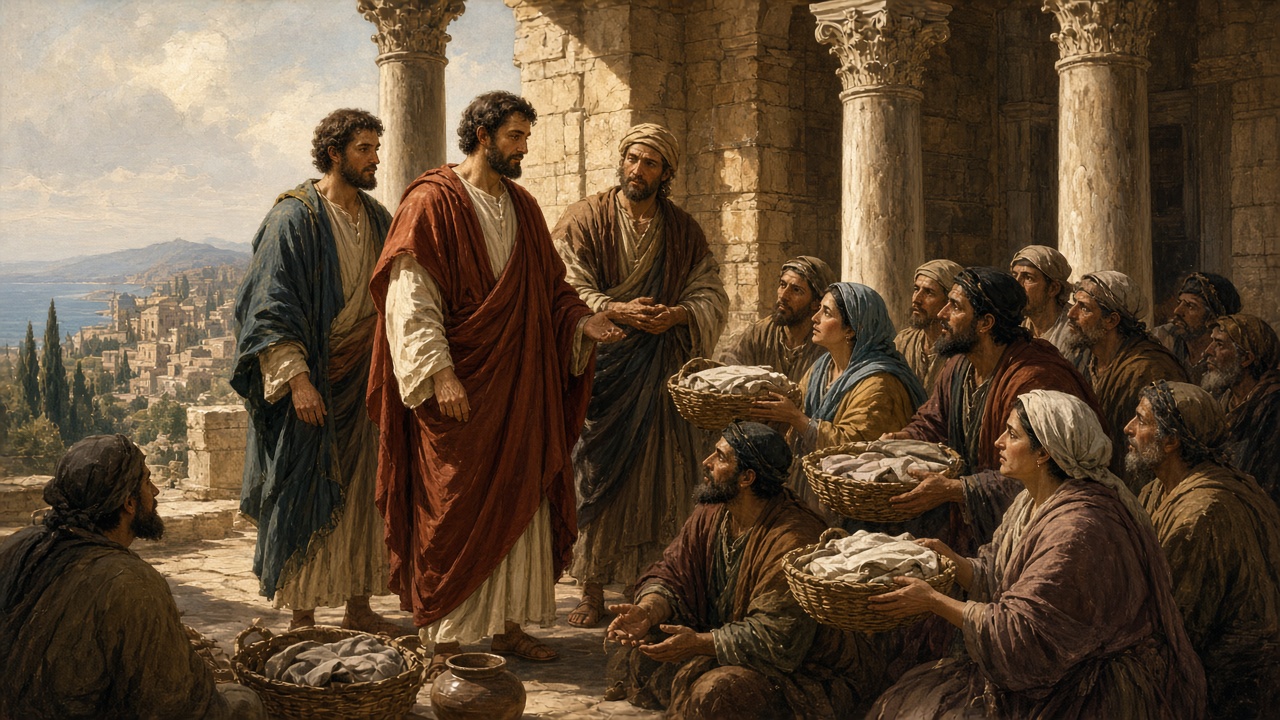
Você sabia?
Generosidade e a coleta para Jerusalém
- Nos tempos do Novo Testamento, a Macedônia era uma província romana ao norte da Grécia. Paulo foi chamado pela visão de um homem da Macedônia para pregar o evangelho ali, e este capítulo conta aos coríntios como aquelas igrejas, numa terrível provação e em profunda pobreza, deram com alegria e até além do que podiam.Fontes: Macedonia · o próprio texto bíblico
- Tito, cujo nome não aparece em Atos, parece ter sido um gentio dedicado sobretudo a ministrar aos gentios. De Éfeso, Paulo o enviou a Corinto para encaminhar as contribuições da igreja em favor dos santos pobres de Jerusalém; neste capítulo, Paulo o exorta a concluir essa obra, e Tito vem com entusiasmo, por iniciativa própria.Fontes: Titus · o próprio texto bíblico
- Junto com Tito, Paulo envia um irmão elogiado por todas as igrejas por seu trabalho no evangelho e escolhido por elas para acompanhar a oferta, e outro irmão cujo empenho já foi provado muitas vezes e de muitos modos. Ele explica que esse cuidado visa evitar críticas à maneira de administrar o generoso donativo, para que façam o que é certo não só aos olhos do Senhor, mas também aos olhos das outras pessoas.Fontes: o próprio texto bíblico
Notas escritas com auxílio de IA a partir de fontes abertas (Theographic Bible Metadata, CC BY-SA 4.0; Easton’s Bible Dictionary, domínio público) e revisadas antes de publicar.
Lugares deste capítulo
Só aparecem lugares com identificação de alta confiança (90% ou mais segundo as fontes acadêmicas reunidas pelo OpenBible). Mapa da época: DARE (Digital Atlas of the Roman Empire), CC BY 4.0; mapa atual: © colaboradores do OpenStreetMap; lugares: OpenBible.info (CC BY 4.0).
Créditos e licença desta tradução
ጌሻ ማጻፋ
The Holy Bible in the Dawro language of Ethiopia
copyright © 2011 Wycliffe Bible Translators, Inc.
Language: Dawro
Translation by: Wycliffe Bible Translators, Inc.
Contributor: The Word for the World International
Copyright Information
© 2011, Wycliffe Bible Translators, Inc. All rights reserved.
This translation text is made available to you under the
terms of the Creative Commons License: Attribution-Noncommercial-No Derivative Works.
( http://creativecommons.org/licenses/by-nc-nd/3.0/ )
In addition, you have permission to port the text to different file formats, as long as you
do not change any of the text or punctuation of the Bible.
You may share, copy, distribute, transmit, and extract portions
or quotations from this work, provided that you include the above copyright
information:
You must give Attribution to the work.
You do not sell this work for a profit.
You do not make any derivative works that change any of the actual words or punctuation of the Scriptures.
Permissions beyond the scope of this license may be
available if you contact
us with your request.
The New Testament
in Dawro
© 2011-2024, Wycliffe Bible Translators, Inc. and The Word for the World International
This translation is made available to you under the terms of the
Creative Commons Attribution Share-Alike license 4.0.
You have permission to share and redistribute this Bible translation in any format and to make reasonable revisions and adaptations of this translation, provided that:
You include the above copyright and source information.
If you make any changes to the text, you must indicate that you did so in a way that makes it clear that the original licensor is not necessarily endorsing your changes.
If you redistribute this text, you must distribute your contributions under the same license as the original.
Pictures included with Scriptures and other documents on this site are licensed just for use with those Scriptures and documents.
For other uses, please contact the respective copyright owners.
Note that in addition to the rules above, revising and adapting God's Word involves a great responsibility to be true to God's Word. See Revelation 22:18-19.
2025-05-01
Fonte: http://ebible.org/dwrENT/ · eBible.org