Lucas 7
Lëk yam · Toque num versículo para ver as referências cruzadas.
Jethu acï raan lui pan bɛ̈ny apuruuk kony
1Tɛ̈wën cï Jethu kënë wïc bï lɛ̈k kɔc thöl, ke la Kapernaum.
2Ee gen kënë raan lui pan bɛ̈ny apuruuk ë tuany, ka tiit piny. Ku bɛ̈ny ë nhiar raanden luɔi apɛi. 3Nawën piŋ Jethu, ke toc kɔcdït Itharel bïk Jethu la thiëëc bï bɛ̈n bä aluɔnyde bɛ̈n kony. 4Gokë la tënë Jethu ku läŋkë ku luelkë ëlä, “Apath ba bɛ̈ny apuruuk kënë kony. 5Anhiar kackua, ku ë yen buth tɛ̈dan ye ɣok mat thïn.”
6Go Jethu la ke ke. Ku kaam wën bï yen baai dööt, ke bɛ̈ny apuruuk toc mäthke bïk la lɛ̈k ye ëlä, “Bɛ̈ny, duk rot näk cäth rin ɣɛn acie raan path nadë ke yï bɔ̈ atiɛ̈mdiɛ̈ yic. 7Ku ɣɛn akëc la tënë yï rin ŋic ɣɛn ye lɔn ye ɣɛn raan rac. Luel wɛ̈t ë path ku aluɔnydiɛ̈ abï pial. 8Rin ɣɛn aya, ɣɛn arɛ̈ɛ̈r bänydït cök, ku ɣɛn ala apuruuk rɛ̈ɛ̈r ɣacök. Aya lɛ̈k ŋɛk, ‘Lɔɔr!’ Ka la, ku lɛ̈k ŋɛk, ‘Bäär tɛ̈n,’ Ka bɔ̈, ku aya lɛ̈k aluɔnydiɛ̈, ‘Loi kënë!’ Ka looi.”
9Go Jethu gäi wën piŋ yen wëlkä, ku wël yenhom thän awën buɔth ye ku lueel, “Acïn raan ca kaŋ yök kam kɔc Itharel la gam cït gam ë mony kënë.” 10Nawën dhuk kɔc awën cï tooc baai, ke yök alony bɛ̈ny ke cï pial.
Wën lëër gen Nain cï thou acï pïïr
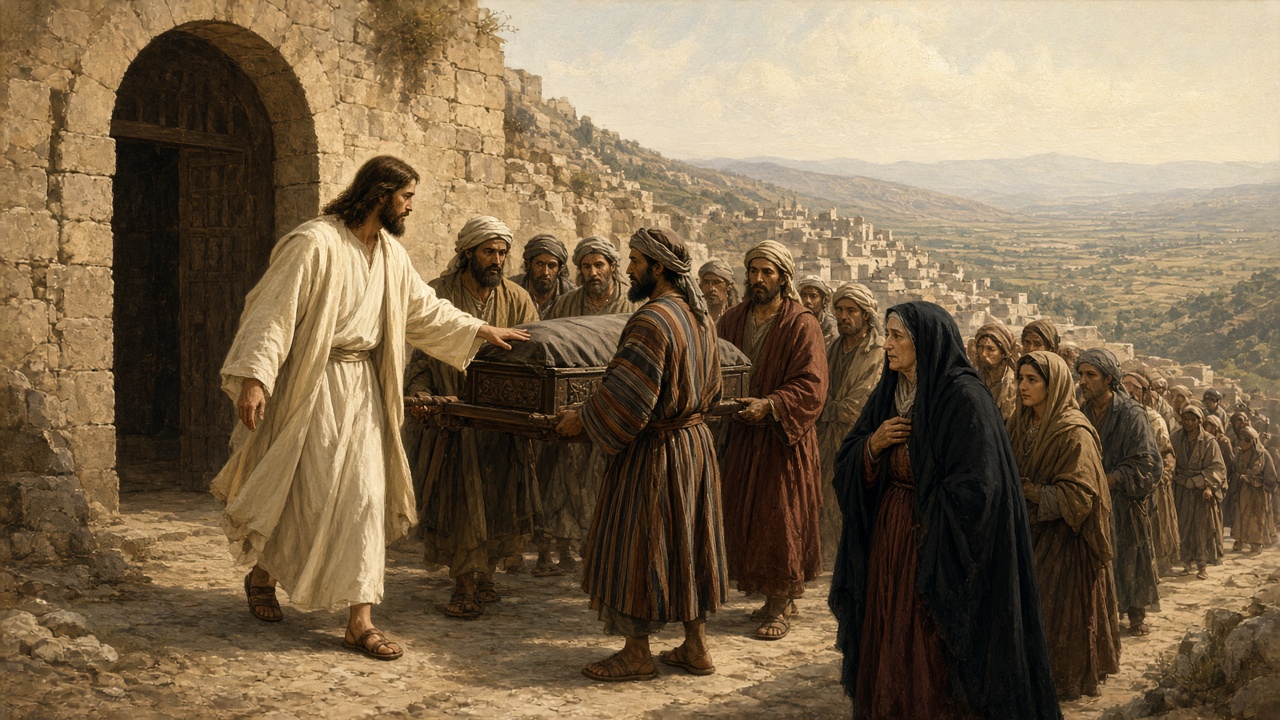
11Nawën ke Jethu la gen Nain, ku ë cath kek kɔcken ye buɔɔth ku kɔc juëc kɔ̈k. 12Nawën dötkë gɛu ke räm kek kɔc ket raan cï thou. Ku raan cï thou ë ye wän töŋ. Ku kɔc juëc aake cath kek tiŋ lëër kënë. 13Nawën tïŋ Jethu tiŋ kënë, ke ŋɛɛr yic ku lëk ye ëlä, “Duk dhiau.” 14Ku lëk kɔc bïk kɔ̈ɔ̈c ku gɔɔt biöŋ awën cï raan kuɔ̈m piny, ku lueel, “Riënythii, jɔt rot.” 15Go riënythii awën cï thou rot jɔt ku jiɛɛm ku cɔl Jethu ajiël kek man.
16Go raan ëbën riɔ̈ɔ̈c ku leckë Nhialic ku luelkë, “Raan käk Nhialic tïŋ ril apɛi acï tuɔ̈l ë kamkua. Ku Nhialic acï bɛ̈n bï kacke bɛ̈n luɔ̈k.”
17Ku jɔl kë cï Jethu looi piŋ raan ëbën pan Judia, ku wuɔ̈t kɔ̈k thiääk ke ye.
Joon acï kacke tuɔ̈c Jethu
18Go kɔc Joon buɔɔth käkkith ye lueel rin Jethu lɛ̈k Joon. Go kɔc karou kamken tuɔɔc tënë Jethu bïk la thiëëc ëlä, 19“Ye yïn raan bï bɛ̈n aye raan dɛ̈t yen buk tiit?”
20Nawën ɣëëtkë tënë Jethu ke luelkë, “Joon raan kɔc muɔɔc nhïïm acï ɣo tooc buk yï bɛ̈n thiëëc, ee yïn raan bï bɛ̈n aye raan dɛ̈t yen buk tiit?”
21Ku kaam awën thiëc kek, Jethu ë kony kɔc juëc tuany apɛi, ku kɔc cï jakrɛc dɔm. Ku kɔc cï cɔɔr. 22Go wɛ̈tden bɛ̈ɛ̈r ku lueel, “Lak ku lɛ̈kkë Joon käk cäk tïŋ ku käk cäk piŋ, cɔɔr acï bɛn daai ëmën, ku aduany acï ya cath ku kɔc cï tuet acï tuet jal kegup, ku miŋ acï ya piŋ, ku kɔc cï thou aacï röt jɔt. Ku Wɛ̈t Puɔth Yam alëk kɔc ŋɔ̈ŋ nyïn. 23Ku raan mit guɔ̈p ë raan cie puɔ̈u ë rou wɛ̈tdiɛ̈ yic.”
24Nawën cï kɔc Joon jäl, ke Jethu jam ku tët kɔc Joon, “Ye raan yïndë yen cï wek la ror cïï ceŋ bäk la tïŋ? Ye raan puɔl yic ye wel nhom ë path cïmën ye yom aruɔ̈ɔ̈r wel nhom? 25Ye raan yïndë yen cäk la tïŋ? Ye raan ceŋ alɛ̈th path apɛi? Kɔc ciëŋ alɛ̈th dhëŋ ku yekë mïïth path cam akölaköl aa kɔc pan bɛ̈nydït. 26Lɛ̈kkë ɣa, yeŋö cäk la tïŋ? Ye raan käk Nhialic tïŋ. Ee yic. Ku alɛ̈k we, yeen adït tënë raan käk Nhialic tïŋ. 27Rin Joon yen aye athör thɛɛr wël Nhialic jam riɛnke ëlä,
‘Ɣɛn abï raan tök kam kɔc käkkiɛ̈ luɛɛl,
cɔl alëk kɔc bï dhël la guiir tënë yïïn.’ ”
28Ku ben Jethu lɛ̈k ke ëlä, “Acïn raan kuat kɔc cï dhiëëth pinynhom dït tënë Joon. Ku yeen aŋot wɛ̈r raan koor tɔ̈ bääny Nhialic yic.”
29Kuat kɔc cï wɛ̈tde piŋ, agut kɔc ajuër kut aacï këpuɔth looi Nhialic ŋic, ku cɔlkë röt aa muɔɔc Joon nhïïm. 30Ku kɔc akut Parathï ku kɔc piööc lööŋ Mothith, aacïï jai kë wïc Nhialic bï guiir tënë ke, rin cï kek kuec bï Joon ke cïï muɔɔc nhïïm.
31Ku ben Jethu thiëc, “Yeŋö ba thɔ̈ŋ kek riëëc akölë? Thɔ̈ŋkë kek ŋö? 32Keek aa cït mïth cï kenhïïm mat laar yic leŋ kegup, ye lueel ëlä,
‘Ɣok aacï waak pɛth ye keek ket tɛ̈ looi ruääi ket,
ku wek aa këc dier!
Ɣok aacï käk ye looi thuɔɔu yic thɔ̈ɔ̈ŋ,
ku wek aakëc dhiau!’
33“Rin Joon raan kɔc muɔɔc nhïïm ëcie bɛ̈ɛ̈i kuany yiic ke mïth ku dëk ë mɔ̈u, ku ayakë lueel, ‘Lɔn le yen guɔ̈p jɔŋrac!’ 34Ku Manh Raan acï bɛ̈n ku ye mïth kek kɔc ku dëk ke ke, ku ayakë lueel, ‘Jethu akok, ku a dɛk määu. Ku amääth kek kɔc ajuër kut ku kɔc la gup adumuɔ̈ɔ̈m!’ 35Ku luɔi puɔth Nhialic ë rot nyuɔɔth käk ye kɔc ke buɔɔth yiic looi.”
Tiŋ rac cï jäl piath
36Naɣɔn akäl tök ke raan tök kɔc akut Parathï cɔl Jethu bïk la mïth. Go Jethu la pan raan akut Parathï ku nyuuc bï mïth. 37Nawën piŋ tiŋ adëjöök, ŋic gɛu yic ëbën, lɔn cï raan akut parathï Jethu caal paande, ke bɔ̈ kek töny koor cï cuëëc tiɔm ril apɛi, la yic miök ŋïr ye ɣɔɔc wëëu juëc apɛi. 38Ku le ɣöt, ku nyuuc Jethu lɔ̈ɔ̈m, ku dhiɛɛu ke cie nhom guɔ̈t Jethu cök. Go pïu awën dhiɛɛu yen Jethu luak cök. Goke weec nhïmken nhom. Ku ciim cök ku tɔc cök miök ŋïr awën muk. 39Nawën tïŋ raan akut Parathï wën cï Jethu gɔɔŋ ë kënë, ke jam yetök ëlä, “Na mony kënë ye raan käk Nhialic tïŋ, ŋuɔ̈t acï tïŋ ye gɔɔt ŋic, ye tiŋ yïndë, rin adëjöök.”
40Go Jethu wɛ̈t Thaimon guɔ ŋic ku lueel tënë ye, “Thaimon! Ala kë wiëc ba lɛ̈k yï. Päl yïyïc piny.” Go bɛ̈ɛ̈r, “Ye kënë ŋö, Raan ë piööc?”
41Go Jethu lɛ̈k anyïköl kënë, “Monytui ë kɔ̈ny kɔc karou. Raan tök kek wëëu ye dɔ̈m raan ruɔ̈ɔ̈n tök, ku raan dɛ̈t kek wëëu ë pɛn tök. 42Ku akëckë lëu kedhie bïk wëëu cool. Go wëëu puɔ̈l, ku cïï ke ben kɔ̈ɔ̈ny. Na ye yï, yeŋa kamken bï mony kënë nhiaar apɛi?” 43Go Thaimon bɛ̈ɛ̈r, “Aya tak ë raan cï wëëu juëc päl piny tënë ye.” Go Jethu bɛ̈ɛ̈r, “Këdu ë yic!”
44Ku wël yenhom tik ku lëk Thaimon, “Ca kë looi ë tiŋ tënë ɣa tïŋ? Ɣɛn acï bɛ̈n paandu ku yïn akëc ɣa yiëk pïu ba cök lɔɔk. Ku yen tiŋë acä lɔɔk cök pïuken nyin, ku wuuny ke nhïmken nhom. 45Yïn akëc ɣa ciim wën bï ɣɛn cït tɛ̈ ye miäth kɔc ë ciɛɛŋda yic. Ku yeen ë ɣa ciim cök ëmën ku ëmën, tɛ̈wën rëër ɣɛn ë tɛ̈n. 46Yïn akëc ɣa cak lor apath ba tɔc nhom, ku yeen acä tɔc cök miök ŋïr. 47Ku alɛ̈k yï lɔn nhiɛ̈rdït cï nyuɔɔth thïn aye nyooth aya lɔn cï adumuɔ̈ɔ̈mken juëc päl piny. Rin raan cï käklik päl piny tënë ye, ee nhiɛ̈r koor nyuɔɔth.”
48Ku lëk tik, “Adumuɔ̈ɔ̈mku aacï päl piny.” 49Go kɔc awën mïth kek ye aa jiɛɛm wei ku yekë lueel ëlä, “Yeŋa kënë jam lɔn ë yen adumuɔ̈ɔ̈m päl piny?”
50Ku ben Jethu lɛ̈k tik, “Gamdu acï kony. Lɔɔr ke dɔ̈ɔ̈r Nhialic.”
Você sabia?
Fé, compaixão e a pergunta de um profeta
- O Easton's Bible Dictionary (1897) descreve Cafarnaum como uma cidade da Galileia que não é mencionada no Antigo Testamento e que se tornou a cidade que Jesus tratava como sua depois de ser expulso de Nazaré, cenário de muitos episódios da sua vida. Neste capítulo, ele chega ali e encontra o servo muito estimado de um centurião à beira da morte; anciãos judeus rogam, dizendo que o oficial ama a nação deles e construiu a sinagoga deles.Fontes: Capernaum · o próprio texto bíblico
- O Easton's Bible Dictionary (1897) liga o nome Naim a uma palavra hebraica que significa pastos verdes ou amável, e identifica a cidade com a aldeia de Nein, na encosta noroeste do Jebel ed-Duhy, também chamado monte Moré ou Pequeno Hermom, a cerca de quatro milhas de Tabor e vinte e cinco milhas a sudoeste de Cafarnaum, acima da planície de Esdrelão. À porta da cidade, Jesus encontrou o funeral do filho único de uma viúva, e o espanto se espalhou pela multidão.Fontes: Nain · o próprio texto bíblico
- João Batista é apresentado como o precursor do Senhor e como homem de linhagem sacerdotal: seu pai, Zacarias, era sacerdote da turma de Abias, e sua mãe, Isabel, era uma das filhas de Arão. A missão dele é descrita como objeto de profecia, e neste capítulo Jesus diz às multidões que João é mais do que um profeta, o mensageiro enviado adiante para preparar o caminho, enquanto os discípulos de João perguntam se Jesus é aquele que havia de vir.Fontes: John the Baptist · o próprio texto bíblico
Notas escritas com auxílio de IA a partir de fontes abertas (Theographic Bible Metadata, CC BY-SA 4.0; Easton’s Bible Dictionary, domínio público) e revisadas antes de publicar.
Lugares deste capítulo
- Nain · Hoje: Nein · 32.631, 35.350 · versículo 11
- Judea · Hoje: Judea 1 · 31.777, 35.234 · versículo 17
Só aparecem lugares com identificação de alta confiança (90% ou mais segundo as fontes acadêmicas reunidas pelo OpenBible). Mapa da época: DARE (Digital Atlas of the Roman Empire), CC BY 4.0; mapa atual: © colaboradores do OpenStreetMap; lugares: OpenBible.info (CC BY 4.0).
Créditos e licença desta tradução
Lëk yam
New Testament in Dinka, Southwestern (SU:dik:Dinka, Southwestern)
copyright © 2006 Wycliffe Bible Translators, Inc.
Language: Dinka, Southwestern
Translation by: Wycliffe Bible Translators, Inc.
Dinka, Southwestern
dik
Sudan
Copyright Information
© 2006, Wycliffe Bible Translators, Inc. All rights reserved.
This translation text is made available to you under the
terms of the Creative Commons License: Attribution-Noncommercial-No Derivative Works.
( http://creativecommons.org/licenses/by-nc-nd/3.0/ )
In addition, you have permission to port the text to different file formats, as long as you
do not change any of the text or punctuation of the Bible.
You may share, copy, distribute, transmit, and extract portions
or quotations from this work, provided that you include the above copyright
information:
You must give Attribution to the work.
You do not sell this work for a profit.
You do not make any derivative works that change any of the actual words or punctuation of the Scriptures.
Permissions beyond the scope of this license may be
available if you contact
us with your request.
The New Testament
in Dinka, Southwestern
© 2006, Wycliffe Bible Translators, Inc. All rights reserved.
This translation is made available to you under the terms of the
Creative Commons Attribution-Noncommercial-No Derivatives license 4.0.
You may share and redistribute this Bible translation or extracts from it in any format, provided that:
You include the above copyright and source information.
You do not sell this work for a profit.
You do not change any of the words or punctuation of the Scriptures.
Pictures included with Scriptures and other documents on this site are licensed just for use with those Scriptures and documents.
For other uses, please contact the respective copyright owners.
2014-04-22
Fonte: http://ebible.org/dikNT/ · eBible.org