Lucas 16
Lëk yam · Toque num versículo para ver as referências cruzadas.
Kääŋ raan luɔi kony rot ruëëny
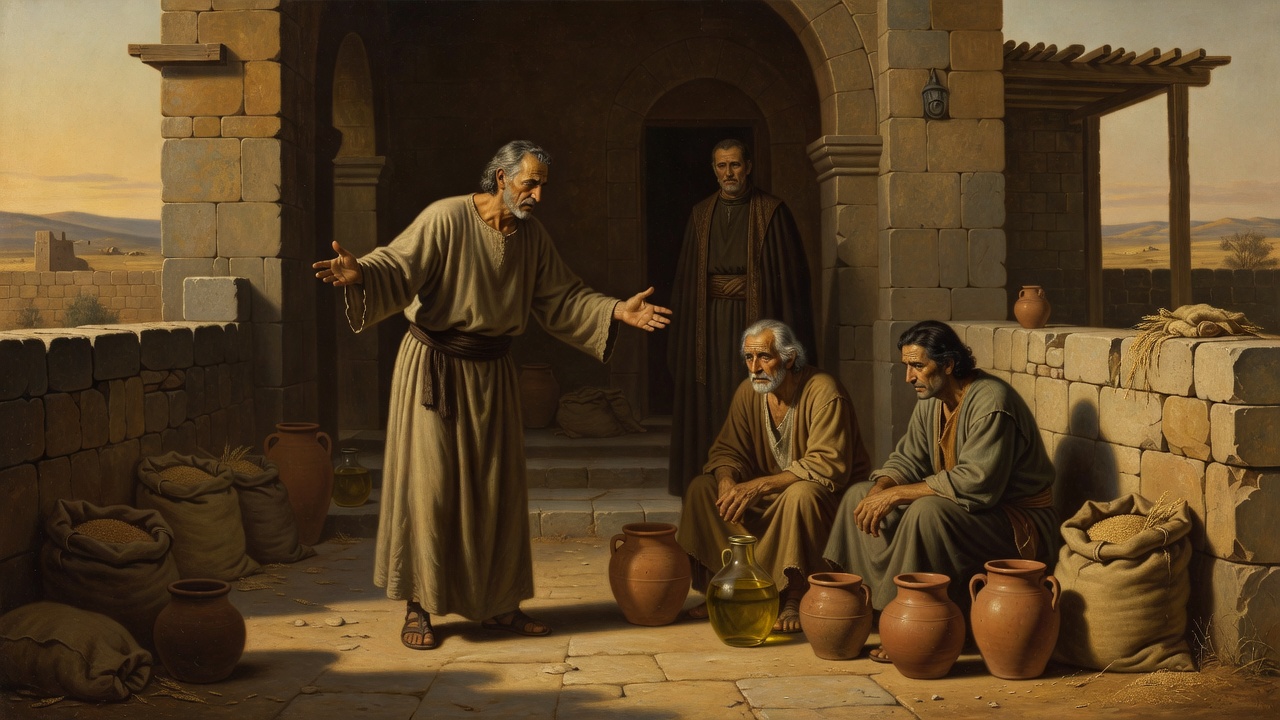
1Ku ben Jethu lueel tënë kɔcken ye buɔɔth ëlä, “Wäthɛɛr raan ajak ë tɔ̈ thïn, ku yeen ë la raan käkke guiir baai, ku raan kënë ëcï luɔm tënë ye rin cï yen wɛ̈ɛ̈uke muɔ̈r. 2Go cɔɔl ku lueel, ‘Yeŋö kë ya piŋ keye lueel ë riɛnku? Nyoth wëëu ca dɔm ku wëëu cï määr thook ëbën, rin yïn acïï bï bɛn ŋot yï lui tënë ɣa.’ 3Go mony wën lueel yepuɔ̈u ëlä, ‘Ba ŋö looi tɛ̈ cop bɛ̈ny ɣa luɔidiɛ̈ yic? Ɣɛn akuc puɔ̈r ë dom ku ɣɛn abï guɔ̈p yär tɛ̈ ye ɣɛn lim. 4Ëmën, kë ba looi aca jäl ŋic, kë bï ɣɛn cɔl ala kɔc juëc määth ke ɣa, bïk ɣa aa lor bääiken tɛ̈ cop ɣa wei luɔidiɛ̈ yic.’
5“Go kɔc la gup käny bänyde cɔɔl ku lueel tënë raan cï kaŋ bɛ̈n, ‘Käk bɛ̈ny kɔ̈ny tënë yï yekë dë?’ 6Go lueel, ‘Ɣɛn akɔ̈ny tönydït miök bian tök.’ Go raan käŋ guiir baai lɛ̈k ye, ‘Kënë acï ya akuɛ̈ndu, nyuc ku gät thiärdhiëc.’ 7Ku thiëëc raan dɛ̈t, ‘Na yïïn, kɛ̈ny tɔ̈ yïguɔ̈p ye dë?’ Go lueel, ‘Ee gäny rap tiɛm tök.’ Go lɛ̈k raan wën, ‘Gät buɔt kabɛ̈t.’
8“Go wun baai raanden la guɔ̈p awan leec wën cï yen rot kony. Rin tɛ̈ ye riëëc akölë käkken luɔɔi thïn kamken aŋuɛ̈ɛ̈n tënë mïth bääny Nhialic.” 9Go Jethu la tueŋ ku jiɛɛm, “Këya alɛ̈k we, luɔikë jiɛɛk pinynhom bï wek ke la mɛ̈th, rin na la jaakdun thök ke wek aabï lor pïr akölriëëc ëbën yic. 10Raan ŋic kälik muk apath ë käjuëc ŋiɛc muk aya, ku raan kuc kälik muk, acie käjuëc ë ŋiɛc muk. 11Na yïn acie käk ciɛɛŋ pinynhom ë tɛ̈n ŋiɛc muk, ke yï bï deet puɔ̈u këdë bï yï gäm jiɛɛk tɔ̈ pan Nhialic? 12Na yïn acie ŋɔ̈ɔ̈th puɔ̈u lɔn bï yïn kën raandä ŋiɛc muk, ke yeŋa bï gäm kë cɔk a këdu?
13“Acïn alony lëu ye bï luui tënë bäny karou, ka man raan tueŋ ku nhiɛɛr raan ye kɔc rou. Tɛ̈dë ka thek raan tueŋ ku dhɛ̈l raan dɛ̈t guɔ̈p. Acïï raan lëu bï Nhialic ku jiɛɛk nhiar kedhie.”
14Go kɔc akut Parathï, kɔc nhiar wëëu, käkkä piŋ ëbën ku dɔlkë Jethu guɔ̈p. 15Go Jethu lɛ̈k ke, “Wek aa röt nyuɔɔth kɔc nhïïm ciɛ̈t wek kɔc path ku Nhialic aŋic kë tɔ̈ wepuɔ̈th. Rin käk ye kɔc juëc yiëk kepuɔ̈th apɛi ciɛ̈t kek ril, aaye Nhialic tïŋ ke kor.
16“Wäthɛɛr agut tɛ̈wäär tul Joon, kɔc aake ye löŋ Mothith ku wël cï kɔc käk Nhialic tïŋ gɔ̈t, theek. Ku ëmën, Wɛ̈t Puɔth Yam rin bääny Nhialic alëk kɔc, ku awïc kuat raan ëbën bï rot riɛɛny thïn. 17Ee këya, apuɔl yic bï käk tɔ̈ nhial ku pinynhom riääk, tɛ̈n tɛ̈ bï wɛ̈t thiin koor tɔ̈ Löŋ yic cuat wei.
18“Raan liɔ̈i tiɛŋde ku thiɛɛk tiŋ dɛ̈t, ka cä akɔr looi. Ku mony thiak tiŋ cï muɔnyde liɔ̈ɔ̈i, ka cï akɔr looi aya.”
Raan cï jak kok miëth ku Ladhäro
19Go Jethu kääŋ bɛ̈n thɔ̈ɔ̈th ku lueel, “Raan tök ë tɔ̈ thïn ku ëcï jak apɛi, ku ë ceŋ alɛ̈th dhëŋ ku ë ye yai looi paande akölaköl. 20Ku raan laaŋ cɔl Ladhäro la guɔ̈p tɛ̈töök juëc apɛi ë tɔ̈ thïn aya. Ku ë ye nyuc ɣön raan ajak thok, 21bï lim awuthueei ë lööny piny. Ku jɔ̈k aake ye bɛ̈n aya ku nyankë tɛ̈töök yiic.
22“Nawën ke laaŋ kënë thou, go atuuc Nhialic wɛ̈ike tääu Abaram yɔu nhial pan kɔc path cï thou. Nawën ke mony ajak lök thou aya ku thiäk, 23ku tɛ̈ɛ̈u wɛ̈ike pan mac, ku rem thïn apɛi. Nawën ŋɛ̈ɛ̈r yenyin nhial ke tïŋ Abaram tɛ̈mec, ku Ladhäro ke tɔ̈ yeyɔu. 24Go dhiau ku lueel, ‘Wä Abaram liec ɣa, ku toc Ladhäro bï ciɛɛn tök luɔ̈t thok pïu yiic, ku gɔɔt ɣaliep bï liɛmdiɛ̈ liɛr, rin ɣɛn arem apɛi ë tɛ̈n!’
25“Go Abaram bɛ̈ɛ̈r, ‘Manhdiɛ̈, tak lɔn cï yïn käpath yök wäär pïïr yïn ku yök Ladhäro kärɛc. Ku yeen awac puɔ̈u ëmën ku yïn arem apɛi. 26Ku dɛ̈t aya, tɛ̈thuth mec yic apɛi atɔ̈ kamkua bï ciɛ̈n raandan la lɔŋtui, ku cïn raandun bɔ̈ tënë ɣa ë tɛ̈n.’ 27Go mony ajak wën lueel, ‘Wä Abaram yïn aläŋ ba Ladhäro tuɔɔc panda, 28tënë mïth wä kadhiëc bï ke la wɛ̈ɛ̈t bïk cïï bɔ̈ ë tɛ̈n bï ke reem aya.’
29“Go Abaram lɛ̈k ye, ‘Mothith ku kɔc käk Nhialic tïŋ aa tɔ̈ thïn, cɔl ke aa piŋ wɛ̈lken.’ 30Go mony ajak bɛn lueel, ‘Kënë acïï ye lëu, Wä Abaram! Ku na jɔt raan rot kɔc cï thou yiic ku le tënë ke, ka päl kärɛc yekë ke looi.’ 31Go Abaram lueel, ‘Na cïk wël Mothith ku wël kɔc käk Nhialic tïŋ piŋ, ka cïï wɛ̈t raan cï thou ku ben pïr piŋ aya.’ ”
Você sabia?
Riqueza, dois senhores e Lázaro
- Nas palavras de Jesus sobre o rico e Lázaro, o rico clama: 'Pai Abraão', e Abraão responde: 'Filho'. O Dicionário Bíblico de Easton (1897) explica o nome Abraão como 'Pai de uma multidão' e o descreve como herdeiro das promessas.Fontes: o próprio texto bíblico · Abraham
- Falando aos fariseus, que zombavam dele, Jesus diz que a Lei e os Profetas foram proclamados até João, e que, desde então, o evangelho do reino de Deus está sendo pregado. O Dicionário Bíblico de Easton (1897) chama João Batista de 'precursor de nosso Senhor', afirma que sua missão foi objeto de profecia, inclusive Isaías 40:3 e Malaquias 3:1, e declara que seu nascimento ocorreu seis meses antes do de Jesus.Fontes: o próprio texto bíblico · John the Baptist
- Um administrador acusado de desperdiçar os bens de seu senhor recebe ordem de prestar contas e deixar o cargo. Ele faz os devedores reescreverem suas contas, reduzindo cem medidas de azeite a cinquenta e cem medidas de trigo a oitenta, e o senhor elogia o administrador desonesto porque havia agido com astúcia. Jesus diz então que nenhum servo pode servir a dois senhores, e que ninguém pode servir ao mesmo tempo a Deus e ao dinheiro.Fontes: o próprio texto bíblico
Notas escritas com auxílio de IA a partir de fontes abertas (Theographic Bible Metadata, CC BY-SA 4.0; Easton’s Bible Dictionary, domínio público) e revisadas antes de publicar.
Créditos e licença desta tradução
Lëk yam
New Testament in Dinka, Southwestern (SU:dik:Dinka, Southwestern)
copyright © 2006 Wycliffe Bible Translators, Inc.
Language: Dinka, Southwestern
Translation by: Wycliffe Bible Translators, Inc.
Dinka, Southwestern
dik
Sudan
Copyright Information
© 2006, Wycliffe Bible Translators, Inc. All rights reserved.
This translation text is made available to you under the
terms of the Creative Commons License: Attribution-Noncommercial-No Derivative Works.
( http://creativecommons.org/licenses/by-nc-nd/3.0/ )
In addition, you have permission to port the text to different file formats, as long as you
do not change any of the text or punctuation of the Bible.
You may share, copy, distribute, transmit, and extract portions
or quotations from this work, provided that you include the above copyright
information:
You must give Attribution to the work.
You do not sell this work for a profit.
You do not make any derivative works that change any of the actual words or punctuation of the Scriptures.
Permissions beyond the scope of this license may be
available if you contact
us with your request.
The New Testament
in Dinka, Southwestern
© 2006, Wycliffe Bible Translators, Inc. All rights reserved.
This translation is made available to you under the terms of the
Creative Commons Attribution-Noncommercial-No Derivatives license 4.0.
You may share and redistribute this Bible translation or extracts from it in any format, provided that:
You include the above copyright and source information.
You do not sell this work for a profit.
You do not change any of the words or punctuation of the Scriptures.
Pictures included with Scriptures and other documents on this site are licensed just for use with those Scriptures and documents.
For other uses, please contact the respective copyright owners.
2014-04-22
Fonte: http://ebible.org/dikNT/ · eBible.org