João 6
Lëk yam · Toque num versículo para ver as referências cruzadas.
Jethu acï miëth koor juak bï kɔc juëc cam
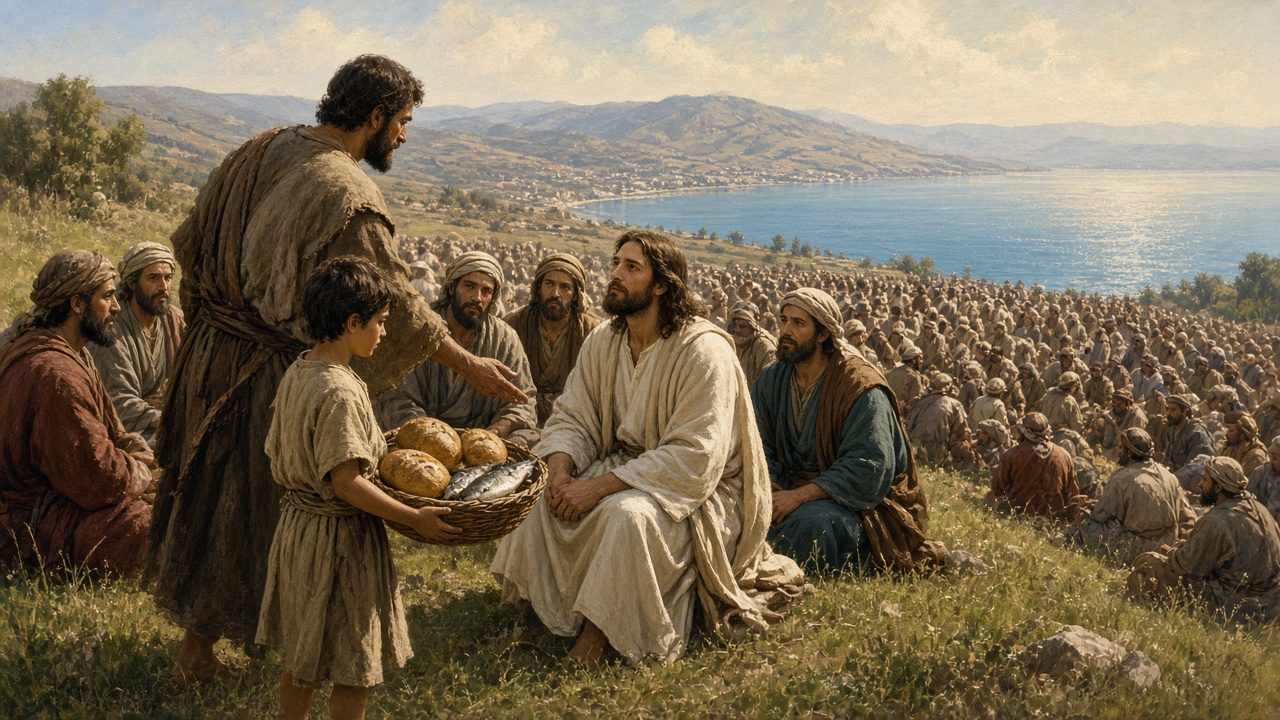
1Ye tɛ̈ɛ̈n ke Jethu tem wär Galilia cɔl Tiberia aya. 2Go kɔc juëc buɔɔth rin cï kek kädït jäŋ gɔ̈i, cï yen kɔc tuany kony tïŋ. 3Go Jethu la gɔt nhom ku nyuuc kek kɔcken ye buɔɔth. 4Ku yan kɔc Itharel, Yan Ayum cïn yic luɔu ëcï thiɔ̈k. 5Nawën ciɛɛth Jethu piny ke tïŋ kɔc juëc ke bɔ̈ tënë ye, go Pilipo thiëëc, “Ye tɛ̈no bï ɣok miëth kueth kɔc ëbën ɣɔɔc thïn?” 6Acï kënë lueel ku bï Pilipo them, rin ŋic yen kë bï looi.
7Go Pilipo bɛ̈ɛ̈r, “Rin bï raan tök ayum thin-nyɔɔt yök, ka wïc wëëu juëc apɛi bï ayuɔ̈p ɣɔɔc.” 8Go Andria, mɛ̈nh Thaimon Pïtɛr, ku ë ye raan tök kam kɔcken ye buɔɔth lueel, 9“Dhɔ̈k atɔ̈ thïn tɛ̈n ke muk ayuɔ̈p kadhiëc ku rec karou, ku aacïï kɔckä ëbën bï lëu.”
10Go Jethu lɛ̈k ke, “Calkë kɔc anyuc piiny.” (Ku noon ë dït thïn ë tɛ̈ɛ̈n. Go kɔc nyuc ëbën piiny.) Ku röör kepɛ̈c aake ye tɛ̈cït tɛ̈n tiim kadhiëc. 11Go Jethu ayuɔ̈p lööm ku leec Nhialic, ku tek ke tënë kɔc wën cï nyuc ëbën. Ku ben looi këya kek rec, bï raan ëbën kuɛth cït tɛ̈ wïc. 12Wën cï kek kuɛth ëbën, ke lëk kɔcken ye buɔɔth, “Kuanykë abɛ̈k cï döŋ piny, bï ciɛ̈n kë riääk.” 13Gokë ke kuany ëbën, ku thiɔ̈ŋkë gäc thiäär ku rou abɛ̈k ayuɔ̈p cï döŋ piny, tënë ayuɔ̈p kadhiëc wën cï ke tɛ̈k kɔc bïk cam.
14Nawën tïŋ kɔc wën luɔi ril cï Jethu looi ke luelkë, “Kënë ë raan käk Nhialic tïŋ yen bï dhiɛl bɛ̈n pinynhom.” 15Go Jethu jäl ŋic lɔn bï kek bɛ̈n bïk ye bɛ̈n dɔm riɛl, ku loikë bï ya bɛ̈nyŋaknhom, go bɛn dhuk gat nhïïm ë rot.
Jethu acï cath pïu nhïïm
16Nawën cï piny cuɔl, ke kɔcken ye buɔɔth la piny wär thok, 17ku lek riäi yic, ku dhukkë ciëën wär alɔŋtui lɔŋ Kapernaum. Nawën ke wɛ̈ɛ̈r jɔl yic dït ke Jethu ŋot këc bɛ̈n tënë ke. 18Kaam wën ke yomdït jɔt rot ku loi atiaktiak rot apɛi. 19Ku kɔcken ye buɔɔth, aake ye tɛ̈cït meel kadiäk ayï ŋuan wën tïŋ kek Jethu ke cath pïu nhïïm, ke bɔ̈ tɛ̈thiɔ̈k kek riäi, gokë riɔ̈ɔ̈c apɛi, 20Go Jethu lɛ̈k ke, “Duɔ̈kkë riɔ̈c, ee ɣɛn.” 21Gokë jat riäi yic, ku go riäi guɔ ɣet wär thok tɛ̈wën le kek thïn.
Kɔc aa wïc Jethu
22Naɣɔn nhiäk ke tïŋ kɔc ke cï döŋ wär alɔŋtui, lɔn ë yen riän tökaliŋ yen acï döŋ. Ku aŋickë lɔn këc Jethu la riäi yic kek kɔcken ye buɔɔth, ku aake cï jäl ë röt. 23Go riëth kɔ̈k ke bɔ̈ Tiberia bɛ̈n wär thok tɛ̈thiääk ke tɛ̈wäär ciɛm kɔc juëc ayup thïn, wën cï Bɛ̈ny lɛc gam. 24Nawën tïŋkë lɔn liu Jethu thïn, ku liu kɔcken ye buɔɔth aya, gokë kɛɛc riäth yiic ku lek Kapernaum bïk Jethu la wïc.
Jethu ayum ë pïr
25Nawën lek Jethu yök wär alɔŋtui ke lëkkë ye, “Raan piööc, ye nɛn bï yïn ë tɛ̈n?” 26Go Jethu bɛ̈ɛ̈r, “Wɛ̈t yic alɛ̈k we, wek aa wïc ɣa rin cï wek ayup cam tɛ̈cït tɛ̈ wiɛ̈ckë, ku acie rin cï wek luɔikiɛ̈n ril deet yiic. 27Duɔ̈kkë lui rin miëth riääk, luɔ̈ɔ̈ikë rin miëth rëër rin pïr akölriëëc ëbën. Miëth kënë abï Manh Raan yiëk we rin Wun, Nhialic acï riɛlde gäm ye ku tooc.”
28Gokë thiëëc, “Buk ŋö looi buk luɔi wïc Nhialic looi?”
29Go Jethu bɛ̈ɛ̈r, “Luɔi wïc Nhialic bäk looi akïn, ë lɔn bäk wɛ̈t raan cï tuɔ̈ɔ̈c gam.”
30Gokë lueel, “Ye kïn riɛl ŋö ba looi buk tïŋ ku buk wɛ̈tdu gam? Yeŋö ba looi? 31Wärkuan thɛɛr aacä ayum löny nhial cam roor, cïmën cï ye gɔ̈t athör thɛɛr wël Nhialic yiic ëlä, ‘Ayum nhial acï yiëk ke bïk cam.’ ”
32Go Jethu lueel, “Wɛ̈t yic alɛ̈k we, kë cï Mothith yiëk we acie ayum pan nhial, ee Wä yen ë we yiëk ayum yic bɔ̈ pan nhial. 33Rin ayum ye Nhialic gam ë yen raan bɔ̈ piny pan nhial, ku yïk thäi pinynhom pïr.”
34Gokë thiëc, “Bɛ̈ny, muɔc ɣo ayum kënë akölaköl.”
35Go Jethu lɛ̈k ke, “Ɣɛn ayum ë pïr,” Ku raan bɔ̈ tënë ɣa acïï cɔk bï kaŋ nɔ̈k, “Ku raan gam wɛ̈tdiɛ̈ acïï rou bï nɔ̈k. 36Ëmën, aca lɛ̈k we lɔn cï wek ɣa tïŋ, ku aŋot kɛ̈ckë gam. 37Raan ëbën cï Wä yiëk ɣa, yen abï bɛ̈n tënë ɣa. Ku raan bï bɛ̈n tënë ɣa acä bï cuɔp wei, 38rin cï ɣɛn bɛ̈n pan nhial ba wɛ̈t raan toc ɣa bɛ̈n looi, ku acie wɛ̈t piändiɛ̈. 39Kë wïc raan toc ɣa ba looi akïn, bï ciɛ̈n kë mär kam käk cï yiëk ɣa, ku ba ke jɔt ëbën aköl ciëën. 40Rin kë wïc Wä akïn, lɔn raan ëbën tïŋ Wënde ku gɛm wɛ̈tde, abï pïr akölriëëc ëbën yök thïn, ku keek aaba jɔt bïk pïr ëbën aköl ciëën.”
41Go kɔc Itharel luɔ̈ɔ̈p guɔ̈p rin cï yen ye lueel ëlä, “Ɣɛn ayum cï bɛ̈n piny pan nhial.” 42Ku luelkë, “Monyë cie Jethu wën Jothep? Wun ku man aa ŋicku. Ku yeŋö ye yen ye lueel lɔn cï yen bɛ̈n piny pan nhial?”
43Go Jethu bɛ̈ɛ̈r, “Duɔ̈kkë lum kamkun. 44Acïn raan lëu ye bï bɛ̈n tënë ɣa tɛ̈ këc Wä ë toc ɣa ye thɛ̈l ɣɛn, ku aba jɔt bï pïr aköl ciëën. 45Acï kɔc käk Nhialic tïŋ gɔ̈t ëlä, ‘Kɔc ëbën aabï Nhialic ke piɔ̈ɔ̈c.’ Raan ëbën piŋ wɛ̈t Wä ku piööc tënë ye ë bɛ̈n tënë ɣa. 46Ku acie rin nadë yen raan cï Wä kaŋ tïŋ, raan bɔ̈ tënë Nhialic, yeen ë rot, yen ë raan cï Wä kaŋ tïŋ. 47Wɛ̈t yic alɛ̈k we, raan gam wɛ̈t ala pïr alanden. 48Ɣɛn ayum ë pïr. 49Wärkun thɛɛr aacä ayum löny nhial cam roor ku aacï thou. 50Ku ayum bɔ̈ piny pan nhial, yen acït kën na ciɛm raan ka cie bɛn thou. 51Ɣɛn ayum ë pïr cï bɛ̈n piny pan nhial. Raan cam ayum kënë, ka pïr akölriëëc ëbën. Ayum yen ba yiëk ye ë riëŋdiɛ̈ ya gam bï kɔc ëbën pïr.”
52Go kɔc Itharel teer apɛi kamken, ku thiëckë, “Lëu mony kënë këdë, bï riëŋde yiëk ɣo buk cuet?”
53Go Jethu bɛ̈ɛ̈r, “Wɛ̈t yic alɛ̈k we, tɛ̈ cï wek Manh Raan cuet ku dɛ̈kkë riɛmdiɛ̈ ka cïn pïr bäk yök wɛ̈ikun yiic. 54Raan cuet riëŋdiɛ̈ ku dek riɛmdiɛ̈ ala pïr alanden, ku abï jɔt aköl ciëën bï pïr. 55Rin riëŋdiɛ̈ ë miëth alanden, ku riɛmdiɛ̈ ë këdek alanden. 56Raan cuet riëŋdiɛ̈ ku dek riɛmdiɛ̈ abï pïr ɣayic, ku ɣɛn abï pïr yeyic. 57Wä pïr acä tooc, ku ë rin riɛnke yen abï ɣɛn aya, ku këya raan cuet ɣɛn abï pïr ë riɛnkiɛ̈. 58Ku yen kïn ayum bɔ̈ piny pan nhial, acïï thöŋ kek ayum cï wärkun thɛɛr cam ku lökkë thou. Raan cam ayum kënë abï pïr akölriëëc ëbën.”
59Wëlkä aacï Jethu lueel wäär piööc yen kɔc tɛ̈n amat Kapernaum.
Wël pïr akölriëëc
60Nawën piŋ kɔc juëc ye buɔɔth wëlkä, ke luelkë, “Piööc kënë aril apɛi. Yeŋa lëu bï ke piŋ?” 61Go Jethu ŋic lɔn jiɛɛm kek wël wën, ku lëk ke, “Wiɛ̈ckë bäk jäl rin ë wëlkä? 62Yeŋö bäk looi tɛ̈ tïŋ wek Manh Raan ke dhuk nhial tɛ̈wën rëër yen thïn? 63Ee Wëi Nhialic yen ë pïr gam, ku riɛl raan acïn kë ye kony. Wël ca lɛ̈k we aa wëi ku aa pïr. 64Ku këya acïï kɔc kɔ̈k kamkun ye gam.” (Rin ëcï Jethu guɔ ŋic tueŋ lɔn ye yïŋa cïï bï gam, ku yeŋa bï ye gaany.) 65Ku ben lueel, “Ee rin wɛ̈t kënë guɔ̈p yen alëk ɣɛn ye we, lɔn acïn raan lëu ye bï bɛ̈n tënë ɣa, tɛ̈ këc Wä ye looi bï yic pial tënë ye.”
66Ku rin ë wëlkä, ke kɔc juëc kam kɔc ye buɔɔth dhuk ciëën, ku cïk ben cath kek ye. 67Go Jethu atuɔ̈ɔ̈cke thiäär ku rou thiëëc, “Na week, wiɛ̈ckë bäk jäl aya?”
68Go Thaimon Pïtɛr bɛ̈ɛ̈r tënë ye, “Bɛ̈ny, buk la tënë ŋa? Yïn ala wël pïr alanden. 69Ku ëmën acuk gam ku acuk ŋic lɔn ë yïn raan dhëŋ bɔ̈ tënë Nhialic.”
70Go Jethu bɛ̈ɛ̈r, “Cie ɣɛn ɣa kuany we wathiäär ku rou? Ku raan tök kamkun aŋot ye jɔŋrac.” 71Yeen ë jam rin Judath, wën Thaimon Ithkariöt. Rin Judath, na cɔk alɔn ë yen raan tök kam atuɔ̈ɔ̈cke kathiäär ku rou, ka wïc bï ye luɔm.
Você sabia?
O pão da vida
- Neste capítulo, João chama o lago de Mar da Galileia e também de Mar de Tiberíades. O Dicionário Bíblico de Easton descreve-o com doze milhas e meia de comprimento e de quatro a sete milhas e meia de largura, e com a superfície 682 pés abaixo do Mediterrâneo. De Tiberíades, na margem ocidental, diz-se que foi fundada por Herodes Antipas no ano 16 d.C. e que recebeu o nome em honra do imperador Tibério; alguns barcos dessa cidade aportaram perto do lugar onde o povo tinha comido o pão.Fontes: o próprio texto bíblico · Sea of Galilee · Tiberias
- Naquela noite, os discípulos partiram de barco rumo a Cafarnaum, e no dia seguinte a multidão atravessou e encontrou Jesus ali. Ele proferiu o ensinamento sobre o pão da vida na sinagoga de Cafarnaum. O Dicionário Bíblico de Easton observa que a cidade, não mencionada no Antigo Testamento, tornou-se a própria cidade de Jesus depois de ele ser expulso de Nazaré e foi cenário de muitos episódios do seu ministério.Fontes: o próprio texto bíblico · Capernaum
- Quando a multidão se aproximava, Jesus perguntou a Filipe onde poderiam comprar pão, pergunta que o relato diz ter sido para pô-lo à prova, pois Jesus já sabia o que ia fazer. Filipe, como André e Pedro, era de Betsaida; respondeu que duzentos denários não comprariam o bastante para cada pessoa receber um pedaço pequeno. André, irmão de Pedro, indicou então um menino com cinco pães de cevada e dois peixes pequenos, e o Dicionário Bíblico de Easton, citando esse diálogo entre outras passagens, diz que Filipe parece ter ocupado um lugar de destaque entre os apóstolos.Fontes: o próprio texto bíblico · Phillip the Apostle · Andrew · Simon Peter
Notas escritas com auxílio de IA a partir de fontes abertas (Theographic Bible Metadata, CC BY-SA 4.0; Easton’s Bible Dictionary, domínio público) e revisadas antes de publicar.
Lugares deste capítulo
Só aparecem lugares com identificação de alta confiança (90% ou mais segundo as fontes acadêmicas reunidas pelo OpenBible). Mapa da época: DARE (Digital Atlas of the Roman Empire), CC BY 4.0; mapa atual: © colaboradores do OpenStreetMap; lugares: OpenBible.info (CC BY 4.0).
Créditos e licença desta tradução
Lëk yam
New Testament in Dinka, Southwestern (SU:dik:Dinka, Southwestern)
copyright © 2006 Wycliffe Bible Translators, Inc.
Language: Dinka, Southwestern
Translation by: Wycliffe Bible Translators, Inc.
Dinka, Southwestern
dik
Sudan
Copyright Information
© 2006, Wycliffe Bible Translators, Inc. All rights reserved.
This translation text is made available to you under the
terms of the Creative Commons License: Attribution-Noncommercial-No Derivative Works.
( http://creativecommons.org/licenses/by-nc-nd/3.0/ )
In addition, you have permission to port the text to different file formats, as long as you
do not change any of the text or punctuation of the Bible.
You may share, copy, distribute, transmit, and extract portions
or quotations from this work, provided that you include the above copyright
information:
You must give Attribution to the work.
You do not sell this work for a profit.
You do not make any derivative works that change any of the actual words or punctuation of the Scriptures.
Permissions beyond the scope of this license may be
available if you contact
us with your request.
The New Testament
in Dinka, Southwestern
© 2006, Wycliffe Bible Translators, Inc. All rights reserved.
This translation is made available to you under the terms of the
Creative Commons Attribution-Noncommercial-No Derivatives license 4.0.
You may share and redistribute this Bible translation or extracts from it in any format, provided that:
You include the above copyright and source information.
You do not sell this work for a profit.
You do not change any of the words or punctuation of the Scriptures.
Pictures included with Scriptures and other documents on this site are licensed just for use with those Scriptures and documents.
For other uses, please contact the respective copyright owners.
2014-04-22
Fonte: http://ebible.org/dikNT/ · eBible.org